

 Ver en contexto
 Enviar
 Compartir
 Detalles

 Descargar
 Similares
 Radiografía
 Presentación de diapositivas
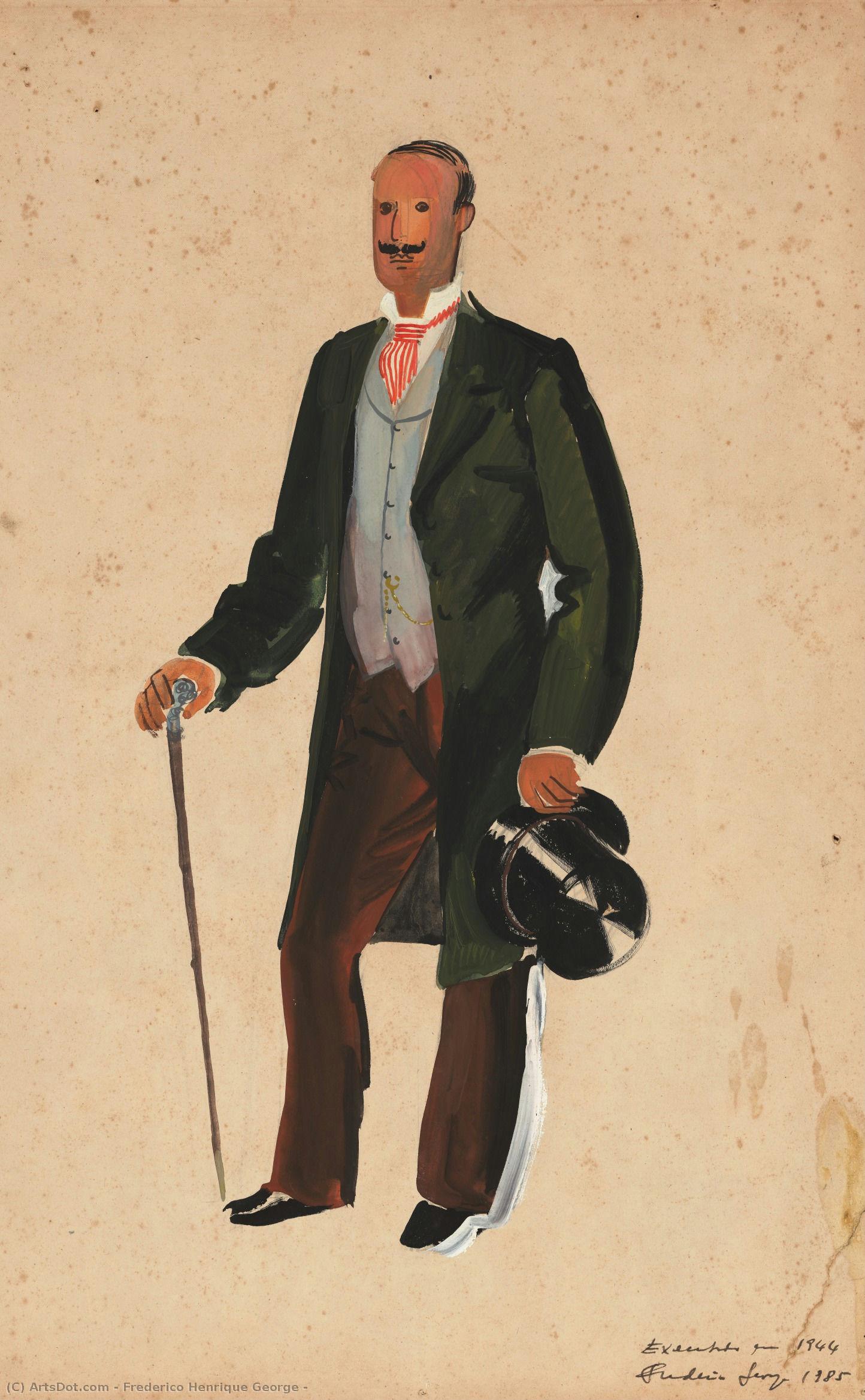
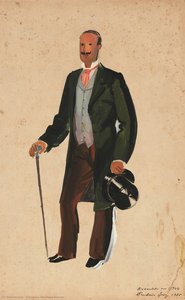
Untitled (DD2CQ3)


 Ver más
Reproducción al óleo hecha a mano
Óleo sobre lienzo pintado a mano en el tamaño y marco de su elección, realizado por encargo por nuestros artistas. ( Comprar impresión Comprar imagen)




































Elija entre nuestros tamaños predefinidos que respetan las proporciones originales de la obra.

Puede ingresar sus propias dimensiones para adaptarse a un marco o espacio específico. Si el tamaño seleccionado no coincide con las proporciones de la imagen original, recortaremos la obra o extenderemos la pintura con elementos adicionales pintados a mano. Se le enviará una maqueta digital para su aprobación antes de comenzar la producción.
Tenga en cuenta que la vista previa en pantalla no refleja el recorte o la extensión reales. Solo la maqueta mostrará con precisión la composición final.
Si bien existen tamaños personalizados, recomendamos seleccionar una dimensión de la lista predefinida para preservar las proporciones originales.
Tras realizar el pedido, el equipo de ArtsDot.com enviará un correo electrónico al cliente para solicitar instrucciones y proporcionarle una vista previa del boceto.
Envío a todo el mundo () en 3-4 semanas en lugar de las 5 semanas estándar. (4 septiembre). Sin comprometer la calidad.

Envío exprés gratuito a todo el mundo

Lienzo de lino de alta calidad

Seguro de envío total

Garantía de reembolso de impuestos aduaneros

Garantía de fidelidad cromática exacta

Política de devolución de 60 días (solo por defectos)

Garantía de devolución del 100% del dinero

Descuento por cantidad
 La opción de vidrio solo está disponible en tamaños inferiores a 110 cm.

Untitled (DD2CQ3)
Técnica de reproducción
Dimensiones de la reproducción
-


Precio total final
$ 263
Obras relacionadas



Biografía del artista
Frederico Henrique George: A Synthesis of Cézanne’s Vision and Iberian Spirit
Frederico Henrique George (1915 – 1994) stands as a pivotal figure in Portuguese art history, embodying both the modernist fervor sweeping Europe and the enduring traditions of his homeland. Born in Lisbon, Portugal, he pursued dual passions—painting and architecture—resulting in a multifaceted artistic career that cemented his reputation as one of the most distinctive voices of his generation. His formative years at the School of Fine Arts in Lisbon instilled him with foundational knowledge of artistic principles while simultaneously nurturing an appreciation for geometric forms and spatial exploration, mirroring the groundbreaking innovations championed by Cézanne. George’s artistic style evolved throughout his life, consistently gravitating towards a figurative approach deeply rooted in Impressionism and Cubism. However, unlike many contemporaries who embraced purely abstract experimentation, George retained a palpable connection to representational art, skillfully blending influences from artists like Picasso and Braque with the expressive power of Modigliani. This synthesis yielded canvases characterized by flattened planes, simplified contours, and muted palettes—techniques that conveyed emotion and atmosphere as much as they depicted subject matter. His works often depict landscapes imbued with melancholic beauty, reflecting a profound sensitivity to the natural world alongside an intellectual engagement with artistic theory. He sought to capture not just what he saw but also how it *felt*, channeling Cézanne’s masterful use of perspective and form into his own distinctive visual language. Notable among George’s achievements was his participation in the Exposição do Mundo Portugês of 1940, where he contributed significantly to the decorative program, demonstrating not only his artistic talent but also his commitment to celebrating Portuguese culture and heritage. This ambitious undertaking showcased his ability to collaborate effectively within a larger creative context—a skill honed during his architectural studies—and solidified his reputation as a visionary artist dedicated to elevating Portugal’s cultural standing on the international stage. Furthermore, his involvement in the Primeira Missão Estética de Férias in Tomar underscored his belief in the transformative power of art education and its role in fostering intellectual curiosity among young people. George's artistic output spanned decades, producing a substantial body of work that continues to resonate with viewers today. His paintings—primarily landscapes and portraits—are distinguished by their understated elegance and profound emotional depth. He meticulously crafted each composition, employing subtle color harmonies and carefully considered brushstrokes to evoke moods of contemplation and serenity. Critics lauded his ability to distill complex ideas into visually arresting images—a testament to his intellectual rigor combined with artistic intuition. His enduring influence can be seen in the continued exploration of expressive figurative painting—a reminder that true artistry resides in honoring both tradition and innovation.- Key Influences: Cézanne’s geometric simplification, Picasso’s Cubist fragmentation, Braque’s analytical approach, Modigliani’s elongated figures
- Notable Works: “Untitled (DD2CPY)” – Demonstrates George's mastery of tonal modulation and spatial illusion.
- Architectural Contributions: He designed buildings that incorporated modernist principles while respecting Portuguese architectural heritage.
- Recognition & Legacy: George was honored with numerous awards recognizing his artistic excellence and promoting cultural understanding internationally.
Frederico Henrique George
1915 - 1994 , Portugal
Datos clave
- Artistic Movement Or Style: Figurativo
- Artists Who Influenced This Artist:
- Cézanne
- Picasso
- Braque
- Modigliani
- Date Of Birth: 1915
- Date Of Death: 1994
- Full Name: Frederico Henrique George
- Nationality: Portuguese
- Notable Artworks:
- Untitled (DD2CPY)
- Untitled (DD2CQ3)
- Place Of Birth: Lisbon, Portugal

