

 Ver en contexto
 Enviar
 Compartir
 Detalles

 Descargar
 Similares
 Radiografía
 Presentación de diapositivas
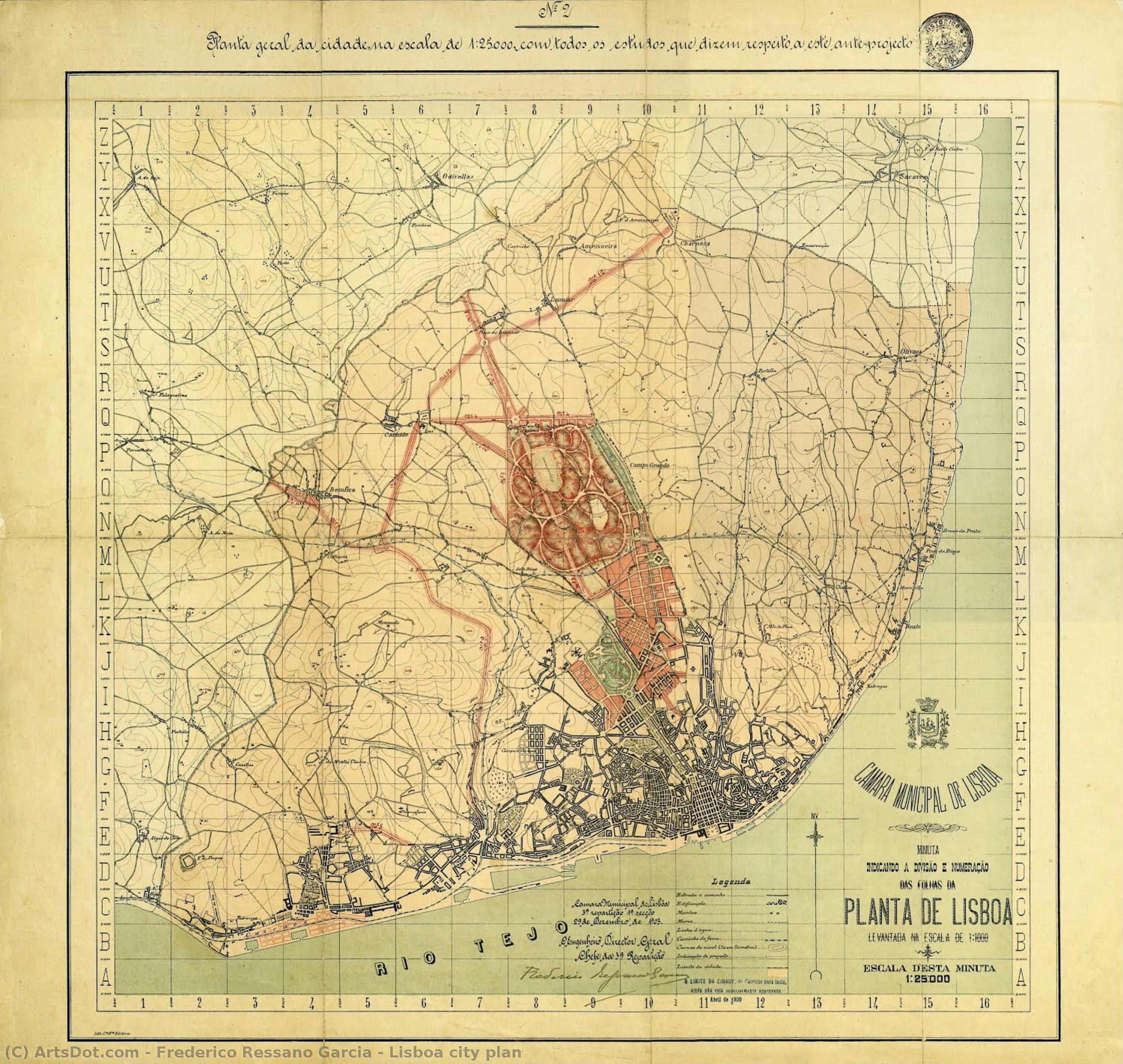
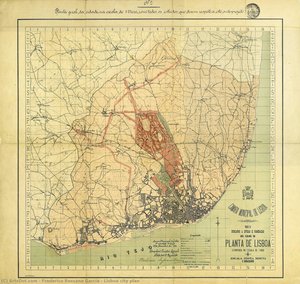
Lisboa city plan
 Ink On Paper
 1903
1903- 19th Century
 64.0 x 62.0 cm
 Archivo Municipal de Lisboa
 Ver más
Adquiera una imagen digital de alta resolución y optimizada, muy superior a la vista previa en línea.
Cada archivo es preparado meticulosamente por nuestros especialistas internos mediante el uso de herramientas avanzadas y un experto retoque manual. Nos aseguramos de que cada imagen posea una claridad excepcional, una precisión cromática impecable y un detalle minucioso.
El archivo final se entrega por correo electrónico en un plazo de 72 horas, optimizado para su uso inmediato en entornos profesionales, editoriales y de impresión. Esta es la misma calidad en la que confían los estudios de diseño, las editoriales y las galerías de primer nivel.
Imagen Digital
Descarga un archivo de alta resolución para exhibición personal, impresión y proyectos creativos. ( Comprar impresión Comprar pintura hecha a mano)
Incluido en cada pedido de imágenes digitales
Entrega digital experta, garantizada.
Al elegir ArtsDot.com, no solo está adquiriendo una imagen; está recibiendo una obra de arte digital mejorada profesionalmente, elaborada con precisión y respaldada por una garantía de satisfacción. Esto es todo lo que incluye su pedido, automáticamente:

Entrega rápida por email
Recibirá su archivo de imagen digital en alta resolución por correo electrónico en un plazo de 72 horas tras realizar su pedido, listo para su uso inmediato.

Archivo digital optimizado por IA
Su obra de arte se optimiza profesionalmente mediante herramientas avanzadas de IA y edición manual, garantizando el máximo detalle, claridad y precisión cromática.

Reenvío gratuito de por vida
¿Has borrado o perdido tu archivo por error? No te preocupes: te lo volveremos a enviar en cualquier momento, sin coste adicional.

Sin gastos de importación, siempre
Disfrute de su obra de arte al instante sin aduanas, aranceles ni gastos de envío; las descargas digitales siempre están libres de impuestos.

Garantía de fidelidad de color
Garantizamos que su imagen digital refleje los colores originales con la mayor fidelidad posible, mediante el uso de herramientas profesionales y gestión del color.

Garantía de satisfacción de 60 días
Si no está satisfecho con su imagen digital, la revisaremos o le reembolsaremos el 100% en un plazo de 60 días, sin preguntas.

100% Garantía de devolución de dinero
¿No está satisfecho? Obtenga un reembolso completo dentro de los 60 días posteriores a la recepción de su archivo digital, sin necesidad de explicaciones.

Descuentos por pedidos grandes
Compra 3 imágenes, ahorra 10% - Compra 5, ahorra 15% - Compra 10+, ahorra 20%. Ideal para proyectos creativos, galerías y agencias.
Obras relacionadas

Biografía del artista
The Architect of Modern Lisbon: Frederico Ressano Garcia
Frederico Ressano Garcia (1847-1911) remains a pivotal, though often unsung, figure in the transformation of Lisbon during the late 19th century. More than simply an engineer, he was a visionary who reshaped the very fabric of Portugal’s capital, imbuing it with a sense of modernity inspired by the grand urban projects unfolding across Europe, particularly those undertaken by Georges-Eugène Haussmann in Paris. His legacy isn't found in paintings adorning museum walls, but rather in the boulevards and public spaces that continue to define Lisbon’s character today.
Early Life and Formation
Born in Lisbon in 1847, Ressano Garcia dedicated his life to public service. He wasn't solely a technical expert; he was deeply involved in politics and administration, holding positions that allowed him to translate theoretical concepts into tangible realities. His formal education centered around engineering, providing him with the foundational skills necessary for ambitious urban planning. However, it was his astute observation of European capitals—and specifically Paris under Haussmann’s direction—that truly shaped his approach. The rapid modernization of Paris, with its wide avenues designed to improve circulation and public health, served as a powerful model for Lisbon, a city grappling with overcrowding and outdated infrastructure.
A Parisian Influence on Portuguese Soil
The mid-19th century witnessed a wave of urban renewal across Europe, driven by industrialization, population growth, and evolving ideas about civic life. Haussmann’s Paris became the benchmark for this transformation. Ressano Garcia recognized the potential benefits of applying similar principles to Lisbon. He wasn't simply copying Parisian designs; he adapted them to the specific context of the Portuguese capital, taking into account its unique topography, climate, and cultural heritage. This involved a comprehensive plan to demolish older, congested neighborhoods and replace them with a network of broad avenues, public squares, and improved sanitation systems.
Major Achievements: Reconstructing Lisbon
Ressano Garcia’s most enduring achievements are visible throughout central Lisbon. Avenida da Liberdade, the city's grandest boulevard, stands as a testament to his vision—a tree-lined avenue designed for both functionality and aesthetic appeal. Praça Marquês de Pombal, another iconic landmark, became a focal point of civic life, offering a spacious public square surrounded by impressive architecture. Avenida 24 de Julho further extended this network of modern thoroughfares, improving connectivity across the city. Crucially, he oversaw the construction of the Ribeira Nova Market, a vital infrastructure project that addressed the needs of Lisbon’s growing population and modernized its commercial center. These projects weren't merely about aesthetics; they were fundamentally about improving public health, facilitating commerce, and creating a more livable urban environment.
Legacy and Historical Significance
Frederico Ressano Garcia’s work profoundly impacted Lisbon’s urban landscape, leaving an indelible mark on the city’s identity. While his methods sometimes involved displacement and disruption—a common consequence of large-scale urban renewal projects—his overall contribution was transformative. He successfully modernized Lisbon, bringing it into line with other European capitals and laying the foundation for its future development. His legacy extends beyond specific buildings or avenues; it resides in the very spirit of Lisbon—a city that embraces both its historical roots and its aspirations for modernity. He demonstrated a remarkable ability to synthesize international influences with local needs, creating an urban environment that was both innovative and distinctly Portuguese.
frederico ressano garcia
1847 - 1911

