

 Ver en contexto
 Enviar
 Compartir
 Detalles

 Descargar
 Similares
 Radiografía
 Presentación de diapositivas
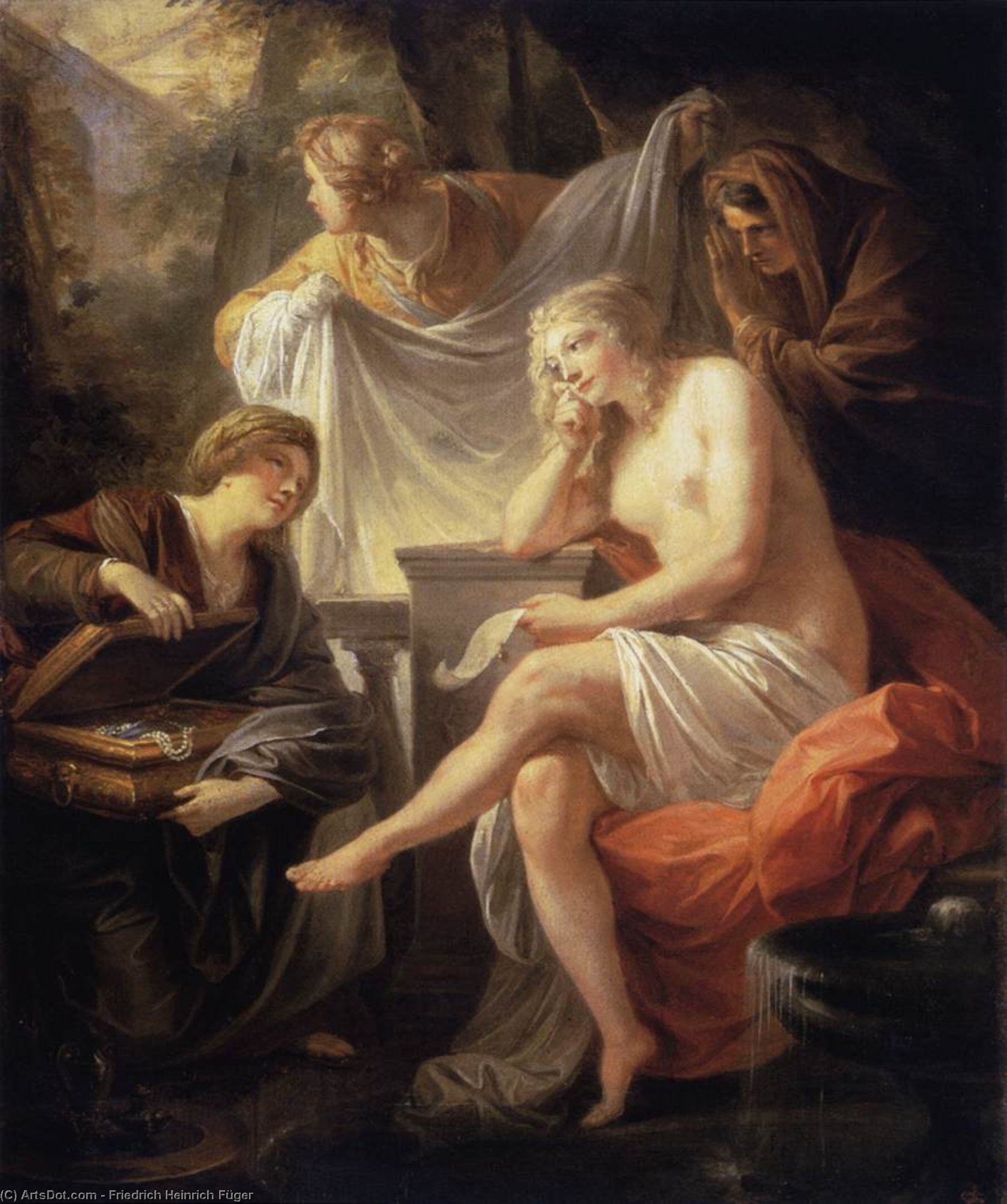
Bathsheba at the Bath
 Acrylic On Canvas
- WallArt
- German Classicism
 35.0 x 29.0 cm
 Museo de las Artes de Budapest
 Ver más
Reproducción al óleo hecha a mano
Óleo sobre lienzo pintado a mano en el tamaño y marco de su elección, realizado por encargo por nuestros artistas. ( Comprar impresión Comprar imagen)




P118B $10

P118H $10

P118W $10

P438Z $10

P508JH $12

P508YH $12

P805H $10

P805Z $10

P919BZ $10

P919G $10

P919XJ $10

P959ZH $10

P968JZ $12

W106C $8

W218G $10

W218JH $8

W218Y $10

W307PJ $10

W316G $10

W316PJ $8

W316Y $10

W398PJ $8

W4111J $10

W500HY $15

W500JH $15

W692G $12

W849H $8

W940BG $15

W953PJ $8




Elija entre nuestros tamaños predefinidos que respetan las proporciones originales de la obra.

Puede ingresar sus propias dimensiones para adaptarse a un marco o espacio específico. Si el tamaño seleccionado no coincide con las proporciones de la imagen original, recortaremos la obra o extenderemos la pintura con elementos adicionales pintados a mano. Se le enviará una maqueta digital para su aprobación antes de comenzar la producción.
Tenga en cuenta que la vista previa en pantalla no refleja el recorte o la extensión reales. Solo la maqueta mostrará con precisión la composición final.
Si bien existen tamaños personalizados, recomendamos seleccionar una dimensión de la lista predefinida para preservar las proporciones originales.
Tras realizar el pedido, el equipo de ArtsDot.com enviará un correo electrónico al cliente para solicitar instrucciones y proporcionarle una vista previa del boceto.
Envío a todo el mundo () en 3-4 semanas en lugar de las 5 semanas estándar. (4 septiembre). Sin comprometer la calidad.

Envío exprés gratuito a todo el mundo

Lienzo de lino de alta calidad

Seguro de envío total

Garantía de reembolso de impuestos aduaneros

Garantía de fidelidad cromática exacta

Política de devolución de 60 días (solo por defectos)

Garantía de devolución del 100% del dinero

Descuento por cantidad
 La opción de vidrio solo está disponible en tamaños inferiores a 110 cm.

Bathsheba at the Bath
Técnica de reproducción
Dimensiones de la reproducción
-


Precio total final
$ 263
The Enigmatic Beauty of Friedrich Heinrich Füger’s “Bathsheba at the Bath”
Friedrich Heinrich Füger's "Bathsheba at the Bath," painted circa 1780, is more than a mere depiction of a biblical scene; it’s a meticulously crafted tableau of classical elegance and subtle psychological drama. Housed within the Szépmûvészeti Múzeum in Budapest, Hungary, this oil-on-panel work invites viewers into a world of refined beauty and quiet contemplation, revealing the artist's mastery of light, form, and the delicate nuances of human interaction.
Füger, a pivotal figure within the German Classicist movement, drew heavily from the artistic principles established by David and Mengs – emphasizing clarity, balance, and idealized forms. His work reflects an era deeply invested in reviving the grandeur of antiquity, yet infused with a distinctly modern sensibility. “Bathsheba at the Bath” exemplifies this fusion, presenting a scene rooted in the Old Testament narrative but rendered with a sophisticated artistic vocabulary that transcends its immediate source material.
A Scene of Intimacy and Suspense
The painting captures a pivotal moment from the story of David and Bathsheba. We see her preparing for a bath, attended by three women – one adjusting her hair, another holding a garment, and the third reaching for an object on the vanity. The composition is remarkably intimate, drawing us close to this private ritual. Yet, beneath the surface tranquility lies a palpable sense of suspense. David’s presence, though unseen, hangs heavy in the air, hinting at the illicit affair that will soon unfold. Füger masterfully uses gesture and expression to convey this underlying tension – the slight tilt of Bathsheba's head, the focused attention of her attendants, all contribute to a feeling of restrained emotion.
The artist’s skill is particularly evident in his rendering of textures: the smooth curves of Bathsheba’s skin, the intricate folds of her dress, and the delicate sheen of the polished vanity. The use of light is equally masterful, creating a soft, diffused glow that illuminates the scene without harshness. This subtle illumination enhances the painting's overall sense of serenity while simultaneously emphasizing the importance of each detail.
Symbolism and Classical Ideals
Beyond its narrative content, “Bathsheba at the Bath” is rich in symbolic meaning. The bath itself represents purification and renewal – a theme central to classical thought. The presence of the attendants can be interpreted as symbols of domesticity and service, reinforcing the idealized image of womanhood prevalent during the era. Furthermore, the painting’s adherence to strict compositional rules—the balanced arrangement of figures, the use of symmetrical forms—reflects the Classical ideal of harmony and order.
The choice of a panel as the support for this work is significant. Oil on panel allowed for greater detail and luminosity than tempera, aligning with Füger’s desire to emulate the refined techniques of Italian masters. The painting's dimensions – 35 x 29 cm – contribute to its intimate scale, inviting close observation and a deeper engagement with the scene.
A Timeless Masterpiece
“Bathsheba at the Bath” remains a compelling work of art due to its exquisite craftsmanship, evocative atmosphere, and enduring themes. It’s a testament to Füger's artistic vision and his ability to capture both the beauty and complexity of human experience. Whether viewed as a historical narrative, a study in light and form, or a meditation on the nature of desire and temptation, this painting continues to captivate audiences centuries after its creation.
Obras relacionadas
Biografía del artista
Friedrich Heinrich Füger: Vida y Legado
Primeros Años y Educación
- Nacido en Heilbronn, Alemania, el 8 de diciembre de 1751, Friedrich Heinrich Füger inició una carrera que le establecería como un destacado pintor clásico alemán.
- Inicialmente estudió bajo Nicolas Guibal en Stuttgart, adquiriendo habilidades fundamentales en técnica artística.
- Füger perfeccionó aún más sus habilidades con Adam Friedrich Oeser en Leipzig, sumergiéndose en los principios estéticos predominantes de la época.
- Su educación se extendió más allá de Alemania; viajó extensamente por Italia, pasando períodos significativos en Roma y Nápoles.
Influencias Italianas y Desarrollo Artístico
- Durante su estancia italiana, Füger realizó trabajos de fresco en el Palacio de Caserta, una empresa monumental que demostró su talento emergente y dominio de la composición a gran escala.
- La exposición al arte y la arquitectura clásicos en Italia moldeó profundamente su visión artística, consolidando su compromiso con los principios del Classicismo.
- Absorbía influencias de artistas destacados como Louis David y Anton Raphael Mengs, cuya énfasis en la claridad, el orden y las formas idealizadas resonaban con sus sensibilidades estéticas.
Carrera en Viena y Pintor de Corte
- Al regresar a Viena, Füger rápidamente ascendió en los círculos artísticos del establecimiento.
- Fue nombrado pintor de corte, una posición prestigiosa que le brindó numerosos encargos de la corte imperial y de mecenas aristocráticos.
- Füger también se convirtió en profesor en la Academia de Bellas Artes de Viena, compartiendo sus conocimientos y experiencia con artistas aspirantes.
- En 1806, fue nombrado director de la Galería Belvedere, consolidando aún más su influencia en el mundo del arte vienés.
Obras Maestras y Estilo Artístico
- El *oeuvre* de Füger abarca una diversa gama de temas, incluyendo escenas históricas, retratos y composiciones alegóricas.
- Obras notables incluyen “La despedida de Coriolano” (Galería Czernin, Viena), “Alegoría de la Paz de Viena” (1801) y “La muerte de Germánico” (1789).
- Sus retratos capturan los rasgos de figuras prominentes como el Emperador José II, la Gran Duquesa Elizabeth Wilhelmine de Württemberg y Horatio Nelson.
- Su estilo se caracteriza por su adhesión a los principios clásicos: un enfoque en las formas idealizadas, las composiciones equilibradas y la atención meticulosa al detalle. A menudo infundía sus obras con un toque teatral.
Legado e Importancia Histórica
- Como principal defensor del Classicismo en Alemania, Füger desempeñó un papel crucial en la configuración del panorama artístico de su tiempo.
- Su obra refleja las corrientes intelectuales y culturales de la Ilustración, enfatizando la razón, el orden y la virtud cívica.
- La influencia de Füger se extendió más allá de sus propios cuadros; mentoró a numerosos estudiantes, incluyendo Gustav Philipp Zwinger y Franciszek Ksawery Lampi, quienes posteriormente alcanzaron su propio éxito artístico.
- Murió en Viena el 5 de noviembre de 1818, dejando atrás un legado como uno de los pintores clásicos alemanes más importantes de su generación.
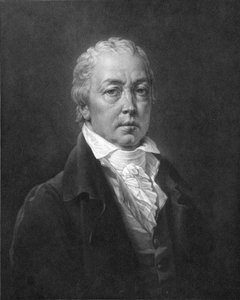
friedrich heinrich füger
1751 - 1818 , Alemania
Datos clave
- Artistic Movement Or Style: Classicismo
- Artists Who Influenced This Artist:
- Louis David
- Anton Raphael Mengs
- Date Of Birth: 8 diciembre 1751
- Date Of Death: 5 noviembre 1818
- Full Name: Friedrich Heinrich Füger
- Nationality: Alemania
- Notable Artworks:
- La despedida de Coriolano
- Allegoría sobre la Paz de Viena
- La muerte de Germanicus
- Place Of Birth: Heilbronn, Alemania
Artículos relacionados

Del Boceto Inicial a la Obra Duradera: Una Exploración Exhaustiva del Proceso de Reproducción de Pintura al Óleo
Descubre el arte de la reproducción al óleo artesanal con ArtsDot. Reproducciones fieles hechas a mano por expertos, personalización y asesoramiento profesional para galerías y hogares. ¡Invierte en belleza duradera!

Del Selfie al Retrato de Estudio: La Transformación Contemporánea del Autorretrato en Óleo
Descubra la fascinante transformación del autorretrato en óleo, desde el 'selfie' hasta obras maestras contemporáneas. Guía experta para coleccionistas y amantes del arte. ¡Encuentre su obra única!
Reproducción Artística: Explorando Medios para la Preservación y Diseminación del Patrimonio Visual
Descubre reproducciones de arte excepcionales hechas por artistas expertos. Lienzos personalizados y réplicas fieles con garantía de calidad museo. ¡Preserva el patrimonio visual!

El Legado Duradero de la Pintura al Óleo Hecha a Mano: Valor Estético, Longevidad y Resonancia Emocional
Descubra el legado de la pintura al óleo hecha a mano. Reproducciones fieles por artistas expertos, asesoramiento profesional y una inversión artística duradera con ArtsDot.com.
Los 10 Maestros del Neoclasicismo: Obras que Definieron una Era |
Descubre los 10 imprescindibles del Neoclasicismo con . Obras de David, Ingres y Canova que marcaron una era. Historia, técnica y significado de cada pieza. Encuentra reproducciones de arte de museo en

