

 Ver en contexto
 Enviar
 Compartir
 Detalles

 Descargar
 Similares
 Radiografía
 Presentación de diapositivas
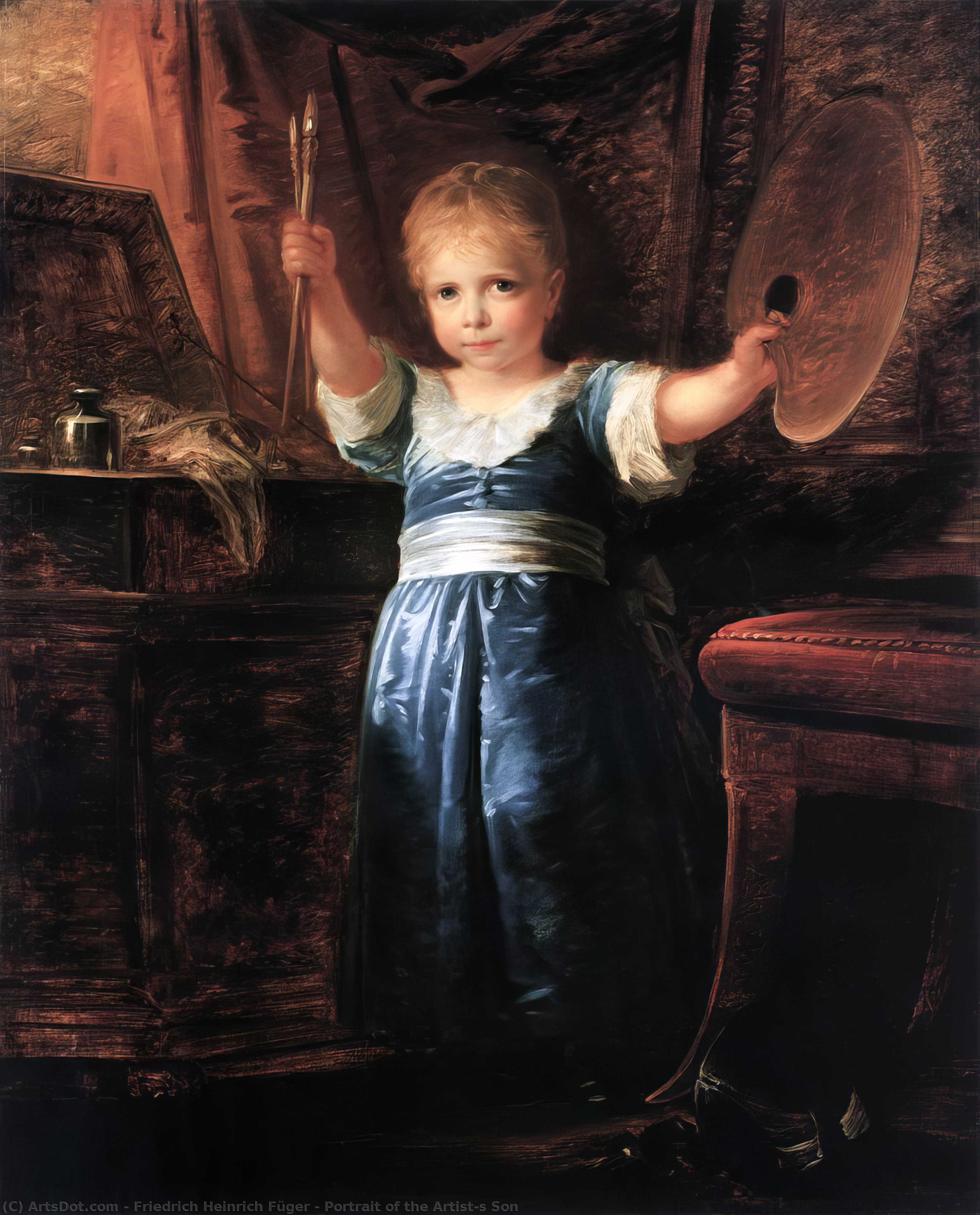
Portrait of the Artist's Son
 Oil On Canvas
- WallArt
- Neoclassical German Classicism
 19th Century
 110.0 x 88.0 cm
 Galería Austriaca Belvedere
 Ver más
Reproducción al óleo hecha a mano
Óleo sobre lienzo pintado a mano en el tamaño y marco de su elección, realizado por encargo por nuestros artistas. ( Comprar impresión Comprar imagen)




P118B $10

P118H $10

P118W $10

P438Z $10

P508JH $12

P508YH $12

P805H $10

P805Z $10

P919BZ $10

P919G $10

P919XJ $10

P959ZH $10

P968JZ $12

W106C $8

W218G $10

W218JH $8

W218Y $10

W307PJ $10

W316G $10

W316PJ $8

W316Y $10

W398PJ $8

W4111J $10

W500HY $15

W500JH $15

W692G $12

W849H $8

W940BG $15

W953PJ $8




Elija entre nuestros tamaños predefinidos que respetan las proporciones originales de la obra.

Puede ingresar sus propias dimensiones para adaptarse a un marco o espacio específico. Si el tamaño seleccionado no coincide con las proporciones de la imagen original, recortaremos la obra o extenderemos la pintura con elementos adicionales pintados a mano. Se le enviará una maqueta digital para su aprobación antes de comenzar la producción.
Tenga en cuenta que la vista previa en pantalla no refleja el recorte o la extensión reales. Solo la maqueta mostrará con precisión la composición final.
Si bien existen tamaños personalizados, recomendamos seleccionar una dimensión de la lista predefinida para preservar las proporciones originales.
Tras realizar el pedido, el equipo de ArtsDot.com enviará un correo electrónico al cliente para solicitar instrucciones y proporcionarle una vista previa del boceto.
Envío a todo el mundo () en 3-4 semanas en lugar de las 5 semanas estándar. (4 septiembre). Sin comprometer la calidad.

Envío exprés gratuito a todo el mundo

Lienzo de lino de alta calidad

Seguro de envío total

Garantía de reembolso de impuestos aduaneros

Garantía de fidelidad cromática exacta

Política de devolución de 60 días (solo por defectos)

Garantía de devolución del 100% del dinero

Descuento por cantidad
 La opción de vidrio solo está disponible en tamaños inferiores a 110 cm.

Portrait of the Artist's Son
Técnica de reproducción
Dimensiones de la reproducción
-


Precio total final
$ 263
Portrait of the Artist's Son by Friedrich Heinrich Füger
The painting “Portrait of the Artist’s Son” by Heinrich Friedrich Füger stands as a testament to the ideals of German Classicism, capturing a moment frozen in time with remarkable precision and imbued with subtle emotional resonance. Executed around 1789-1801 during Füger's tenure at the Bavarian Court, it exemplifies the stylistic conventions championed by Adam Friedrich Oeser and embodies the Enlightenment’s fascination with idealized beauty and rational representation.- Subject Matter: The artwork depicts a young boy—likely Füger’s son—seated attentively before a table laden with artistic tools: brushes, palettes, and a bottle of ink. This deliberate inclusion speaks to the artist's profession and underscores the importance of creativity within his familial life.
- Style & Technique: Füger adheres rigorously to Neoclassical principles, prioritizing clarity of form and balanced composition—characteristics prevalent in the art academies of his era. The painting utilizes oil paint on canvas, applying smooth brushstrokes to achieve a luminous surface finish that captures the boy’s gaze with remarkable realism.
- Historical Context: Produced during the reign of Maximilian Joseph I, Füger's portrait reflects the broader cultural climate of Bavaria—a region deeply invested in fostering artistic excellence and upholding aristocratic traditions. It aligns perfectly with the prevailing aesthetic sensibilities of the time, mirroring the grandeur and restraint favored by artists like Anton Raphael Mengs.
- Symbolism: The boy’s posture exudes confidence and concentration, symbolizing intellectual curiosity and dedication to craft—values highly regarded within the Enlightenment. Furthermore, the inclusion of artistic instruments serves as a visual metaphor for creativity and artistic legacy, hinting at Füger's desire to transmit his passion for painting to his son.
- Emotional Impact: Despite its formal restraint, “Portrait of the Artist’s Son” possesses an undeniable warmth. The boy’s gaze engages the viewer directly, inviting contemplation and fostering a connection between artist and subject—a hallmark of Neoclassical portraiture aimed at conveying dignity and virtue.
Further Exploration: Influences & Comparisons
Füger's work owes considerable debt to earlier masters like Rembrandt and Rubens, whose mastery of chiaroscuro and psychological realism profoundly impacted the artistic landscape of Europe. Notably, the composition echoes elements found in Hans Holbein the Younger’s “Portrait of the Artist’s Family,” specifically the careful positioning of figures within a confined space—a technique designed to maximize visual impact and convey profound emotional depth.Provenance & Reproduction Considerations
The painting currently resides in the Kunstmuseum Basel, having passed through several aristocratic collections throughout its history. Reproductions of “Portrait of the Artist’s Son” are available from reputable art dealers specializing in high-quality prints on archival paper—a splendid addition to any discerning interior design scheme or a captivating piece of art history for collectors seeking authentic representations of German Classicism.Related Artists
Consider exploring the oeuvre of fellow Neoclassical painters such as Johann Christian Richter and Anton Raphael Mengs, whose stylistic approaches share similar affinities with Füger’s artistic vision—artists who similarly championed clarity, balance, and idealized beauty in their depictions of human subjects.Obras relacionadas



Biografía del artista
Friedrich Heinrich Füger: Vida y Legado
Primeros Años y Educación
- Nacido en Heilbronn, Alemania, el 8 de diciembre de 1751, Friedrich Heinrich Füger inició una carrera que le establecería como un destacado pintor clásico alemán.
- Inicialmente estudió bajo Nicolas Guibal en Stuttgart, adquiriendo habilidades fundamentales en técnica artística.
- Füger perfeccionó aún más sus habilidades con Adam Friedrich Oeser en Leipzig, sumergiéndose en los principios estéticos predominantes de la época.
- Su educación se extendió más allá de Alemania; viajó extensamente por Italia, pasando períodos significativos en Roma y Nápoles.
Influencias Italianas y Desarrollo Artístico
- Durante su estancia italiana, Füger realizó trabajos de fresco en el Palacio de Caserta, una empresa monumental que demostró su talento emergente y dominio de la composición a gran escala.
- La exposición al arte y la arquitectura clásicos en Italia moldeó profundamente su visión artística, consolidando su compromiso con los principios del Classicismo.
- Absorbía influencias de artistas destacados como Louis David y Anton Raphael Mengs, cuya énfasis en la claridad, el orden y las formas idealizadas resonaban con sus sensibilidades estéticas.
Carrera en Viena y Pintor de Corte
- Al regresar a Viena, Füger rápidamente ascendió en los círculos artísticos del establecimiento.
- Fue nombrado pintor de corte, una posición prestigiosa que le brindó numerosos encargos de la corte imperial y de mecenas aristocráticos.
- Füger también se convirtió en profesor en la Academia de Bellas Artes de Viena, compartiendo sus conocimientos y experiencia con artistas aspirantes.
- En 1806, fue nombrado director de la Galería Belvedere, consolidando aún más su influencia en el mundo del arte vienés.
Obras Maestras y Estilo Artístico
- El *oeuvre* de Füger abarca una diversa gama de temas, incluyendo escenas históricas, retratos y composiciones alegóricas.
- Obras notables incluyen “La despedida de Coriolano” (Galería Czernin, Viena), “Alegoría de la Paz de Viena” (1801) y “La muerte de Germánico” (1789).
- Sus retratos capturan los rasgos de figuras prominentes como el Emperador José II, la Gran Duquesa Elizabeth Wilhelmine de Württemberg y Horatio Nelson.
- Su estilo se caracteriza por su adhesión a los principios clásicos: un enfoque en las formas idealizadas, las composiciones equilibradas y la atención meticulosa al detalle. A menudo infundía sus obras con un toque teatral.
Legado e Importancia Histórica
- Como principal defensor del Classicismo en Alemania, Füger desempeñó un papel crucial en la configuración del panorama artístico de su tiempo.
- Su obra refleja las corrientes intelectuales y culturales de la Ilustración, enfatizando la razón, el orden y la virtud cívica.
- La influencia de Füger se extendió más allá de sus propios cuadros; mentoró a numerosos estudiantes, incluyendo Gustav Philipp Zwinger y Franciszek Ksawery Lampi, quienes posteriormente alcanzaron su propio éxito artístico.
- Murió en Viena el 5 de noviembre de 1818, dejando atrás un legado como uno de los pintores clásicos alemanes más importantes de su generación.
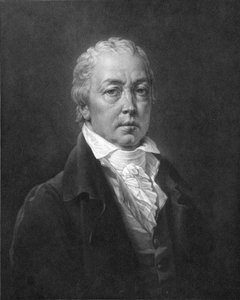
friedrich heinrich füger
1751 - 1818 , Alemania
Datos clave
- Artistic Movement Or Style: Classicismo
- Artists Who Influenced This Artist:
- Louis David
- Anton Raphael Mengs
- Date Of Birth: 8 diciembre 1751
- Date Of Death: 5 noviembre 1818
- Full Name: Friedrich Heinrich Füger
- Nationality: Alemania
- Notable Artworks:
- La despedida de Coriolano
- Allegoría sobre la Paz de Viena
- La muerte de Germanicus
- Place Of Birth: Heilbronn, Alemania
Artículos relacionados

The Enduring Legacy of Oil on Canvas: Technique, History & Aesthetic Impact
Explore the rich history & techniques of oil painting – from Renaissance masters to Impressionism. Discover pigments, layering methods, and why this timeless medium endures. Expert insights for artists & art enthusiasts.
Los 10 Maestros del Neoclasicismo: Obras que Definieron una Era |
Descubre los 10 imprescindibles del Neoclasicismo con . Obras de David, Ingres y Canova que marcaron una era. Historia, técnica y significado de cada pieza. Encuentra reproducciones de arte de museo en

El Óleo sobre Lienzo: Historia, Técnica y la Persistencia de un Medio Artístico Atemporal
Descubre la historia y técnica del óleo sobre lienzo. Explora reproducciones fieles hechas a mano, personalización artística y consejos de expertos con ArtsDot. ¡Colecciona arte con confianza!
El Legado Perenne del Clasicismo: Principios Fundamentales, Evolución e Influencia en el Arte Occidental
Descubre la historia del arte clásico occidental: desde sus orígenes en Grecia y Roma hasta su influencia en el Renacimiento y las corrientes contemporáneas. Análisis experto, artistas clave y obras maestras imperdibles.

The Enduring Power of Painting: A Historical & Contemporary Exploration of Form and Emotion
Explore the rich history & enduring techniques of oil painting with ArtsDot. Discover masterpieces, learn about art collecting, and find authentic handmade reproductions crafted by skilled artists.

