

 Ver en contexto
 Enviar
 Compartir
 Detalles

 Descargar
 Similares
 Radiografía
 Presentación de diapositivas
 Estadísticas
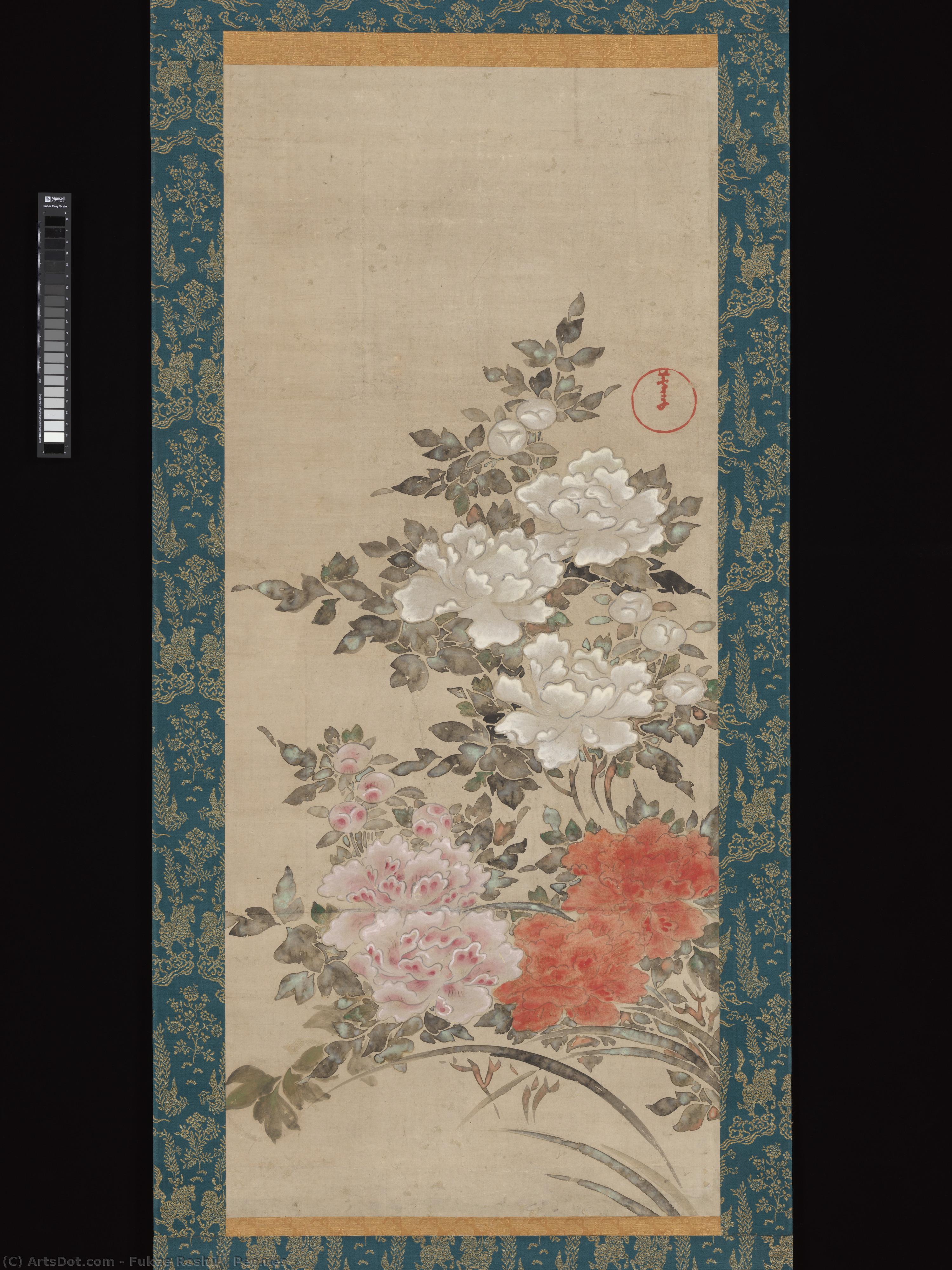
Peonies
 701
701 111.0cm x 48.0cm
 Ver más
Adquiera una imagen digital de alta resolución y optimizada, muy superior a la vista previa en línea.
Cada archivo es preparado meticulosamente por nuestros especialistas internos mediante el uso de herramientas avanzadas y un experto retoque manual. Nos aseguramos de que cada imagen posea una claridad excepcional, una precisión cromática impecable y un detalle minucioso.
El archivo final se entrega por correo electrónico en un plazo de 72 horas, optimizado para su uso inmediato en entornos profesionales, editoriales y de impresión. Esta es la misma calidad en la que confían los estudios de diseño, las editoriales y las galerías de primer nivel.
Imagen Digital
Descarga un archivo de alta resolución para exhibición personal, impresión y proyectos creativos. ( Cambiar a Impresión Comprar pintura hecha a mano)
Incluido en cada pedido de imágenes digitales
Entrega digital experta, garantizada.
Al elegir ArtsDot.com, no solo está adquiriendo una imagen; está recibiendo una obra de arte digital mejorada profesionalmente, elaborada con precisión y respaldada por una garantía de satisfacción. Esto es todo lo que incluye su pedido, automáticamente:

Entrega rápida por email
Recibirá su archivo de imagen digital en alta resolución por correo electrónico en un plazo de 72 horas tras realizar su pedido, listo para su uso inmediato.

Archivo digital optimizado por IA
Su obra de arte se optimiza profesionalmente mediante herramientas avanzadas de IA y edición manual, garantizando el máximo detalle, claridad y precisión cromática.

Reenvío gratuito de por vida
¿Has borrado o perdido tu archivo por error? No te preocupes: te lo volveremos a enviar en cualquier momento, sin coste adicional.

Sin gastos de importación, siempre
Disfrute de su obra de arte al instante sin aduanas, aranceles ni gastos de envío; las descargas digitales siempre están libres de impuestos.

Garantía de fidelidad de color
Garantizamos que su imagen digital refleje los colores originales con la mayor fidelidad posible, mediante el uso de herramientas profesionales y gestión del color.

Garantía de satisfacción de 100 días
Si no está satisfecho con su imagen digital, la revisaremos o le reembolsaremos el 100% en un plazo de 100 días, sin preguntas.

100% Garantía de devolución de dinero
¿No está satisfecho? Obtenga un reembolso completo dentro de los 100 días posteriores a la recepción de su archivo digital, sin preguntas.

Descuentos por pedidos grandes
Compra 3 imágenes, ahorra 10% - Compra 5, ahorra 15% - Compra 10+, ahorra 20%. Ideal para proyectos creativos, galerías y agencias.
Introduction to Fukae Roshū and the Rinpa School
Fukae Roshū (1699-1757) was a Japanese artist who belonged to the Rinpa school, one of the most important and influential art movements in Japan. The Rinpa school emerged in the 17th century and is characterized by its decorative style, vibrant colors, and use of gold and silver leaf. Fukae Roshū was a master of this style, and his works are highly prized for their beauty and elegance.Peonies: A Masterpiece of the Rinpa School
One of Fukae Roshū's most famous works is "Peonies," a painting that showcases the artist's mastery of the Rinpa style. The painting features a stunning array of peonies, rendered in vibrant colors and intricate details. The flowers are depicted with a sense of movement and vitality, as if they were about to bloom before our eyes. The use of gold and silver leaf adds a deluxe touch to the painting, enhancing its visual impact and creating a sense of opulence and luxury. The leaves are rendered in mottled ink and color washes, adding depth and texture to the composition.The Significance of Peonies in Japanese Art
Peonies have been a popular subject in Japanese art for centuries, and they are often associated with wealth, prosperity, and good fortune. In Fukae Roshū's painting, the peonies symbolize the beauty and elegance of nature, as well as the fleeting nature of life.Fukae Roshū's Legacy
Fukae Roshū was a prolific artist who produced a wide range of works, including paintings, screens, and fans. His legacy is still felt today, and his works continue to inspire artists and collectors around the world. At https://ArtsDot.com, you can find high-quality reproductions of Fukae Roshū's "Peonies," as well as other masterpieces of the Rinpa school.Conclusion
"Peonies" by Fukae Roshū is a masterpiece of the Rinpa school, showcasing the artist's mastery of color, composition, and technique. The painting is a testament to the beauty and elegance of Japanese art, and it continues to inspire artists and collectors around the world. At https://ArtsDot.com, you can find high-quality reproductions of this stunning work, as well as other masterpieces of the Rinpa school. Note: All images of paintings are copyrighted by their respective museums or private collections and are used here for educational purposes only.Obras relacionadas









Biografía del artista
A Life Immersed in Nature: The World of Fukae Roshū
Fukae Roshū, born in Japan in 1699 and passing away in 1757, stands as a compelling figure within the vibrant Rinpa school of painting. While biographical details remain somewhat sparse, his artistic legacy speaks volumes about a life deeply attuned to the rhythms and beauty of the natural world. He wasn’t merely a painter; he was an interpreter of fleeting moments, capturing the essence of blossoms, birdsong, and tranquil landscapes with remarkable sensitivity. Roshū's work emerged during a period when Rinpa art was experiencing a resurgence, building upon the foundations laid by earlier masters like Hon’ami Kōetsu and Tawaraya Sōtatsu, yet he carved his own distinct path within this celebrated tradition. He is particularly known for his *flower screens*, delicate compositions that evoke a sense of serene contemplation.The Rinpa Legacy and Roshū's Early Development
Rinpa painting, characterized by its bold designs, vibrant colors, and decorative flair, had roots in the earlier Kanō school but diverged significantly through its embrace of Heian-period aesthetics and a focus on elegant ornamentation. Fukae Roshū’s artistic journey was undoubtedly shaped by this rich heritage. Though specific teachers are not definitively documented, it is believed he studied under Shen Zhou (a Chinese painter), absorbing principles of classical Chinese landscape painting which would later subtly inform his own style. The influence of Sōtatsu's dynamic compositions and Kōetsu’s refined calligraphy can also be detected in Roshū’s early works. However, he wasn’t simply a follower; he possessed an innate ability to synthesize these influences into something uniquely his own – a delicate balance between boldness and restraint, tradition and innovation. His initial explorations likely involved mastering the techniques of *yamato-e* (Japanese-style painting), focusing on meticulous detail and expressive brushwork.Mastering the Art of Flower Painting
Fukae Roshū’s reputation rests primarily upon his exceptional flower paintings. These weren't botanical studies aiming for scientific accuracy, but rather poetic interpretations of floral beauty. He frequently depicted plum blossoms, orchids, chrysanthemums, and bamboo – each carrying symbolic weight within Japanese culture. Plum blossoms, for example, represent perseverance and hope, blooming even in the depths of winter; orchids symbolize refinement and integrity. Roshū’s skill lay not only in his precise rendering of petals and leaves but also in his masterful use of color and composition to convey mood and meaning. He often employed a restrained palette, allowing the natural hues of the flowers to shine through, accented by subtle gold leaf detailing – a hallmark of Rinpa art. His screens were designed to be experienced as immersive environments, inviting viewers into a world of tranquil beauty.Techniques and Materials: A Symphony of Precision
The creation of Roshū’s flower screens was a painstaking process demanding exceptional skill and patience. He worked primarily on paper or silk, utilizing traditional Japanese pigments derived from natural sources – minerals, plants, and even insects. The application of gold leaf, often used to highlight details and create a sense of luminosity, required meticulous precision. He employed a variety of brush techniques, ranging from delicate washes for subtle gradations of color to bold strokes for defining outlines and textures. The layering of colors and the careful control of ink were crucial to achieving the desired effect. Furthermore, his compositions weren’t simply painted; they were often calligraphed with poems or inscriptions that complemented the imagery, adding another layer of meaning and depth. This integration of painting and calligraphy was a defining characteristic of Rinpa art, and Roshū excelled in this aspect of the tradition.Historical Significance and Enduring Appeal
Fukae Roshū’s work represents a high point within the Rinpa school, bridging the gap between earlier masters and later generations of artists. His paintings were highly sought after during his lifetime, patronized by discerning collectors who appreciated their refined beauty and symbolic depth. While not as widely recognized in the West as some other Japanese painters, Roshū’s influence on subsequent artists is undeniable.- His emphasis on naturalism and poetic expression resonated with later generations of Rinpa painters.
- The delicate balance he achieved between tradition and innovation continues to inspire contemporary artists.
- His flower screens remain powerful symbols of Japanese aesthetic sensibility, embodying a reverence for nature and a pursuit of serene beauty.
fukae roshū 深江蘆舟
1699 - 1757 , Japan
Breves datos
- Artistic Movement Or Style: Rinpa School
- Artists Or Movements Influenced By This Artist: ['Sōtatsu']
- Artists Who Influenced This Artist: ['Ōgata Kōrin']
- Date Of Death: 1757
- Full Name: Fukae Roshū 深江蘆舟
- Nationality: Japanese
- Notable Artworks: ['Peonies']
- Place Of Birth: Japan