

 Ver en contexto
 Enviar
 Compartir
 Detalles

 Descargar
 Similares
 Radiografía
 Presentación de diapositivas
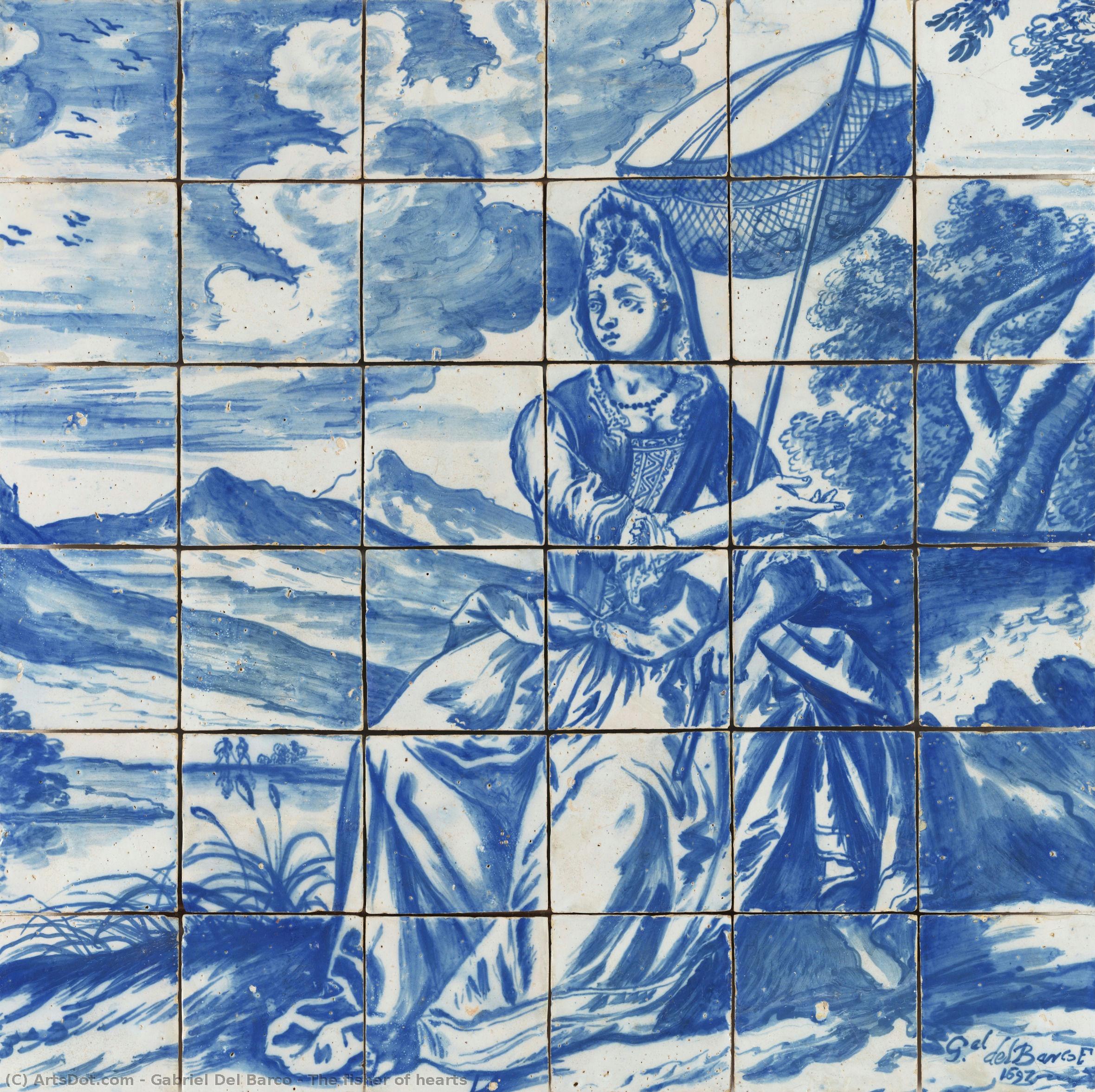
The fisher of hearts
 Painting
- Baroque
 1697
1697- Early Modern
 86.0 x 86.0 cm
 Museo Nacional del Azulejo
 Ver más
Reproducción al óleo hecha a mano
Óleo sobre lienzo pintado a mano en el tamaño y marco de su elección, realizado por encargo por nuestros artistas. ( Comprar impresión Comprar imagen)




P118B $10

P118H $10

P118W $10

P438Z $10

P508JH $12

P508YH $12

P805H $10

P805Z $10

P919BZ $10

P919G $10

P919XJ $10

P959ZH $10

P968JZ $12

W106C $8

W218G $10

W218JH $8

W218Y $10

W307PJ $10

W316G $10

W316PJ $8

W316Y $10

W398PJ $8

W4111J $10

W500HY $15

W500JH $15

W692G $12

W849H $8

W940BG $15

W953PJ $8




Elija entre nuestros tamaños predefinidos que respetan las proporciones originales de la obra.

Puede ingresar sus propias dimensiones para adaptarse a un marco o espacio específico. Si el tamaño seleccionado no coincide con las proporciones de la imagen original, recortaremos la obra o extenderemos la pintura con elementos adicionales pintados a mano. Se le enviará una maqueta digital para su aprobación antes de comenzar la producción.
Tenga en cuenta que la vista previa en pantalla no refleja el recorte o la extensión reales. Solo la maqueta mostrará con precisión la composición final.
Si bien existen tamaños personalizados, recomendamos seleccionar una dimensión de la lista predefinida para preservar las proporciones originales.
Tras realizar el pedido, el equipo de ArtsDot.com enviará un correo electrónico al cliente para solicitar instrucciones y proporcionarle una vista previa del boceto.
Envío a todo el mundo () en 3-4 semanas en lugar de las 5 semanas estándar. (1 septiembre). Sin comprometer la calidad.

Envío exprés gratuito a todo el mundo

Lienzo de lino de alta calidad

Seguro de envío total

Garantía de reembolso de impuestos aduaneros

Garantía de fidelidad cromática exacta

Política de devolución de 60 días (solo por defectos)

Garantía de devolución del 100% del dinero

Descuento por cantidad
 La opción de vidrio solo está disponible en tamaños inferiores a 110 cm.

The fisher of hearts
Técnica de reproducción
Dimensiones de la reproducción
-


Precio total final
$ 263
A Serene Encounter with the Baroque Soul
In the quiet depths of late seventeenth-century artistry, few works capture the delicate balance between human solitude and the natural world as poignantly as "The Fisher of Hearts". Painted in 1697 by the Spanish-born master Gabriel del Barco, this piece invites the viewer into a dreamlike realm where time seems to suspend its forward march. The composition centers on a woman seated in a moment of profound stillness, her legs crossed in a posture of contemplative repose. As she cradles what appears to be a large basket or perhaps an ornate umbrella, she becomes an anchor for the eye amidst a swirling, ethereal landscape. The painting is bathed in a palette of melancholic yet soothing blue tones, creating a vintage atmosphere that feels less like a captured moment and more like a cherished memory resurfacing from the mists of history.
The technique employed by del Barco reveals his profound mastery of light and texture, hallmarks of the Baroque era. Through subtle gradations of pigment, he breathes life into the fabric of the woman's surroundings, allowing the cool blues to recede and advance to create a sense of atmospheric depth. This mastery of perspective—a skill that would later make him famous for his monumental ceiling paintings in Lisbon—is utilized here on a more intimate scale. The scattered birds that dance throughout the scene are not merely decorative elements; they are brushstrokes of life, adding a rhythmic vitality to the composition. Each bird serves as a delicate punctuation mark in a larger visual poem, guiding the viewer's gaze across the canvas and reinforcing the painting's connection to the untamed beauty of nature.
Symbolism and the Emotional Resonance of Stillness
Beyond its aesthetic splendor, "The Fisher of Hearts" carries a weight of symbolic meaning that resonates deeply with the human condition. The title itself suggests a metaphorical pursuit—the idea of seeking emotional connection or "fishing" for affection within the vast, often lonely expanse of existence. The woman’s seated position, grounded and unmoving, contrasts beautifully with the flight of the birds, representing the intersection of earthly stability and spiritual transcendence. For the collector or the interior designer, this piece offers more than just visual appeal; it provides an emotional sanctuary. It is a work that speaks to the desire for peace in a chaotic world, making it an ideal centerpiece for spaces dedicated to reflection, such as a quiet study, a library, or a serene bedroom.
Integrating a high-quality reproduction of this masterpiece into a contemporary interior allows for a sophisticated dialogue between historical grandeur and modern elegance. The cool tones and soft textures of the painting complement various design aesthetics, from classical European styles to more minimalist, modern settings. As an art piece, it functions as a window into the 1690s, bringing the refined craftsmanship of Gabriel del Barco into the modern home. To possess such a work is to hold a fragment of the Baroque spirit—a reminder that even in stillness, there is a profound and beautiful movement of the heart.
Obras relacionadas
Biografía del artista
Gabriel del Barco: A Lisbon Visionary
Gabriel del Barco (born Madrid, Spain) remains a figure shrouded in relative obscurity compared to his contemporaries, yet his contribution to Portuguese Baroque art is undeniable. Emerging around 1669 in Lisbon, he swiftly established himself as a celebrated painter of ceilings – a skill that would propel him to international renown – and later transitioned into the intricate craft of tile painting, leaving behind a legacy of vibrant color and masterful perspective. While biographical details beyond his arrival in Portugal are scarce, his impact on Portuguese artistic heritage is profound, particularly exemplified by his monumental panoramic depiction of Lisbon. Early Life & Training: Precise information regarding del Barco’s formative years remains elusive. He honed his artistic talents under the tutelage of Virgilio Barco Senior, a prominent Baroque painter himself, inheriting a tradition of dramatic illusionism and meticulous detail. This lineage instilled in him the foundational principles of Baroque painting—a preoccupation with grandeur, emotion, and the skillful manipulation of light to create illusions of depth and realism. Lisbon Years & Ceiling Paintings: Del Barco's relocation to Lisbon coincided with an explosion of artistic creativity. He quickly gained recognition for his ambitious ceiling commissions, employing techniques honed by Barco Senior to create breathtaking vistas that captured the grandeur of the city before the devastating earthquake of 1755. These paintings are characterized by their expansive scale and masterful use of atmospheric perspective—a hallmark of Baroque art—effectively transporting viewers into a meticulously rendered representation of Lisbon’s urban landscape. Imagine gazing upon canvases stretching across entire rooms, depicting palaces adorned with opulent decorations and bustling streets teeming with life; these ceilings weren't merely decorative but served as powerful statements of royal authority and artistic prowess. Tile Painting & Decorative Art: Beyond ceilings, del Barco excelled in tile painting, producing stunning decorative panels that showcased his exceptional skill and artistic vision. His work exemplifies the Portuguese azulejo tradition—a technique involving glazed ceramic tiles meticulously assembled to create intricate patterns and murals—demonstrating a mastery of color and composition. The azulejos produced by Del Barco are renowned for their luminous hues and complex geometric designs, reflecting the meticulous craftsmanship demanded by this venerable art form. These panels adorn churches and palaces alike, transforming surfaces into canvases of vibrant artistry. The Grand Panorama of Lisbon: Arguably del Barco’s most enduring achievement is “The Grand Panorama of Lisbon,” commissioned by the Royal Family. Measuring an impressive 2.2 meters in length, this monumental artwork stands as one of Portugal's foremost treasures within the National Azulejo Museum. It captures a panoramic view of Lisbon encompassing Ribeira Royal Palace and Belém, offering an unparalleled glimpse into the city’s architectural splendor and cultural vibrancy prior to the catastrophic earthquake. The painting skillfully utilizes perspective—a technique pioneered by Del Barco—to convey a sense of depth and realism, transporting viewers back in time to experience Lisbon as it existed before the seismic upheaval that reshaped its destiny. Legacy & Influence: Although del Barco disappeared from artistic circles after 1701, his influence persisted through subsequent generations of Portuguese painters. His pioneering use of atmospheric perspective and his dedication to capturing monumental landscapes cemented his place as a pivotal figure in Baroque art history—a testament to the enduring power of visual storytelling and artistic innovation. He established himself as one of Portugal’s most celebrated ceiling painters and tile artists, leaving an indelible mark on the nation's artistic heritage.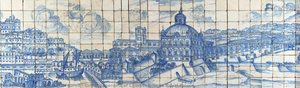
Gabriel Del Barco
España
Datos clave
- Artistic Movement Or Style: Barroco
- Date Of Birth: (Madrid)
- Date Of Death: Living
- Full Name: Gabriel del Barco
- Nationality: Español
- Notable Artworks: ['El Gran Panorama de Lisboa']
- Place Of Birth: Madrid, España
Artículos relacionados
Las 10 Obras Maestras del Azul Pizarra: Arte, Historia y Decoración
Descubre las 10 pinturas más famosas dominadas por el azul pizarra. Explora la historia, técnica y belleza de Monet, Van Gogh y otros maestros. Encuentra reproducciones de arte exclusivas para decorar tu hogar en .
Los 10 Cuadros Más Famosos en Tonos 'Hongo': Arte, Historia y Decoración
Descubre los 10 cuadros más emblemáticos en tonos tierra y ocres. Explora la historia, artistas como Monet y Van Gogh, e inspírate para decorar con arte atemporal. Reproducciones de museo en .
The Allure of Azure: Exploring the Symbolic & Aesthetic Depths of Blue in Art History
Explore the rich history of blue in art! Discover its symbolism, from ancient pigments to modern masterpieces by Kandinsky & Seurat. Uncover the psychological impact and cultural meanings behind this captivating hue.
Los 10 Cuadros Más Famosos en Tonos Arena: Historia y Decoración con Arte
Descubre los 10 cuadros más emblemáticos en tonos arena, desde Monet a Van Gogh. Explora la historia del arte impresionista y encuentra inspiración para decorar con obras maestras atemporales. Reproducciones de museo en .
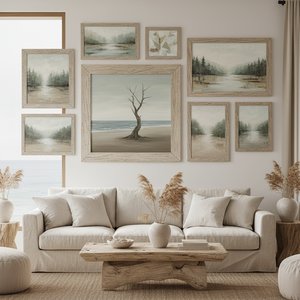
Los 10 Pinturas Más Famosas en Tonos 'Madera a la Deriva': Arte y Decoración Exclusiva
Descubre los 10 cuadros más famosos en tonos 'madera a la deriva', desde Van Gogh hasta Monet. Explora su historia, técnica y significado. Encuentra reproducciones de arte exclusivas para decorar tu hogar con .

