

 Ver en contexto
 Enviar
 Compartir
 Detalles

 Descargar
 Similares
 Radiografía
 Presentación de diapositivas
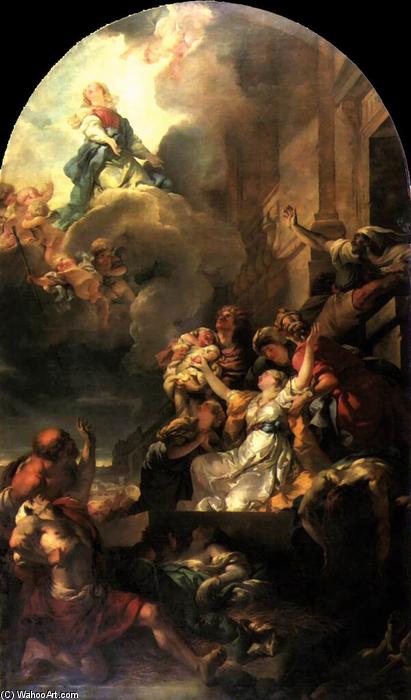
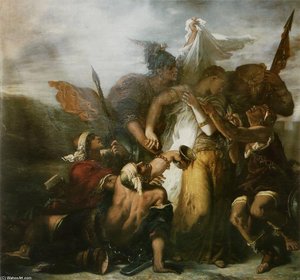
The Miracle of The Fervent
 Baroque
 665.0 x 450.0 cm
 Église Saint-Roch
 Ver más
Adquiera una imagen digital de alta resolución y optimizada, muy superior a la vista previa en línea.
Cada archivo es preparado meticulosamente por nuestros especialistas internos mediante el uso de herramientas avanzadas y un experto retoque manual. Nos aseguramos de que cada imagen posea una claridad excepcional, una precisión cromática impecable y un detalle minucioso.
El archivo final se entrega por correo electrónico en un plazo de 72 horas, optimizado para su uso inmediato en entornos profesionales, editoriales y de impresión. Esta es la misma calidad en la que confían los estudios de diseño, las editoriales y las galerías de primer nivel.
Imagen Digital
Descarga un archivo de alta resolución para exhibición personal, impresión y proyectos creativos. ( Comprar impresión Comprar pintura hecha a mano)
Incluido en cada pedido de imágenes digitales
Entrega digital experta, garantizada.
Al elegir ArtsDot.com, no solo está adquiriendo una imagen; está recibiendo una obra de arte digital mejorada profesionalmente, elaborada con precisión y respaldada por una garantía de satisfacción. Esto es todo lo que incluye su pedido, automáticamente:

Entrega rápida por email
Recibirá su archivo de imagen digital en alta resolución por correo electrónico en un plazo de 72 horas tras realizar su pedido, listo para su uso inmediato.

Archivo digital optimizado por IA
Su obra de arte se optimiza profesionalmente mediante herramientas avanzadas de IA y edición manual, garantizando el máximo detalle, claridad y precisión cromática.

Reenvío gratuito de por vida
¿Has borrado o perdido tu archivo por error? No te preocupes: te lo volveremos a enviar en cualquier momento, sin coste adicional.

Sin gastos de importación, siempre
Disfrute de su obra de arte al instante sin aduanas, aranceles ni gastos de envío; las descargas digitales siempre están libres de impuestos.

Garantía de fidelidad de color
Garantizamos que su imagen digital refleje los colores originales con la mayor fidelidad posible, mediante el uso de herramientas profesionales y gestión del color.

Garantía de satisfacción de 100 días
Si no está satisfecho con su imagen digital, la revisaremos o le reembolsaremos el 100% en un plazo de 100 días, sin preguntas.

100% Garantía de devolución de dinero
¿No está satisfecho? Obtenga un reembolso completo dentro de los 100 días posteriores a la recepción de su archivo digital, sin preguntas.

Descuentos por pedidos grandes
Compra 3 imágenes, ahorra 10% - Compra 5, ahorra 15% - Compra 10+, ahorra 20%. Ideal para proyectos creativos, galerías y agencias.
Obras relacionadas


Biografía del artista
Gabriel François Doyen: The Venetian Echoes of Dramatic History
Gabriel François Doyen (1726-1806) stands as a pivotal figure in French Baroque painting, remembered for his monumental canvases depicting biblical narratives and mythological scenes imbued with theatrical grandeur. Born in Paris amidst the burgeoning artistic fervor of the Enlightenment, Doyen’s path to renown was marked by defiance against familial expectations – he pursued art despite his father's disapproval, embarking on formal training at the tender age of twelve under the tutelage of Charles-André van Loo, a leading sculptor and painter of the royal court. This early exposure instilled in him a disciplined approach that swiftly yielded impressive results; by twenty, he secured the prestigious Grand Prix de Rome, propelling him to Florence where he immersed himself in the artistic legacy of Caravaggio and Bernini.- Early Influences: Doyen’s formative years witnessed a profound engagement with the Baroque masters, particularly Caravaggio's dramatic chiaroscuro technique—a masterful manipulation of light and shadow that sought to heighten emotional impact—and Bernini’s sculptural dynamism—characterized by soaring forms and expressive gestures. These influences would permeate his subsequent oeuvre, shaping his stylistic sensibilities and informing his artistic vision.
The Grand Prix de Rome & Florentine Studies
Winning the Grand Prix de Rome afforded him unparalleled access to artistic scholarship and provided invaluable experience in tackling ambitious projects. The competition demanded meticulous observation of classical ideals—a cornerstone of Renaissance art—and honed Doyen’s technical skills, preparing him for the challenges ahead. His time in Florence solidified his understanding of humanist principles and fostered a deep appreciation for the aesthetic achievements of antiquity. He diligently studied the works of Michelangelo Buonarroti and Raffaello Sanzio Urbino, absorbing their compositional strategies and stylistic refinements—skills that would prove instrumental in shaping his own artistic style.- Classical Inspiration: Doyen’s Florentine studies instilled in him a reverence for classical sculpture and architecture, influencing his approach to painting and elevating the grandeur of his compositions.
Venetian Colorism and Artistic Transformation
A decisive turning point arrived during Doyen’s journey to Venice between 1752 and 1755 – a city renowned for its vibrant color palette and masterful pigmentists. This visit irrevocably altered his artistic sensibilities, exposing him to the revolutionary approach championed by Titian and Tintoretto. Unlike the prevailing monochrome tendencies of Parisian painting at the time—a stylistic preference that prioritized subtlety and restraint—Venetian artists prioritized luminous hues and textural richness, prioritizing emotional impact over strict adherence to academic conventions. Doyen recognized the transformative potential of Venetian colorism—a bold departure from established artistic norms—and embraced it wholeheartedly. He meticulously analyzed Tintoretto’s paintings, dissecting how he achieved unparalleled luminosity and depth through masterful layering of pigments—a technique that would become a hallmark of his distinctive style. This newfound appreciation for color resonated with the burgeoning Romantic movement in France, foreshadowing its expressive fervor and signaling a pivotal moment in artistic history.- Tintoretto’s Influence: Doyen's fascination with Tintoretto’s dramatic compositions—characterized by swirling figures and theatrical gestures—served as an inspiration for his own work, elevating the expressive power of his paintings.
Return to Paris & Recognition Amidst Artistic Debate
Upon his return to Paris in 1758, Doyen faced initial skepticism from Parisian critics who questioned the merits of Venetian colorism and perceived it as antithetical to French artistic tradition. However, unwavering determination fueled by a singular ambition—to establish himself as a celebrated artist—propelled him forward. His breakthrough came with “The Miracle of The Fervent,” an emotionally charged depiction of Shakespeare’s tragic heroine – a painting that captivated audiences and secured his admission into the Académie Royale de Peinture et Sculpture. This success solidified his reputation and cemented his place within the artistic landscape of his era. Notably, “Le Miracle des Ardents,” commissioned for Saint Geneviève Church in St Roch, exemplifies this stylistic decision; its dramatic staging and masterful use of color resonate with the aesthetic sensibilities of Romantic painters like Théodore Géricault—a connection that art historian Michael Levey has termed "the high point" of Doyen’s career. As Levey eloquently observes, Doyen’s work anticipates “the drama of the piece may be a precursor to that which characterises the french romantic painting of the 19th century.”- Rubensian Echoes: Like Rubens before him, Doyen sought to convey profound emotional truths through dynamic compositions—a stylistic choice that foreshadowed the Romantic movement’s emphasis on expressive intensity.
Legacy & Historical Significance
Doyen's artistic legacy extends beyond his individual masterpieces; he stands as a crucial conduit between Baroque grandeur and Romantic fervor. His Venetian style foreshadowed the stylistic innovations of the Romantic movement, demonstrating how artists could harness color and dramatic composition to convey profound emotional truths—a contribution that continues to inspire artists today. He is remembered not merely for his technical prowess but also for his unwavering commitment to artistic excellence—a testament to his enduring influence on French art history.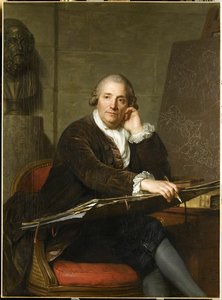
Gabriel François Doyen
1726 - 1806 , Francia
Breves datos
- Artistic Movement Or Style: Barroco y Colorismo Veneciano
- Artists Or Movements Influenced By This Artist: ['Romanticismo']
- Artists Who Influenced This Artist:
- Charles André Vanloo
- Rubens
- Titian
- Date Of Birth: 20 de mayo de 1726
- Full Name: Gabriel François Doyen
- Nationality: Francés
- Notable Artworks: ['El Milagro de los Ardentes']
- Place Of Birth: París, Francia