 Ver en contexto
 Enviar
 Compartir
 Detalles

 Descargar
 Similares
 Radiografía
 Presentación de diapositivas
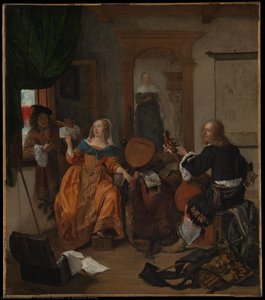
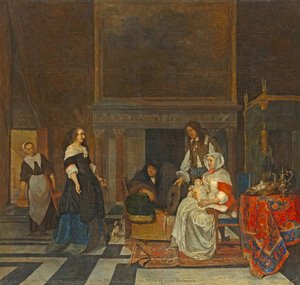
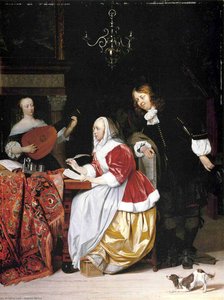
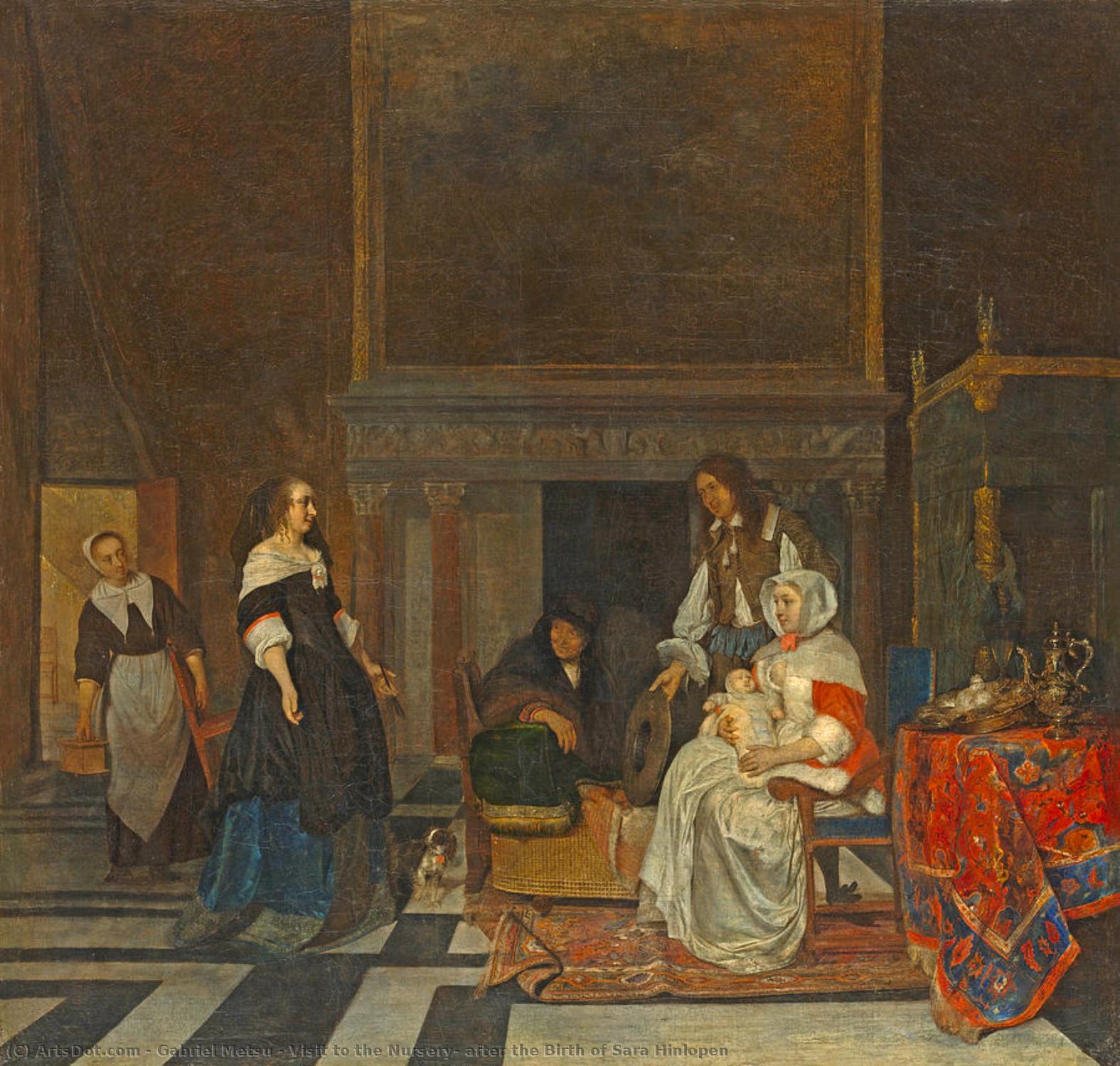
Visita a la Guardería, después del Nacimiento de Sara Hinlopen


 Ver más
Reproducción al óleo hecha a mano
Óleo sobre lienzo pintado a mano en el tamaño y marco de su elección, realizado por encargo por nuestros artistas. ( Comprar impresión Comprar imagen)




P118B $10

P118H $10

P118W $10

P438Z $10

P508JH $12

P508YH $12

P805H $10

P805Z $10

P919BZ $10

P919G $10

P919XJ $10

P959ZH $10

P968JZ $12

W106C $8

W218G $10

W218JH $8

W218Y $10

W307PJ $10

W316G $10

W316PJ $8

W316Y $10

W398PJ $8

W4111J $10

W500HY $15

W500JH $15

W692G $12

W849H $8

W940BG $15

W953PJ $8




Elija entre nuestros tamaños predefinidos que respetan las proporciones originales de la obra.

Puede ingresar sus propias dimensiones para adaptarse a un marco o espacio específico. Si el tamaño seleccionado no coincide con las proporciones de la imagen original, recortaremos la obra o extenderemos la pintura con elementos adicionales pintados a mano. Se le enviará una maqueta digital para su aprobación antes de comenzar la producción.
Tenga en cuenta que la vista previa en pantalla no refleja el recorte o la extensión reales. Solo la maqueta mostrará con precisión la composición final.
Si bien existen tamaños personalizados, recomendamos seleccionar una dimensión de la lista predefinida para preservar las proporciones originales.
Tras realizar el pedido, el equipo de ArtsDot.com enviará un correo electrónico al cliente para solicitar instrucciones y proporcionarle una vista previa del boceto.
Envío a todo el mundo () en 3-4 semanas en lugar de las 5 semanas estándar. (28 agosto). Sin comprometer la calidad.

Envío exprés gratuito a todo el mundo

Lienzo de lino de alta calidad

Seguro de envío total

Garantía de reembolso de impuestos aduaneros

Garantía de fidelidad cromática exacta

Política de devolución de 60 días (solo por defectos)

Garantía de devolución del 100% del dinero

Descuento por cantidad
 La opción de vidrio solo está disponible en tamaños inferiores a 110 cm.

Visita a la Guardería, después del Nacimiento de Sara Hinlopen
Técnica de reproducción
Dimensiones de la reproducción
-


Precio total final
$ 263
La Visita al Cuarto de la Bebé, Tras el Nacimiento de Sara Hinlopen: Un Reflejo de Familia y Melancolía
Gabriel Metsu’s “Visit to the Nursery, after the Birth of Sara Hinlopen,” painted in 1661, is more than just a depiction of a domestic scene; it's a poignant meditation on family, new life, and the quiet melancholy that often accompanies such momentous occasions. This remarkable work, now meticulously reproduced by ArtsDot.com, offers a rare glimpse into the private world of a wealthy Dutch household during the height of the Golden Age. The painting immediately draws the viewer in with its soft light, muted colors, and the palpable sense of intimacy it conveys – a feeling that transcends mere observation and invites us to become silent witnesses to this fleeting moment.
Metsu’s style defies easy categorization, earning him the reputation as an “eclectic artist.” He wasn't bound by rigid conventions, instead absorbing influences from various artistic traditions. This is particularly evident in his masterful use of light and shadow, reminiscent of Caravaggio but tempered with a distinctly Dutch sensibility. The scene unfolds within a modestly furnished room – a dining table laden with simple objects, a chair positioned for comfort, and a bowl holding fruit. These details aren’t merely decorative; they speak to the everyday realities of life in 17th-century Holland, where even moments of celebration were characterized by understated elegance.
El Contexto Histórico y la Vida de un Artista Enigmático
The painting's subject matter – a visit to the nursery following a birth – was a common motif in Dutch art during this period. It reflected a societal emphasis on family values, piety, and the importance of nurturing children. However, Metsu’s approach is notably restrained. There are no grand gestures or overt displays of joy; instead, we observe a quiet gathering, filled with an undercurrent of subdued emotion. This restraint is further emphasized by the figures themselves – they are not dramatically posed but rather engaged in simple acts: holding the baby, offering comfort, and observing the scene.
Gabriel Metsu’s life remains shrouded in mystery. Born in Leiden in 1629 to a tapestry worker and painter, his artistic lineage likely played a significant role in shaping his early interests. He spent much of his career working as an assistant to other artists before establishing himself as an independent practitioner. Remarkably, only fourteen of his estimated 133 works are definitively attributed to him, adding to the intrigue surrounding this enigmatic figure. His brief but impactful career demonstrates a remarkable ability to capture fleeting moments and imbue them with profound emotional resonance.
Técnica y Simbolismo: La Luz y la Melancolía
Metsu’s technical skill is evident in his meticulous attention to detail, particularly in the rendering of fabrics and textures. The folds of the clothing, the sheen of the fruit on the table, and the delicate features of the figures are all rendered with remarkable precision. However, it's not merely technical proficiency that defines Metsu’s work; it is his ability to evoke atmosphere and emotion through subtle variations in light and color. The soft, diffused light bathing the scene creates a sense of intimacy and tranquility, while the muted palette – dominated by browns, grays, and ochres – contributes to the overall feeling of melancholy.
Symbolically, the painting invites interpretation. The baby represents new life and hope, but also vulnerability and dependence. The woman holding the child embodies nurturing and care, while the other figures represent the extended family network that supports the new mother. The bowl of fruit could symbolize abundance and prosperity, yet its placement in a simple room suggests a deliberate restraint, hinting at the challenges inherent in raising a child. The overall composition subtly conveys a sense of quiet contemplation – a recognition of the beauty and fragility of life.
Reproducciones de Alta Calidad: Capturando la Esencia de Metsu
ArtsDot.com is proud to offer meticulously crafted reproductions of “Visit to the Nursery, after the Birth of Sara Hinlopen.” Utilizing state-of-the-art digital printing techniques and archival-quality materials, our reproductions faithfully capture the painting’s original nuances – from the subtle gradations of light and shadow to the delicate textures of the fabrics. Whether you are an art enthusiast, a collector seeking to expand your collection, or simply looking for a stunning piece of artwork to enhance your interior space, our reproduction provides an authentic and accessible way to experience the timeless beauty and emotional depth of Gabriel Metsu’s masterpiece.
Obras relacionadas
Biografía del artista
Una Vida de Exploración Artística: Gabriël Metsu
- Nacimiento: Leiden, Países Bajos (1629)
- Fallecimiento: 1667
Primeros Años e Influencias
Gabriël Metsu vivió una vida marcada por la exploración artística y la innovación. Nacido en 1629, era hijo de Jacques Metsu, un fabricante de tapices y pintor originario de Hainault. Este trasfondo diverso probablemente influyó en su temprano interés en diversas técnicas artísticas. La mudanza familiar a Leiden lo expuso a numerosas influencias culturales.
Carrera Artística: Un Estilo Ecléctico
La carrera de Metsu se caracterizó por una adhesión a ningún estilo o técnica única, ganándose el título de "un artista altamente ecléctico". Su obra abarcó pinturas históricas, bodegones, retratos y obras de género. Notablemente, solo 14 de sus 133 obras conocidas están fechadas, lo que deja mucho por descubrir sobre su proceso creativo.
- Primeras Influencias: La influencia de Rembrandt van Rijn en la obra temprana de Metsu es evidente en su uso de la luz y el color.
- Período de Ámsterdam (a partir de 1655): Su traslado a Ámsterdam marcó un cambio hacia interiores domésticos y escenas de género, con mayor énfasis en el detalle y el realismo.
- Formación y Mentoría: Formó a Michiel van Musscher y Joost van Geel, lo que refleja su compromiso con la comunidad artística.
Obras Notables y Desarrollo Artístico
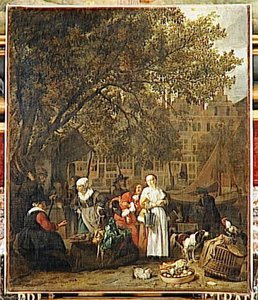
Las pinturas de Metsu a menudo presentaban mujeres jóvenes, escenas de mercado y ancianos, basándose en los emblemas populares de la época. Su estilo evolucionó a lo largo de su carrera, demostrando un dominio de diversas técnicas.
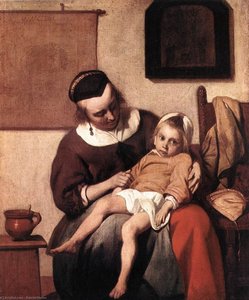
- El Niño Enfermo (c. 1664): Esta obra refleja la admiración de Metsu por el meticuloso detalle y el uso de la luz de Johannes Vermeer.
- Retrato de la Familia Hinlopen: Una obra maestra que combina la pintura de género con el retrato, mostrando su capacidad para capturar tanto el carácter individual como la vida doméstica.
- El Hijo Pródigo (c. 1640): Demuestra una influencia barroca con su composición dramática y ricos detalles.
- Temas Recurrentes: Metsu representó frecuentemente escenas de la vida cotidiana, a menudo imbuídas de significado simbólico.
Significado Histórico y Legado
El legado de Gabriël Metsu reside en su versatilidad y contribución a la Edad de Oro holandesa. Su estilo ecléctico, aunque a veces enigmático, influyó en generaciones posteriores de artistas. Hoy en día, sus obras se conservan en prestigiosos museos de todo el mundo.
- Pintor de la Edad de Oro Holandesa: Es reconocido como una figura significativa dentro del vibrante panorama artístico del siglo XVII neerlandés.
- Colecciones de Museos: Sus pinturas se pueden encontrar en varios museos, incluido el Rijksmuseum de Ámsterdam.
- Apreciación Continua: El arte de Metsu continúa fascinando e inspirando a los espectadores con su realismo, detalle y sutiles narrativas.
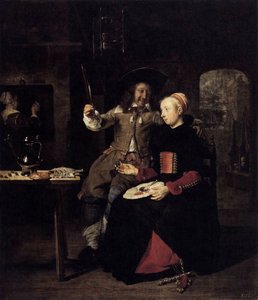
Gabriel Metsu
1629 - 1667 , Países Bajos
Datos clave
- Artistas Que Influyeron: ['Rembrandt van Rijn']
- Fecha De Fallecimiento: 1667
- Fecha De Nacimiento: 1629
- Lugar De Nacimiento: Leiden, Países Bajos
- Movimiento Artístico: Edad de Oro Holandesa
- Nacionalidad: Holandés
- Nombre Completo: Gabriël Metsu
- Obras Notables:
- El niño enfermo
- Retrato de la familia Hinlopen
- Vendedora de aves de corral
- La escritora sorprendida
- El hijo pródigo
Artículos relacionados

Los 10 Maestros del Siglo de Oro Holandés: Arte, Historia y Decoración Exclusiva
Descubre los 10 imprescindibles del Siglo de Oro Holandés: Rembrandt, Vermeer y más. Explora la historia, técnica y belleza de estos lienzos clásicos. Encuentra reproducciones de arte exclusivas para decorar tu hogar en .

Reflejos de una Época Dorada: La Pintura Barroca Holandesa y la Innovación Cultural
Descubra la riqueza y el detalle de la pintura barroca holandesa del Siglo de Oro. Explore las obras maestras de Rembrandt, Vermeer y otros artistas clave. Análisis experto e historia cultural.

La Luz y la República: Innovación Artística en el Siglo de Oro Neerlandés
Descubra la innovación artística del Siglo de Oro Neerlandés. Explore las obras maestras de Rembrandt y Vermeer, técnicas revolucionarias y el legado perdurable de este florecimiento cultural. ¡Sumérjase en la luz y la belleza!
Dante Gabriel Rossetti: Las 25 Obras Maestras del Prerrafaelismo | ArtsDot
Descubre las 25 obras maestras de Dante Gabriel Rossetti, el máximo exponente del Prerrafaelismo. Explora su simbolismo, retratos victorianos y la belleza femenina en lienzos inolvidables. Reproducciones de arte exclusivas en ArtsDot.com.

Los 10 Maestros del Barroco Holandés: Obras que Definen una Época | ArtsDot
Descubre los 10 imprescindibles del Barroco holandés: Rembrandt, Vermeer y más. Explora la historia, técnica y belleza de estas obras maestras. Reproducciones de arte en ArtsDot.com para decorar tu hogar con elegancia.