

 Compartir
 Compartir
 Ver detalles

 Descargar
 Ver similares
 Presentación de diapositivas
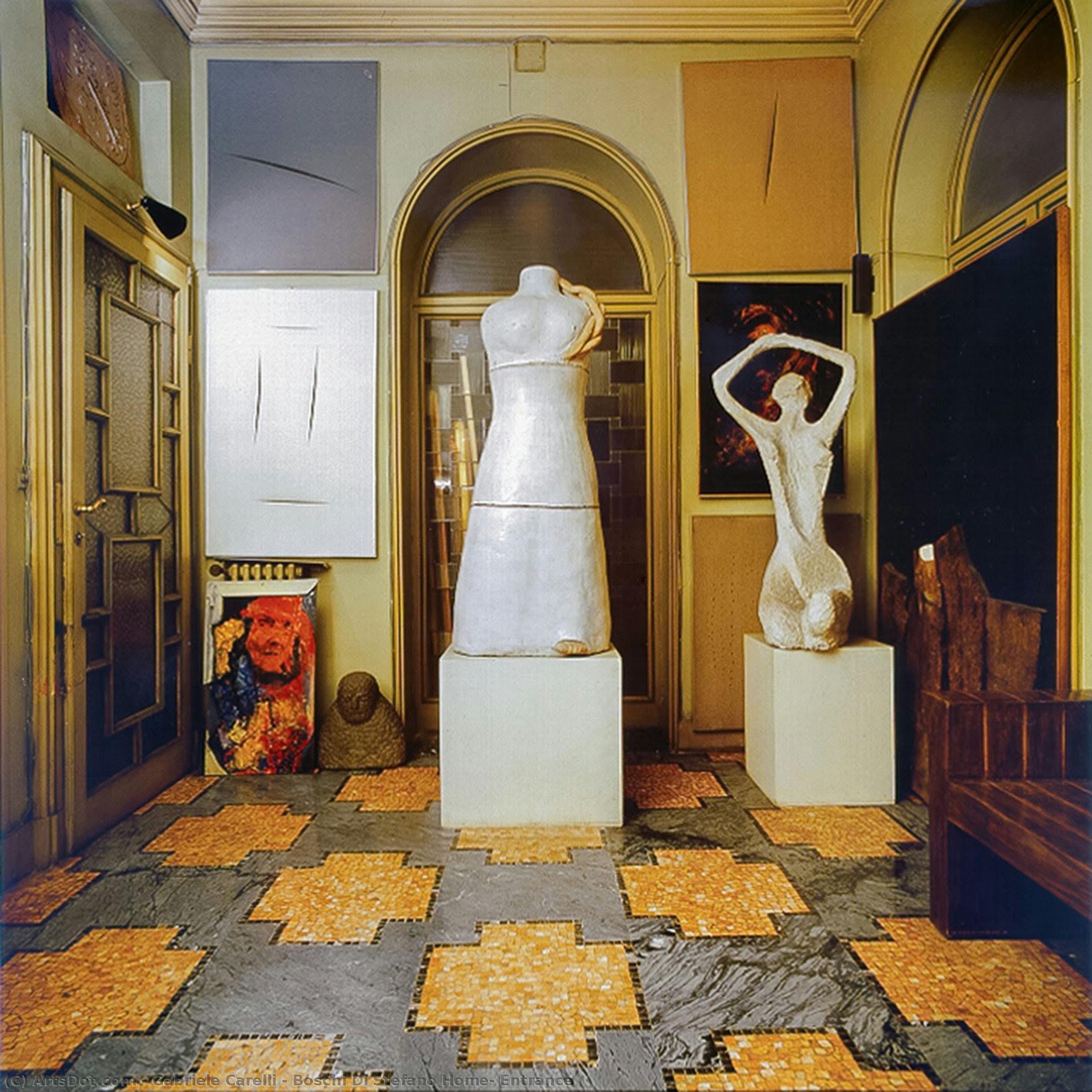
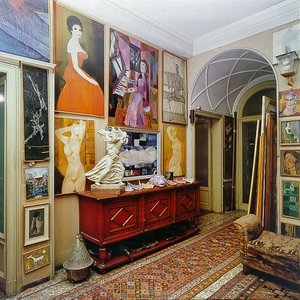
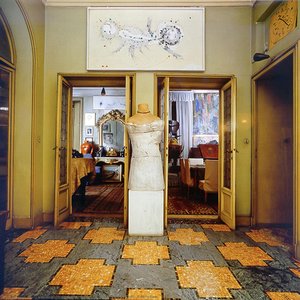
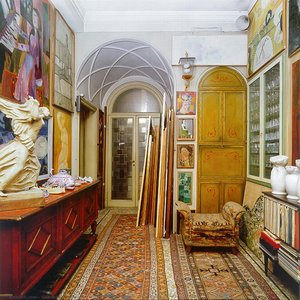
Boschi Di Stefano Home: Entrance


 Leer más
Reproducción al óleo hecha a mano
Óleo sobre lienzo pintado a mano en el tamaño y marco de su elección, realizado por encargo por nuestros artistas. ( Pedir impresión Comprar descarga)




































Elija entre nuestros tamaños predefinidos que respetan las proporciones originales de la obra.

Puede ingresar sus propias dimensiones para adaptarse a un marco o espacio específico. Si el tamaño seleccionado no coincide con las proporciones de la imagen original, recortaremos la obra o extenderemos la pintura con elementos adicionales pintados a mano. Se le enviará una maqueta digital para su aprobación antes de comenzar la producción.
Tenga en cuenta que la vista previa en pantalla no refleja el recorte o la extensión reales. Solo la maqueta mostrará con precisión la composición final.
Si bien existen tamaños personalizados, recomendamos seleccionar una dimensión de la lista predefinida para preservar las proporciones originales.
Tras realizar el pedido, el equipo de ArtsDot.com enviará un correo electrónico al cliente para solicitar instrucciones y proporcionarle una vista previa del boceto.
Envío a todo el mundo () en 3-4 semanas en lugar de las 5 semanas estándar. (21 agosto). Sin comprometer la calidad.

Envío exprés gratuito a todo el mundo

Lienzo de lino de alta calidad

Seguro de envío completo

Garantía de reembolso de aranceles aduaneros

Garantía de fidelidad cromática exacta

Política de devolución de 60 días (solo por defectos)

Garantía de devolución del 100% del dinero

Oferta por volumen
 La opción de vidrio solo está disponible en tamaños inferiores a 110 cm.

Boschi Di Stefano Home: Entrance
Técnica de reproducción
Tamaño de la reproducción
-


Precio total
$ 263
Descripción de la obra
Gabriele Carelli’s “Boschi Di Stefano Home: Entrance” – A Study in Sicilian Light and Domestic Narrative
“Boschi Di Stefano Home: Entrance,” painted by Gabriele Carelli in 1982, offers a captivating glimpse into the heart of a private residence, transformed into a tableau vivant through the artist’s discerning eye. This evocative monochrome scene transcends a simple snapshot of an interior; it's a carefully constructed meditation on light, space, and the quiet dignity of everyday objects. Carelli, born in Naples in 1821, was deeply rooted in the tradition of Posillipo landscape painting, yet he skillfully blended this heritage with elements of genre scenes, reflecting his extensive travels and observations across Italy and beyond.
- A Sicilian Vision: Carelli’s journeys, particularly his tours with the 6th Duke of Devonshire, profoundly shaped his artistic sensibilities. The influence of these experiences – encompassing Sicily, Greece, Asia Minor, and Constantinople – is palpable in “Boschi Di Stefano Home,” evidenced by a sensitivity to light and atmosphere reminiscent of the Mediterranean landscape.
- Genre and Still Life: While often associated with landscapes, Carelli frequently incorporated elements of still life and genre painting into his work. This is particularly evident here in the arrangement of the statues, mannequins, vases, and clock – objects imbued with a quiet narrative significance.
Technique and Materiality – The Artist’s Hand
Executed in black and white photography, this piece exemplifies Carelli's meticulous approach to detail and his mastery of tonal variation. The artist skillfully manipulates light and shadow to create depth and volume within the confined space. The use of mannequins, a relatively modern element within the context of 19th-century painting, adds an intriguing layer of complexity, suggesting a staged scene – perhaps a moment captured in time or a carefully curated display. The presence of three vases, strategically placed, draws attention to the formal arrangement and elevates the mundane to the level of art.
- Photographic Reproduction: ArtsDot offers a faithful hand-painted reproduction that captures not only the visual elements but also the nuanced textures and tonal qualities of Carelli’s original work.
- Traditional Painting Techniques: The reproduction employs traditional oil painting techniques, meticulously recreating Carelli's layering and blending methods to achieve a rich, atmospheric effect.
Symbolism and Emotional Resonance – A Moment Frozen
Beyond the purely visual, “Boschi Di Stefano Home: Entrance” invites contemplation on themes of domesticity, memory, and the passage of time. The clock, a recurring motif in Carelli’s work, serves as a poignant reminder of mortality and the fleeting nature of existence. The statues and mannequins, silent witnesses to this scene, evoke a sense of timelessness and invite the viewer to consider their own relationship with history and memory. The arrangement itself suggests a carefully considered space – a sanctuary or perhaps a stage for private reflection.
- Intimate Scale: The relatively small scale of the composition contributes to its intimate and contemplative mood.
- Emotional Impact: The monochrome palette enhances the emotional impact, lending a sense of melancholy and quiet beauty to the scene.
Collecting and Display – Bringing Carelli’s Vision Home
This reproduction offers an exceptional opportunity to bring Gabriele Carelli's artistic vision into your home or office. Whether you are an admirer of 19th-century Italian art, a collector seeking unique pieces with historical significance, or an interior designer aiming to create a sophisticated and evocative space, “Boschi Di Stefano Home: Entrance” is sure to captivate and inspire.
Obras relacionadas




Biografía del artista
Early Life and Artistic Foundations
Gabriele Carelli, a name synonymous with the evocative beauty of Italian landscapes, was born in Naples in 1821. His lineage carried within it a rich artistic heritage; his father, Raffaele Carelli, was himself a respected painter associated with the prestigious “Scuola di Posillipo,” a loose collective of artists dedicated to capturing the sublime essence of the Neapolitan countryside. Gabriele’s formative years were deeply intertwined with this familial legacy, absorbing not only technical skills but also a profound appreciation for the region's light, color, and atmospheric qualities. His early training was primarily under his father, providing him with a solid foundation in traditional painting techniques – watercolor being particularly central to his developing style. This initial immersion instilled within him a sensitivity to detail and an understanding of how to translate the fleeting beauty of nature onto canvas.The Influence of the School of Posillipo and Early Travels
Gabriele’s artistic journey was inextricably linked to the “Scuola di Posillipo.” This influential group, centered in Naples, championed a distinct approach to landscape painting – one that prioritized capturing the *feeling* of a place rather than merely replicating its visual appearance. They sought to portray the light and atmosphere with an immediacy and emotional resonance, often employing loose brushstrokes and vibrant color palettes. Raffaele Carelli’s connections within this circle proved invaluable, exposing Gabriele to innovative techniques and artistic philosophies. Crucially, in 1847, Gabriele embarked on a significant chapter of his career: he accompanied the 6th Duke of Devonshire on a grand tour encompassing Sicily, Greece, Asia Minor, and Constantinople. This immersive experience dramatically broadened his artistic horizons, introducing him to diverse landscapes – from the sun-drenched shores of the Mediterranean to the rugged mountains of Anatolia. The meticulous watercolors he produced during this period are testaments to his ability to quickly capture the essence of a scene and convey its unique character.Notable Works and Royal Patronage
Gabriele Carelli’s artistic output spanned several decades, characterized by a consistent focus on landscape painting. He was particularly celebrated for his watercolor works, which possessed a remarkable luminosity and immediacy. Among his most recognized pieces are the watercolors of “Ruins of Paestum,” currently housed in the Palace of Capodimonte in Naples, and "Inside the Sacristy of the Church of S. Maria del Parto with a Monument to Jacopo Sannazzaro," also held within the palace’s collection. His work gained considerable recognition during his time in London, where he exhibited frequently from 1866 until 1892. It was during this period that he caught the eye of Queen Victoria herself, who became a devoted patron. This royal endorsement significantly elevated his profile and ensured that his paintings would be included in the prestigious Royal Collection at Osborne House and Windsor Castle – a testament to their enduring beauty and artistic merit.Legacy and Artistic Significance
Gabriele Carelli’s contribution to Italian landscape painting is significant, not only for his individual talent but also for his association with the “Scuola di Posillipo.” He helped to solidify this group's distinctive style, characterized by its emphasis on capturing atmosphere and emotion. His work stands as a beautiful example of 19th-century plein air painting, reflecting both the influence of Italian artistic traditions and the broader European trends of the time. He skillfully blended observation with imagination, creating landscapes that are not merely representations but rather evocative glimpses into the soul of Italy. Gabriele Carelli passed away in 1900, leaving behind a rich legacy of watercolor paintings that continue to captivate viewers with their beauty and sensitivity. His work remains an important part of the artistic heritage of Naples and beyond.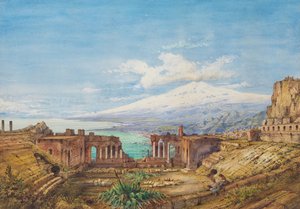
Gabriele Carelli
1821 - 1900 , Italia
Datos clave
- Artistic Movement Or Style: Escuela de Posillipo
- Artists Or Movements Influenced By This Artist: ['Escuela de Posillipo']
- Artists Who Influenced This Artist: ['Raffaele Carelli']
- Date Of Birth: 1821 Nápoles, Italia
- Date Of Death: 1900
- Full Name: Gabriele Carelli
- Nationality: Italiano
- Notable Artworks:
- Interior sacristía
- Ruinas Paestum
- Place Of Birth: Nápoles, Italia
Artículos relacionados

Blanco Sublime: Los 10 Cuadros Más Famosos Dominados por la Luz y el Color
Descubre los 10 cuadros blancos más emblemáticos de la historia del arte. Explora Monet, Van Gogh y Klimt, y su magistral uso de la luz y el color. Encuentra reproducciones de alta calidad e inspírate para tu decoración en .

Las 10 Pinturas Más Famosas Dominadas por el Negro | Arte y Decoración
Descubre las 10 pinturas más impactantes dominadas por el negro. Explora obras maestras de Rembrandt, Goya y Rothko, su historia y significado. Encuentra reproducciones de arte exclusivas para transformar tu hogar en .

Monochrome Visions: Exploring the Aesthetic & Historical Significance of Black & White Photography
Explore the rich history & artistic power of black and white photography. From early techniques to iconic masters like Ansel Adams, discover why monochrome continues to captivate art lovers today. Expert insights for collectors.

La Elegancia del Blanco y Negro: Transformando Fotografías en Obras de Arte Clásicas Atemporales
Transforme sus fotos en obras de arte clásicas con ArtsDot. Reproducciones artesanales de alta calidad, retratos personalizados y un legado visual atemporal. Confíe en nuestros artistas expertos para crear una pieza única e inolvidable.

The Subtleties of White: Exploring Absence, Light & Symbolism in Art History
Explore the profound symbolism & history of white in art! From ancient purity to modern abstraction, discover how artists have used absence & light. Expert insights from ArtsDot.

