

 Ver en contexto
 Enviar
 Compartir
 Detalles

 Descargar
 Similares
 Radiografía
 Presentación de diapositivas
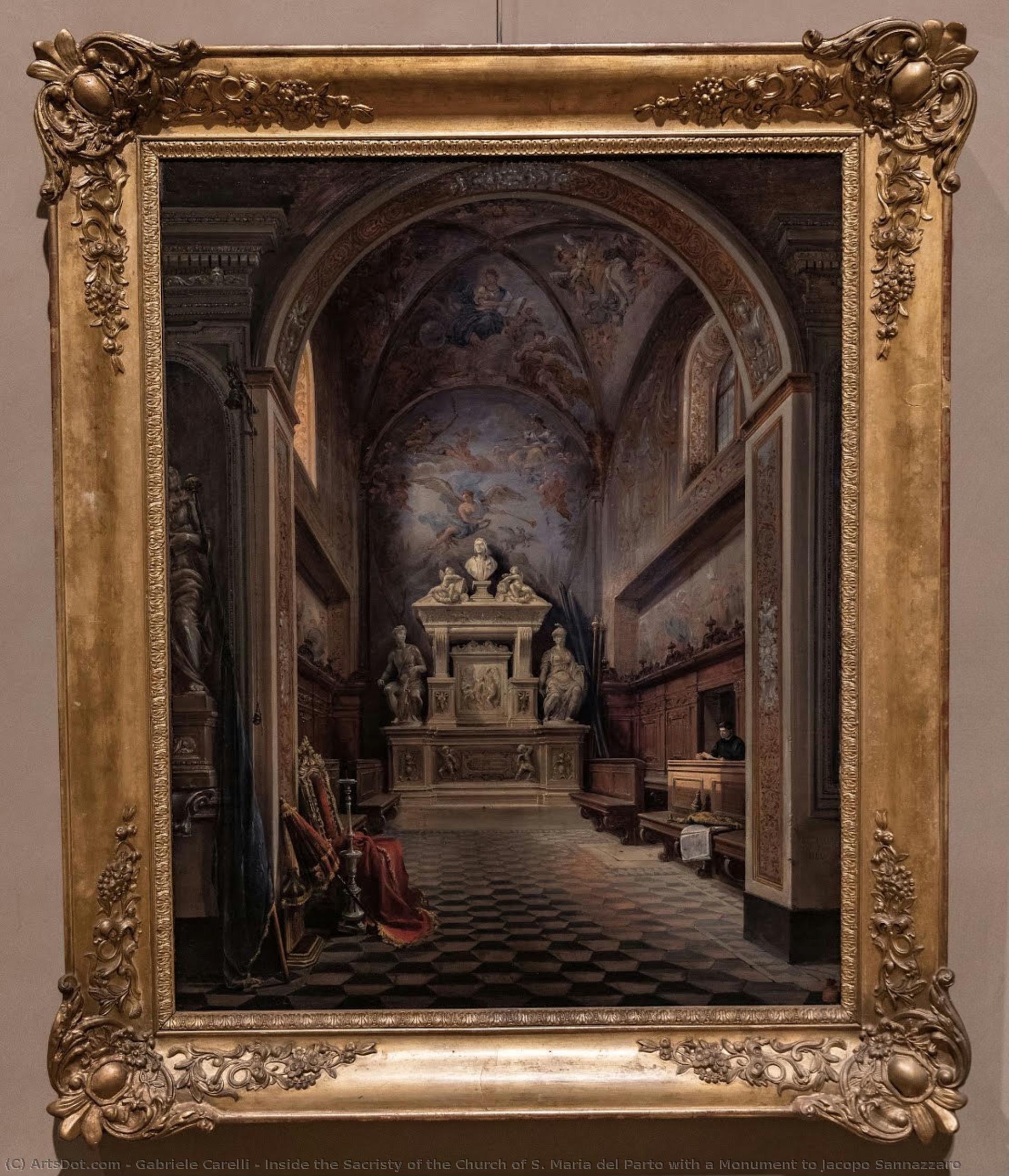
Inside the Sacristy of the Church of S. Maria del Parto with a Monument to Jacopo Sannazzaro


 Ver más
Giclée / Impresión de arte
Impresiones giclée o en lienzo de calidad de museo con producción rápida y opciones de acabado flexibles. ( Comprar pintura hecha a mano Comprar imagen)




P118B $10

P118H $10

P118W $10

P438Z $10

P508JH $12

P508YH $12

P805H $10

P805Z $10

P919BZ $10

P919G $10

P919XJ $10

P959ZH $10

P968JZ $12

W106C $8

W218G $10

W218JH $8

W218Y $10

W307PJ $10

W316G $10

W316PJ $8

W316Y $10

W398PJ $8

W4111J $10

W500HY $15

W500JH $15

W692G $12

W849H $8

W940BG $15

W953PJ $8




Elija entre nuestros tamaños predefinidos que respetan las proporciones originales de la obra.

Puede introducir sus propias dimensiones para adaptarse a un marco o espacio específico. Si el tamaño seleccionado no coincide con las proporciones de la imagen original, recortaremos la obra de arte o extenderemos la imagen con un borde con efecto espejo o de color sólido. Se enviará una maqueta digital para su aprobación antes de que comience la producción.
Tenga en cuenta que la vista previa en pantalla no refleja el recorte o la extensión real. Solo la maqueta mostrará con precisión la composición final.
Aunque existen tamaños personalizados, recomendamos seleccionar una dimensión de la lista predefinida para preservar las proporciones originales.
Envío a todo el mundo () en 2 semanas en lugar de las 4/5 semanas estándar. (6 septiembre)

Envío exprés gratuito a todo el mundo

Lienzo de lino de alta calidad

Seguro de envío total

Garantía de reembolso de impuestos aduaneros

Garantía de fidelidad cromática exacta

Política de devolución de 100 días (solo por defectos)

Garantía de devolución del 100% del dinero

Descuento por cantidad
 La opción de vidrio solo está disponible en tamaños inferiores a 110 cm.

Inside the Sacristy of the Church of S. Maria del Parto with a Monument to Jacopo Sannazzaro
Giclée / Impresión de arte
Dimensiones de la reproducción
-


Precio total final
$ 62
A Sanctuary of Stone and Spirit
In the quiet, hallowed depths of the sacristy within the Church of S. Maria del Parto, Gabriele Carelli captures a moment of profound architectural and spiritual stillness. This 1844 oil on canvas is far more than a mere depiction of an interior; it is a masterful exploration of light, shadow, and the enduring weight of history. As the eye wanders through the composition, it is immediately drawn to the central monument dedicated to Jacopo Sannazzaro, which stands as a silent sentinel amidst the grandeur of the vaulted chamber. The painting invites the viewer to step out of the temporal world and into a space where time seems to have suspended its flight, offering a meditative glimpse into the heart of Neapolitan religious heritage.
Carelli, a descendant of the prestigious School of Posillipo, brings a unique sensitivity to this architectural study. While he was celebrated for his sweeping landscapes of Sicily and Greece, here he applies that same mastery of atmosphere to an enclosed, sacred space. The technique is characterized by a delicate handling of light that filters through the high vaults, illuminating the textures of stone, wood, and marble. The artist uses subtle gradations of tone to create a sense of immense volume, making the heavy masonry feel both solid and ethereal. Through his brushwork, the benches along the walls and the solitary chair on the periphery are not merely furniture, but elements that ground the scene in a human, lived reality.
The Intersection of Art and Devotion
Beyond its technical brilliance, the painting serves as a poignant dialogue between the secular and the divine. The presence of the monument to Sannazzaro—a figure of immense literary and cultural importance—within the sacred confines of the sacristy symbolizes the deep-rooted connection between Italian intellectual life and religious tradition. Carelli masterfully balances the monumental scale of the statues with the small, human figures positioned within the room. These figures, though quiet and unassuming, provide a vital sense of scale and narrative tension, suggesting the presence of those who tend to this sacred space or seek solace within its walls.
For the discerning collector or interior designer, this artwork offers an unparalleled opportunity to introduce a sense of classical elegance and historical depth into a contemporary setting. The painting’s muted palette and rich textures evoke a feeling of timelessness, making it a sophisticated centerpiece for a library, a formal study, or a grand hallway. It is a piece that does not merely decorate a wall but transforms an environment, imparting a mood of reverence and intellectual curiosity. To possess a reproduction of this work is to hold a fragment of 19th-century Italian soul, bringing the quiet majesty of Naples' sacred architecture into the modern home.
Obras relacionadas



Biografía del artista
Early Life and Artistic Foundations
Gabriele Carelli, a name synonymous with the evocative beauty of Italian landscapes, was born in Naples in 1821. His lineage carried within it a rich artistic heritage; his father, Raffaele Carelli, was himself a respected painter associated with the prestigious “Scuola di Posillipo,” a loose collective of artists dedicated to capturing the sublime essence of the Neapolitan countryside. Gabriele’s formative years were deeply intertwined with this familial legacy, absorbing not only technical skills but also a profound appreciation for the region's light, color, and atmospheric qualities. His early training was primarily under his father, providing him with a solid foundation in traditional painting techniques – watercolor being particularly central to his developing style. This initial immersion instilled within him a sensitivity to detail and an understanding of how to translate the fleeting beauty of nature onto canvas.The Influence of the School of Posillipo and Early Travels
Gabriele’s artistic journey was inextricably linked to the “Scuola di Posillipo.” This influential group, centered in Naples, championed a distinct approach to landscape painting – one that prioritized capturing the *feeling* of a place rather than merely replicating its visual appearance. They sought to portray the light and atmosphere with an immediacy and emotional resonance, often employing loose brushstrokes and vibrant color palettes. Raffaele Carelli’s connections within this circle proved invaluable, exposing Gabriele to innovative techniques and artistic philosophies. Crucially, in 1847, Gabriele embarked on a significant chapter of his career: he accompanied the 6th Duke of Devonshire on a grand tour encompassing Sicily, Greece, Asia Minor, and Constantinople. This immersive experience dramatically broadened his artistic horizons, introducing him to diverse landscapes – from the sun-drenched shores of the Mediterranean to the rugged mountains of Anatolia. The meticulous watercolors he produced during this period are testaments to his ability to quickly capture the essence of a scene and convey its unique character.Notable Works and Royal Patronage
Gabriele Carelli’s artistic output spanned several decades, characterized by a consistent focus on landscape painting. He was particularly celebrated for his watercolor works, which possessed a remarkable luminosity and immediacy. Among his most recognized pieces are the watercolors of “Ruins of Paestum,” currently housed in the Palace of Capodimonte in Naples, and "Inside the Sacristy of the Church of S. Maria del Parto with a Monument to Jacopo Sannazzaro," also held within the palace’s collection. His work gained considerable recognition during his time in London, where he exhibited frequently from 1866 until 1892. It was during this period that he caught the eye of Queen Victoria herself, who became a devoted patron. This royal endorsement significantly elevated his profile and ensured that his paintings would be included in the prestigious Royal Collection at Osborne House and Windsor Castle – a testament to their enduring beauty and artistic merit.Legacy and Artistic Significance
Gabriele Carelli’s contribution to Italian landscape painting is significant, not only for his individual talent but also for his association with the “Scuola di Posillipo.” He helped to solidify this group's distinctive style, characterized by its emphasis on capturing atmosphere and emotion. His work stands as a beautiful example of 19th-century plein air painting, reflecting both the influence of Italian artistic traditions and the broader European trends of the time. He skillfully blended observation with imagination, creating landscapes that are not merely representations but rather evocative glimpses into the soul of Italy. Gabriele Carelli passed away in 1900, leaving behind a rich legacy of watercolor paintings that continue to captivate viewers with their beauty and sensitivity. His work remains an important part of the artistic heritage of Naples and beyond.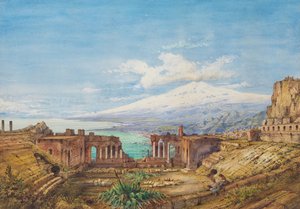
Gabriele Carelli
1821 - 1900 , Italia
Datos clave
- Artistic Movement Or Style: Escuela de Posillipo
- Artists Or Movements Influenced By This Artist: ['Escuela de Posillipo']
- Artists Who Influenced This Artist: ['Raffaele Carelli']
- Date Of Birth: 1821 Nápoles, Italia
- Date Of Death: 1900
- Full Name: Gabriele Carelli
- Nationality: Italiano
- Notable Artworks:
- Interior sacristía
- Ruinas Paestum
- Place Of Birth: Nápoles, Italia
Artículos relacionados

El Fresco Moderno en Techo: Un Cielo Interior para Diseñadores de Hotel
Descubre el arte del fresco moderno para hoteles. Expertos en diseño mural y restauración. te ofrece soluciones personalizadas, calidad superior y un legado artístico único.

La Presencia Imponente: Integración Arquitectónica y Estrategias de Proporción para Reproducciones Artísticas Monumentales en Interiores de Lujo
Descubra cómo integrar reproducciones artísticas monumentales en su hogar de lujo. Asesoramiento experto, calidad garantizada y soluciones personalizadas para transformar sus espacios con arte impactante.

Equilibrio y Audacia: La Integración del Arte Contemporáneo en Interiores Clásicos para una Modernidad Atemporal
Descubre cómo integrar el arte contemporáneo en interiores clásicos con elegancia y sofisticación. Expertos en diseño te guían para crear espacios atemporales llenos de personalidad. ¡Inspírate!
Armonizando Historia y Tono: Una Guía para Combinar Estilos Artísticos con la Arquitectura Interior para una Decoración Equilibrada
Guía experta para combinar estilos artísticos con tu arquitectura interior. Crea espacios equilibrados y elegantes con nuestros consejos y reproducciones de alta calidad. ¡Transforma tu hogar!

Más Allá de las Tendencias Efímeras: Cultivando Estéticas Interiores Duraderas a Través del Renacimiento, la Luz Impresionista y el Vibrante Pop Art
Descubre cómo crear un hogar con carácter atemporal combinando Renacimiento, Impresionismo y Pop Art. Reproducciones de alta calidad y asesoramiento experto en ArtsDot.com.