

 Ver en contexto
 Enviar
 Compartir
 Detalles

 Descargar
 Similares
 Radiografía
 Presentación de diapositivas
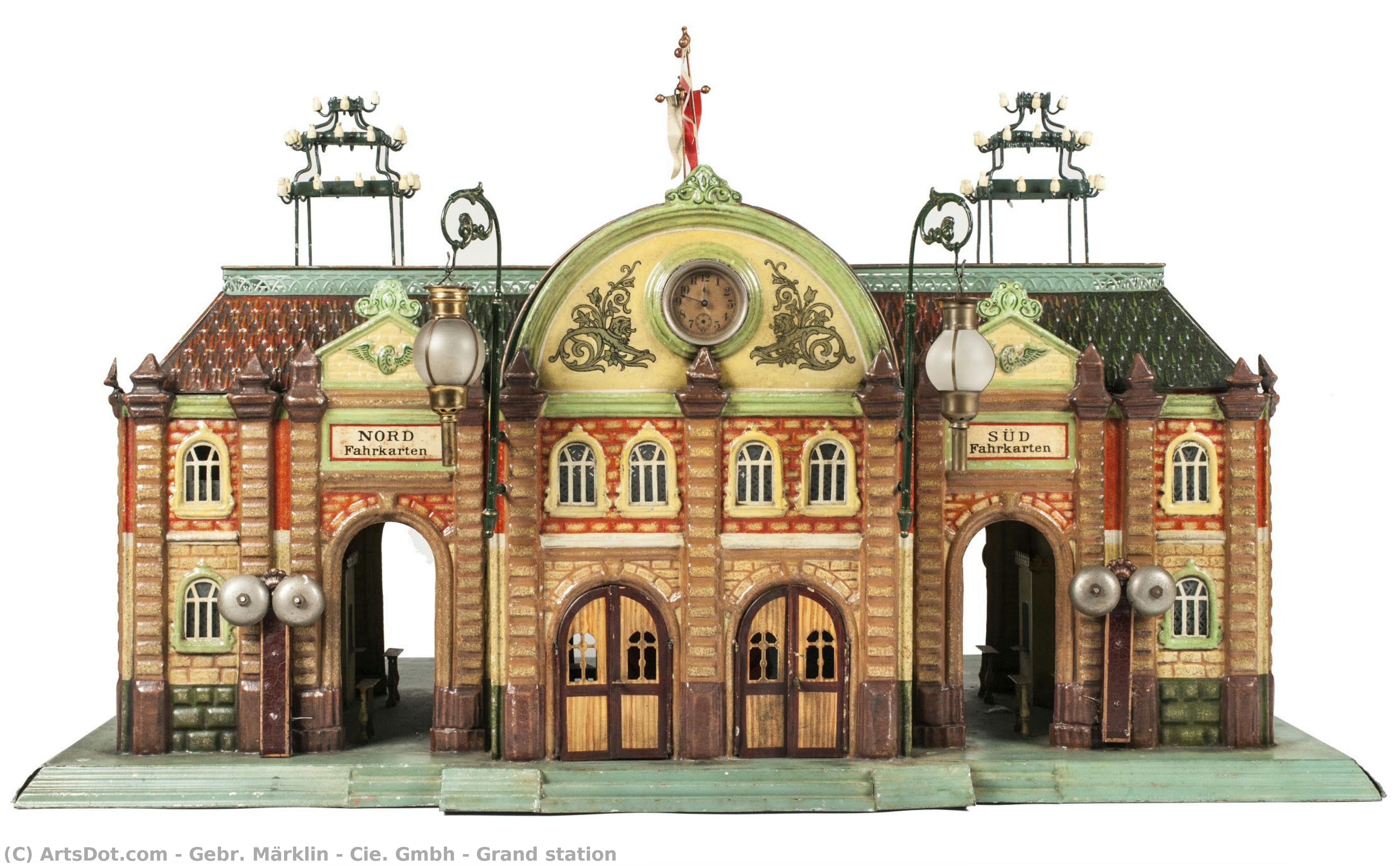
Grand station
 Victorian / Edwardian
 1912
1912 55.0 x 81.0 cm
 Ver más
Reproducción al óleo hecha a mano
Óleo sobre lienzo pintado a mano en el tamaño y marco de su elección, realizado por encargo por nuestros artistas. ( Comprar impresión Comprar imagen)




































Elija entre nuestros tamaños predefinidos que respetan las proporciones originales de la obra.

Puede ingresar sus propias dimensiones para adaptarse a un marco o espacio específico. Si el tamaño seleccionado no coincide con las proporciones de la imagen original, recortaremos la obra o extenderemos la pintura con elementos adicionales pintados a mano. Se le enviará una maqueta digital para su aprobación antes de comenzar la producción.
Tenga en cuenta que la vista previa en pantalla no refleja el recorte o la extensión reales. Solo la maqueta mostrará con precisión la composición final.
Si bien existen tamaños personalizados, recomendamos seleccionar una dimensión de la lista predefinida para preservar las proporciones originales.
Tras realizar el pedido, el equipo de ArtsDot.com enviará un correo electrónico al cliente para solicitar instrucciones y proporcionarle una vista previa del boceto.
Envío a todo el mundo () en 3-4 semanas en lugar de las 5 semanas estándar. (7 septiembre). Sin comprometer la calidad.

Envío exprés gratuito a todo el mundo

Lienzo de lino de alta calidad

Seguro de envío total

Garantía de reembolso de impuestos aduaneros

Garantía de fidelidad cromática exacta

Política de devolución de 100 días (solo por defectos)

Garantía de devolución del 100% del dinero

Descuento por cantidad
 La opción de vidrio solo está disponible en tamaños inferiores a 110 cm.

Grand station
Técnica de reproducción
Dimensiones de la reproducción
-


Precio total final
$ 263
Obras relacionadas
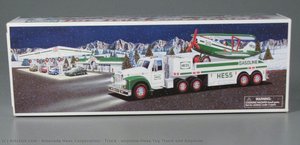
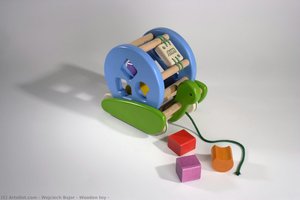
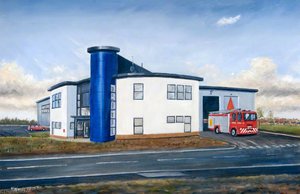
Biografía del artista
The Enduring Legacy of Märklin & Cie.
The name Märklin is synonymous with miniature worlds, a heritage built over generations and deeply interwoven with the cultural fabric of Germany and beyond. While often perceived as simply a toy manufacturer, to categorize Märklin solely as such diminishes its profound impact on engineering, design, and the collective imagination. The story begins in 1859, when Theodor Märklin, a tinsmith’s son, established his workshop in Göppingen, Baden-Württemberg. Initially focused on dollhouse furniture and kitchen utensils, the company's trajectory shifted dramatically with the advent of steam power. Recognizing the burgeoning fascination with locomotives, Märklin began producing miniature tinplate trains in 1866 – a pivotal moment that would define its future.
These early models weren’t merely toys; they were meticulously crafted representations of real-world engineering marvels. Theodor's son, Eugen Märklin, took the helm in 1890 and propelled the company into an era of innovation. He introduced the revolutionary “Gauge I” system – a standardized track width that allowed for interoperability between different models and fostered a growing community of enthusiasts. This standardization was crucial; it wasn’t just about selling trains, but about building a complete railway experience. The introduction of electric trains in 1903 further cemented Märklin's position as a technological leader. The company didn’t simply adapt to electricity; they pioneered its application within the miniature railway world, developing sophisticated control systems and robust motors.
From Workshops to World Fairs: A Golden Age
The late 19th and early 20th centuries witnessed a period of unprecedented growth for Märklin. The company’s presence at international expositions – including the World's Fair in Paris (1900) and St. Louis (1904) – showcased their intricate models to a global audience, garnering acclaim and expanding their market reach. These weren’t static displays; they were elaborate dioramas, complete with functioning stations, landscapes, and even miniature figures enacting everyday life. Märklin trains became symbols of German industrial prowess and precision engineering. The company's catalogs from this era are themselves works of art, filled with detailed illustrations and aspirational imagery that captured the romance of rail travel.
Beyond locomotives and rolling stock, Märklin diversified its product line to include tinplate boats, automobiles, construction sets, and even dollhouses – all reflecting the same commitment to quality and detail. This diversification proved strategically astute, allowing them to weather economic fluctuations and appeal to a broader customer base. However, it was the railways that remained at the heart of the Märklin identity. The company’s workshops were hives of activity, employing skilled craftsmen who painstakingly assembled each component with an unwavering dedication to accuracy.
Challenges and Reinvention: Navigating the 20th Century
The two World Wars presented significant challenges for Märklin. Production was curtailed during both conflicts, and factories suffered damage from bombing raids. After WWII, the company faced rebuilding efforts and a changing economic landscape. The rise of plastic toys posed a new competitive threat, forcing Märklin to adapt its manufacturing processes and explore new materials. Despite these hurdles, the core values of quality and innovation persisted.
The 1960s saw the introduction of “HO” gauge trains – a smaller scale that became increasingly popular among model railroad enthusiasts. While initially hesitant to embrace this format, Märklin eventually developed its own highly regarded HO system, known for its exceptional detail and robust construction. Throughout the latter half of the 20th century, Märklin continued to refine its products, incorporating advanced technologies such as digital control systems (Digital System) that allowed for precise operation of multiple trains on a single layout. This commitment to technological advancement ensured their relevance in an evolving hobby market.
A Continuing Tradition: Märklin Today
Today, Märklin & Cie. remains a family-owned business, deeply rooted in its Göppingen origins. The company continues to produce high-quality miniature railways in various scales, catering to both seasoned collectors and newcomers alike. Their product range encompasses everything from classic steam locomotives to modern electric trains, meticulously recreated with an unwavering attention to detail.
- Digital Control Systems: Märklin pioneered digital control systems for model railroads, allowing for sophisticated operation and automation.
- Gauge I Legacy: The original Gauge I system remains a cornerstone of the Märklin brand, appealing to collectors who appreciate its historical significance.
- HO Scale Expansion: Adapting to market demands, Märklin developed a highly respected HO scale line that complements their traditional offerings.
- Commitment to Quality: Despite evolving manufacturing techniques, Märklin maintains a steadfast dedication to craftsmanship and durability.
More than just toys, Märklin trains represent a connection to the past – a tangible link to an era of industrial innovation and romantic rail travel. They are objects of beauty, engineering marvels in miniature, and enduring symbols of German ingenuity. The company’s legacy extends beyond its products; it has fostered a vibrant community of enthusiasts who share a passion for collecting, building, and operating these intricate railway systems, ensuring that the Märklin tradition will continue to thrive for generations to come.

Datos clave
- Artistic Movement Or Style: Toy Manufacturing
- Date Of Death: Living
- Full Name: Gebr. Märklin & Cie. Gmbh
- Notable Artworks:
- Model Railways
- HO Scale Trains
- Tinplate Toys
Artículos relacionados
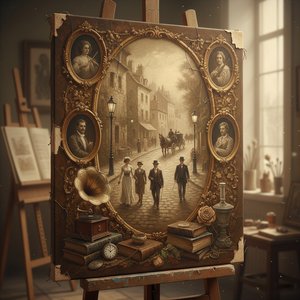
Echoes of Time: Nostalgia, Technique & Cultural Significance in Vintage Paintings
Explore the captivating world of vintage paintings! Discover key styles, cultural significance & collecting tips from art experts at ArtsDot. Find authentic reproductions and elevate your home décor.
The Allure of the Pose: Representations of 'Model' Through Art History
Explore the fascinating history of the 'art model' through centuries of painting! Discover academic techniques, social contexts & the evolving role of models in art. ArtsDot offers custom reproductions and expert consultation.

Echoes of Time: Exploring the Enduring Appeal of Vintage Artwork
Explore the captivating world of vintage art! Discover its history, enduring appeal, & how to build your own collection. Expert advice, custom reproductions & museum-quality prints at ArtsDot.

Echoes of Time: Exploring the Enduring Appeal & Historical Context of Vintage Art Prints
Explore the captivating world of vintage art prints! Discover their history, collecting tips & enduring appeal. Expert insights on chromolithography and building a legacy collection with ArtsDot.
Echoes of Eras Past: Exploring Themes & Techniques in Vintage Art Collections
Explore the captivating world of vintage art! Discover historical movements, iconic themes & collecting tips. Find handmade reproductions & expert appraisal at ArtsDot.