

 Ver en contexto
 Enviar
 Compartir
 Detalles

 Descargar
 Similares
 Radiografía
 Presentación de diapositivas
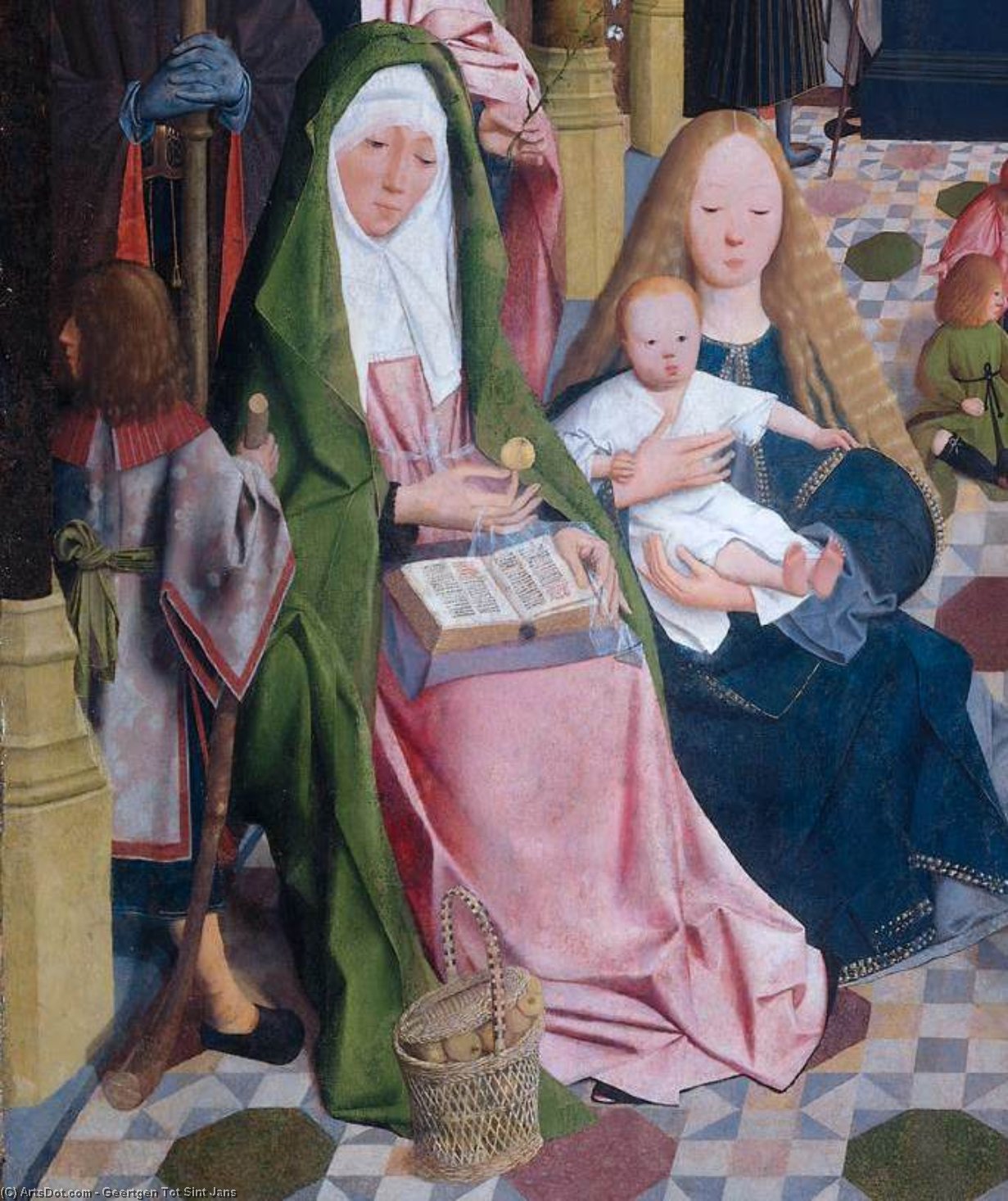
The Holy Kinship (detail) (11)


 Ver más
Adquiera una imagen digital de alta resolución y optimizada, muy superior a la vista previa en línea.
Cada archivo es preparado meticulosamente por nuestros especialistas internos mediante el uso de herramientas avanzadas y un experto retoque manual. Nos aseguramos de que cada imagen posea una claridad excepcional, una precisión cromática impecable y un detalle minucioso.
El archivo final se entrega por correo electrónico en un plazo de 72 horas, optimizado para su uso inmediato en entornos profesionales, editoriales y de impresión. Esta es la misma calidad en la que confían los estudios de diseño, las editoriales y las galerías de primer nivel.
Imagen Digital
Descarga un archivo de alta resolución para exhibición personal, impresión y proyectos creativos. ( Comprar impresión Comprar pintura hecha a mano)
Incluido en cada pedido de imágenes digitales
Entrega digital experta, garantizada.
Al elegir ArtsDot.com, no solo está adquiriendo una imagen; está recibiendo una obra de arte digital mejorada profesionalmente, elaborada con precisión y respaldada por una garantía de satisfacción. Esto es todo lo que incluye su pedido, automáticamente:

Entrega rápida por email
Recibirá su archivo de imagen digital en alta resolución por correo electrónico en un plazo de 72 horas tras realizar su pedido, listo para su uso inmediato.

Archivo digital optimizado por IA
Su obra de arte se optimiza profesionalmente mediante herramientas avanzadas de IA y edición manual, garantizando el máximo detalle, claridad y precisión cromática.

Reenvío gratuito de por vida
¿Has borrado o perdido tu archivo por error? No te preocupes: te lo volveremos a enviar en cualquier momento, sin coste adicional.

Sin gastos de importación, siempre
Disfrute de su obra de arte al instante sin aduanas, aranceles ni gastos de envío; las descargas digitales siempre están libres de impuestos.

Garantía de fidelidad de color
Garantizamos que su imagen digital refleje los colores originales con la mayor fidelidad posible, mediante el uso de herramientas profesionales y gestión del color.

Garantía de satisfacción de 60 días
Si no está satisfecho con su imagen digital, la revisaremos o le reembolsaremos el 100% en un plazo de 60 días, sin preguntas.

100% Garantía de devolución de dinero
¿No está satisfecho? Obtenga un reembolso completo dentro de los 60 días posteriores a la recepción de su archivo digital, sin necesidad de explicaciones.

Descuentos por pedidos grandes
Compra 3 imágenes, ahorra 10% - Compra 5, ahorra 15% - Compra 10+, ahorra 20%. Ideal para proyectos creativos, galerías y agencias.
The Holy Kinship (Detail): A Window into Northern Renaissance Spirituality
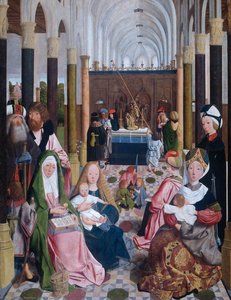
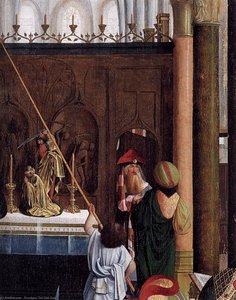
Geertgen tot Sint Jans’ “The Holy Kinship (detail)” – a captivating fragment from the larger 1485 masterpiece housed in the Rijksmuseum, Amsterdam – offers a profound glimpse into the heart of early Netherlandish painting and the devotional practices of its time. This particular detail, focusing on Mary, mother of Jesus, is not merely a portrait; it’s an intimate tableau brimming with symbolic weight and quiet reverence. The scene unfolds within a meticulously rendered domestic interior, suggesting a moment of respite and familial connection amidst the complexities of Christian faith. Notice immediately the earthy palette – predominantly browns, greens, and ochres – characteristic of Northern Renaissance artists who prioritized atmospheric depth and realistic texture over vibrant color schemes. This restrained use of hue contributes to an overall sense of solemnity and timelessness.
The central figure of Mary is presented as a nun, instantly conveying her spiritual authority and dedication. Her posture is graceful yet grounded, holding a book – likely representing the Holy Scriptures or a devotional text – with a serene expression. The white head covering further emphasizes her role as a devoted servant of God. Observe the intricate detail in her robe, the subtle folds and textures meticulously rendered to create a convincing illusion of fabric. To the left, a child is held by another figure, likely one of Jesus’ siblings, their face turned towards Mary – a gesture of adoration and seeking comfort within her presence. This intimate interaction speaks volumes about the importance of family and lineage within the Christian narrative.
A Domestic Sanctuary: Setting and Composition
The architectural setting is crucial to understanding the painting's emotional impact. The interior, with its columns and arches, evokes a sense of a private chapel or domestic space imbued with religious significance. This wasn’t simply a secular room; it was deliberately designed to foster contemplation and connection with the divine. The inclusion of everyday objects – notably the basket filled with fruit and vegetables in the foreground – subtly anchors the scene in the realities of daily life, reminding us that faith permeated every aspect of existence. It's a masterful juxtaposition of the sacred and the mundane, elevating the ordinary to a realm of spiritual contemplation.
Joseph, identifiable by his carpentry tools, stands to the left, further reinforcing the theme of earthly vocation intertwined with divine purpose. The composition itself is carefully balanced, drawing the viewer’s eye towards Mary at its center while subtly incorporating the other figures and elements within the scene. The use of light and shadow – a hallmark of Northern Renaissance painting – creates a sense of depth and volume, highlighting key features and contributing to the overall atmosphere of solemnity.
Symbolism and Artistic Technique
“The Holy Kinship” is deeply rooted in symbolism, reflecting the prevalent theological concerns of the late 15th century. The depiction of Mary as a nun underscores her role as the Virgin Mother, a central figure in Christian iconography. The book she holds represents not just scripture but also her role as a conduit between God and humanity. The child’s gaze towards Mary symbolizes faith, trust, and the promise of salvation. Geertgen tot Sint Jans' mastery lies in his ability to imbue these symbols with profound meaning through meticulous observation and skillful execution.
The artist’s technique is equally noteworthy. He employed oil paints on panel, a medium that allowed for incredible detail and subtle gradations of tone. The rendering of textures – from the folds of Mary's robe to the rough surface of the basket – is remarkably realistic, creating a convincing illusion of three-dimensionality. This attention to detail, combined with his masterful use of light and shadow, elevates the painting beyond mere representation, transforming it into a powerful expression of faith and devotion. Consider the subtle variations in color within Mary’s robe; these nuances contribute significantly to the overall sense of depth and realism.
A Legacy of Mystery and Artistic Brilliance
Geertgen tot Sint Jans remains an enigmatic figure, his life shrouded in mystery. Yet, through works like “The Holy Kinship,” we can appreciate the extraordinary quality of his art. His paintings are not simply beautiful images; they are windows into a specific cultural and spiritual context – a world where faith, family, and craftsmanship converged to create enduring expressions of artistic brilliance. A reproduction of this detail offers an opportunity to bring this profound work of Northern Renaissance art into your home, allowing you to contemplate its timeless themes and appreciate the skill of one of history’s most intriguing artists.
Obras relacionadas
Biografía del artista
Una vida envuelta en misterio: Revelando a Geertgen tot Sint Jans
El nombre de Geertgen tot Sint Jans resuena suavemente en los anales de la pintura flamiga primitiva, como un susurro de brillantez de un artista cuya vida permanece frustrantemente oscura. Floreciendo en Haarlem durante la segunda mitad del siglo XV —aproximadamente entre 1460 y 1490—, la existencia de Geertgen se reconstruye principalmente a través de los escritos de Karel van Mander, un historiador del arte holandés que escribió más de un siglo después de su muerte. Van Mander sugiere una conexión con los Caballeros Hospitalarios de San Juan en Haarlem, otorgando al artista su distintivo apellido, que significa “pequeño Gerardo de San Juan”. No se sabe con certeza si fue un hermano lego dentro de la orden o simplemente estuvo afiliado a ella, pero esta asociación moldeó profundamente su producción artística. La escasa evidencia documental que rodea la vida de Geertgen contribuye a una aura de misterio, permitiéndonos concentrarnos intensamente en la extraordinaria calidad y profundidad espiritual de sus obras supervivientes. Se cree que pudo haber sido alumno de Albert van Ouwater, una figura fundamental en el desarrollo de la pintura en Haarlem, aunque las pruebas concretas siguen siendo esquivas.El legado fragmentario: Obras maestras supervivientes
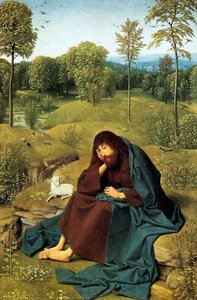
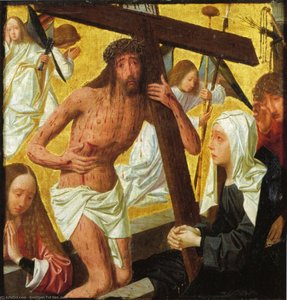
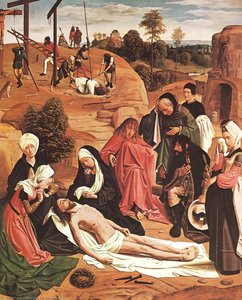
Trágicamente, gran parte de la obra de Geertgen se ha perdido con el tiempo y las circunstancias. La tumultuosa historia de Haarlem, particularmente el asedio de 1573 durante la Guerra de los Ochenta Años, resultó en la destrucción de numerosas obras de arte, incluyendo una parte significativa de su producción. Lo que queda ofrece vislumbres tentadores de un talento excepcional. Las piezas supervivientes más célebres son fragmentos de un gran tríptico creado originalmente para el altar de los Caballeros de San Juan. Estos paneles —La Leyenda de San Juan Bautista y <La Lamentación de Cristo)— residen ahora en el Kunsthistorisches Museum de Viena; su separación de la estructura original es un recordatorio conmovedor de la vulnerabilidad del arte ante las fuerzas históricas. La Lamentación, particularmente, es reconocida por su serena emotividad y su paisaje innovador, presagiando los avances que caracterizarían la pintura holandesa en los siglos venideros. Otras obras atribuidas incluyen San Juan Bautista en el desierto, una representación contemplativa del aislamiento espiritual, y Hombre de Dolores, un retrato poderosamente conmovedor del sufrimiento de Cristo. Cada panel superviviente es un testimonio de la maestría de Geertgen en las técnicas de la pintura al óleo, su delicado manejo de la luz y su capacidad para imbuir las escenas religiosas con una profunda resonancia psicológica.Innovación en el paisaje y la espiritualidad
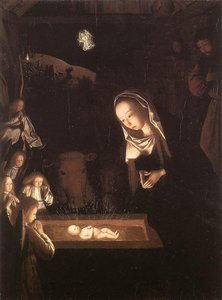
Geertgen tot Sint Jans se distinguió por varias innovaciones artísticas clave. Poseía una sensibilidad excepcional hacia el paisaje, integrándolo a la perfección en la estructura narrativa de sus pinturas. A diferencia de muchos de sus contemporáneos, que utilizaban los paisajes meramente como telones de fondo, los escenarios de Geertgen están imbuidos de un significado simbólico y contribuyen significativamente al impacto emocional general de la obra. Sus paisajes no son simples representaciones realistas; evocan una sensación de tranquilidad espiritual y reflejan el estado interno de las figuras que los habitan. Además, Geertenario demostró una capacidad notable para transmitir emociones a través de gestos sutiles y expresiones faciales. Sus figuras no son grandiosas ni teatrales, sino que poseen una humanidad íntima que atrae al espectador hacia su mundo de fe y dolor. El uso del claroscuro —el dramático juego de luces y sombras— también es notable, realzando la intensidad emocional de sus escenas y creando una sensación de profundidad y realismo. Esta técnica es particularmente evidente en La Natividad de noche, donde la oscuridad envuelve la escena, puntuada por el resplandor radiante que emana del niño Cristo.Una influencia duradera: El lugar de Geertgen en la historia del arte
A pesar del número limitado de obras con atribución segura, Geertgen tot Sint Jans ocupa una posición significativa dentro de la historia del arte flamenco primitivo. Su influencia puede detectarse en la obra de maestros holandeses posteriores, particularmente aquellos asociados con la escuela de Haarlem. Su enfoque innovador del paisaje y su sensible retrato de la emoción humana allanaron el camino para los desarrollos que definirían la pintura holandesa en el siglo XVII. El impacto de La Lamentación, como lo demuestra el grabado de Jacob Matham y la poesía que lo acompaña, demuestra el profundo efecto que la obra de Geertgen tuvo en sus contemporáneos. Aunque fue eclipsado por artistas más prolíficos como Jan van Eyck o Rogier van der Weyden durante su vida, la erudición moderna ha reconocido cada vez más las contribuciones únicas de Geertgen al Renacimiento del Norte. Él representa un vínculo crucial entre el estilo Gótico Internacional y el floreciente realismo del siglo XVI, encarnando un delicado equilibrio entre la devoción espiritual y la innovación artística. Su legado perdura no solo a través de sus obras maestras supervivientes, sino también a través del misterio persistente que rodea su vida: un testimonio del poder del arte para trascender las limitaciones del conocimiento histórico.Redescubriendo a un maestro
- Pintura flamiga primitiva: La obra de Geertgen está firmemente arraigada en las tradiciones de la pintura flamiga primitiva, caracterizada por el detalle meticuloso, representaciones realistas y un enfoque en temas religiosos.
- Escuela de Haarlem: Desempeñó un papel clave en el establecimiento de la escuela de pintura de Haarlem, influyendo en las generaciones posteriores de artistas que trabajaron en la región.
- Profundidad espiritual: Sus pinturas son notables por su profunda profundidad espiritual y resonancia emocional, invitando a los espectadores a contemplar temas de fe, sufrimiento y redención.
- Innovación en el paisaje: El uso innovador del paisaje por parte de Geertgen como parte integrante de la estructura narrativa lo distinguió de muchos de sus contemporáneos.
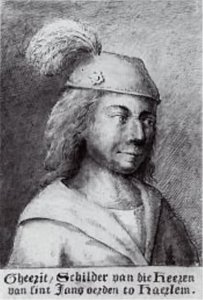
Geertgen tot Sint Jans
1460 - 1490 , Países Bajos
Breves datos
- Artistic Movement Or Style: Early Netherlandish painting
- Artists Who Influenced This Artist: ['Albert van Ouwater']
- Date Of Birth: c. 1465
- Full Name: Geertgen tot Sint Jans
- Nationality: Dutch
- Notable Artworks:
- The Legend of Saint John the Baptist
- The Lamentation of Christ
- John the Baptist in Wilderness
- Man of Sorrows
- Place Of Birth: Leiden, Netherlands

