

 Ver en contexto
 Enviar
 Compartir
 Detalles

 Descargar
 Similares
 Radiografía
 Presentación de diapositivas
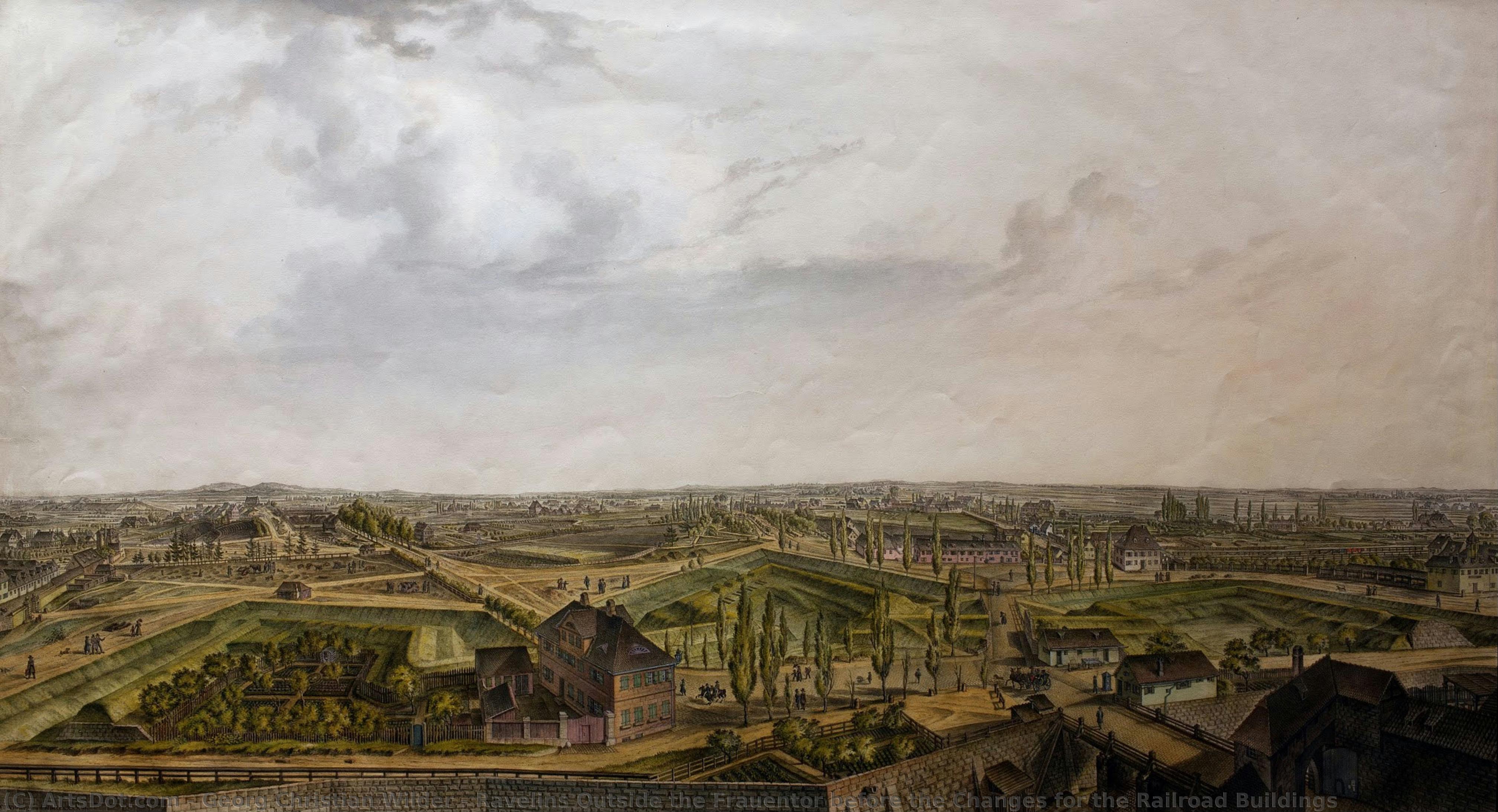
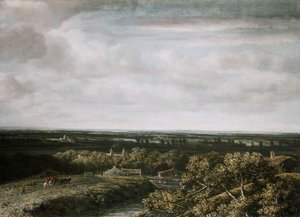
Ravelins Outside the Frauentor before the Changes for the Railroad Buildings


 Ver más
Adquiera una imagen digital de alta resolución y optimizada, muy superior a la vista previa en línea.
Cada archivo es preparado meticulosamente por nuestros especialistas internos mediante el uso de herramientas avanzadas y un experto retoque manual. Nos aseguramos de que cada imagen posea una claridad excepcional, una precisión cromática impecable y un detalle minucioso.
El archivo final se entrega por correo electrónico en un plazo de 72 horas, optimizado para su uso inmediato en entornos profesionales, editoriales y de impresión. Esta es la misma calidad en la que confían los estudios de diseño, las editoriales y las galerías de primer nivel.
Imagen Digital
Descarga un archivo de alta resolución para exhibición personal, impresión y proyectos creativos. ( Comprar impresión Comprar pintura hecha a mano)
Incluido en cada pedido de imágenes digitales
Entrega digital experta, garantizada.
Al elegir ArtsDot.com, no solo está adquiriendo una imagen; está recibiendo una obra de arte digital mejorada profesionalmente, elaborada con precisión y respaldada por una garantía de satisfacción. Esto es todo lo que incluye su pedido, automáticamente:

Entrega rápida por email
Recibirá su archivo de imagen digital en alta resolución por correo electrónico en un plazo de 72 horas tras realizar su pedido, listo para su uso inmediato.

Archivo digital optimizado por IA
Su obra de arte se optimiza profesionalmente mediante herramientas avanzadas de IA y edición manual, garantizando el máximo detalle, claridad y precisión cromática.

Reenvío gratuito de por vida
¿Has borrado o perdido tu archivo por error? No te preocupes: te lo volveremos a enviar en cualquier momento, sin coste adicional.

Sin gastos de importación, siempre
Disfrute de su obra de arte al instante sin aduanas, aranceles ni gastos de envío; las descargas digitales siempre están libres de impuestos.

Garantía de fidelidad de color
Garantizamos que su imagen digital refleje los colores originales con la mayor fidelidad posible, mediante el uso de herramientas profesionales y gestión del color.

Garantía de satisfacción de 60 días
Si no está satisfecho con su imagen digital, la revisaremos o le reembolsaremos el 100% en un plazo de 60 días, sin preguntas.

100% Garantía de devolución de dinero
¿No está satisfecho? Obtenga un reembolso completo dentro de los 60 días posteriores a la recepción de su archivo digital, sin necesidad de explicaciones.

Descuentos por pedidos grandes
Compra 3 imágenes, ahorra 10% - Compra 5, ahorra 15% - Compra 10+, ahorra 20%. Ideal para proyectos creativos, galerías y agencias.
Obras relacionadas


Biografía del artista
Georg Christian Wilder: A Pioneer of Romantic Landscape and Architectural Documentation
Georg Christian Wilder (1797-1855) stands as a pivotal figure in 19th-century German art, celebrated primarily for his breathtaking depictions of Nuremberg and Franconian Switzerland—landscapes imbued with the spirit of Romanticism—and for his meticulous architectural drawings that meticulously documented the evolving cityscape. Born in Nuremberg, Germany, Wilder’s artistic journey began amidst the burgeoning intellectual fervor of his time, shaping him into a visionary artist deeply attuned to both natural beauty and cultural heritage.Early Life and Artistic Training
Wilder received an exceptional education thanks to his father's influence, attending St Lawrence’s School where he honed his drawing skills before embarking on private tutoring that further nurtured his talent. His formative years were marked by exposure to influential artists like Gustav Philipp Zwinger and Ambrosius Gabler at the Painters’ Academy in Nuremberg, equipping him with foundational knowledge of artistic techniques and stylistic conventions. Notably, Wilder's early engagement with etching—documented in 1811—demonstrated a commitment to precision and detail that would characterize his entire oeuvre. This meticulous approach established him as a cornerstone of German art education.Vienna Years: Romantic Landscape Rediscovery
From 1819 to 1832, Wilder established himself in Vienna, where he became instrumental in reviving interest in the romantic ideals surrounding Nuremberg’s surroundings. He recognized the profound emotional resonance of the old city and Franconian Switzerland—a region transformed by industrial progress—capturing their essence with remarkable sensitivity. This period witnessed a stylistic shift toward topographical realism combined with expressive color palettes, reflecting Wilder’s fascination with conveying not merely visual information but also psychological depth. His Vienna years solidified his reputation as a Romantic landscape painter, prioritizing emotion alongside accurate observation.Architectural Documentation: Preserving Nuremberg’s Legacy
Wilder’s artistic legacy rests principally on his groundbreaking architectural drawings—a testament to his dedication to preserving cultural heritage. He meticulously documented the Nuremberg cityscape during King Ludwig I’s reign, producing detailed renderings of buildings and urban spaces that serve as invaluable historical records. His work at St George's Hospital Pathology Museum showcases a passion for scientific observation alongside artistic skill. Wilder’s meticulous approach established him as a pioneer in architectural preservation—a discipline that continues to resonate today. He collaborated closely with Karl Alexander Heideloff, furthering the movement towards safeguarding Nuremberg’s architectural treasures.Notable Works and Artistic Achievements
Wilder’s artistic output includes iconic depictions of Nuremberg’s City Hall, the Church of St Lorenz, and Nuremberg Castle—each piece embodying his mastery of landscape painting and architectural illustration. These works are housed in prominent museums across Germany, guaranteeing their enduring presence within the canon of European art history. His contribution to German Romanticism is undeniable, cementing his place as a visionary artist who captured the sublime beauty of his homeland while simultaneously championing the importance of safeguarding its cultural heritage.- Key Influences: Zwinger, Gabler, Reindel – These mentors instilled in Wilder a deep appreciation for classical artistic principles and observational accuracy.
- Signature Style: Romantic Landscape Painting; Topographical Realism; Precise Architectural Drawings
- Historical Significance: Wilder’s work profoundly impacted the preservation movement, establishing Nuremberg as a model of cultural heritage conservation.
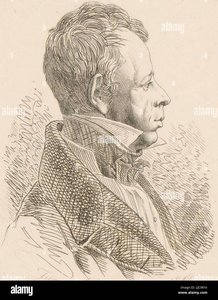
Georg Christian Wilder
1797 - 1855 , Alemania
Breves datos
- Artistic Movement Or Style: Romantic Landscape
- Artists Who Influenced This Artist: ['Gustav Philipp Zwinger']
- Date Of Birth: 1797
- Date Of Death: 1855
- Full Name: Georg Christian Wilder
- Nationality: German
- Notable Artworks:
- City Hall
- St Lorenz Church
- Nuremberg Castle
- Place Of Birth: Nuremberg, Germany

