

 Ver en contexto
 Enviar
 Compartir
 Detalles

 Descargar
 Similares
 Radiografía
 Presentación de diapositivas
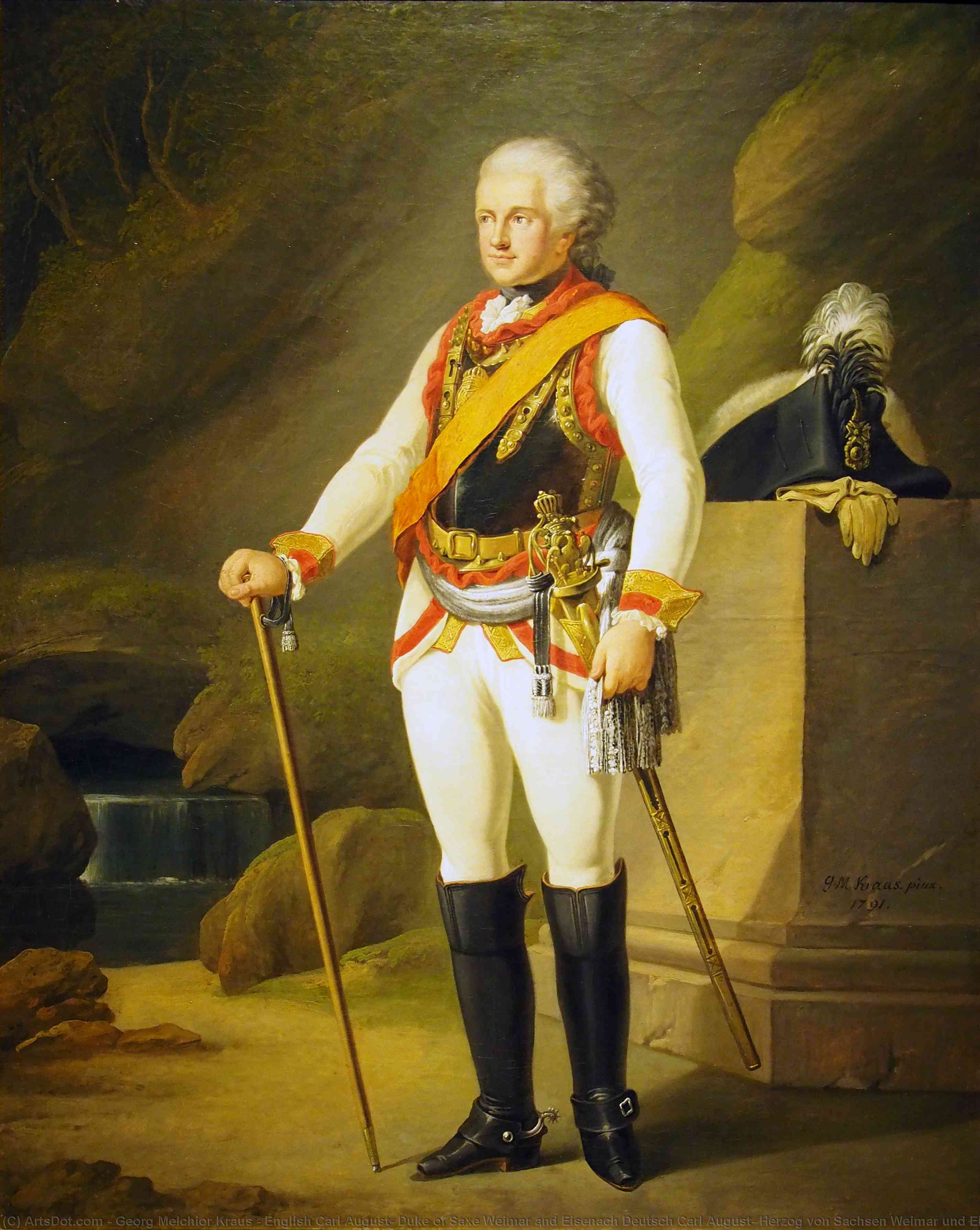
English Carl August, Duke of Saxe Weimar and Eisenach Deutsch Carl August, Herzog von Sachsen Weimar und Eisenach, in der Uniform der Ascherslebener Kürassiere

 Ver más
Giclée / Impresión de arte
Impresiones giclée o en lienzo de calidad de museo con producción rápida y opciones de acabado flexibles. ( Comprar pintura hecha a mano Comprar imagen)




































Elija entre nuestros tamaños predefinidos que respetan las proporciones originales de la obra.

Puede introducir sus propias dimensiones para adaptarse a un marco o espacio específico. Si el tamaño seleccionado no coincide con las proporciones de la imagen original, recortaremos la obra de arte o extenderemos la imagen con un borde con efecto espejo o de color sólido. Se enviará una maqueta digital para su aprobación antes de que comience la producción.
Tenga en cuenta que la vista previa en pantalla no refleja el recorte o la extensión real. Solo la maqueta mostrará con precisión la composición final.
Aunque existen tamaños personalizados, recomendamos seleccionar una dimensión de la lista predefinida para preservar las proporciones originales.
Envío a todo el mundo () en 2 semanas en lugar de las 4/5 semanas estándar. (2 septiembre)

Envío exprés gratuito a todo el mundo

Lienzo de lino de alta calidad

Seguro de envío total

Garantía de reembolso de impuestos aduaneros

Garantía de fidelidad cromática exacta

Política de devolución de 60 días (solo por defectos)

Garantía de devolución del 100% del dinero

Descuento por cantidad
 La opción de vidrio solo está disponible en tamaños inferiores a 110 cm.

English Carl August, Duke of Saxe Weimar and Eisenach Deutsch Carl August, Herzog von Sachsen Weimar und Eisenach, in der Uniform der Ascherslebener Kürassiere
Giclée / Impresión de arte
Dimensiones de la reproducción
-


Precio total final
$ 62
Obras relacionadas






Biografía del artista
Georg Melchior Kraus (1737–1806): A Weimar Pioneer
Georg Melchior Kraus (1737–1806) stands as a pivotal figure in German art history, particularly recognized for his contribution to the Weimar School and his enduring friendship with Johann Wolfgang Goethe. Born in Frankfurt am Main, he emerged from humble beginnings—the sixth child of Cornelia Krauser née Paulsen and Johann Georg Krauser—who operated the “Zur Weissen Schlangen” hotel in Frankfurt’s Sandgasse. Despite facing significant hardship early in life due to the premature deaths of five siblings, Kraus possessed an unwavering determination that propelled him toward artistic excellence and intellectual engagement. His formative years were spent studying under Johann Heinrich Tischbein the Elder at the court of Frederick II of Saxe Weimar and Eisenach, absorbing the stylistic precepts of Baroque painting and honing his observational skills. This exposure proved invaluable as he embarked on a Parisian sojourn in 1762–63, immersing himself in the vibrant artistic milieu of Enlightenment France and collaborating with luminaries like Jean-Baptiste Greuze. It was during this period that Kraus cultivated an influential connection with Goethe, forging a bond that would shape both their artistic careers and intellectual dialogues for decades to come. Kraus’s artistic output spanned diverse mediums—paintings, etchings, and architectural designs—reflecting his versatility as an artist and his keen understanding of contemporary tastes. Notably, he established the Fürstliche Freie Zeichenschule Weimar (Royal Free Drawing School) in 1776 alongside Friedrich Justin Bertuch, fostering a new generation of artists committed to Neoclassical ideals. This institution became a cornerstone of Weimar’s cultural landscape and cemented Kraus's legacy as a champion of artistic innovation and educational reform. Among his most celebrated works are depictions of biblical scenes—particularly “The Annunciation”—characterized by meticulous detail and expressive dynamism, demonstrating Kraus’s mastery of chiaroscuro and compositional balance. However, it is perhaps his engravings that garnered him enduring recognition. His prints captured the spirit of Weimar society with remarkable accuracy, portraying portraits of prominent figures like Goethe and Friedrich Schiller alongside scenes from daily life—a testament to his ability to convey emotion and narrative through visual language. A particularly striking example is “Journal des Luxus und der Moden,” plate 23 (1793), showcasing Kraus’s skill in capturing the elegance and sophistication of the era. The artwork portrays a woman adorned in opulent attire, meticulously rendered with delicate etching techniques—a masterful demonstration of Kraus's technical prowess. Furthermore, his involvement in architectural projects, notably the Pulverturm and Johannistor in Jena (completed in 1792), underscores his broader engagement with shaping the visual environment of Weimar’s intellectual capital. Kraus’s artistic legacy extends beyond individual masterpieces; he profoundly influenced the development of Weimar’s artistic culture and established a tradition of scholarly painting that endured for generations. His unwavering dedication to artistic excellence, coupled with his friendship with Goethe—a relationship marked by mutual admiration and collaborative creativity—solidifies Kraus's place as one of Germany’s most important artists of the eighteenth century.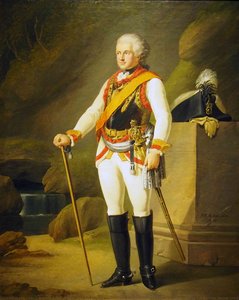
georg melchior kraus
1737 - 1806
Datos clave
- Artistic Movement Or Style: Neoclassicism
- Artists Or Movements Influenced By This Artist: ['Goethe']
- Artists Who Influenced This Artist: ['Johann Heinrich Tischbein']
- Date Of Birth: 1737
- Full Name: Georg Melchior Kraus
- Nationality: German
- Notable Artworks:
- A Family at Table
- Journal des Luxus und der Moden, plate 23
- Place Of Birth: Frankfurt am Main, Germany

