 Ver en contexto
 Enviar
 Compartir
 Detalles

 Descargar
 Similares
 Radiografía
 Presentación de diapositivas
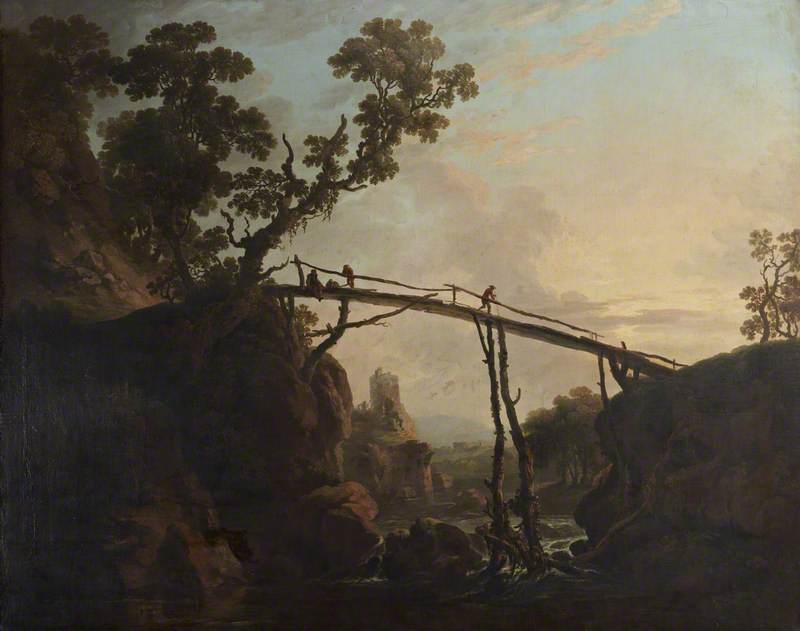
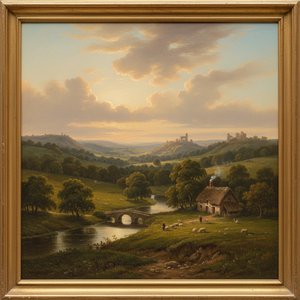
A River Landscape with a Wooden Bridge
 Oil On Canvas
- WallArt
- Romantic Landscape Painting
 19th Century
 99.0 x 125.0 cm
 National Trust
 Ver más
Giclée / Impresión de arte
Impresiones giclée o en lienzo de calidad de museo con producción rápida y opciones de acabado flexibles. ( Comprar pintura hecha a mano Comprar imagen)




P118B $10

P118H $10

P118W $10

P438Z $10

P508JH $12

P508YH $12

P805H $10

P805Z $10

P919BZ $10

P919G $10

P919XJ $10

P959ZH $10

P968JZ $12

W106C $8

W218G $10

W218JH $8

W218Y $10

W307PJ $10

W316G $10

W316PJ $8

W316Y $10

W398PJ $8

W4111J $10

W500HY $15

W500JH $15

W692G $12

W849H $8

W940BG $15

W953PJ $8




Elija entre nuestros tamaños predefinidos que respetan las proporciones originales de la obra.

Puede introducir sus propias dimensiones para adaptarse a un marco o espacio específico. Si el tamaño seleccionado no coincide con las proporciones de la imagen original, recortaremos la obra de arte o extenderemos la imagen con un borde con efecto espejo o de color sólido. Se enviará una maqueta digital para su aprobación antes de que comience la producción.
Tenga en cuenta que la vista previa en pantalla no refleja el recorte o la extensión real. Solo la maqueta mostrará con precisión la composición final.
Aunque existen tamaños personalizados, recomendamos seleccionar una dimensión de la lista predefinida para preservar las proporciones originales.
Envío a todo el mundo () en 2 semanas en lugar de las 4/5 semanas estándar. (22 agosto)

Envío exprés gratuito a todo el mundo

Lienzo de lino de alta calidad

Seguro de envío total

Garantía de reembolso de impuestos aduaneros

Garantía de fidelidad cromática exacta

Política de devolución de 60 días (solo por defectos)

Garantía de devolución del 100% del dinero

Descuento por cantidad
 La opción de vidrio solo está disponible en tamaños inferiores a 110 cm.

A River Landscape with a Wooden Bridge
Giclée / Impresión de arte
Dimensiones de la reproducción
-


Precio total final
$ 62
Descripción de la pieza
A Portrait of Tranquility: Exploring George Barret Sr.’s “A River Landscape with a Wooden Bridge”
George Barret Sr., born between 1728 and 1732 in Libertyville, Ireland, stands as a pivotal figure in the burgeoning British landscape movement. His artistic journey began humbly – initially apprenticed as a staymaker – yet swiftly blossomed into an undeniable talent for drawing, nurtured by his enrollment at Robert West’s Academy in Dublin around 1747 and subsequently entrusted with teaching drawing there himself. Crucially, his friendship with Edmund Burke fostered intellectual stimulation and profoundly shaped his artistic sensibilities, particularly through Burke's influential *A Philosophical Enquiry into the Origin of Our Ideas of the Sublime and Beautiful*. This philosophical framework directly informed Barret’s approach to capturing the grandeur and serenity of nature – a pursuit that would define his oeuvre.The Romantic Vision: Influences Beyond Technique
Barret’s early paintings frequently revisited classical Italianate scenery, demonstrating an admiration for artistic traditions rooted in antiquity. However, it was Burke's contemplation of sublime beauty—the awe-inspiring experience of confronting overwhelming grandeur—that truly ignited Barret’s creative spark. This intellectual kinship translated into a stylistic commitment to portraying landscapes imbued with emotion and drama, mirroring the Romantic movement’s core tenets. Unlike earlier depictions prioritizing meticulous detail, Barret prioritized conveying feeling; he sought to evoke contemplation and wonder in the viewer.A Masterful Composition: Technique and Detail
The painting itself— “A River Landscape with a Wooden Bridge”— exemplifies Barret's skill as an artist. Executed in oil on canvas, it showcases a masterful blend of observation and artistic interpretation. Notice the subtle gradations of color used to depict the river’s surface – capturing reflections of light and shadow with remarkable accuracy. The wooden bridge dominates the composition, anchoring the eye and providing a focal point amidst the expansive vista. Barret skillfully employs atmospheric perspective—reducing detail in distant elements—to create depth and enhance the sense of grandeur. Furthermore, the inclusion of scattered trees adds textural richness to the scene, grounding it in the tangible realities of the Irish countryside.Symbolism Within Serenity: Interpreting Landscape Imagery
Beyond mere visual representation, “A River Landscape with a Wooden Bridge” carries symbolic weight. Rivers often represent journeys—both physical and spiritual—suggesting themes of transformation and renewal. The wooden bridge symbolizes connection – linking disparate parts of the landscape and perhaps representing human aspiration towards transcendence. The muted palette contributes to an overall mood of tranquility and contemplation, inviting viewers to immerse themselves in the beauty of the natural world. Barret’s deliberate choices resonate with Romantic ideals concerning the restorative power of nature and its capacity to inspire profound emotional responses.Legacy and Reproduction: Bringing Barret's Vision Home
Today, “A River Landscape with a Wooden Bridge” resides within the National Trust’s Anglesey Abbey collection, ensuring that Barret Sr.’s artistic legacy continues to inspire appreciation for Romantic landscape painting. ArtsDot offers high-quality reproductions of this iconic artwork, allowing collectors and interior designers alike to experience firsthand the captivating beauty and contemplative spirit captured by George Barret Sr., a true pioneer of British pastoral art.Obras relacionadas
Biografía del artista
George Barret Sr.: Vida y Legado
- Nacido: Entre 1728 y 1732 en Libertyville, Irlanda, hijo de un comerciante de telas.
- Inicialmente aprendiz de sastre antes de descubrir su talento artístico.
- Comenzó la formación formal en dibujo en la Academia de Robert West en Dublín alrededor de 1747, patrocinado por la Royal Dublin Society.
- Posteriormente enseñó dibujo en la misma academia, demostrando una temprana promesa y habilidad.
- Una amistad formativa con Edmund Burke, forjada durante el tiempo de Burke en Trinity College, Dublín, sería crucial más adelante en su vida.
Desarrollo Artístico Temprano e Influencias
- Las primeras pinturas de Barret a menudo presentaban paisajes clásicos y figuras mitológicas.
- Influenciado por: Los escritos filosóficos de Edmund Burke, particularmente *A Philosophical Enquiry into the Origin of Our Ideas of the Sublime and Beautiful*, que informaron su enfoque artístico del paisaje.
- Inicialmente trabajó re-elaborando grabados de escenas italianas clásicas por artistas como Claude Lorrain, demostrando una sólida base en estilos establecidos.
- A pesar de representar paisajes italianos, no hay evidencia de que él mismo haya viajado a Italia.
Traslado a Londres y Ascenso a la Prominencia
- En 1762, Barret se mudó a Londres en busca de mayores oportunidades artísticas.
- Rápidamente ganó reconocimiento como un destacado artista paisajista del período.
- Exhibió en la Sociedad de Artistas de Gran Bretaña y atrajo el patrocinio de destacados coleccionistas de arte.
- Logro Clave: En 1768, Barret fue uno de los miembros fundadores que abandonaron la Sociedad de Artistas para establecer la Royal Academy – un momento crucial en la historia del arte británico.
Estilo y Temas Artísticos
- El estilo de Barret evolucionó desde paisajes italianos idealizados hasta representaciones más naturalistas de paisajes ingleses e irlandeses.
- Viajó extensamente por Inglaterra, Gales, Escocia e Irlanda, realizando encargos y capturando la belleza de diversos paisajes.
- Temas comunes incluían vistas idílicas, campiña pintoresca, cascadas (como su famosa *The Powerscourt Waterfall*), y representaciones topográficas de propiedades y fincas.
- Sus pinturas a menudo presentaban figuras dentro del paisaje, agregando una sensación de escala y narrativa.
Vida Posterior y Patronazgo
- Sufrió de asma, lo que lo llevó a trasladarse a Westbourne Green en 1772 por razones de salud.
- A pesar de obtener ingresos sustanciales, fue descrito como “derrochador” con el dinero y ocasionalmente enfrentó dificultades financieras.
- Continuo Apoyo: Edmund Burke permaneció un amigo leal y asistió a Barret financieramente y profesionalmente.
- En 1782, Burke recomendó a Barret para el puesto de Pintor Maestro del Hospital de Chelsea, cargo que ocupó hasta su muerte en 1784.
Legado y Significado Histórico
- Aunque su viuda e hijos quedaron sin recursos tras su muerte, la Royal Academy proporcionó una pequeña pensión.
- El trabajo de Barret representa una transición significativa en la pintura paisajística británica, pasando de la imitación clásica a un estilo más distintivamente nacional.
- Sus pinturas brindan información valiosa sobre los paisajes y la vida aristocrática del siglo XVIII.
- Muchas de sus obras ahora se encuentran en colecciones destacadas, incluyendo la Galería Nacional de Irlanda y el Centro Yale para el Arte Británico.
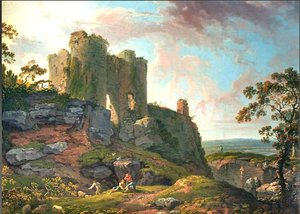
George Barrett el Viejo
1732 - 1784 , Irlanda
Datos clave
- Artistas Que Influyeron En Este Artista: ['Claude Lorrain']
- Fecha De Muerte: 1784
- Fecha De Nacimiento: 1732
- Lugar De Nacimiento: Libertyville, Irlanda
- Movimiento Artístico O Estilo: Romanticismo
- Nacionalidad: Irlandés
- Nombre Completo: George Barret el Mayor
- Obras Notables:
- La Cascada de Powerscourt
- Vista del Parque Southwick
- Llyn Nantlle
- North Side of Danson
Artículos relacionados

Paisajes Románticos: 10 Obras Maestras que Definieron un Movimiento Artístico
Descubre los 10 paisajes románticos más influyentes de artistas como Caspar David Friedrich y Turner. Explora la belleza, el simbolismo y las técnicas del movimiento romántico. Reproducciones de arte exclusivas en ArtsDot.com.

Katsushika Hokusai: Las 25 Obras Maestras del Ukiyo-e que Transformaron el Arte Japonés | ArtsDot
Descubre las 25 obras maestras de Katsushika Hokusai, el genio del ukiyo-e. Explora 'La Gran Ola', paisajes japoneses y su impacto en el arte moderno. Reproducciones de alta calidad para tu hogar en ArtsDot.com.

John Constable: Las 25 Obras Maestras del Paisaje Inglés | ArtsDot
Descubre las 25 obras maestras de John Constable, el pintor romántico inglés que capturó la belleza del paisaje. Explora su técnica, historia y significado en ArtsDot.com. Reproducciones de arte de alta calidad para tu hogar.
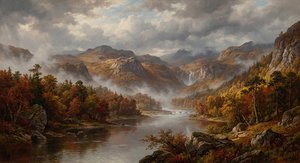
Los 10 Maestros del Río Hudson: Obras que Definieron un Movimiento Artístico
Descubre los 10 lienzos más emblemáticos de la Escuela del Río Hudson. Explora las obras maestras de Thomas Cole, Church y Bierstadt que capturan la belleza del paisaje americano. Encuentra reproducciones de arte exclusivas en ArtsDot.com.
George Barret the Elder: Pioneering British Pastoral Painting & Landscape's Rise
Explore the life & art of George Barret Sr., a pioneer of British pastoral painting. Discover his influence on Romantic landscape art, patronage, and collecting tips from ArtsDot.