

 Vista previa
 Compartir
 Compartir
 Ver detalles

 Descargar
 Ver similares
 Radiografía
 Presentación de diapositivas
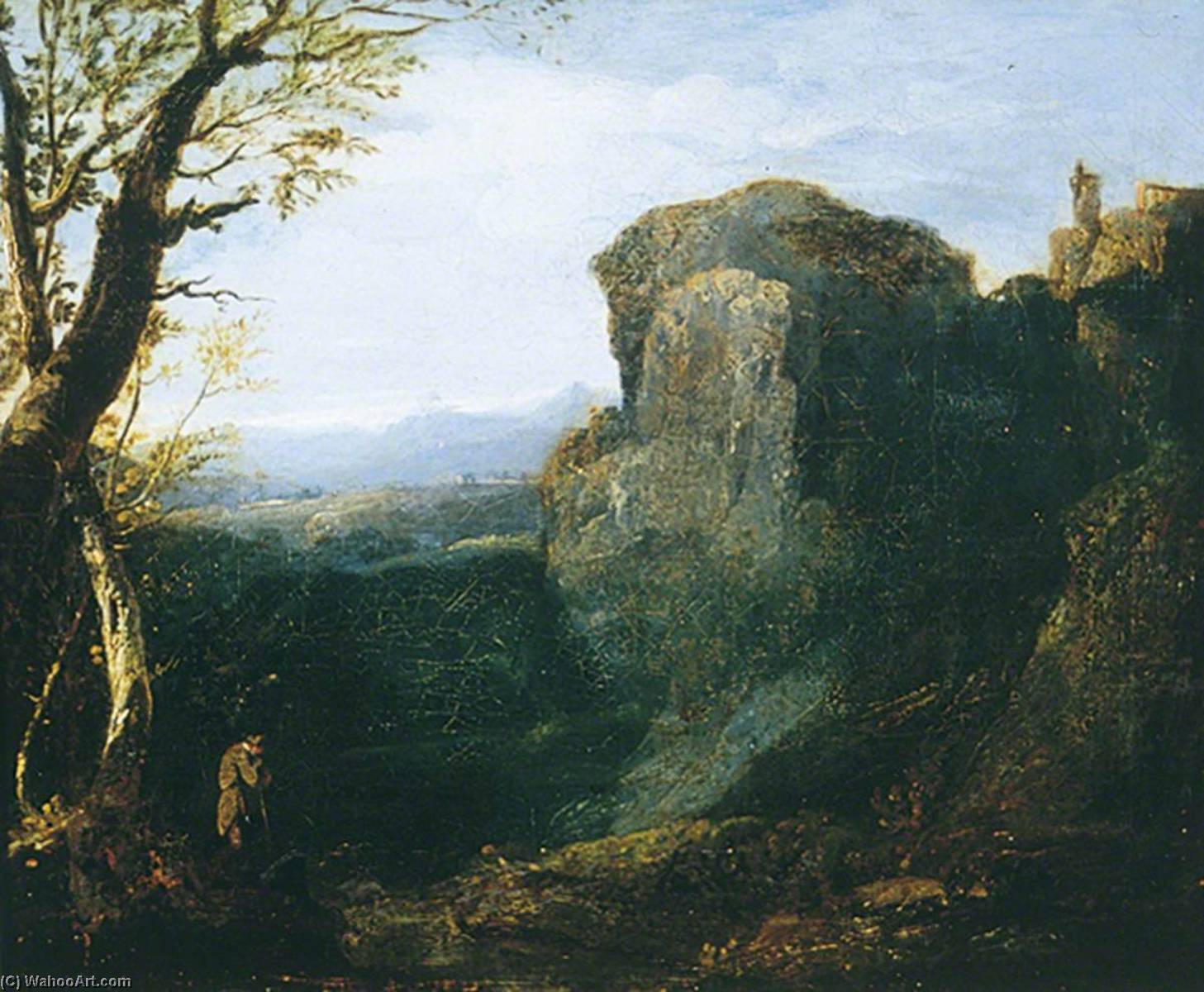
The Falls of Tivoli
 Oil On Canvas
- WallArt
- Romanticism
 65.0 x 76.0 cm
 Temple Newsam House
 Leer más
Adquiera una imagen digital de alta resolución y optimizada, muy superior a la vista previa en línea.
Cada archivo es preparado meticulosamente por nuestros especialistas internos mediante el uso de herramientas avanzadas y un experto retoque manual. Nos aseguramos de que cada imagen posea una claridad excepcional, una precisión cromática impecable y un detalle minucioso.
El archivo final se entrega por correo electrónico en un plazo de 72 horas, optimizado para su uso inmediato en entornos profesionales, editoriales y de impresión. Esta es la misma calidad en la que confían los estudios de diseño, las editoriales y las galerías de primer nivel.
Imagen Digital
Descarga un archivo de alta resolución para exhibición personal, impresión y proyectos creativos. ( Pedir impresión Encargar reproducción pintada a mano)
Incluido en cada compra de imágenes digitales
Entrega digital experta, garantizada.
Al elegir ArtsDot.com, no solo está adquiriendo una imagen; está recibiendo una obra de arte digital mejorada profesionalmente, elaborada con precisión y respaldada por una garantía de satisfacción. Esto es todo lo que incluye su pedido, automáticamente:

Entrega rápida por email
Recibirá su archivo de imagen digital en alta resolución por correo electrónico en un plazo de 72 horas tras realizar su pedido, listo para su uso inmediato.

Archivo digital optimizado por IA
Su obra de arte se optimiza profesionalmente mediante herramientas avanzadas de IA y edición manual, garantizando el máximo detalle, claridad y precisión cromática.

Reenvío gratuito de por vida
¿Has borrado o perdido tu archivo por error? No te preocupes: te lo volveremos a enviar en cualquier momento, sin coste adicional.

Sin gastos de importación, siempre
Disfrute de su obra de arte al instante sin aduanas, aranceles ni gastos de envío; las descargas digitales siempre están libres de impuestos.

Garantía de precisión de color
Garantizamos que su imagen digital refleje los colores originales con la mayor fidelidad posible, mediante el uso de herramientas profesionales y gestión del color.

Garantía de satisfacción de 60 días
Si no está satisfecho con su imagen digital, la revisaremos o le reembolsaremos el 100% en un plazo de 60 días, sin preguntas.

100% Garantía de devolución de dinero
¿No está satisfecho? Obtenga un reembolso completo dentro de los 60 días posteriores a la recepción de su archivo digital, sin necesidad de explicaciones.

Descuentos por volumen
Compra 3 imágenes, ahorra 10% - Compra 5, ahorra 15% - Compra 10+, ahorra 20%. Ideal para proyectos creativos, galerías y agencias.
Descripción del coleccionable
A Symphony of Stone and Mist: George Barret’s “The Falls of Tivoli”
George Barret the Elder's "The Falls of Tivoli" isn’t merely a landscape painting; it’s an immersion into a realm where the grandeur of nature intertwines with a profound sense of melancholy and contemplative beauty. Completed around 1770, this oil on canvas captures a dramatic vista overlooking the Aniene River cascading through the Sabine Hills near Tivoli, Italy – a location steeped in Roman history and imbued with a timeless allure. Barret’s masterful command of atmospheric perspective and his keen eye for detail transport the viewer to a place both familiar and profoundly distant, evoking a powerful emotional response rooted in the Romantic sensibility.
The painting immediately establishes a strong sense of scale through its composition. A towering rock formation dominates the right side of the canvas, acting as an anchor and drawing the gaze into the hazy depths of the valley below. This imposing structure is juxtaposed with a winding path that snakes its way towards the unseen horizon, inviting the viewer to imagine themselves traversing this rugged terrain. Foreground elements – a gnarled tree and a solitary figure, likely a shepherd or traveler – provide a crucial human scale, emphasizing the immensity of the landscape and hinting at the vulnerability of humankind in the face of nature’s overwhelming power. The use of muted browns, greens, and blues creates a cool, almost somber palette, contributing to the painting's overall mood of quiet contemplation.
The Romantic Echoes: Influences and Artistic Context
Barret’s work is deeply rooted in the burgeoning Romantic movement, an artistic and intellectual reaction against the Enlightenment’s emphasis on reason. Edmund Burke’s philosophical treatise, *A Philosophical Enquiry into the Origin of Our Ideas of the Sublime and Beautiful*, profoundly influenced Barret's approach to landscape painting. Burke argued that sublime experiences – those evoking awe, terror, and a sense of insignificance – were essential for human understanding. Barret translates this philosophy visually by depicting a scene of overwhelming natural grandeur, suggesting a humbling encounter with the forces beyond human control. The hazy atmosphere, the dramatic lighting, and the solitary figure all contribute to this feeling of sublime wonder.
Furthermore, Barret’s artistic lineage is traceable back to classical landscape painters like Claude Lorrain, whom he skillfully reworked into his own style. He adopted the techniques of creating illusionistic depth through atmospheric perspective – softening distant forms and diminishing their detail – a hallmark of both classical and Romantic painting. The careful rendering of textures, particularly on the rocks, reveals Barret’s meticulous attention to detail and his ability to capture the tactile qualities of the natural world.
A Symbol of Human Vulnerability
Beyond its technical brilliance, “The Falls of Tivoli” is rich in symbolic meaning. The solitary figure in the foreground represents humanity's inherent vulnerability when confronted with the vastness and power of nature. It’s a poignant reminder of our smallness within the grand scheme of things – a theme central to Romantic art. The waterfall itself, a symbol of constant motion and renewal, suggests the cyclical nature of life and the enduring beauty of the natural world. The distant ruins, barely discernible through the haze, hint at the passage of time and the impermanence of human endeavors.
Technical Details & Historical Significance
Executed in oil on canvas, “The Falls of Tivoli” showcases Barret’s mastery of layering and brushwork. Noticeable impasto – thick application of paint – is particularly evident in the rock formations, lending them a sense of solidity and age. The painting's dimensions are 65 x 76 cm, making it a relatively intimate work despite its expansive subject matter. It was originally part of the collection of Temple Newsam House in Leeds, England, and now resides at the National Gallery of Ireland. George Barret Sr.’s legacy extends beyond this single masterpiece; he played a pivotal role in establishing the Royal Academy, furthering the development of landscape painting in Britain, and leaving behind a body of work that continues to resonate with viewers today.
Obras relacionadas
Biografía del artista
George Barret Sr.: Vida y Legado
- Nacido: Entre 1728 y 1732 en Libertyville, Irlanda, hijo de un comerciante de telas.
- Inicialmente aprendiz de sastre antes de descubrir su talento artístico.
- Comenzó la formación formal en dibujo en la Academia de Robert West en Dublín alrededor de 1747, patrocinado por la Royal Dublin Society.
- Posteriormente enseñó dibujo en la misma academia, demostrando una temprana promesa y habilidad.
- Una amistad formativa con Edmund Burke, forjada durante el tiempo de Burke en Trinity College, Dublín, sería crucial más adelante en su vida.
Desarrollo Artístico Temprano e Influencias
- Las primeras pinturas de Barret a menudo presentaban paisajes clásicos y figuras mitológicas.
- Influenciado por: Los escritos filosóficos de Edmund Burke, particularmente *A Philosophical Enquiry into the Origin of Our Ideas of the Sublime and Beautiful*, que informaron su enfoque artístico del paisaje.
- Inicialmente trabajó re-elaborando grabados de escenas italianas clásicas por artistas como Claude Lorrain, demostrando una sólida base en estilos establecidos.
- A pesar de representar paisajes italianos, no hay evidencia de que él mismo haya viajado a Italia.
Traslado a Londres y Ascenso a la Prominencia
- En 1762, Barret se mudó a Londres en busca de mayores oportunidades artísticas.
- Rápidamente ganó reconocimiento como un destacado artista paisajista del período.
- Exhibió en la Sociedad de Artistas de Gran Bretaña y atrajo el patrocinio de destacados coleccionistas de arte.
- Logro Clave: En 1768, Barret fue uno de los miembros fundadores que abandonaron la Sociedad de Artistas para establecer la Royal Academy – un momento crucial en la historia del arte británico.
Estilo y Temas Artísticos
- El estilo de Barret evolucionó desde paisajes italianos idealizados hasta representaciones más naturalistas de paisajes ingleses e irlandeses.
- Viajó extensamente por Inglaterra, Gales, Escocia e Irlanda, realizando encargos y capturando la belleza de diversos paisajes.
- Temas comunes incluían vistas idílicas, campiña pintoresca, cascadas (como su famosa *The Powerscourt Waterfall*), y representaciones topográficas de propiedades y fincas.
- Sus pinturas a menudo presentaban figuras dentro del paisaje, agregando una sensación de escala y narrativa.
Vida Posterior y Patronazgo
- Sufrió de asma, lo que lo llevó a trasladarse a Westbourne Green en 1772 por razones de salud.
- A pesar de obtener ingresos sustanciales, fue descrito como “derrochador” con el dinero y ocasionalmente enfrentó dificultades financieras.
- Continuo Apoyo: Edmund Burke permaneció un amigo leal y asistió a Barret financieramente y profesionalmente.
- En 1782, Burke recomendó a Barret para el puesto de Pintor Maestro del Hospital de Chelsea, cargo que ocupó hasta su muerte en 1784.
Legado y Significado Histórico
- Aunque su viuda e hijos quedaron sin recursos tras su muerte, la Royal Academy proporcionó una pequeña pensión.
- El trabajo de Barret representa una transición significativa en la pintura paisajística británica, pasando de la imitación clásica a un estilo más distintivamente nacional.
- Sus pinturas brindan información valiosa sobre los paisajes y la vida aristocrática del siglo XVIII.
- Muchas de sus obras ahora se encuentran en colecciones destacadas, incluyendo la Galería Nacional de Irlanda y el Centro Yale para el Arte Británico.
George Barrett el Viejo
1732 - 1784 , Irlanda
Datos clave
- Artistas Que Influyeron En Este Artista: ['Claude Lorrain']
- Fecha De Muerte: 1784
- Fecha De Nacimiento: 1732
- Lugar De Nacimiento: Libertyville, Irlanda
- Movimiento Artístico O Estilo: Romanticismo
- Nacionalidad: Irlandés
- Nombre Completo: George Barret el Mayor
- Obras Notables:
- La Cascada de Powerscourt
- Vista del Parque Southwick
- Llyn Nantlle
- North Side of Danson

