 Ver en contexto
 Enviar
 Compartir
 Detalles

 Descargar
 Similares
 Radiografía
 Presentación de diapositivas
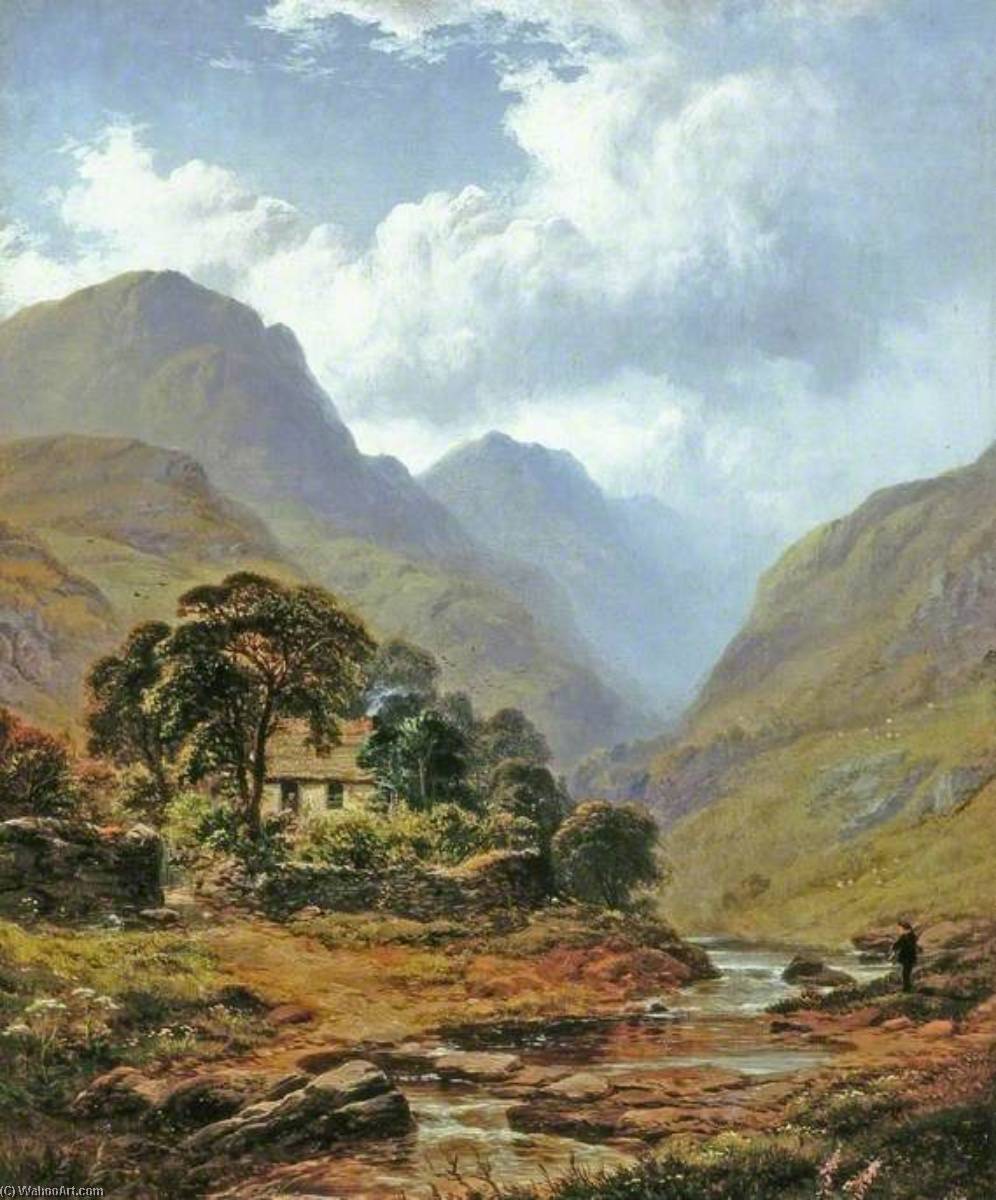
Mountainous Landscape and Stream, Keswick
 Romanticism
 1877
1877 46.0 x 35.0 cm
 Laing Art Gallery
 Ver más
Reproducción al óleo hecha a mano
Óleo sobre lienzo pintado a mano en el tamaño y marco de su elección, realizado por encargo por nuestros artistas. ( Comprar impresión Comprar imagen)




































Elija entre nuestros tamaños predefinidos que respetan las proporciones originales de la obra.

Puede ingresar sus propias dimensiones para adaptarse a un marco o espacio específico. Si el tamaño seleccionado no coincide con las proporciones de la imagen original, recortaremos la obra o extenderemos la pintura con elementos adicionales pintados a mano. Se le enviará una maqueta digital para su aprobación antes de comenzar la producción.
Tenga en cuenta que la vista previa en pantalla no refleja el recorte o la extensión reales. Solo la maqueta mostrará con precisión la composición final.
Si bien existen tamaños personalizados, recomendamos seleccionar una dimensión de la lista predefinida para preservar las proporciones originales.
Tras realizar el pedido, el equipo de ArtsDot.com enviará un correo electrónico al cliente para solicitar instrucciones y proporcionarle una vista previa del boceto.
Envío a todo el mundo () en 3-4 semanas en lugar de las 5 semanas estándar. (23 agosto). Sin comprometer la calidad.

Envío exprés gratuito a todo el mundo

Lienzo de lino de alta calidad

Seguro de envío total

Garantía de reembolso de impuestos aduaneros

Garantía de fidelidad cromática exacta

Política de devolución de 60 días (solo por defectos)

Garantía de devolución del 100% del dinero

Descuento por cantidad
 La opción de vidrio solo está disponible en tamaños inferiores a 110 cm.

Mountainous Landscape and Stream, Keswick
Técnica de reproducción
Dimensiones de la reproducción
-


Precio total final
$ 263
Obras relacionadas
Biografía del artista
George Blackie Sticks (1843 – 1938): A Visionary of Scottish Landscape
George Blackie Sticks was born in Newcastle upon Tyne, Northumberland, England, in 1843—the son of James Sticks, a respected Edinburgh artist. From an early age, he demonstrated a remarkable talent for capturing the grandeur and subtlety of Scotland’s highlands and lochs, establishing himself as one of Northumberland's most distinguished painters by the turn of the century. His artistic journey was marked by unwavering dedication to his craft and a profound connection with the natural world, resulting in a prolific output that continues to inspire admiration today. ### Early Life and Artistic Training Stick’s formative years were spent immersed in the artistic traditions of Edinburgh, where he received instruction from his father—a pivotal influence shaping his stylistic sensibilities. James Sticks instilled in George not only technical proficiency but also an appreciation for Romantic ideals – a fascination with sublime landscapes and emotive storytelling that would permeate Stick's oeuvre throughout his career. While biographical details about Stick’s personal life remain somewhat sparse, archival records indicate he pursued independent study alongside formal training, honing his skills through meticulous observation and experimentation. ### Artistic Style and Influences Stick’s artistic style is undeniably rooted in Romanticism—a movement characterized by an emphasis on emotion, imagination, and the grandeur of nature. He skillfully employed pyramidal compositions to convey depth and perspective, mirroring the towering peaks of Scotland's mountains and reflecting the serene stillness of its lakes. His palette favored muted tones—often dominated by blues and greens—creating atmospheric landscapes imbued with mood and atmosphere. Stick’s artistic vision was profoundly impacted by artists such as Turner and Constable, whose masterful depictions of light and color served as models for his own explorations of visual expression. ### Major Works and Exhibitions Stick's output spanned several decades, producing a substantial body of paintings that showcase the breadth of his artistic talent. Among his most celebrated works are “Derwentwater and Bassenthwaite Lakes,” depicting the tranquil beauty of Lake Derwentwater with remarkable accuracy—a testament to Stick’s meticulous attention to detail and compositional prowess. Similarly, “Glengarry Castle” captures the imposing majesty of Glengarry Castle perched atop a dramatic cliff face, conveying both visual splendor and psychological depth. His paintings were exhibited extensively at prestigious institutions like the Royal Academy and the Royal Scottish Academy, cementing his reputation as a leading figure in British watercolor painting. ### Legacy and Recognition George Blackie Sticks died peacefully in Edinburgh in 1938—leaving behind an enduring legacy as one of Scotland’s foremost landscape artists. His paintings continue to resonate with viewers today—capturing not only the visual splendor of the Scottish Highlands but also conveying a deep appreciation for their spiritual significance. Stick's contribution to British art history is recognized through numerous museum collections and scholarly studies—affirming his place among the most influential painters of his era. He remains an exemplar of Romantic idealism, demonstrating how artistic endeavor can elevate our understanding of the natural world and enrich our emotional experience.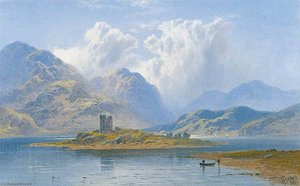
george blackie sticks
1843 - 1938
Datos clave
- Artistic Movement Or Style: Romantic Landscape Art
- Artists Who Influenced This Artist: ['James Sticks']
- Date Of Death: 1938
- Full Name: George Blackie Sticks
- Nationality: British
- Notable Artworks: ['Derwentwater and Bassenthwaite Lakes']
- Place Of Birth: Newcastle
Artículos relacionados

Paisajes Románticos: 10 Obras Maestras que Definieron un Movimiento Artístico
Descubre los 10 paisajes románticos más influyentes de artistas como Caspar David Friedrich y Turner. Explora la belleza, el simbolismo y las técnicas del movimiento romántico. Reproducciones de arte exclusivas en ArtsDot.com.
Alexander Nasmyth: Picturing Scotland's Romantic Landscape – Innovation & Identity
Explore the life & art of Alexander Nasmyth, a pivotal figure in Scottish Romantic landscape painting. Discover his iconic works, including portraits of Robert Burns, and learn about his lasting influence on national identity. Fine art reproductions available.

Evocations of Place: A Historical Journey Through Landscape Art
Explore the rich history of landscape art with ArtsDot. Discover renowned artists, movements like Impressionism & Romanticism, and expert guidance for collecting timeless pieces. Find your perfect serene escape today!

John Constable: Las 25 Obras Maestras del Paisaje Inglés | ArtsDot
Descubre las 25 obras maestras de John Constable, el pintor romántico inglés que capturó la belleza del paisaje. Explora su técnica, historia y significado en ArtsDot.com. Reproducciones de arte de alta calidad para tu hogar.
El Sublime y lo Pintoresco: Explorando la Emoción y la Naturaleza en la Pintura Romántica de Paisaje
Explora la profunda conexión entre el arte romántico y la naturaleza. Descubre a Caspar David Friedrich, John Constable y otros maestros del sublime y lo pintoresco. Análisis experto e historia del movimiento.