

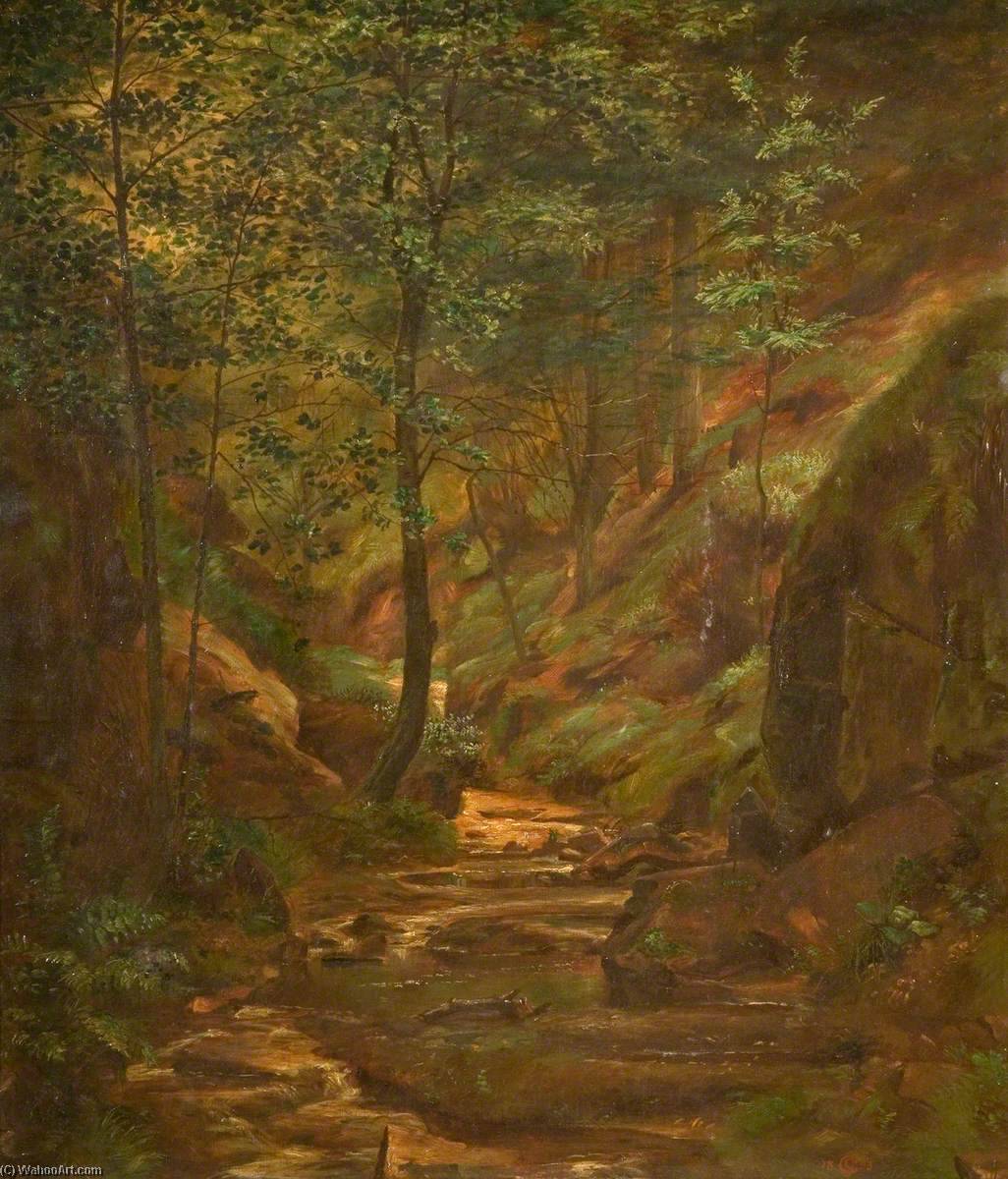
 Vista previa
 Compartir
 Compartir
 Ver detalles

 Descargar
 Ver similares
 Radiografía
 Presentación de diapositivas
Woodland Scene
 1893
1893 60.0 x 50.0 cm
 Leer más
Reproducción al óleo hecha a mano
Óleo sobre lienzo pintado a mano en el tamaño y marco de su elección, realizado por encargo por nuestros artistas. ( Pedir impresión Comprar descarga)




































Elija entre nuestros tamaños predefinidos que respetan las proporciones originales de la obra.

Puede ingresar sus propias dimensiones para adaptarse a un marco o espacio específico. Si el tamaño seleccionado no coincide con las proporciones de la imagen original, recortaremos la obra o extenderemos la pintura con elementos adicionales pintados a mano. Se le enviará una maqueta digital para su aprobación antes de comenzar la producción.
Tenga en cuenta que la vista previa en pantalla no refleja el recorte o la extensión reales. Solo la maqueta mostrará con precisión la composición final.
Si bien existen tamaños personalizados, recomendamos seleccionar una dimensión de la lista predefinida para preservar las proporciones originales.
Tras realizar el pedido, el equipo de ArtsDot.com enviará un correo electrónico al cliente para solicitar instrucciones y proporcionarle una vista previa del boceto.
Envío a todo el mundo () en 3-4 semanas en lugar de las 5 semanas estándar. (21 agosto). Sin comprometer la calidad.

Envío exprés gratuito a todo el mundo

Lienzo de lino de alta calidad

Seguro de envío completo

Garantía de reembolso de aranceles aduaneros

Garantía de fidelidad cromática exacta

Política de devolución de 60 días (solo por defectos)

Garantía de devolución del 100% del dinero

Oferta por volumen
 La opción de vidrio solo está disponible en tamaños inferiores a 110 cm.

Woodland Scene
Técnica de reproducción
Tamaño de la reproducción
-


Precio total
$ 263
Obras relacionadas




Biografía del artista
George Cartlidge: A Painter of Rural Tranquility
George Cartlidge (1868 – 1961) was a British landscape artist renowned for his serene depictions of the Cotswold Hills and surrounding countryside. Born in Horton Parish, Gloucestershire, Cartlidge’s artistic journey began modestly but blossomed into a prolific career marked by meticulous observation and an unwavering commitment to capturing the subtle beauty of the English rural landscape. His paintings are treasured for their atmospheric realism and quiet contemplation, reflecting a profound connection with the natural world that characterized Victorian England.Early Life and Artistic Influences
Cartlidge’s formative years were steeped in Gloucestershire’s artistic heritage. He was educated at Marlborough College and subsequently pursued studies at Slade School of Fine Art in London, where he honed his skills under influential instructors like Frederic Leighton and William Holman Hunt. These mentors instilled in him a deep appreciation for Pre-Raphaelite ideals – emphasizing detailed realism, luminous color palettes, and mythological subjects—which subtly permeated Cartlidge’s artistic sensibilities. The influence of luminism, particularly the work of George Daniell, is evident in his masterful use of light and shadow to convey mood and texture.Cartlidge's Landscape Style: Precision and Impression
Cartlidge distinguished himself from many of his contemporaries through a unique blend of meticulous technique and expressive impressionistic considerations. While adhering to strict anatomical accuracy—a hallmark of Victorian art—he skillfully employed atmospheric perspective, layering colors and brushstrokes to create convincing illusions of depth and distance. Unlike some artists who prioritized fleeting effects of light, Cartlidge painstakingly rendered every element of his scenes with painstaking detail: the individual blades of grass, the weathered stone walls of cottages, and the dappled sunlight filtering through tree branches. His canvases convey a palpable sense of stillness and tranquility, inviting viewers to immerse themselves in the quiet grandeur of the Cotswolds.Notable Works and Recognition
Cartlidge’s artistic output spanned several decades, producing over 300 paintings that are now housed in prominent collections across Britain and internationally. Among his most celebrated works include “Horton Landscape” (1895), a quintessential Cotswold scene capturing the golden hues of autumn foliage; "The Old Mill" (1902), depicting a picturesque watermill nestled amongst rolling hills; and “Mrs Alfred Leese, Aunt to George Cartlidge” (1895), a portrait imbued with warmth and familial affection. His paintings were exhibited regularly at the Royal Academy and garnered critical acclaim for their artistic merit and evocative portrayal of rural life. He was awarded an honorary fellowship by Slade School of Fine Art in 1936, acknowledging his contribution to British art history.Legacy and Enduring Appeal
George Cartlidge’s legacy extends beyond his impressive oeuvre; he remains a symbol of Victorian landscape painting's dedication to capturing the sublime beauty of the English countryside. His paintings continue to resonate with audiences today due to their timeless quality—a testament to his ability to distill complex emotions into simple, elegant compositions. Cartlidge’s work embodies the Victorian ethos of observation and appreciation for nature, reminding us of a bygone era characterized by artistic idealism and a profound connection to the natural world. His paintings are displayed in St George Church, Sopron, Hungary, showcasing Baroque art and Medieval roots.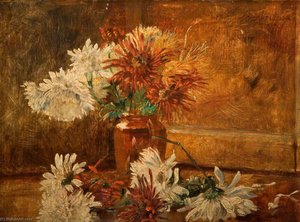
george cartlidge
1868 - 1961
Datos clave
- Artistic Movement Or Style: Romanticism
- Artists Or Movements Influenced By This Artist: ['Hudson River School']
- Artists Who Influenced This Artist: ['John Constable']
- Date Of Birth: 1868
- Date Of Death: 1961
- Full Name: George Cartlidge
- Nationality: British
- Notable Artworks:
- Horton Landscapes
- Field to Daisy House
- Place Of Birth: London, England

