 Ver en contexto
 Enviar
 Compartir
 Detalles

 Descargar
 Similares
 Radiografía
 Presentación de diapositivas
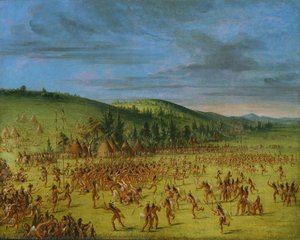
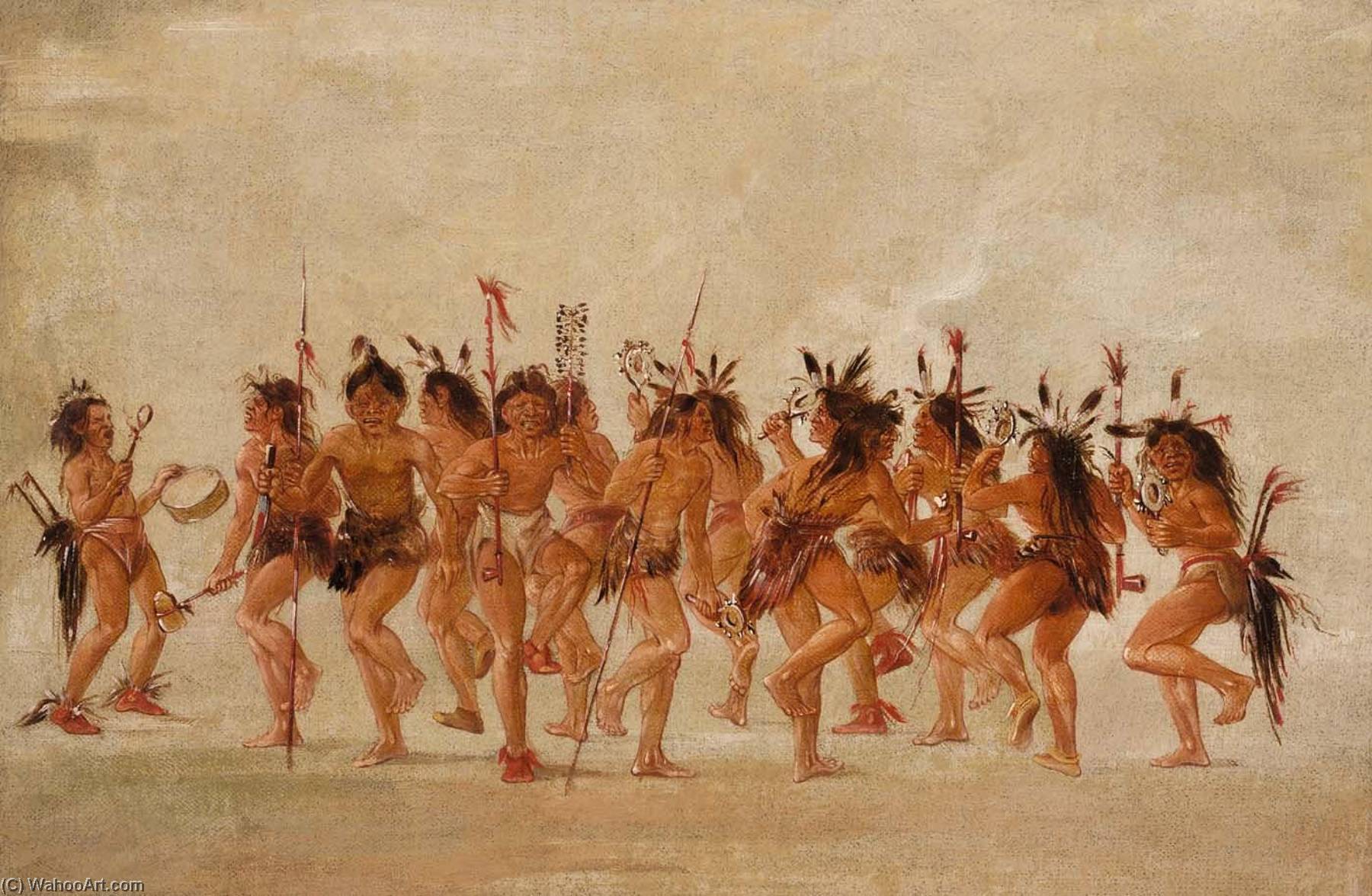
Beggar's Dance, Mouth of Teton River
 Oil On Canvas
- WallArt
- Realism
 1837
1837- 19th Century
 50.0 x 70.0 cm
 Ver más
Giclée / Impresión de arte
Impresiones giclée o en lienzo de calidad de museo con producción rápida y opciones de acabado flexibles. ( Comprar pintura hecha a mano Comprar imagen)




P118B $10

P118H $10

P118W $10

P438Z $10

P508JH $12

P508YH $12

P805H $10

P805Z $10

P919BZ $10

P919G $10

P919XJ $10

P959ZH $10

P968JZ $12

W106C $8

W218G $10

W218JH $8

W218Y $10

W307PJ $10

W316G $10

W316PJ $8

W316Y $10

W398PJ $8

W4111J $10

W500HY $15

W500JH $15

W692G $12

W849H $8

W940BG $15

W953PJ $8




Elija entre nuestros tamaños predefinidos que respetan las proporciones originales de la obra.

Puede introducir sus propias dimensiones para adaptarse a un marco o espacio específico. Si el tamaño seleccionado no coincide con las proporciones de la imagen original, recortaremos la obra de arte o extenderemos la imagen con un borde con efecto espejo o de color sólido. Se enviará una maqueta digital para su aprobación antes de que comience la producción.
Tenga en cuenta que la vista previa en pantalla no refleja el recorte o la extensión real. Solo la maqueta mostrará con precisión la composición final.
Aunque existen tamaños personalizados, recomendamos seleccionar una dimensión de la lista predefinida para preservar las proporciones originales.
Envío a todo el mundo () en 2 semanas en lugar de las 4/5 semanas estándar. (26 agosto)

Envío exprés gratuito a todo el mundo

Lienzo de lino de alta calidad

Seguro de envío total

Garantía de reembolso de impuestos aduaneros

Garantía de fidelidad cromática exacta

Política de devolución de 60 días (solo por defectos)

Garantía de devolución del 100% del dinero

Descuento por cantidad
 La opción de vidrio solo está disponible en tamaños inferiores a 110 cm.

Beggar's Dance, Mouth of Teton River
Giclée / Impresión de arte
Dimensiones de la reproducción
-


Precio total final
$ 62
Descripción de la pieza
A Window into the Vanishing Frontier
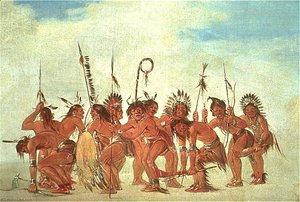
In the evocative oil painting Beggar's Dance, Mouth of Teton River, created in 1837, we are transported to a pivotal moment in American history through the eyes of George Catlin. The canvas breathes with the rhythmic energy of a Native American ceremonial dance, capturing a group of men locked in a dynamic, circular motion. There is an undeniable sense of urgency and vitality in the composition; the figures are arranged closely together, their poses suggesting a continuous, swirling flow that draws the viewer into the heart of the ritual. Through Catlin’s lens, we do not merely observe a scene; we participate in a fleeting moment of cultural expression that was, even in his time, beginning to face the pressures of a changing world.
The color palette is a masterclass in earthy sophistication, dominated by deep browns, warm ochres, and soft tans. These muted tones do more than just ground the painting in a naturalistic setting; they evoke a sense of antiquity and warmth, as if the viewer is looking through a veil of time. The lighting is beautifully diffused, casting gentle shadows that define the musculature of the dancers and the intricate textures of their ceremonial attire. This soft illumination lends an atmospheric, almost spiritual quality to the work, elevating the dance from a mere physical act to a profound cultural ceremony.
Technique and the Impressionistic Touch
While Catlin’s primary mission was one of meticulous documentation, his technique reveals a profound artistic sensitivity that transcends simple reportage. The painting possesses a textured, almost aged appearance, where visible brushstrokes add a layer of depth and tactile richness to the canvas. His approach leans toward a refined realism, yet there is an unmistakable impressionistic influence in the way he handles light and movement. Rather than focusing on hyper-detailed anatomical precision, Catlin prioritizes the essence of the motion—the flutter of a feather, the tension in a limb, and the collective spirit of the group.
The use of organic shapes and expressive linework allows the viewer to feel the weight of the headdresses and the movement of the loincloths. This loose, energetic brushwork prevents the crowded composition from feeling static, instead imbuing it with a sense of life that is palpable. For collectors and interior designers, this technique offers a unique advantage: the painting possesses a sophisticated complexity that rewards close inspection while maintaining a powerful, cohesive presence when viewed from a distance.
Symbolism and Lasting Emotional Resonance
Beyond its aesthetic brilliance, Beggar's Dance serves as a profound historical document. Every element within the frame—from the sacred feather headdresses to the specific ceremonial adornments—carries deep symbolic weight, representing the spiritual interconnectedness of the people with their environment and their ancestors. Catlin, driven by a conviction to preserve these traditions for posterity, captured the very soul of the frontier. The painting acts as a bridge between the established American society of the 19th century and the rich, complex heritage of the Native American tribes.
For those seeking to adorn a space with art that tells a story, this piece offers an unparalleled emotional impact. It evokes feelings of reverence, nostalgia, and awe. Whether placed in a curated gallery setting or as a focal point in a thoughtfully designed living space, this reproduction brings with it the weight of history and the beauty of human resilience. It is not merely a decoration; it is an invitation to contemplate the enduring power of culture and the artistry required to immortalize it.
Obras relacionadas
Biografía del artista
Primeros Años y Carrera
- Nacimiento: 26 de julio de 1796, Wilkes-Barre, Condado de Luzerne, Pensilvania
- Fallecimiento: 23 de diciembre de 1872
- La fascinación de Catlin por los nativos americanos fue despertada por las historias de su madre sobre la frontera occidental y su captura por una tribu.
- Sus primeros trabajos incluyeron grabados de sitios a lo largo de la ruta del Canal de Erie en el estado de Nueva York, publicados en el memorándum de Cadwallader D. Colden.
Contribuciones Artísticas & Estilo
- El enfoque principal de Catlin se convirtió en documentar la vida y la cultura nativa americana a través de la pintura.
- Realizó cinco expediciones al oeste americano durante la década de 1830, observando meticulosamente y registrando sus experiencias.
- Obras Notables:
- Juego de Pelota de los Choctaw – Muestra atención al detalle y captura de la cultura nativa americana.
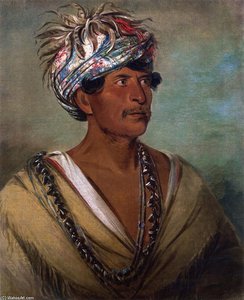
- Mó-sho-la-túb-bee, Él que Apaga y Mata, Jefe de la Tribu – Demuestra habilidad en el retrato y dedicación a preservar el patrimonio.
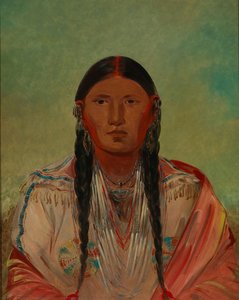
- Una Mujer Seminola – Destaca su capacidad para capturar belleza y dignidad.
- Estilo: El estilo de Catlin se caracteriza por el realismo, los colores vibrantes y un deseo de representar con precisión las costumbres y tradiciones nativas americanas. A menudo incluía fondos detallados y paisajes para proporcionar contexto a sus sujetos.
Logros Mayores & La Galería India
- Catlin creó una extensa colección de más de 500 pinturas que representan varias tribus y aspectos de sus vidas.
- Compiló estas obras en lo que se conoció como la "Galería India", un registro visual completo de la cultura nativa americana.
- La Galería India fue exhibida en Londres, París y Berlín, obteniendo reconocimiento internacional para el trabajo de Catlin.
- Sus publicaciones, incluyendo Manners, Customs, and Condition of the North American Indians (1841) y Last Rambles Amongst the Indians of the Rocky Mountains and the Andes (1868), solidificaron aún más su reputación como una autoridad sobre la cultura nativa americana.
Vida Posterior & Significado Histórico
- Catlin pasó sus últimos años intentando vender su Galería India al gobierno de los Estados Unidos, enfrentándose a rechazos iniciales.
- Recreó más de 400 pinturas en una "colección de cartones".
- A pesar de los desafíos, el trabajo de Catlin ha tenido un impacto duradero en la forma en que se representan a los nativos americanos en el arte y la cultura popular.
- Significado Histórico: La documentación meticulosa de Catlin proporciona valiosas perspectivas sobre las vidas de las tribus nativas americanas antes de cambios culturales significativos debido a la expansión hacia el oeste. Su trabajo se considera un importante registro histórico, así como un logro artístico.
Influencias & Información Adicional
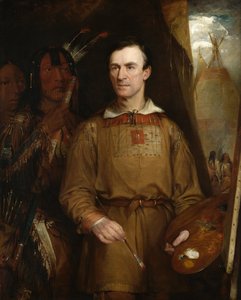
George Catlin
1796 - 1872 , Estados Unidos de América
Datos clave
- Fecha De Fallecimiento: 23 de diciembre de 1872
- Fecha De Nacimiento: 26 de julio de 1796
- Lugar De Nacimiento: Wilkes-Barre, EE. UU.
- Movimiento Artístico: Pintura de frontera
- Nacionalidad: Estadounidense
- Nombre Completo: George Catlin
- Obras Notables:
- Juego de pelota de los Choctaw
- Mó-sho-la-túb-bee, Jefe
- Una mujer seminola
- Praderas ardientes
- Little Wolf, Guerrero famoso
Artículos relacionados

Georges Braque: Las 25 Obras Maestras del Cubismo y su Legado en el Arte Moderno
Descubre las 25 obras maestras de Georges Braque, pionero del cubismo. Explora su innovadora técnica, colores y el legado del arte moderno francés. Reproducciones de alta calidad en ArtsDot.com. ¡Encuentra tu inspiración!
George Catlin: Witnessing & Representing Indigenous Life on the American Frontier
Explore the captivating art of George Catlin, renowned for his vivid portraits & landscapes documenting Native American life on the frontier. Discover a vanishing world through stunning paintings and historical context.

Georges Seurat: Las 25 Obras Maestras del Pionero Puntillista | ArtsDot
Descubre las 25 obras maestras de Georges Seurat, el innovador del puntillismo. Explora su técnica única, colores vibrantes y legado artístico en ArtsDot.com. Reproducciones de arte de museo para tu hogar.
James Otto Lewis: Navigating American Modernism Through Regional Identity & Stylistic Innovation
Explore the captivating portraits of James Otto Lewis, a pivotal figure bridging 19th-century realism & American Modernism. Discover his groundbreaking work documenting Native American culture and regional identity.
Grant Wood & American Regionalism: Identity, Myth & the Rural Landscape
Explore the world of Grant Wood & American Regionalism with ArtsDot. Discover the symbolism behind 'American Gothic', recurring themes, and the movement's lasting impact on art history. High-quality reproductions available.