

 Ver en contexto
 Enviar
 Compartir
 Detalles

 Descargar
 Similares
 Radiografía
 Presentación de diapositivas
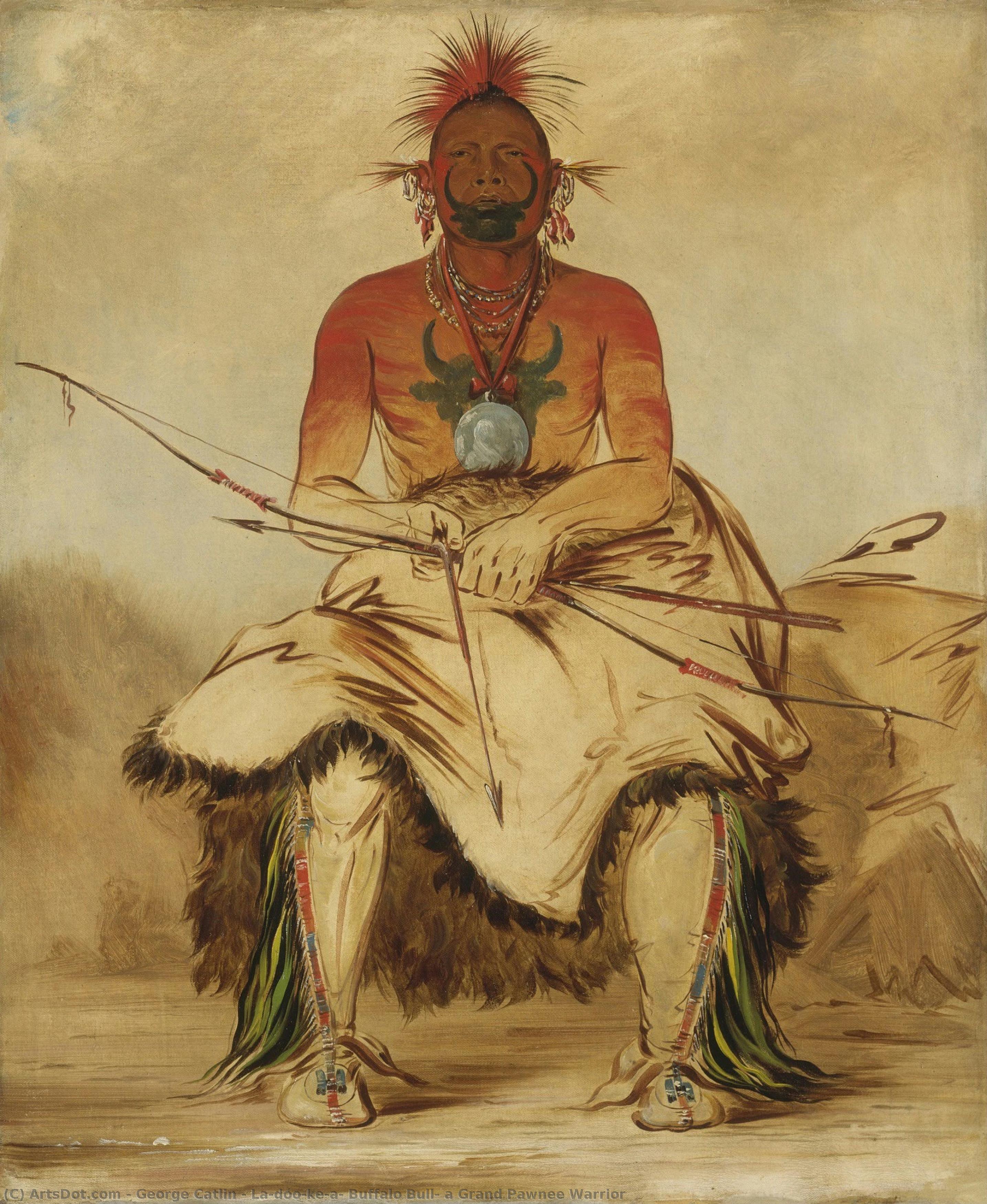
La-dóo-ke-a, Buffalo Bull, a Grand Pawnee Warrior
 Óleo sobre lienzo
- Arte de pared
- American Frontier Painting
 1832
1832 73.0 x 60.0 cm
 Museo Smithsonian de Arte Americano
 Ver más
Adquiera una imagen digital de alta resolución y optimizada, muy superior a la vista previa en línea.
Cada archivo es preparado meticulosamente por nuestros especialistas internos mediante el uso de herramientas avanzadas y un experto retoque manual. Nos aseguramos de que cada imagen posea una claridad excepcional, una precisión cromática impecable y un detalle minucioso.
El archivo final se entrega por correo electrónico en un plazo de 72 horas, optimizado para su uso inmediato en entornos profesionales, editoriales y de impresión. Esta es la misma calidad en la que confían los estudios de diseño, las editoriales y las galerías de primer nivel.
Imagen Digital
Descarga un archivo de alta resolución para exhibición personal, impresión y proyectos creativos. ( Comprar impresión Comprar pintura hecha a mano)
Incluido en cada pedido de imágenes digitales
Entrega digital experta, garantizada.
Al elegir ArtsDot.com, no solo está adquiriendo una imagen; está recibiendo una obra de arte digital mejorada profesionalmente, elaborada con precisión y respaldada por una garantía de satisfacción. Esto es todo lo que incluye su pedido, automáticamente:

Entrega rápida por email
Recibirá su archivo de imagen digital en alta resolución por correo electrónico en un plazo de 72 horas tras realizar su pedido, listo para su uso inmediato.

Archivo digital optimizado por IA
Su obra de arte se optimiza profesionalmente mediante herramientas avanzadas de IA y edición manual, garantizando el máximo detalle, claridad y precisión cromática.

Reenvío gratuito de por vida
¿Has borrado o perdido tu archivo por error? No te preocupes: te lo volveremos a enviar en cualquier momento, sin coste adicional.

Sin gastos de importación, siempre
Disfrute de su obra de arte al instante sin aduanas, aranceles ni gastos de envío; las descargas digitales siempre están libres de impuestos.

Garantía de fidelidad de color
Garantizamos que su imagen digital refleje los colores originales con la mayor fidelidad posible, mediante el uso de herramientas profesionales y gestión del color.

Garantía de satisfacción de 60 días
Si no está satisfecho con su imagen digital, la revisaremos o le reembolsaremos el 100% en un plazo de 60 días, sin preguntas.

100% Garantía de devolución de dinero
¿No está satisfecho? Obtenga un reembolso completo dentro de los 60 días posteriores a la recepción de su archivo digital, sin necesidad de explicaciones.

Descuentos por pedidos grandes
Compra 3 imágenes, ahorra 10% - Compra 5, ahorra 15% - Compra 10+, ahorra 20%. Ideal para proyectos creativos, galerías y agencias.
Descripción del coleccionable
A Warrior’s Presence: George Catlin's “La-dóo-ke-a, Buffalo Bull, a Grand Pawnee Warrior”
George Catlin’s “La-dóo-ke-a, Buffalo Bull, a Grand Pawnee Warrior,” painted in 1832, is more than just a portrait; it's a poignant window into the vanishing world of the American West and a testament to Catlin’s pioneering approach to Native American art. The painting depicts La-dóo-ke-a, a prominent figure within the Pawnee Nation, seated with quiet dignity on the ground, his bow and arrows resting beside him – symbols of both his warrior status and his connection to the land. The scene is rendered in Catlin’s signature style: bold, expressive brushstrokes that capture not just physical likeness but also an underlying sense of character and spirit. The composition itself is carefully considered; La-dóo-ke-a dominates the frame, drawing the viewer's eye immediately to his face – a face etched with both strength and a hint of melancholy, reflecting perhaps the anxieties surrounding the encroachment of European settlement on Native American territories.The Artist’s Mission: Documenting a Culture in Transition
George Catlin’s fascination with Native Americans stemmed from a deeply personal connection to his own upbringing. His mother recounted tales of Indian raids, shaping his childhood imagination and fueling a desire to preserve the traditions he feared were disappearing. This early exposure led him to abandon a legal career and dedicate himself to documenting the lives of these tribes – an endeavor largely unprecedented at the time. “La-dóo-ke-a” exemplifies this mission; it’s not simply a depiction of a warrior, but a deliberate attempt to capture the essence of Pawnee identity, their customs, and their relationship with the natural world. Catlin traveled extensively throughout the 1830s, immersing himself in Native American communities, learning their languages, and painstakingly recording their appearances through painting and writing. His work was driven by a genuine respect for these cultures and a conviction that their stories deserved to be told – before they were lost forever.Symbolism of Regalia: A Warrior’s Identity
Every element within the painting is laden with symbolic meaning. La-dóo-ke-a's headdress, crafted from feathers representing his rank and achievements, speaks to his status as a “Grand Pawnee Warrior.” The buffalo head (or *totem*) painted on his breast – a powerful symbol of strength, resilience, and connection to the bison, a cornerstone of the Pawnee economy and spiritual life – underscores his role within the tribe. The loincloth and blanket, while practical garments, also represent his identity as a warrior and a member of the Pawnee Nation. Even the posture—seated with quiet confidence—communicates an inherent dignity and authority. Catlin deliberately chose to portray La-dóo-ke-a in a way that celebrated his heritage rather than presenting him as a savage or exotic subject, reflecting his commitment to portraying Native Americans with respect and accuracy.Technique and Emotional Impact: A Pioneer’s Approach
Catlin's technique is immediately recognizable – characterized by loose, expressive brushstrokes and a vibrant palette. He employed a method he called “bordering,” where he would paint the figure first, then quickly add the background, capturing the immediacy of the moment. This approach allowed him to convey not just the appearance but also the *feeling* of the subject. “La-dóo-ke-a” is particularly notable for its emotional depth; the painting evokes a sense of quiet strength and dignity, tempered by an underlying sadness—perhaps reflecting the inevitable changes that were sweeping across Native American lands. The unfinished quality of the work – evident in the partially obscured buffalo head – adds to this effect, suggesting a fleeting moment captured before time inevitably marches on. Reproductions of this painting offer a powerful connection to a pivotal period in American history and a poignant reminder of the cultures lost along the way.- Size: 73 x 60 cm (28 ¾ x 23 ½ inches)
- Date: 1832
- Medium: Oil on Canvas
- Location: Smithsonian American Art Museum, Washington D.C.
Obras relacionadas
Biografía del artista
Primeros Años y Carrera
- Nacimiento: 26 de julio de 1796, Wilkes-Barre, Condado de Luzerne, Pensilvania
- Fallecimiento: 23 de diciembre de 1872
- La fascinación de Catlin por los nativos americanos fue despertada por las historias de su madre sobre la frontera occidental y su captura por una tribu.
- Sus primeros trabajos incluyeron grabados de sitios a lo largo de la ruta del Canal de Erie en el estado de Nueva York, publicados en el memorándum de Cadwallader D. Colden.
Contribuciones Artísticas & Estilo
- El enfoque principal de Catlin se convirtió en documentar la vida y la cultura nativa americana a través de la pintura.
- Realizó cinco expediciones al oeste americano durante la década de 1830, observando meticulosamente y registrando sus experiencias.
- Obras Notables:
- Juego de Pelota de los Choctaw – Muestra atención al detalle y captura de la cultura nativa americana.
- Mó-sho-la-túb-bee, Él que Apaga y Mata, Jefe de la Tribu – Demuestra habilidad en el retrato y dedicación a preservar el patrimonio.
- Una Mujer Seminola – Destaca su capacidad para capturar belleza y dignidad.
- Estilo: El estilo de Catlin se caracteriza por el realismo, los colores vibrantes y un deseo de representar con precisión las costumbres y tradiciones nativas americanas. A menudo incluía fondos detallados y paisajes para proporcionar contexto a sus sujetos.
Logros Mayores & La Galería India
- Catlin creó una extensa colección de más de 500 pinturas que representan varias tribus y aspectos de sus vidas.
- Compiló estas obras en lo que se conoció como la "Galería India", un registro visual completo de la cultura nativa americana.
- La Galería India fue exhibida en Londres, París y Berlín, obteniendo reconocimiento internacional para el trabajo de Catlin.
- Sus publicaciones, incluyendo Manners, Customs, and Condition of the North American Indians (1841) y Last Rambles Amongst the Indians of the Rocky Mountains and the Andes (1868), solidificaron aún más su reputación como una autoridad sobre la cultura nativa americana.
Vida Posterior & Significado Histórico
- Catlin pasó sus últimos años intentando vender su Galería India al gobierno de los Estados Unidos, enfrentándose a rechazos iniciales.
- Recreó más de 400 pinturas en una "colección de cartones".
- A pesar de los desafíos, el trabajo de Catlin ha tenido un impacto duradero en la forma en que se representan a los nativos americanos en el arte y la cultura popular.
- Significado Histórico: La documentación meticulosa de Catlin proporciona valiosas perspectivas sobre las vidas de las tribus nativas americanas antes de cambios culturales significativos debido a la expansión hacia el oeste. Su trabajo se considera un importante registro histórico, así como un logro artístico.
Influencias & Información Adicional
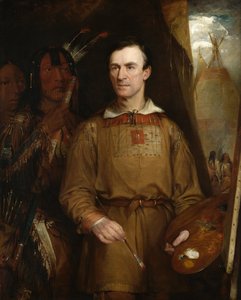
George Catlin
1796 - 1872 , Estados Unidos de América
Breves datos
- Fecha De Fallecimiento: 23 de diciembre de 1872
- Fecha De Nacimiento: 26 de julio de 1796
- Lugar De Nacimiento: Wilkes-Barre, EE. UU.
- Movimiento Artístico: Pintura de frontera
- Nacionalidad: Estadounidense
- Nombre Completo: George Catlin
- Obras Notables:
- Juego de pelota de los Choctaw
- Mó-sho-la-túb-bee, Jefe
- Una mujer seminola
- Praderas ardientes
- Little Wolf, Guerrero famoso

