 Ver en contexto
 Enviar
 Compartir
 Detalles

 Descargar
 Similares
 Radiografía
 Presentación de diapositivas
 Estadísticas
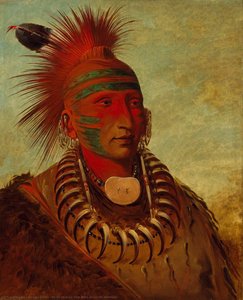
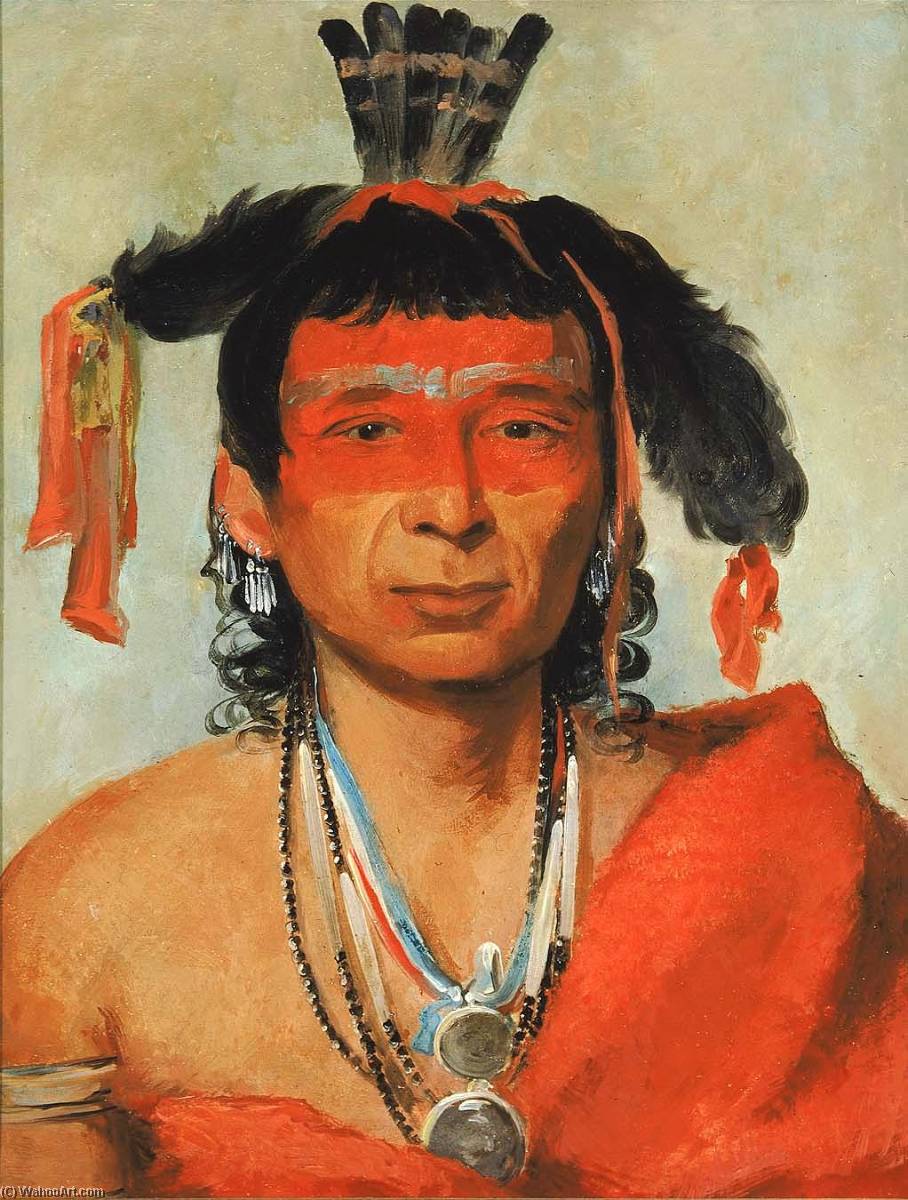
Másh kee wet, a Great Dandy
 Oil
Oil- WallArt
 1831
1831- 19th Century
 54.0 x 42.0 cm
 Ver más
Reproducción al óleo hecha a mano
Óleo sobre lienzo pintado a mano en el tamaño y marco de su elección, realizado por encargo por nuestros artistas. ( Cambiar a Impresión Cambiar a imagen digital)




P118B $10

P118H $10

P118W $10

P438Z $10

P508JH $12

P508YH $12

P805H $10

P805Z $10

P919BZ $10

P919G $10

P919XJ $10

P959ZH $10

P968JZ $12

W106C $8

W218G $10

W218JH $8

W218Y $10

W307PJ $10

W316G $10

W316PJ $8

W316Y $10

W398PJ $8

W4111J $10

W500HY $15

W500JH $15

W692G $12

W849H $8

W940BG $15

W953PJ $8




Elija entre nuestros tamaños predefinidos que respetan las proporciones originales de la obra.

Puede ingresar sus propias dimensiones para adaptarse a un marco o espacio específico. Si el tamaño seleccionado no coincide con las proporciones de la imagen original, recortaremos la obra o extenderemos la pintura con elementos adicionales pintados a mano. Se le enviará una maqueta digital para su aprobación antes de comenzar la producción.
Tenga en cuenta que la vista previa en pantalla no refleja el recorte o la extensión reales. Solo la maqueta mostrará con precisión la composición final.
Si bien existen tamaños personalizados, recomendamos seleccionar una dimensión de la lista predefinida para preservar las proporciones originales.
Tras realizar el pedido, el equipo de ArtsDot.com enviará un correo electrónico al cliente para solicitar instrucciones y proporcionarle una vista previa del boceto.
Envío a todo el mundo () en 3-4 semanas en lugar de las 5 semanas estándar. (9 septiembre). Sin comprometer la calidad.

Envío exprés gratuito a todo el mundo

Lienzo de lino de alta calidad

Seguro de envío total

Garantía de reembolso de impuestos aduaneros

Garantía de fidelidad cromática exacta

Política de devolución de 100 días (solo por defectos)

Garantía de devolución del 100% del dinero

Descuento por cantidad
 La opción de vidrio solo está disponible en tamaños inferiores a 110 cm.

Másh kee wet, a Great Dandy
Técnica de reproducción
Dimensiones de la reproducción
-


Precio total final
$ 263
A Glimpse into the Soul of the Frontier
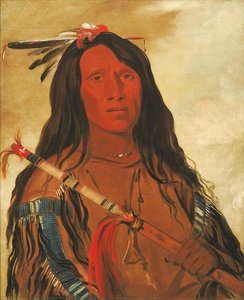
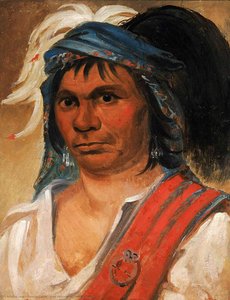
In the evocative portrait Másh kee wet, a Great Dandy, painted in 1831, we are transported back to a pivotal moment in American history. The canvas serves as a profound window into the life of a Native American man, captured with such intimacy that his presence feels almost tangible. George Catlin, an artist driven by a mission to document the vanishing traditions of the Great Plains, presents us with a subject of immense dignity and striking visual complexity. The central figure, adorned in a magnificent headdress of sweeping feathers, commands the viewer's attention with a gaze that is both piercing and profoundly serious. His face, marked by deliberate red paint designs, tells a story of ritual, identity, and status, while the intricate necklace resting against his chest hints at the wealth and cultural significance of his position within his community.
The composition of this work extends beyond the singular focus of the protagonist. As the eye wanders across the 54 x 42 cm frame, two other figures emerge from the periphery, standing like silent sentinels behind the main subject. This layering of figures creates a sense of depth and social context, suggesting that while we are focused on the "Great Dandy," he is part of a larger, vibrant, and interconnected social fabric. The subtle interplay between the foregrounded individual and his companions adds a narrative tension, inviting the viewer to wonder about their relationship and the shared history that binds them together in this frozen moment of time.
The Mastery of Catlin’s Documentarian Vision
George Catlin’s technique in this piece reflects his unique position as both an artist and an ethnographer. Eschewing the polished, idealized styles common in European portraiture of the era, Catlin employs a more direct and honest approach to capturing texture and character. The brushwork, while precise enough to render the delicate structure of each feather and the subtle sheen of the face paint, retains a raw, energetic quality that mirrors the untamed spirit of the American frontier. This stylistic choice allows the textures—the softness of the plumage, the matte finish of the skin, and the weight of the ornaments—to resonate with an authentic, tactile reality.
For the discerning collector or interior designer, this painting offers more than mere decoration; it provides a profound emotional resonance. The color palette, dominated by earthy tones punctuated by the striking red of the facial markings, creates a sense of warmth and groundedness that can anchor a sophisticated room. Whether placed in a curated gallery setting or as a focal point in a contemporary living space, Másh kee wet, a Great Dandy acts as a conversation piece that bridges the gap between the past and the present. It is an invitation to contemplate the resilience of culture and the enduring power of the human spirit, making it an invaluable acquisition for those who seek art that possesses both historical weight and timeless aesthetic beauty.
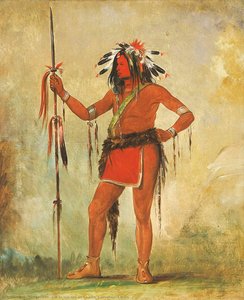
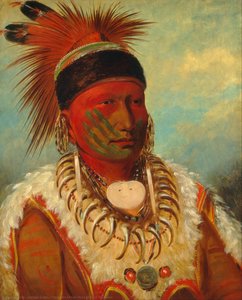
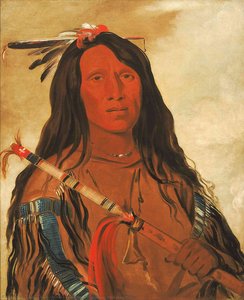
Obras relacionadas
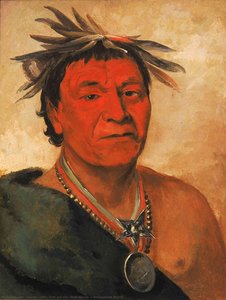
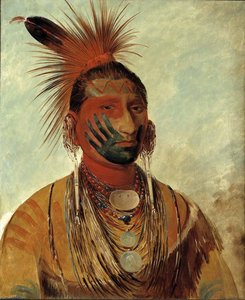
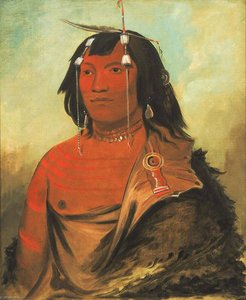
Biografía del artista
Primeros Años y Carrera
- Nacimiento: 26 de julio de 1796, Wilkes-Barre, Condado de Luzerne, Pensilvania
- Fallecimiento: 23 de diciembre de 1872
- La fascinación de Catlin por los nativos americanos fue despertada por las historias de su madre sobre la frontera occidental y su captura por una tribu.
- Sus primeros trabajos incluyeron grabados de sitios a lo largo de la ruta del Canal de Erie en el estado de Nueva York, publicados en el memorándum de Cadwallader D. Colden.
Contribuciones Artísticas & Estilo
- El enfoque principal de Catlin se convirtió en documentar la vida y la cultura nativa americana a través de la pintura.
- Realizó cinco expediciones al oeste americano durante la década de 1830, observando meticulosamente y registrando sus experiencias.
- Obras Notables:
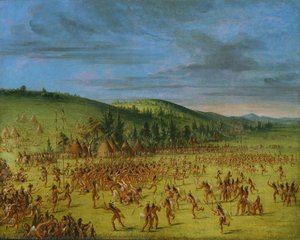
- Juego de Pelota de los Choctaw – Muestra atención al detalle y captura de la cultura nativa americana.
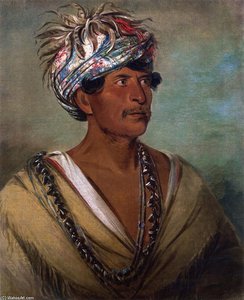
- Mó-sho-la-túb-bee, Él que Apaga y Mata, Jefe de la Tribu – Demuestra habilidad en el retrato y dedicación a preservar el patrimonio.
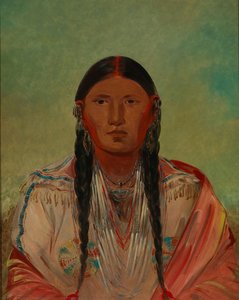
- Una Mujer Seminola – Destaca su capacidad para capturar belleza y dignidad.
- Estilo: El estilo de Catlin se caracteriza por el realismo, los colores vibrantes y un deseo de representar con precisión las costumbres y tradiciones nativas americanas. A menudo incluía fondos detallados y paisajes para proporcionar contexto a sus sujetos.
Logros Mayores & La Galería India
- Catlin creó una extensa colección de más de 500 pinturas que representan varias tribus y aspectos de sus vidas.
- Compiló estas obras en lo que se conoció como la "Galería India", un registro visual completo de la cultura nativa americana.
- La Galería India fue exhibida en Londres, París y Berlín, obteniendo reconocimiento internacional para el trabajo de Catlin.
- Sus publicaciones, incluyendo Manners, Customs, and Condition of the North American Indians (1841) y Last Rambles Amongst the Indians of the Rocky Mountains and the Andes (1868), solidificaron aún más su reputación como una autoridad sobre la cultura nativa americana.
Vida Posterior & Significado Histórico
- Catlin pasó sus últimos años intentando vender su Galería India al gobierno de los Estados Unidos, enfrentándose a rechazos iniciales.
- Recreó más de 400 pinturas en una "colección de cartones".
- A pesar de los desafíos, el trabajo de Catlin ha tenido un impacto duradero en la forma en que se representan a los nativos americanos en el arte y la cultura popular.
- Significado Histórico: La documentación meticulosa de Catlin proporciona valiosas perspectivas sobre las vidas de las tribus nativas americanas antes de cambios culturales significativos debido a la expansión hacia el oeste. Su trabajo se considera un importante registro histórico, así como un logro artístico.
Influencias & Información Adicional
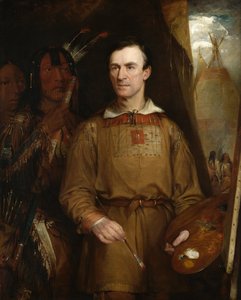
George Catlin
1796 - 1872 , Estados Unidos de América
Datos clave
- Fecha De Fallecimiento: 23 de diciembre de 1872
- Fecha De Nacimiento: 26 de julio de 1796
- Lugar De Nacimiento: Wilkes-Barre, EE. UU.
- Movimiento Artístico: Pintura de frontera
- Nacionalidad: Estadounidense
- Nombre Completo: George Catlin
- Obras Notables:
- Juego de pelota de los Choctaw
- Mó-sho-la-túb-bee, Jefe
- Una mujer seminola
- Praderas ardientes
- Little Wolf, Guerrero famoso
Artículos relacionados

Realismo Estadounidense: 10 Obras Maestras que Cambiaron el Arte y la Decoración
Descubre 10 obras maestras del Realismo Estadounidense: Winslow Homer, Edward Hopper y más. Explora la historia, técnica y emoción de estos icónicos cuadros. Encuentra reproducciones de arte de museo en ArtsDot.com.
James Otto Lewis: Navigating American Modernism Through Regional Identity & Stylistic Innovation
Explore the captivating portraits of James Otto Lewis, a pivotal figure bridging 19th-century realism & American Modernism. Discover his groundbreaking work documenting Native American culture and regional identity.
Alfred Jacob Miller: Chronicling the American West Through Artistic Observation & Narrative
Explore the captivating art of Alfred Jacob Miller, chronicler of the American West. Discover his iconic paintings, techniques & lasting legacy – a valuable addition to any serious collection. Learn more at ArtsDot.

Crimson Threads of Narrative: Exploring Symbolism & Representation in Artworks Featuring the Red Dress
Explore the rich symbolism of the red dress in art history! From ancient power displays to iconic portraits like Cézanne’s 'Madame Cezanne', discover the cultural and artistic significance behind this captivating color. Expert analysis & insights.
Grant Wood & American Regionalism: Identity, Myth & the Rural Landscape
Explore the world of Grant Wood & American Regionalism with ArtsDot. Discover the symbolism behind 'American Gothic', recurring themes, and the movement's lasting impact on art history. High-quality reproductions available.