 Ver en contexto
 Enviar
 Compartir
 Detalles

 Descargar
 Similares
 Radiografía
 Presentación de diapositivas
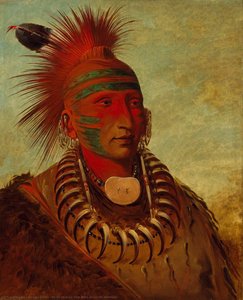
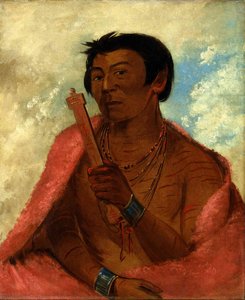
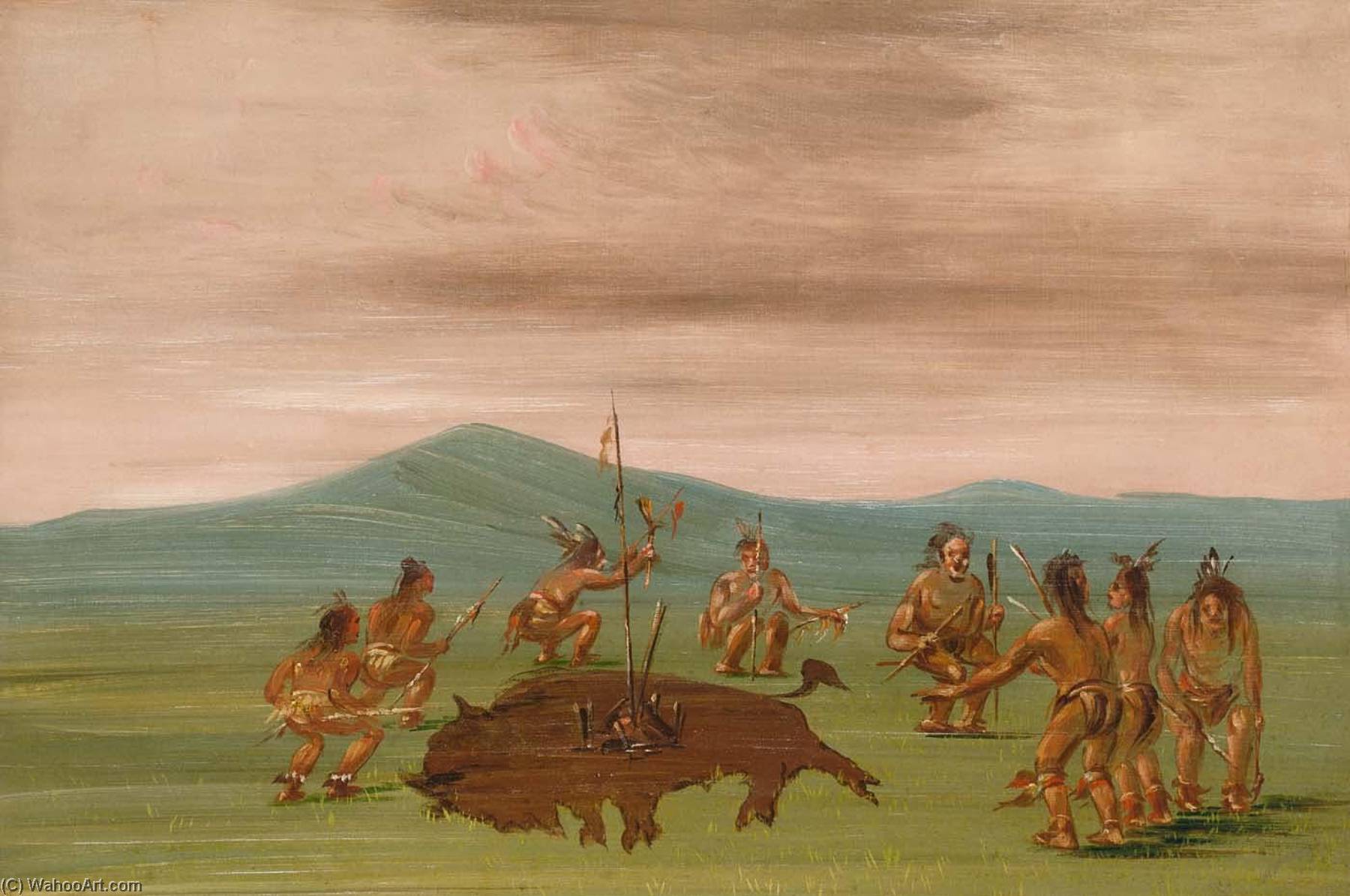
Medicine Buffalo of the Sioux
 Oil On Canvas
- WallArt
- American Romanticism
 1839
1839- 19th Century
 50.0 x 70.0 cm
 Ver más
Reproducción al óleo hecha a mano
Óleo sobre lienzo pintado a mano en el tamaño y marco de su elección, realizado por encargo por nuestros artistas. ( Comprar impresión Comprar imagen)




P118B $10

P118H $10

P118W $10

P438Z $10

P508JH $12

P508YH $12

P805H $10

P805Z $10

P919BZ $10

P919G $10

P919XJ $10

P959ZH $10

P968JZ $12

W106C $8

W218G $10

W218JH $8

W218Y $10

W307PJ $10

W316G $10

W316PJ $8

W316Y $10

W398PJ $8

W4111J $10

W500HY $15

W500JH $15

W692G $12

W849H $8

W940BG $15

W953PJ $8




Elija entre nuestros tamaños predefinidos que respetan las proporciones originales de la obra.

Puede ingresar sus propias dimensiones para adaptarse a un marco o espacio específico. Si el tamaño seleccionado no coincide con las proporciones de la imagen original, recortaremos la obra o extenderemos la pintura con elementos adicionales pintados a mano. Se le enviará una maqueta digital para su aprobación antes de comenzar la producción.
Tenga en cuenta que la vista previa en pantalla no refleja el recorte o la extensión reales. Solo la maqueta mostrará con precisión la composición final.
Si bien existen tamaños personalizados, recomendamos seleccionar una dimensión de la lista predefinida para preservar las proporciones originales.
Tras realizar el pedido, el equipo de ArtsDot.com enviará un correo electrónico al cliente para solicitar instrucciones y proporcionarle una vista previa del boceto.
Envío a todo el mundo () en 3-4 semanas en lugar de las 5 semanas estándar. (26 agosto). Sin comprometer la calidad.

Envío exprés gratuito a todo el mundo

Lienzo de lino de alta calidad

Seguro de envío total

Garantía de reembolso de impuestos aduaneros

Garantía de fidelidad cromática exacta

Política de devolución de 60 días (solo por defectos)

Garantía de devolución del 100% del dinero

Descuento por cantidad
 La opción de vidrio solo está disponible en tamaños inferiores a 110 cm.

Medicine Buffalo of the Sioux
Técnica de reproducción
Dimensiones de la reproducción
-


Precio total final
$ 413
Descripción de la obra
A Vision of the Sacred Frontier
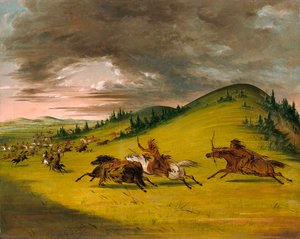
In the vast, sweeping annals of American art history, few works capture the raw, spiritual essence of the Great Plains as poignantly as George Catlin’s 1839 masterpiece, Medicine Buffalo of the Sioux. This evocative oil on canvas serves as more than a mere historical record; it is a window into a vanishing world, a moment frozen in time where the boundaries between the human spirit and the natural realm blur. The painting presents a scene of profound ritualistic significance, depicting Native American hunters in the triumphant yet solemn aftermath of a buffalo hunt. Through Catlin’s eyes, we do not merely observe a successful harvest; we witness a sacred communion between a people and the animal that provided their very sustenance.
The composition is masterfully arranged to draw the viewer into the heart of the celebration. At the center of this dramatic tableau lies the fallen buffalo, an icon of abundance and strength. The figures surrounding the beast are positioned with a dynamic energy that suggests movement and life, even in the presence of death. Catlin employs a style that is both realistic and beautifully stylized, utilizing a flattened perspective reminiscent of early 19th-century illustrative traditions to create a stage-like quality. This technique focuses the viewer's attention on the intricate details of the hunters' attire and their expressive poses, emphasizing the communal triumph and the shared identity forged through survival and tradition.
Technique, Texture, and the Earthly Palette
To behold this reproduction is to appreciate the meticulous craftsmanship required to replicate Catlin’s original vision. The artwork is characterized by a rich, earthy color palette, dominated by deep ochres, muted browns, and subtle grays, which ground the scene in the rugged reality of the American frontier. Hints of soft blue and atmospheric haze in the background provide a sense of depth, suggesting an expansive, overcast sky that blankets the plains in a diffused, natural light. This lighting avoids harsh shadows, instead bathing the subjects in a gentle glow that highlights the textures of the landscape and the organic shapes of the figures.
The technique is defined by visible, expressive brushstrokes that lend the piece an undeniable sense of immediacy and authenticity. There is a beautiful contrast between the smooth, sweeping rendering of the sky and the more tactile, textured depictions of the hunters' clothing and skin. For the discerning collector or interior designer, these nuances offer a sophisticated layer of visual interest. The interplay of light and shadow, combined with the deliberate layering of paint, creates a sense of movement—as if the buffalo might leap from the canvas at any moment—making it a captivating centerpiece for any curated collection.
A Legacy of Cultural Documentation
Beyond its aesthetic brilliance, Medicine Buffalo of the Sioux carries immense historical weight. George Catlin, driven by an urgent mission to document the customs and traditions of Native American tribes before they were irrevocably altered by westward expansion, poured his soul into his work. His background, shaped by tales of the frontier, allowed him to approach his subjects with a deep-seated respect and an eye for the profound spiritual connections inherent in their way of life. The buffalo, depicted here not just as prey but as a sacred entity, symbolizes the delicate balance of nature that Catlin sought to immortalize.
For those looking to bring a piece of this storied heritage into their homes or galleries, this high-quality handmade oil painting reproduction offers an unparalleled opportunity. It is an investment in art that speaks to themes of resilience, community, and the enduring power of nature. Whether placed in a grand library, a contemporary living space, or a professional design setting, this work serves as a powerful conversation piece, inviting all who gaze upon it to reflect on the beauty of our shared human history and the profound mysteries of the wild.
Obras relacionadas
Biografía del artista
Primeros Años y Carrera
- Nacimiento: 26 de julio de 1796, Wilkes-Barre, Condado de Luzerne, Pensilvania
- Fallecimiento: 23 de diciembre de 1872
- La fascinación de Catlin por los nativos americanos fue despertada por las historias de su madre sobre la frontera occidental y su captura por una tribu.
- Sus primeros trabajos incluyeron grabados de sitios a lo largo de la ruta del Canal de Erie en el estado de Nueva York, publicados en el memorándum de Cadwallader D. Colden.
Contribuciones Artísticas & Estilo
- El enfoque principal de Catlin se convirtió en documentar la vida y la cultura nativa americana a través de la pintura.
- Realizó cinco expediciones al oeste americano durante la década de 1830, observando meticulosamente y registrando sus experiencias.
- Obras Notables:
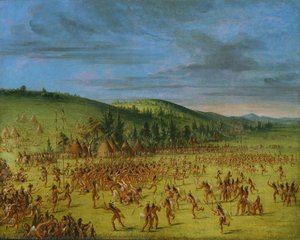
- Juego de Pelota de los Choctaw – Muestra atención al detalle y captura de la cultura nativa americana.
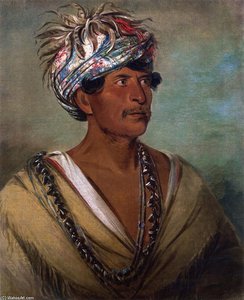
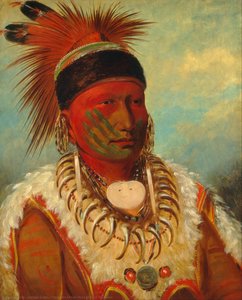
- Mó-sho-la-túb-bee, Él que Apaga y Mata, Jefe de la Tribu – Demuestra habilidad en el retrato y dedicación a preservar el patrimonio.
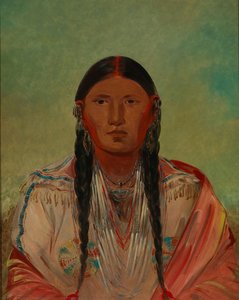
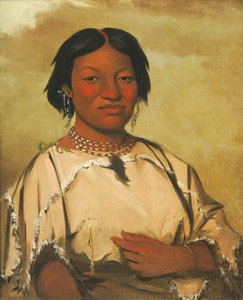
- Una Mujer Seminola – Destaca su capacidad para capturar belleza y dignidad.
- Estilo: El estilo de Catlin se caracteriza por el realismo, los colores vibrantes y un deseo de representar con precisión las costumbres y tradiciones nativas americanas. A menudo incluía fondos detallados y paisajes para proporcionar contexto a sus sujetos.
Logros Mayores & La Galería India
- Catlin creó una extensa colección de más de 500 pinturas que representan varias tribus y aspectos de sus vidas.
- Compiló estas obras en lo que se conoció como la "Galería India", un registro visual completo de la cultura nativa americana.
- La Galería India fue exhibida en Londres, París y Berlín, obteniendo reconocimiento internacional para el trabajo de Catlin.
- Sus publicaciones, incluyendo Manners, Customs, and Condition of the North American Indians (1841) y Last Rambles Amongst the Indians of the Rocky Mountains and the Andes (1868), solidificaron aún más su reputación como una autoridad sobre la cultura nativa americana.
Vida Posterior & Significado Histórico
- Catlin pasó sus últimos años intentando vender su Galería India al gobierno de los Estados Unidos, enfrentándose a rechazos iniciales.
- Recreó más de 400 pinturas en una "colección de cartones".
- A pesar de los desafíos, el trabajo de Catlin ha tenido un impacto duradero en la forma en que se representan a los nativos americanos en el arte y la cultura popular.
- Significado Histórico: La documentación meticulosa de Catlin proporciona valiosas perspectivas sobre las vidas de las tribus nativas americanas antes de cambios culturales significativos debido a la expansión hacia el oeste. Su trabajo se considera un importante registro histórico, así como un logro artístico.
Influencias & Información Adicional
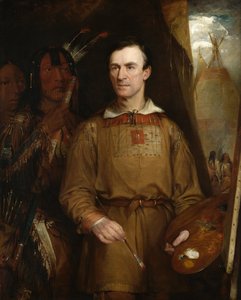
George Catlin
1796 - 1872 , Estados Unidos de América
Datos clave
- Fecha De Fallecimiento: 23 de diciembre de 1872
- Fecha De Nacimiento: 26 de julio de 1796
- Lugar De Nacimiento: Wilkes-Barre, EE. UU.
- Movimiento Artístico: Pintura de frontera
- Nacionalidad: Estadounidense
- Nombre Completo: George Catlin
- Obras Notables:
- Juego de pelota de los Choctaw
- Mó-sho-la-túb-bee, Jefe
- Una mujer seminola
- Praderas ardientes
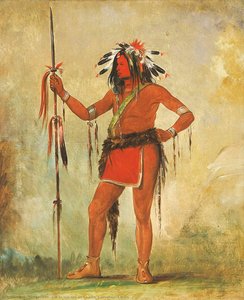
- Little Wolf, Guerrero famoso
Artículos relacionados

Georges Braque: Las 25 Obras Maestras del Cubismo y su Legado en el Arte Moderno
Descubre las 25 obras maestras de Georges Braque, pionero del cubismo. Explora su innovadora técnica, colores y el legado del arte moderno francés. Reproducciones de alta calidad en ArtsDot.com. ¡Encuentra tu inspiración!

Georges Seurat: Las 25 Obras Maestras del Pionero Puntillista | ArtsDot
Descubre las 25 obras maestras de Georges Seurat, el innovador del puntillismo. Explora su técnica única, colores vibrantes y legado artístico en ArtsDot.com. Reproducciones de arte de museo para tu hogar.
George Catlin: Witnessing & Representing Indigenous Life on the American Frontier
Explore the captivating art of George Catlin, renowned for his vivid portraits & landscapes documenting Native American life on the frontier. Discover a vanishing world through stunning paintings and historical context.
Grant Wood & American Regionalism: Identity, Myth & the Rural Landscape
Explore the world of Grant Wood & American Regionalism with ArtsDot. Discover the symbolism behind 'American Gothic', recurring themes, and the movement's lasting impact on art history. High-quality reproductions available.

Realismo Estadounidense: 10 Obras Maestras que Cambiaron el Arte y la Decoración
Descubre 10 obras maestras del Realismo Estadounidense: Winslow Homer, Edward Hopper y más. Explora la historia, técnica y emoción de estos icónicos cuadros. Encuentra reproducciones de arte de museo en ArtsDot.com.