 Vista previa
 Compartir
 Compartir
 Ver detalles

 Descargar
 Ver similares
 Radiografía
 Presentación de diapositivas
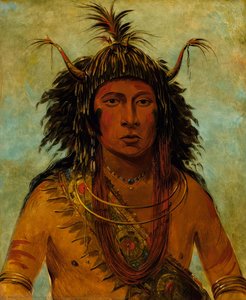
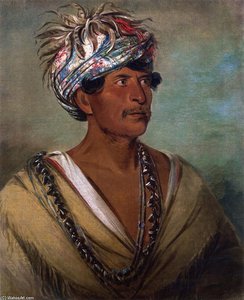
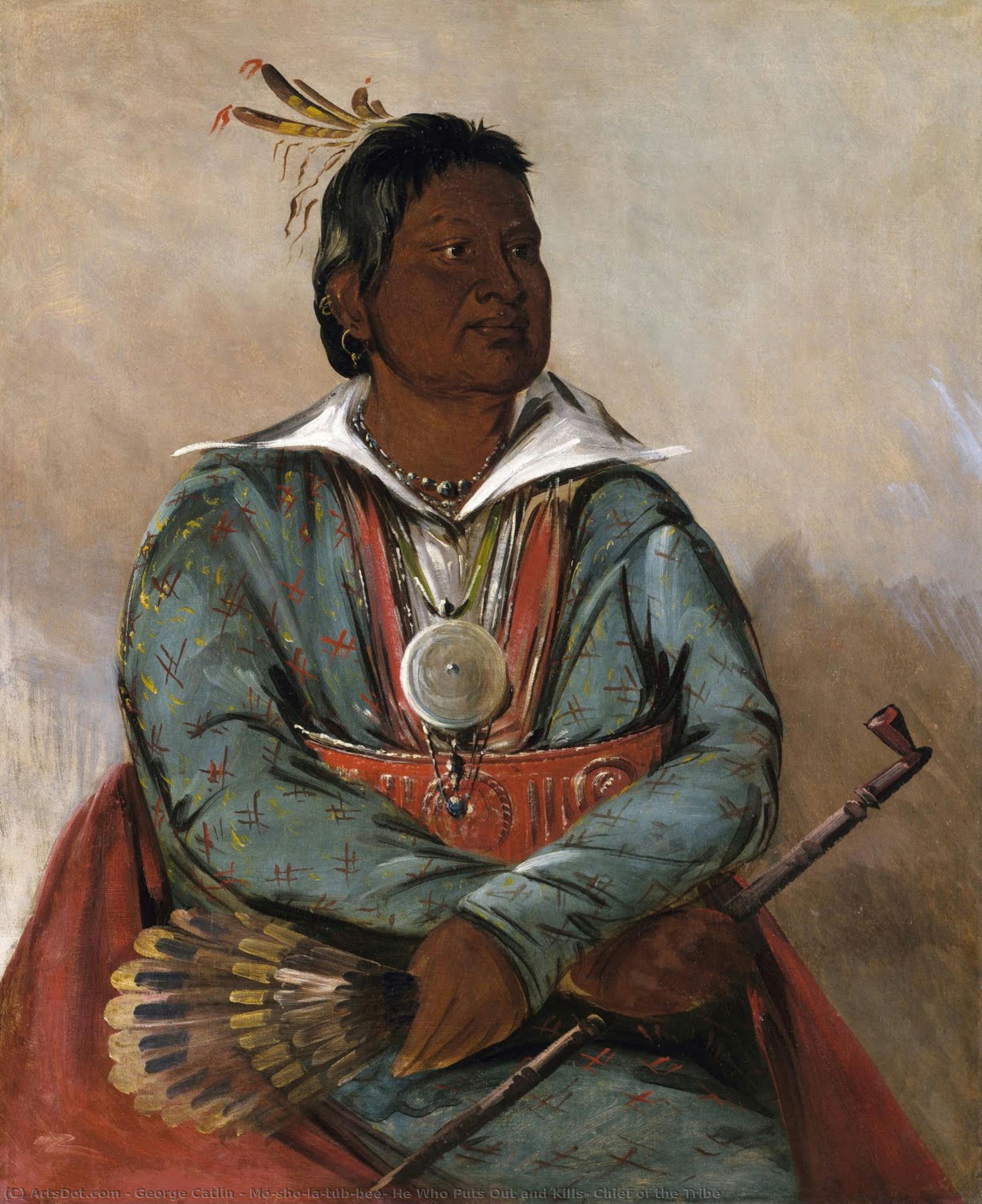
Mó-sho-la-túb-bee, He Who Puts Out and Kills, Chief of the Tribe
 Acrílico sobre lienzo
- Arte de pared
- American Romanticism
 1834
1834 73.0 x 60.0 cm
 Museo Smithsonian de Arte Americano
 Leer más
Reproducción al óleo hecha a mano
Óleo sobre lienzo pintado a mano en el tamaño y marco de su elección, realizado por encargo por nuestros artistas. ( Pedir impresión Comprar descarga)




P118B $10

P118H $10

P118W $10

P438Z $10

P508JH $12

P508YH $12

P805H $10

P805Z $10

P919BZ $10

P919G $10

P919XJ $10

P959ZH $10

P968JZ $12

W106C $8

W218G $10

W218JH $8

W218Y $10

W307PJ $10

W316G $10

W316PJ $8

W316Y $10

W398PJ $8

W4111J $10

W500HY $15

W500JH $15

W692G $12

W849H $8

W940BG $15

W953PJ $8




Elija entre nuestros tamaños predefinidos que respetan las proporciones originales de la obra.

Puede ingresar sus propias dimensiones para adaptarse a un marco o espacio específico. Si el tamaño seleccionado no coincide con las proporciones de la imagen original, recortaremos la obra o extenderemos la pintura con elementos adicionales pintados a mano. Se le enviará una maqueta digital para su aprobación antes de comenzar la producción.
Tenga en cuenta que la vista previa en pantalla no refleja el recorte o la extensión reales. Solo la maqueta mostrará con precisión la composición final.
Si bien existen tamaños personalizados, recomendamos seleccionar una dimensión de la lista predefinida para preservar las proporciones originales.
Tras realizar el pedido, el equipo de ArtsDot.com enviará un correo electrónico al cliente para solicitar instrucciones y proporcionarle una vista previa del boceto.
Envío a todo el mundo () en 3-4 semanas en lugar de las 5 semanas estándar. (21 agosto). Sin comprometer la calidad.

Envío exprés gratuito a todo el mundo

Lienzo de lino de alta calidad

Seguro de envío completo

Garantía de reembolso de aranceles aduaneros

Garantía de fidelidad cromática exacta

Política de devolución de 60 días (solo por defectos)

Garantía de devolución del 100% del dinero

Oferta por volumen
 La opción de vidrio solo está disponible en tamaños inferiores a 110 cm.

Mó-sho-la-túb-bee, He Who Puts Out and Kills, Chief of the Tribe
Técnica de reproducción
Tamaño de la reproducción
-


Precio total
$ 263
Descripción de la obra
A Window into the American West Through George Catlin’s Vision
George Catlin (1796-1872) stands as a singular figure in 19th-century American art—a man driven by an unwavering conviction that documenting the lives of Native Americans was paramount to preserving their cultural heritage. Born in Wilkes-Barre, Pennsylvania, his formative years were steeped in tales of the frontier recounted by his mother, Polly Sutton, who herself bore witness to the terrifying reality of Indian raids. These narratives instilled within Catlin a profound fascination for the West, perceiving it not merely as a geographical expanse but as a realm brimming with both danger and breathtaking beauty—a sentiment that would permeate his artistic endeavors throughout his life. Initially trained in law, he swiftly abandoned legal practice, recognizing an irresistible impulse to translate his passion into visual representation. This decisive shift marked the genesis of Catlin’s extraordinary career as an artist, forever altering the trajectory of American art history.The Artwork: Mó Sho La Túb Bee – He Who Puts Out and Kills
“Mó Sho La Túb Bee,” or “He Who Puts Out and Kills,” is a captivating oil painting executed by Catlin in 1834, capturing the essence of leadership within the Choctaw tribe. The artwork depicts a dignified Native American man seated calmly while holding a pipe in one hand and a staff or stick in the other—symbols deeply rooted in tribal traditions representing peace and authority respectively. Catlin’s meticulous attention to detail is evident in every brushstroke, particularly in the intricate design of the headdress adorning the subject's head. Constructed from feathers meticulously arranged in geometric patterns, it embodies spiritual significance and commemorates past achievements. The artist skillfully employs chiaroscuro—the dramatic interplay of light and shadow—to sculpt the man’s face, conveying a sense of solemn contemplation and conveying an aura of profound respect for his heritage.Style and Technique: Romantic Idealization
Catlin's artistic style aligns squarely with the tenets of Romanticism, a movement that prioritized emotion and imagination over rational observation. Unlike academic painters who adhered to strict conventions of realism, Catlin sought to portray Native Americans not as mere anthropological specimens but as complex individuals imbued with dignity and spiritual depth. He achieved this ambitious goal through a technique characterized by bold color palettes—primarily blues and reds—that evoke the vibrancy of the American landscape and imbue the painting with an emotional resonance. Furthermore, Catlin employed a flattened perspective, reminiscent of ethnographic drawings prevalent at the time, to emphasize the subject’s presence and create a sense of immediacy for the viewer. This stylistic choice underscores Catlin's commitment to conveying not just visual accuracy but also the spirit of his subjects—a testament to his artistic vision.Historical Context: Documenting Disappearing Cultures
“Mó Sho La Túb Bee” emerged during a pivotal period in American history—the era of westward expansion and increasing pressure on Native American populations. Catlin recognized that these cultures were rapidly fading away, threatened by encroaching civilization and governmental policies aimed at assimilation. Driven by a fervent desire to preserve their traditions for posterity, he embarked on an ambitious project to document the lives of various tribes across the Plains region—a mission that resulted in numerous paintings and sketches. This artwork serves as a poignant reminder of Catlin’s unwavering dedication to artistic integrity and his profound empathy for those whose voices were often silenced by dominant narratives. It stands as a powerful visual record of a bygone era, inviting viewers to contemplate the beauty and complexity of Native American culture—a legacy that continues to inspire artists and scholars alike.Symbolism: Feathered Headdress – Honor and Remembrance
The headdress itself is laden with symbolic significance within Choctaw culture. Feathers represent honor, courage, and spiritual connection—attributes revered by tribal leaders and warriors alike. Their meticulous arrangement reflects a deep understanding of geometric patterns and their association with cosmological beliefs. Catlin’s depiction of the headdress underscores his respect for Native American traditions and highlights the importance of visual representation in conveying cultural values. The pipe symbolizes peace and contemplation, representing a solemn ritual practiced by Choctaw men—a gesture of reverence for ancestors and a plea for divine guidance. Through these carefully chosen symbols, Catlin elevates “Mó Sho La Túb Bee” beyond mere portraiture, transforming it into an evocative meditation on identity, spirituality, and the enduring spirit of Native American heritage.Obras relacionadas
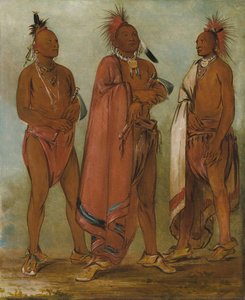
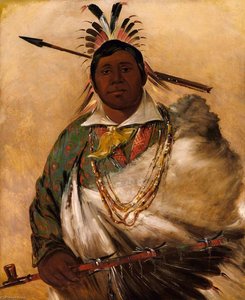
Biografía del artista
Primeros Años y Carrera
- Nacimiento: 26 de julio de 1796, Wilkes-Barre, Condado de Luzerne, Pensilvania
- Fallecimiento: 23 de diciembre de 1872
- La fascinación de Catlin por los nativos americanos fue despertada por las historias de su madre sobre la frontera occidental y su captura por una tribu.
- Sus primeros trabajos incluyeron grabados de sitios a lo largo de la ruta del Canal de Erie en el estado de Nueva York, publicados en el memorándum de Cadwallader D. Colden.
Contribuciones Artísticas & Estilo
- El enfoque principal de Catlin se convirtió en documentar la vida y la cultura nativa americana a través de la pintura.
- Realizó cinco expediciones al oeste americano durante la década de 1830, observando meticulosamente y registrando sus experiencias.
- Obras Notables:
- Juego de Pelota de los Choctaw – Muestra atención al detalle y captura de la cultura nativa americana.
- Mó-sho-la-túb-bee, Él que Apaga y Mata, Jefe de la Tribu – Demuestra habilidad en el retrato y dedicación a preservar el patrimonio.
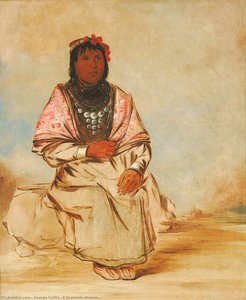
- Una Mujer Seminola – Destaca su capacidad para capturar belleza y dignidad.
- Estilo: El estilo de Catlin se caracteriza por el realismo, los colores vibrantes y un deseo de representar con precisión las costumbres y tradiciones nativas americanas. A menudo incluía fondos detallados y paisajes para proporcionar contexto a sus sujetos.
Logros Mayores & La Galería India
- Catlin creó una extensa colección de más de 500 pinturas que representan varias tribus y aspectos de sus vidas.
- Compiló estas obras en lo que se conoció como la "Galería India", un registro visual completo de la cultura nativa americana.
- La Galería India fue exhibida en Londres, París y Berlín, obteniendo reconocimiento internacional para el trabajo de Catlin.
- Sus publicaciones, incluyendo Manners, Customs, and Condition of the North American Indians (1841) y Last Rambles Amongst the Indians of the Rocky Mountains and the Andes (1868), solidificaron aún más su reputación como una autoridad sobre la cultura nativa americana.
Vida Posterior & Significado Histórico
- Catlin pasó sus últimos años intentando vender su Galería India al gobierno de los Estados Unidos, enfrentándose a rechazos iniciales.
- Recreó más de 400 pinturas en una "colección de cartones".
- A pesar de los desafíos, el trabajo de Catlin ha tenido un impacto duradero en la forma en que se representan a los nativos americanos en el arte y la cultura popular.
- Significado Histórico: La documentación meticulosa de Catlin proporciona valiosas perspectivas sobre las vidas de las tribus nativas americanas antes de cambios culturales significativos debido a la expansión hacia el oeste. Su trabajo se considera un importante registro histórico, así como un logro artístico.
Influencias & Información Adicional
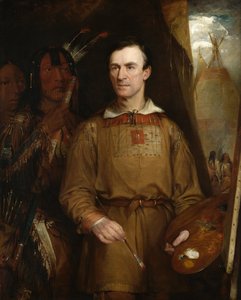
George Catlin
1796 - 1872 , Estados Unidos de América
Datos clave
- Fecha De Fallecimiento: 23 de diciembre de 1872
- Fecha De Nacimiento: 26 de julio de 1796
- Lugar De Nacimiento: Wilkes-Barre, EE. UU.
- Movimiento Artístico: Pintura de frontera
- Nacionalidad: Estadounidense
- Nombre Completo: George Catlin
- Obras Notables:
- Juego de pelota de los Choctaw
- Mó-sho-la-túb-bee, Jefe
- Una mujer seminola
- Praderas ardientes
- Little Wolf, Guerrero famoso
Artículos relacionados
Georges Braque: Las 25 Obras Maestras del Cubismo y su Legado en el Arte Moderno
Descubre las 25 obras maestras de Georges Braque, pionero del cubismo. Explora su innovadora técnica, colores y el legado del arte moderno francés. Reproducciones de alta calidad en ArtsDot.com. ¡Encuentra tu inspiración!

Georges Seurat: Las 25 Obras Maestras del Pionero Puntillista | ArtsDot
Descubre las 25 obras maestras de Georges Seurat, el innovador del puntillismo. Explora su técnica única, colores vibrantes y legado artístico en ArtsDot.com. Reproducciones de arte de museo para tu hogar.
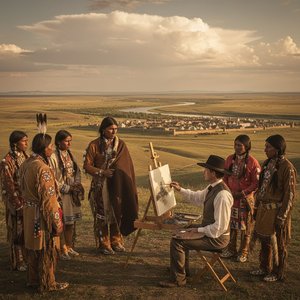
George Catlin: Witnessing & Representing Indigenous Life on the American Frontier
Explore the captivating art of George Catlin, renowned for his vivid portraits & landscapes documenting Native American life on the frontier. Discover a vanishing world through stunning paintings and historical context.
George Inness: Transcendental Landscapes & the American Search for Spiritual Harmony
Explore the profound landscapes of George Inness, a leading American artist-philosopher. Discover his spiritual approach to painting, influences, and lasting legacy with ArtsDot.
George Elbert Burr: A Pioneer of American Tonalism & Evocative Landscape Painting
Explore the captivating landscapes of George Elbert Burr, a pioneer of American Tonalism. Discover his masterful etchings, drypoints & watercolors – and learn about collecting this influential artist's work.