 Ver en contexto
 Enviar
 Compartir
 Detalles

 Descargar
 Similares
 Radiografía
 Presentación de diapositivas
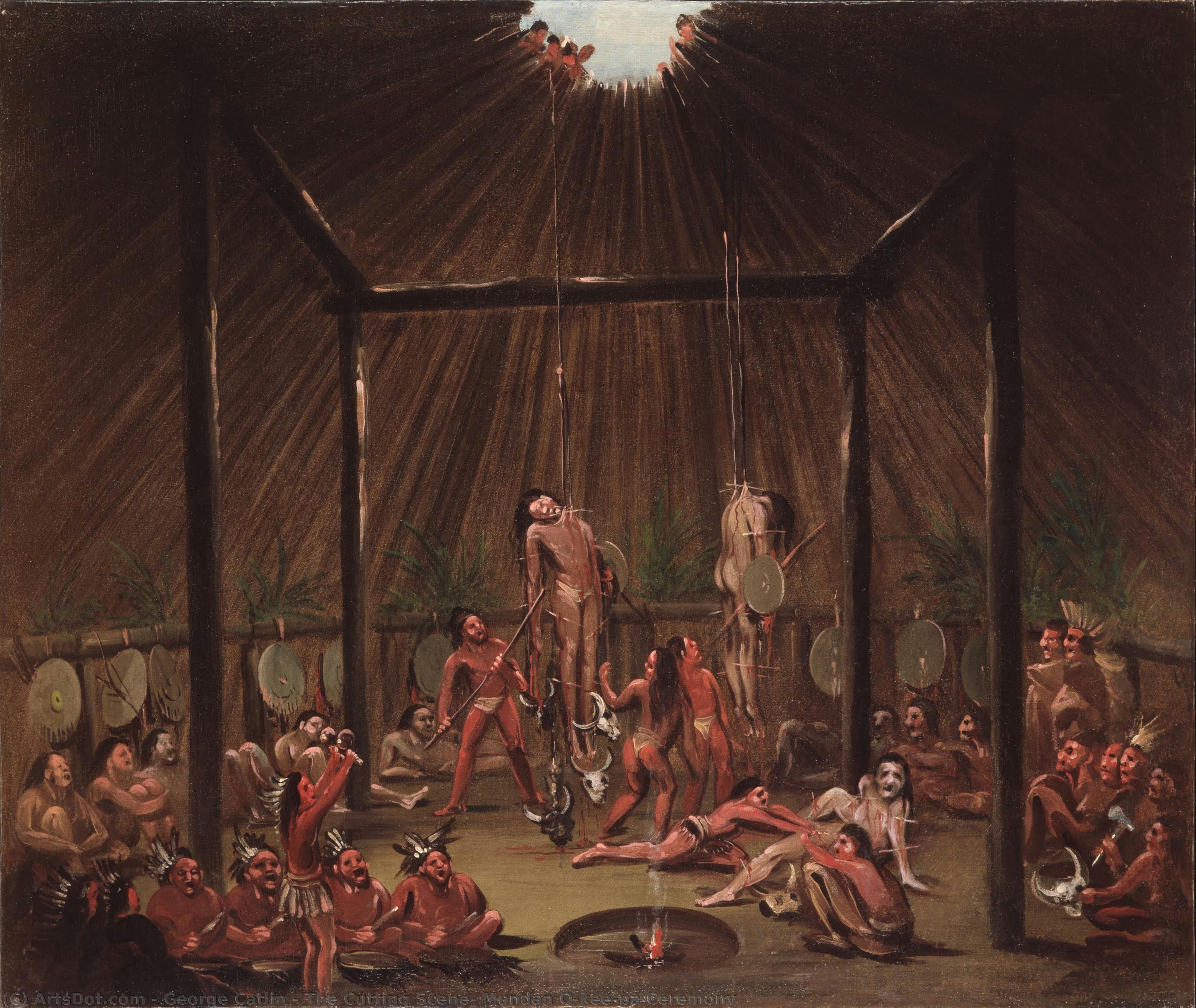
The Cutting Scene, Mandan O-kee-pa Ceremony


 Ver más
Reproducción al óleo hecha a mano
Óleo sobre lienzo pintado a mano en el tamaño y marco de su elección, realizado por encargo por nuestros artistas. ( Comprar impresión Comprar imagen)




P118B $10

P118H $10

P118W $10

P438Z $10

P508JH $12

P508YH $12

P805H $10

P805Z $10

P919BZ $10

P919G $10

P919XJ $10

P959ZH $10

P968JZ $12

W106C $8

W218G $10

W218JH $8

W218Y $10

W307PJ $10

W316G $10

W316PJ $8

W316Y $10

W398PJ $8

W4111J $10

W500HY $15

W500JH $15

W692G $12

W849H $8

W940BG $15

W953PJ $8




Elija entre nuestros tamaños predefinidos que respetan las proporciones originales de la obra.

Puede ingresar sus propias dimensiones para adaptarse a un marco o espacio específico. Si el tamaño seleccionado no coincide con las proporciones de la imagen original, recortaremos la obra o extenderemos la pintura con elementos adicionales pintados a mano. Se le enviará una maqueta digital para su aprobación antes de comenzar la producción.
Tenga en cuenta que la vista previa en pantalla no refleja el recorte o la extensión reales. Solo la maqueta mostrará con precisión la composición final.
Si bien existen tamaños personalizados, recomendamos seleccionar una dimensión de la lista predefinida para preservar las proporciones originales.
Tras realizar el pedido, el equipo de ArtsDot.com enviará un correo electrónico al cliente para solicitar instrucciones y proporcionarle una vista previa del boceto.
Envío a todo el mundo () en 3-4 semanas en lugar de las 5 semanas estándar. (24 agosto). Sin comprometer la calidad.

Envío exprés gratuito a todo el mundo

Lienzo de lino de alta calidad

Seguro de envío total

Garantía de reembolso de impuestos aduaneros

Garantía de fidelidad cromática exacta

Política de devolución de 60 días (solo por defectos)

Garantía de devolución del 100% del dinero

Descuento por cantidad
 La opción de vidrio solo está disponible en tamaños inferiores a 110 cm.

The Cutting Scene, Mandan O-kee-pa Ceremony
Técnica de reproducción
Dimensiones de la reproducción
-


Precio total final
$ 263
Descripción de la obra
A Sacred Window into the Mandan Spirit
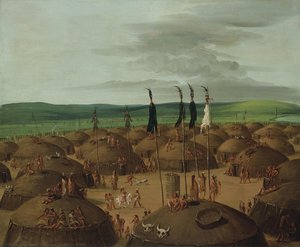
In the heart of the American frontier, amidst the rhythmic pulse of a vanishing era, George Catlin captured a moment of profound spiritual intensity. The Cutting Scene, Mandan O-kee-pa Ceremony is far more than a mere historical record; it is an immersive window into the soul of the Mandan people. Painted in 1832 during his legendary expeditions along the Upper Missouri River Valley, this work serves as a temporal anchor, freezing a sacred rite of passage in its most vulnerable and transformative state. As the viewer gazes upon the scene within the medicine lodge, they are transported to a world where the boundaries between the physical and the divine blur, witnessing a ceremony defined by endurance, faith, and the heavy weight of tradition.
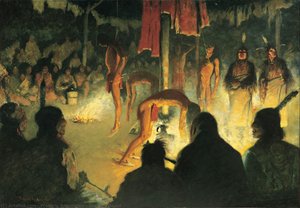
The painting masterfully depicts the O-kee-pa, a ritual central to Mandan religious life. Within the sacred space of the lodge, young men undergo a grueling test of strength and spiritual fortitude, their bodies suspended from cords attached to their chests and shoulders. This striking imagery symbolizes the immense endurance required for spiritual growth—a physical manifestation of the struggle to transcend earthly pain in pursuit of enlightenment. Catlin’s keen eye captures not only the external ritual but the internal psychological landscape: the palpable tension, the stoic determination of the participants, and the watchful, solemn presence of the elders seated below, all contributing to an atmosphere of heavy, sacred significance.
The Artistry of Immediacy and Preservation
Technically, Catlin’s approach in this piece eschews the polished perfection of academic realism in favor of a more evocative, sketch-like style. Utilizing thin layers of oil paint on canvas, he achieved an ethereal, almost translucent quality that mirrors the fleeting nature of the moment he sought to document. There is a deliberate rawness to his brushwork; as noted by cultural preservation specialists, Catlin often left elements in a "sketchy" state to preserve the truth of the immediate encounter. This technique allows the viewer to feel the presence of the artist standing directly before his subjects, capturing the raw energy and the flickering light of the ceremonial fires before they could be lost to history.
For the discerning collector or interior designer, this artwork offers a profound emotional resonance that transcends simple decoration. It is a piece that invites contemplation, acting as a conversation starter about heritage, resilience, and the preservation of culture. The composition, filled with the subtle details of traditional clothing, ceremonial objects, and the flickering shadows of the lodge, provides a rich tapestry of textures and tones that can anchor a sophisticated space. To possess a reproduction of this masterpiece is to hold a fragment of a lost world—a testament to the enduring power of human spirit and the vital importance of artistic witness.
Obras relacionadas
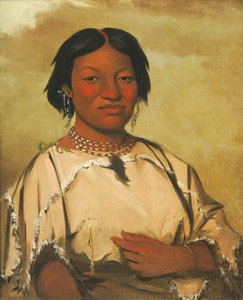
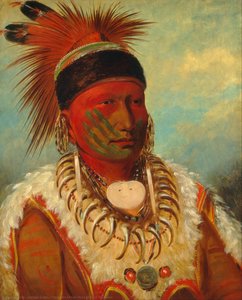
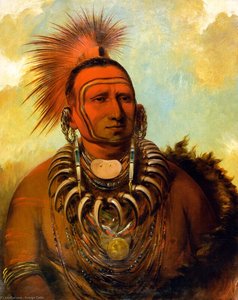
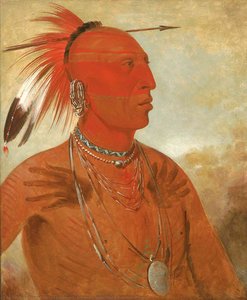
Biografía del artista
Primeros Años y Carrera
- Nacimiento: 26 de julio de 1796, Wilkes-Barre, Condado de Luzerne, Pensilvania
- Fallecimiento: 23 de diciembre de 1872
- La fascinación de Catlin por los nativos americanos fue despertada por las historias de su madre sobre la frontera occidental y su captura por una tribu.
- Sus primeros trabajos incluyeron grabados de sitios a lo largo de la ruta del Canal de Erie en el estado de Nueva York, publicados en el memorándum de Cadwallader D. Colden.
Contribuciones Artísticas & Estilo
- El enfoque principal de Catlin se convirtió en documentar la vida y la cultura nativa americana a través de la pintura.
- Realizó cinco expediciones al oeste americano durante la década de 1830, observando meticulosamente y registrando sus experiencias.
- Obras Notables:
- Juego de Pelota de los Choctaw – Muestra atención al detalle y captura de la cultura nativa americana.
- Mó-sho-la-túb-bee, Él que Apaga y Mata, Jefe de la Tribu – Demuestra habilidad en el retrato y dedicación a preservar el patrimonio.
- Una Mujer Seminola – Destaca su capacidad para capturar belleza y dignidad.
- Estilo: El estilo de Catlin se caracteriza por el realismo, los colores vibrantes y un deseo de representar con precisión las costumbres y tradiciones nativas americanas. A menudo incluía fondos detallados y paisajes para proporcionar contexto a sus sujetos.
Logros Mayores & La Galería India
- Catlin creó una extensa colección de más de 500 pinturas que representan varias tribus y aspectos de sus vidas.
- Compiló estas obras en lo que se conoció como la "Galería India", un registro visual completo de la cultura nativa americana.
- La Galería India fue exhibida en Londres, París y Berlín, obteniendo reconocimiento internacional para el trabajo de Catlin.
- Sus publicaciones, incluyendo Manners, Customs, and Condition of the North American Indians (1841) y Last Rambles Amongst the Indians of the Rocky Mountains and the Andes (1868), solidificaron aún más su reputación como una autoridad sobre la cultura nativa americana.
Vida Posterior & Significado Histórico
- Catlin pasó sus últimos años intentando vender su Galería India al gobierno de los Estados Unidos, enfrentándose a rechazos iniciales.
- Recreó más de 400 pinturas en una "colección de cartones".
- A pesar de los desafíos, el trabajo de Catlin ha tenido un impacto duradero en la forma en que se representan a los nativos americanos en el arte y la cultura popular.
- Significado Histórico: La documentación meticulosa de Catlin proporciona valiosas perspectivas sobre las vidas de las tribus nativas americanas antes de cambios culturales significativos debido a la expansión hacia el oeste. Su trabajo se considera un importante registro histórico, así como un logro artístico.
Influencias & Información Adicional
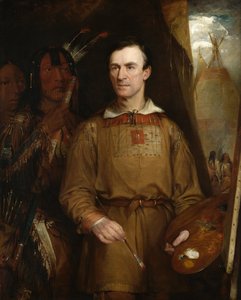
George Catlin
1796 - 1872 , Estados Unidos de América
Datos clave
- Fecha De Fallecimiento: 23 de diciembre de 1872
- Fecha De Nacimiento: 26 de julio de 1796
- Lugar De Nacimiento: Wilkes-Barre, EE. UU.
- Movimiento Artístico: Pintura de frontera
- Nacionalidad: Estadounidense
- Nombre Completo: George Catlin
- Obras Notables:
- Juego de pelota de los Choctaw
- Mó-sho-la-túb-bee, Jefe
- Una mujer seminola
- Praderas ardientes
- Little Wolf, Guerrero famoso
Artículos relacionados

Georges Braque: Las 25 Obras Maestras del Cubismo y su Legado en el Arte Moderno
Descubre las 25 obras maestras de Georges Braque, pionero del cubismo. Explora su innovadora técnica, colores y el legado del arte moderno francés. Reproducciones de alta calidad en ArtsDot.com. ¡Encuentra tu inspiración!

Georges Seurat: Las 25 Obras Maestras del Pionero Puntillista | ArtsDot
Descubre las 25 obras maestras de Georges Seurat, el innovador del puntillismo. Explora su técnica única, colores vibrantes y legado artístico en ArtsDot.com. Reproducciones de arte de museo para tu hogar.
George Catlin: Witnessing & Representing Indigenous Life on the American Frontier
Explore the captivating art of George Catlin, renowned for his vivid portraits & landscapes documenting Native American life on the frontier. Discover a vanishing world through stunning paintings and historical context.
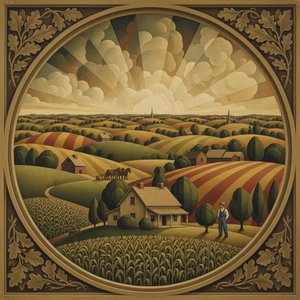
Grant Wood & American Regionalism: Identity, Myth & the Rural Landscape
Explore the world of Grant Wood & American Regionalism with ArtsDot. Discover the symbolism behind 'American Gothic', recurring themes, and the movement's lasting impact on art history. High-quality reproductions available.

Realismo Estadounidense: 10 Obras Maestras que Cambiaron el Arte y la Decoración
Descubre 10 obras maestras del Realismo Estadounidense: Winslow Homer, Edward Hopper y más. Explora la historia, técnica y emoción de estos icónicos cuadros. Encuentra reproducciones de arte de museo en ArtsDot.com.