

 Ver en contexto
 Enviar
 Compartir
 Detalles

 Descargar
 Similares
 Radiografía
 Presentación de diapositivas
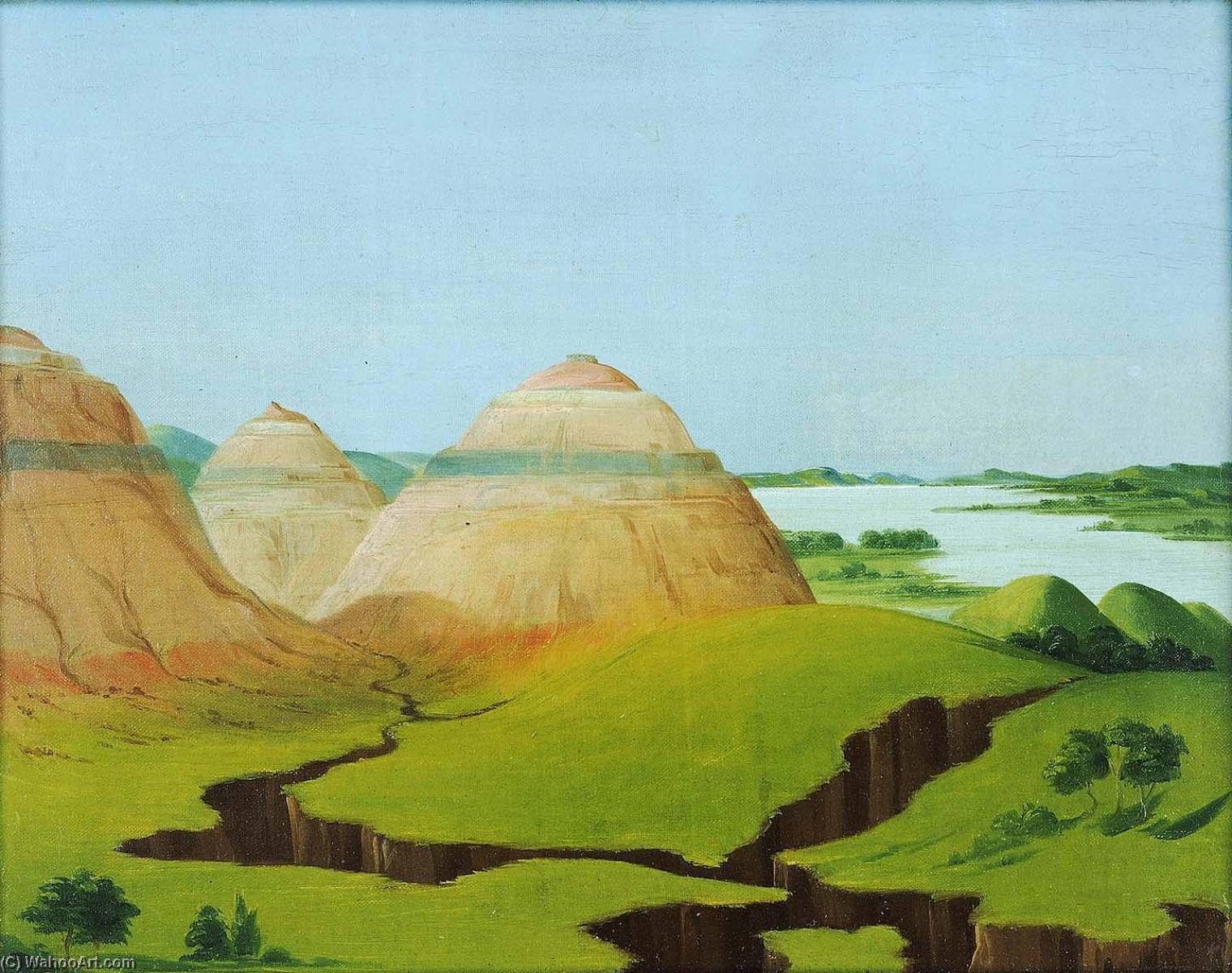
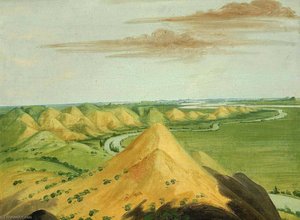
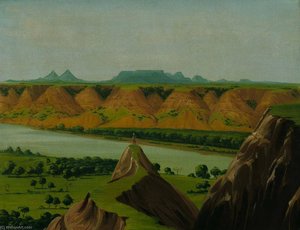
The Three Domes, Clay Bluffs 15 Miles above the Mandan Village
 Oil
Oil- WallArt
- Romanticism
 1832
1832- 19th Century
 29.0 x 37.0 cm
 Ver más
Adquiera una imagen digital de alta resolución y optimizada, muy superior a la vista previa en línea.
Cada archivo es preparado meticulosamente por nuestros especialistas internos mediante el uso de herramientas avanzadas y un experto retoque manual. Nos aseguramos de que cada imagen posea una claridad excepcional, una precisión cromática impecable y un detalle minucioso.
El archivo final se entrega por correo electrónico en un plazo de 72 horas, optimizado para su uso inmediato en entornos profesionales, editoriales y de impresión. Esta es la misma calidad en la que confían los estudios de diseño, las editoriales y las galerías de primer nivel.
Imagen Digital
Descarga un archivo de alta resolución para exhibición personal, impresión y proyectos creativos. ( Comprar impresión Comprar pintura hecha a mano)
Incluido en cada pedido de imágenes digitales
Entrega digital experta, garantizada.
Al elegir ArtsDot.com, no solo está adquiriendo una imagen; está recibiendo una obra de arte digital mejorada profesionalmente, elaborada con precisión y respaldada por una garantía de satisfacción. Esto es todo lo que incluye su pedido, automáticamente:

Entrega rápida por email
Recibirá su archivo de imagen digital en alta resolución por correo electrónico en un plazo de 72 horas tras realizar su pedido, listo para su uso inmediato.

Archivo digital optimizado por IA
Su obra de arte se optimiza profesionalmente mediante herramientas avanzadas de IA y edición manual, garantizando el máximo detalle, claridad y precisión cromática.

Reenvío gratuito de por vida
¿Has borrado o perdido tu archivo por error? No te preocupes: te lo volveremos a enviar en cualquier momento, sin coste adicional.

Sin gastos de importación, siempre
Disfrute de su obra de arte al instante sin aduanas, aranceles ni gastos de envío; las descargas digitales siempre están libres de impuestos.

Garantía de fidelidad de color
Garantizamos que su imagen digital refleje los colores originales con la mayor fidelidad posible, mediante el uso de herramientas profesionales y gestión del color.

Garantía de satisfacción de 60 días
Si no está satisfecho con su imagen digital, la revisaremos o le reembolsaremos el 100% en un plazo de 60 días, sin preguntas.

100% Garantía de devolución de dinero
¿No está satisfecho? Obtenga un reembolso completo dentro de los 60 días posteriores a la recepción de su archivo digital, sin necesidad de explicaciones.

Descuentos por pedidos grandes
Compra 3 imágenes, ahorra 10% - Compra 5, ahorra 15% - Compra 10+, ahorra 20%. Ideal para proyectos creativos, galerías y agencias.
Descripción del coleccionable
A Vision of the American Frontier
In his evocative 1832 masterpiece, "The Three Domes, Clay Bluffs 15 Miles above the Mandan Village," George Catlin invites the viewer to step through a window into a vanished era of the American West. The painting presents a breathtaking panoramic view where the earth itself seems to glow with an inner warmth. At the heart of the composition stand three majestic, distinct peaks, their surfaces bathed in a deep, ferruginous red hue that suggests the setting sun or the rich, iron-laden clay characteristic of the frontier landscape. This warm palette does more than merely depict geology; it imbues the scene with a sense of ancient permanence and a quiet, inviting majesty that commands immediate attention.
Below these towering sentinels, the landscape unfolds into a lush, verdant valley. The vibrant green grasses create a striking chromatic contrast against the crimson mountains, offering a visual breath of tranquility and life. A serene body of water—perhaps a winding river or a still lake—meanders through the foreground, its reflective surface adding essential depth and dimension to the work. This careful interplay between the rugged, vertical strength of the domes and the soft, horizontal flow of the valley creates a perfectly balanced composition, guiding the eye on a journey from the intimate details of the meadow to the distant, monumental horizon.
The Artist’s Legacy and Historical Resonance
To understand this work, one must look toward the soul of its creator. George Catlin was far more than a mere landscape painter; he was a self-appointed chronicler of a disappearing world. Driven by a profound conviction that the vibrant cultures of the Native American tribes were facing an inevitable erasure, Catlin dedicated his life to meticulous documentation. While much of his fame rests on his ethnographic portraits, this particular landscape serves as the essential stage upon which those histories unfolded. The "Clay Bluffs" mentioned in the title are not merely geological features but landmarks of a specific cultural geography, situated near the Mandan villages that Catlin so famously documented.
The technique employed here reflects the raw, spontaneous energy of a man living on the edge of civilization. There is an atmospheric quality to the brushwork that captures the fleeting light of the plains, making the air itself feel palpable. For the collector or interior designer, this piece offers more than just aesthetic beauty; it provides a profound sense of historical weight. It is a window into the 19th-century American consciousness—a time of exploration, romanticism, and the bittersweet realization of change. Bringing a reproduction of this work into a space introduces a narrative of resilience and the enduring spirit of the wilderness.
An Inspiration for Modern Interiors
For those seeking to curate an environment of sophistication and contemplative calm, Catlin’s landscape offers unparalleled inspiration. The warm, earthy tones of the red peaks and the soothing greens of the valley make this artwork a versatile centerpiece for various design styles, from rustic lodge aesthetics to contemporary minimalist settings. Its ability to evoke a sense of scale and perspective allows it to anchor a room, providing a focal point that encourages deep thought and emotional connection.
Investing in a high-quality hand-painted reproduction of this piece means preserving a fragment of history. The texture of the paint and the richness of the colors are meticulously recreated to honor Catlin's original vision, ensuring that the emotional impact—the feeling of standing before those great red domes—is felt by every viewer. It is an exquisite choice for anyone looking to infuse their home or gallery with a sense of adventure, peace, and the timeless beauty of the natural world.
Obras relacionadas
Biografía del artista
Primeros Años y Carrera
- Nacimiento: 26 de julio de 1796, Wilkes-Barre, Condado de Luzerne, Pensilvania
- Fallecimiento: 23 de diciembre de 1872
- La fascinación de Catlin por los nativos americanos fue despertada por las historias de su madre sobre la frontera occidental y su captura por una tribu.
- Sus primeros trabajos incluyeron grabados de sitios a lo largo de la ruta del Canal de Erie en el estado de Nueva York, publicados en el memorándum de Cadwallader D. Colden.
Contribuciones Artísticas & Estilo
- El enfoque principal de Catlin se convirtió en documentar la vida y la cultura nativa americana a través de la pintura.
- Realizó cinco expediciones al oeste americano durante la década de 1830, observando meticulosamente y registrando sus experiencias.
- Obras Notables:
- Juego de Pelota de los Choctaw – Muestra atención al detalle y captura de la cultura nativa americana.
- Mó-sho-la-túb-bee, Él que Apaga y Mata, Jefe de la Tribu – Demuestra habilidad en el retrato y dedicación a preservar el patrimonio.
- Una Mujer Seminola – Destaca su capacidad para capturar belleza y dignidad.
- Estilo: El estilo de Catlin se caracteriza por el realismo, los colores vibrantes y un deseo de representar con precisión las costumbres y tradiciones nativas americanas. A menudo incluía fondos detallados y paisajes para proporcionar contexto a sus sujetos.
Logros Mayores & La Galería India
- Catlin creó una extensa colección de más de 500 pinturas que representan varias tribus y aspectos de sus vidas.
- Compiló estas obras en lo que se conoció como la "Galería India", un registro visual completo de la cultura nativa americana.
- La Galería India fue exhibida en Londres, París y Berlín, obteniendo reconocimiento internacional para el trabajo de Catlin.
- Sus publicaciones, incluyendo Manners, Customs, and Condition of the North American Indians (1841) y Last Rambles Amongst the Indians of the Rocky Mountains and the Andes (1868), solidificaron aún más su reputación como una autoridad sobre la cultura nativa americana.
Vida Posterior & Significado Histórico
- Catlin pasó sus últimos años intentando vender su Galería India al gobierno de los Estados Unidos, enfrentándose a rechazos iniciales.
- Recreó más de 400 pinturas en una "colección de cartones".
- A pesar de los desafíos, el trabajo de Catlin ha tenido un impacto duradero en la forma en que se representan a los nativos americanos en el arte y la cultura popular.
- Significado Histórico: La documentación meticulosa de Catlin proporciona valiosas perspectivas sobre las vidas de las tribus nativas americanas antes de cambios culturales significativos debido a la expansión hacia el oeste. Su trabajo se considera un importante registro histórico, así como un logro artístico.
Influencias & Información Adicional
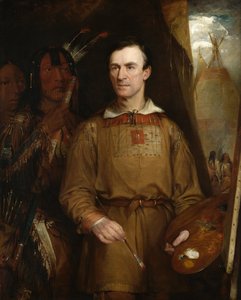
George Catlin
1796 - 1872 , Estados Unidos de América
Breves datos
- Fecha De Fallecimiento: 23 de diciembre de 1872
- Fecha De Nacimiento: 26 de julio de 1796
- Lugar De Nacimiento: Wilkes-Barre, EE. UU.
- Movimiento Artístico: Pintura de frontera
- Nacionalidad: Estadounidense
- Nombre Completo: George Catlin
- Obras Notables:
- Juego de pelota de los Choctaw
- Mó-sho-la-túb-bee, Jefe
- Una mujer seminola
- Praderas ardientes
- Little Wolf, Guerrero famoso

