

 Ver en contexto
 Enviar
 Compartir
 Detalles

 Descargar
 Similares
 Radiografía
 Presentación de diapositivas
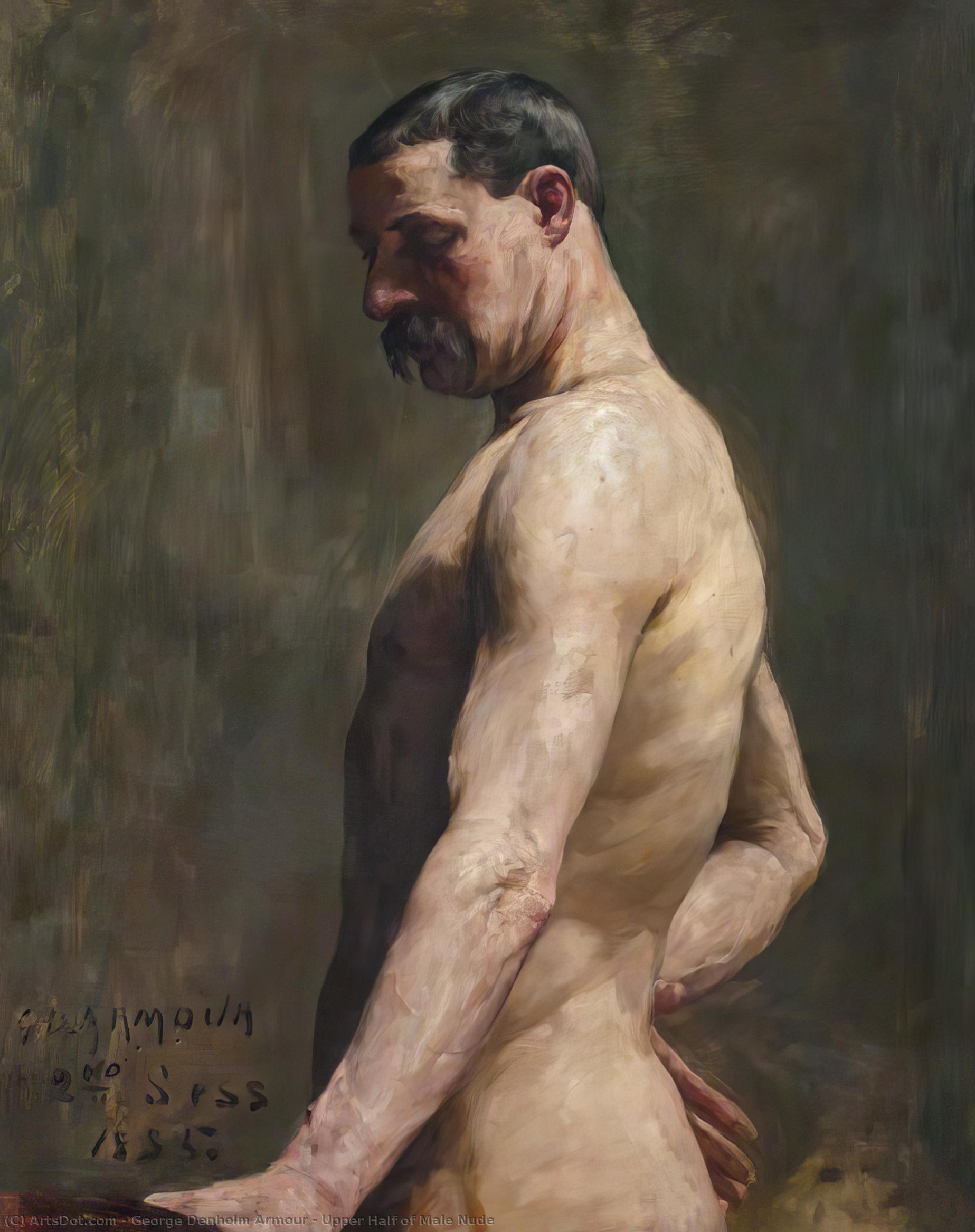
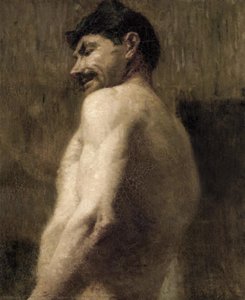
Upper Half of Male Nude
 1886
1886 102.0 x 76.0 cm
 Edinburgh College of Art
 Ver más
Reproducción al óleo hecha a mano
Óleo sobre lienzo pintado a mano en el tamaño y marco de su elección, realizado por encargo por nuestros artistas. ( Comprar impresión Comprar imagen)




































Elija entre nuestros tamaños predefinidos que respetan las proporciones originales de la obra.

Puede ingresar sus propias dimensiones para adaptarse a un marco o espacio específico. Si el tamaño seleccionado no coincide con las proporciones de la imagen original, recortaremos la obra o extenderemos la pintura con elementos adicionales pintados a mano. Se le enviará una maqueta digital para su aprobación antes de comenzar la producción.
Tenga en cuenta que la vista previa en pantalla no refleja el recorte o la extensión reales. Solo la maqueta mostrará con precisión la composición final.
Si bien existen tamaños personalizados, recomendamos seleccionar una dimensión de la lista predefinida para preservar las proporciones originales.
Tras realizar el pedido, el equipo de ArtsDot.com enviará un correo electrónico al cliente para solicitar instrucciones y proporcionarle una vista previa del boceto.
Envío a todo el mundo () en 3-4 semanas en lugar de las 5 semanas estándar. (28 agosto). Sin comprometer la calidad.

Envío exprés gratuito a todo el mundo

Lienzo de lino de alta calidad

Seguro de envío total

Garantía de reembolso de impuestos aduaneros

Garantía de fidelidad cromática exacta

Política de devolución de 60 días (solo por defectos)

Garantía de devolución del 100% del dinero

Descuento por cantidad
 La opción de vidrio solo está disponible en tamaños inferiores a 110 cm.

Upper Half of Male Nude
Técnica de reproducción
Dimensiones de la reproducción
-


Precio total final
$ 263
Obras relacionadas





Biografía del artista
The Equestrian Visionary: The Life and Legacy of George Denholm Armour
In the golden age of illustration, few artists captured the rhythmic pulse of equine grace and the spirited elegance of sporting life as masterfully as George Denholm Armour. Born in 1864 amidst the rugged beauty of Waterside, Lanarkshire, Scotland, Armour’s life was a tapestry woven from the threads of British tradition and international adventure. His artistic journey, which spanned much of the late Victorian and Edwardian eras, was defined by an extraordinary ability to translate the raw power of horses and the refined atmosphere of polo matches into luminous visual narratives. To look upon his work is to step into a world where light dances across polished coats and the dust of the arena rises in soft, impressionistic clouds.
Armour’s early development was deeply rooted in the prestigious artistic corridors of Scotland. His training at the Edinburgh College of Art provided him with a rigorous foundation in anatomical precision, yet his spirit remained untamed by mere academicism. He drew profound inspiration from the burgeoning movements of Impressionism and Japonisme, learning to balance meticulous detail with an evocative sense of atmosphere. This duality became his hallmark; he could render the intricate leatherwork of a saddle or the muscular tension of a galloping Thoroughbred with scientific accuracy, yet he never lost sight of the ephemeral quality of light—the way it catches a rider's silhouette or softens a distant Highland landscape.
A Career of Motion and Prestige
The true brilliance of Armour’s career lay in his ability to merge fine art with the high-stakes world of sporting journalism. He became a celebrated figure through his prolific collaborations with legendary publications such as The Graphic, Punch, and Country Life. These were not merely illustrations; they were windows into the aristocratic and sporting heart of Britain. His sketches of polo players, racing events, and hunting scenes possessed a kinetic energy that made the reader feel the thud of hooves against the turf. This mastery of movement was so profound that his work was even featured in the art competitions of the 1928, 1932, and 1948 Summer Olympics, cementing his status as an artist who could capture the very essence of athletic competition.
Beyond the printed page, Armour’s life was as adventurous as his subjects. His travels took him to the vibrant landscapes of Tangiers, Morocco, where he sought both inspiration and horses, and later to the prestigious Spanish Riding School in Vienna, where he studied military equestrianism. This deep, lived experience with horses allowed him to imbue his portraits with a soulfulness that few illustrators could replicate. He did not merely draw animals; he understood their temperament, their strength, and their symbiotic relationship with the human rider.
Enduring Influence and Artistic Significance
The historical significance of George Denholm Armour extends far beyond the era of print media. While he is often categorized as an illustrator, his contributions to the genre of equestrian art are monumental. He bridged the gap between the documentary precision required by sporting periodicals and the emotive depth of fine art painting. His legacy is preserved not only in museum collections but in the enduring romanticism he brought to the depiction of the horse—a symbol of nobility and power that continues to resonate with collectors and enthusiasts worldwide.
Reflecting on his life's work, several key elements emerge as his lasting contributions to the art world:
- Mastery of Light: His unique ability to use atmospheric luminescence to create depth and emotion in both landscape and portraiture.
- Anatomical Excellence: A profound understanding of equine anatomy that brought unparalleled realism to his sporting illustrations.
- Cultural Documentation: His role in documenting the social and sporting rituals of the early 20th century through a sophisticated visual lens.
- Versatility of Medium: The seamless transition between detailed watercolor paintings, sketches, and large-scale compositions.
Though he passed away in 1949, the vision of George Denholm Armour remains undimmed. He remains a definitive voice in British art, reminding us that true artistry lies in the ability to capture both the tangible strength of the physical world and the intangible magic of a fleeting moment.
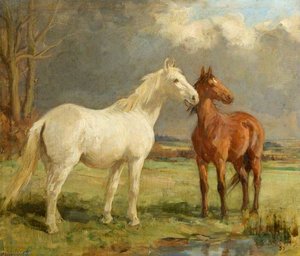
george denholm armour
1864 - 1949
Datos clave
- Artistic Movement Or Style: Equestrian Art
- Artists Or Movements Influenced By This Artist: ['Romanticism']
- Artists Who Influenced This Artist: ['Joseph Crawhall III']
- Date Of Birth: 1864
- Full Name: George Denholm Armour
- Nationality: British
- Notable Artworks: ['A Polo Match']
- Place Of Birth: Waterside, Lanarkshire, Scotland

