

 Ver en contexto
 Enviar
 Compartir
 Detalles

 Descargar
 Similares
 Radiografía
 Presentación de diapositivas
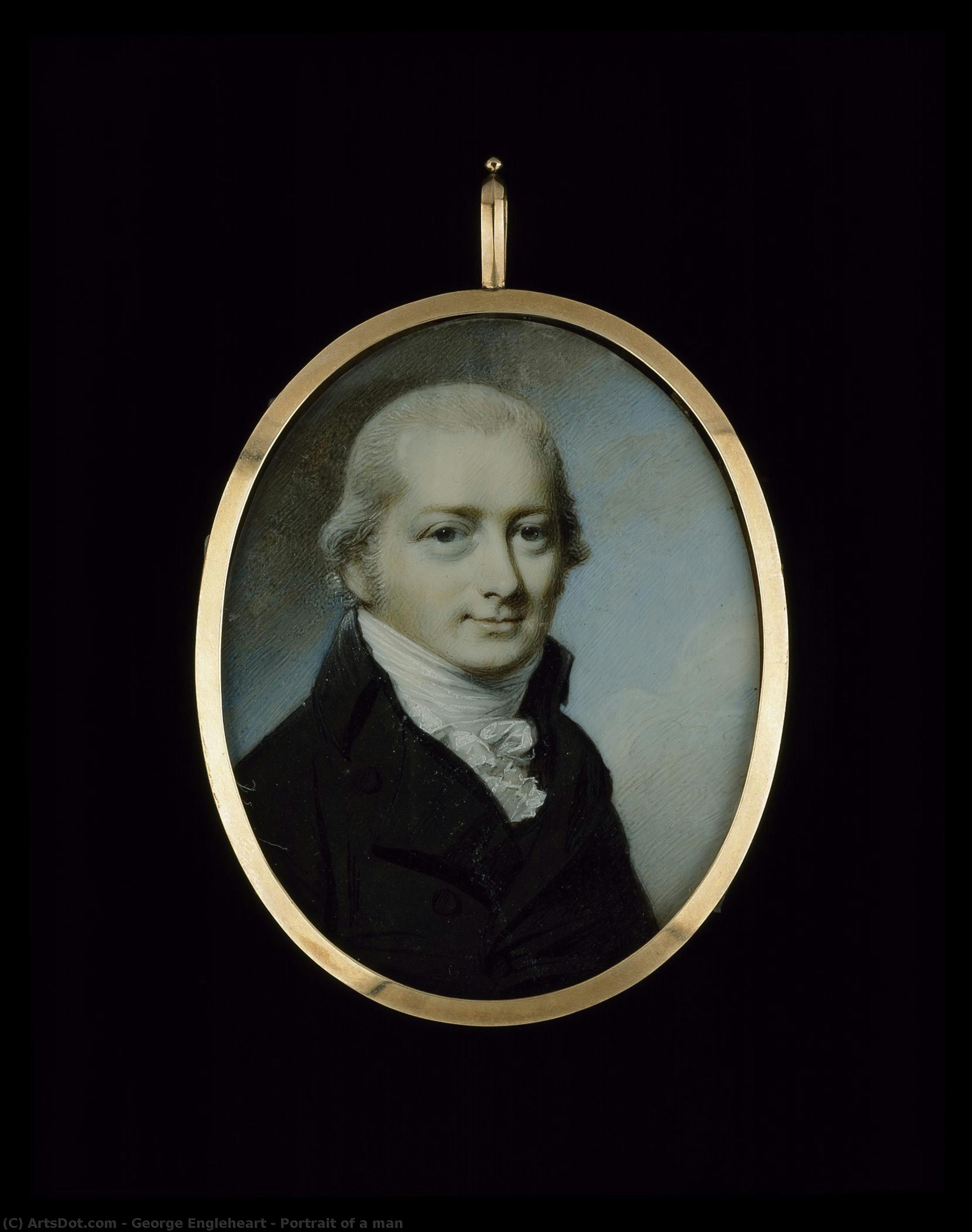
Portrait of a man
 8.0 x 6.0 cm
 Palazzo Madama
 Ver más
Adquiera una imagen digital de alta resolución y optimizada, muy superior a la vista previa en línea.
Cada archivo es preparado meticulosamente por nuestros especialistas internos mediante el uso de herramientas avanzadas y un experto retoque manual. Nos aseguramos de que cada imagen posea una claridad excepcional, una precisión cromática impecable y un detalle minucioso.
El archivo final se entrega por correo electrónico en un plazo de 72 horas, optimizado para su uso inmediato en entornos profesionales, editoriales y de impresión. Esta es la misma calidad en la que confían los estudios de diseño, las editoriales y las galerías de primer nivel.
Imagen Digital
Descarga un archivo de alta resolución para exhibición personal, impresión y proyectos creativos. ( Comprar impresión Comprar pintura hecha a mano)
Incluido en cada pedido de imágenes digitales
Entrega digital experta, garantizada.
Al elegir ArtsDot.com, no solo está adquiriendo una imagen; está recibiendo una obra de arte digital mejorada profesionalmente, elaborada con precisión y respaldada por una garantía de satisfacción. Esto es todo lo que incluye su pedido, automáticamente:

Entrega rápida por email
Recibirá su archivo de imagen digital en alta resolución por correo electrónico en un plazo de 72 horas tras realizar su pedido, listo para su uso inmediato.

Archivo digital optimizado por IA
Su obra de arte se optimiza profesionalmente mediante herramientas avanzadas de IA y edición manual, garantizando el máximo detalle, claridad y precisión cromática.

Reenvío gratuito de por vida
¿Has borrado o perdido tu archivo por error? No te preocupes: te lo volveremos a enviar en cualquier momento, sin coste adicional.

Sin gastos de importación, siempre
Disfrute de su obra de arte al instante sin aduanas, aranceles ni gastos de envío; las descargas digitales siempre están libres de impuestos.

Garantía de fidelidad de color
Garantizamos que su imagen digital refleje los colores originales con la mayor fidelidad posible, mediante el uso de herramientas profesionales y gestión del color.

Garantía de satisfacción de 60 días
Si no está satisfecho con su imagen digital, la revisaremos o le reembolsaremos el 100% en un plazo de 60 días, sin preguntas.

100% Garantía de devolución de dinero
¿No está satisfecho? Obtenga un reembolso completo dentro de los 60 días posteriores a la recepción de su archivo digital, sin necesidad de explicaciones.

Descuentos por pedidos grandes
Compra 3 imágenes, ahorra 10% - Compra 5, ahorra 15% - Compra 10+, ahorra 20%. Ideal para proyectos creativos, galerías y agencias.
Obras relacionadas








Biografía del artista
George Engleheart: A Regency Miniature Maestro
George Engleheart (1750–1829) stands as a pivotal figure in the annals of English portrait miniature painting, cementing his place alongside luminaries like Richard Cosway and John Smart during the opulent reign of George III. Born in Kew, Surrey, on October 26th, 1750, Engleheart’s artistic journey began amidst humble beginnings – his father, Francis Englehart, a German plaster modeller who had emigrated to England as a child, instilled in him an appreciation for craftsmanship and detail. Surrounded by six brothers, the family name was subsequently altered to Engleheart after his father's untimely demise, shaping his identity and propelling him toward a distinguished artistic vocation.Early Life & Family:
George Engleheart’s formative years were characterized by familial stability despite facing personal tragedy. His father, Francis Englehart, instilled in him a profound respect for meticulous artistry—a legacy that would profoundly influence Engleheart's own creative pursuits. The family relocated to Hanover Square following Elizabeth Brown’s passing in 1779, establishing a home amidst London’s elite social circles and fostering an environment conducive to artistic contemplation. He married Elizabeth Brown in 1776, creating a loving partnership that produced four children—a testament to his commitment to domestic tranquility amidst the whirlwind of Regency society.Academic Training & Artistic Beginnings:
Engleheart's formal artistic education commenced at the Royal Academy Schools in November 1769, where he studied under the tutelage of George Barrett and Sir Joshua Reynolds – masters whose stylistic sensibilities profoundly impacted his own approach to portraiture. These formative influences instilled a dedication to capturing likeness with precision and conveying character through subtle gestures and expressions. Reynolds’ emphasis on tonal gradation and dramatic lighting particularly resonated with Engleheart, shaping his technique and elevating his miniatures beyond mere representations of appearance.A Flourishing Career in London:
Engleheart swiftly established himself as an independent artist in 1773, dedicating his considerable talent to producing miniature portraits that epitomized the refined tastes of the Regency era. His studio was situated in London, fostering connections within the artistic milieu and securing commissions from prominent patrons eager to commemorate their families and achievements. Engleheart’s prolific output during this period—spanning from 1773 to 1822—demonstrates an unwavering commitment to his craft. He became a respected member of the Royal Academy, showcasing his work alongside fellow artists and contributing to the intellectual discourse of the time. His fee book, meticulously documenting sketches and expenses, remains a treasured artifact of his family history, offering invaluable insight into the practical realities of artistic practice in Georgian London. Engleheart’s work frequently incorporated neoclassical elements, mirroring the prevailing aesthetic sensibilities championed by Robert Adam—a stylistic choice that elevated his miniatures beyond mere likenesses, transforming them into embodiments of elegance and intellectual sophistication.Marriage & Domestic Life:
Engleheart's marriage to Ursula Sarah Browne in 1785 solidified his domestic life and produced further offspring—George, Nathaniel, Harry, and Emma—creating a vibrant home environment that nurtured his artistic creativity. He relocated to Bedfont, Middlesex, constructing a neo-classical villa designed in accordance with Adam’s principles – a deliberate reflection of his artistic ideals and a symbol of stability amidst the turbulent currents of Regency England. Engleheart's later years were marked by a quiet contemplation—a departure from the bustling city center—yet he continued to produce exceptional miniature portraits until 1813, securing his place as one of the era’s most accomplished artists.Legacy & Influence:
George Engleheart’s enduring legacy resides not merely in his technical skill but also in his ability to imbue his miniatures with an emotional resonance that transcends time—a testament to his mastery of capturing the essence of human experience and preserving it for posterity. His meticulous attention to detail, combined with his profound understanding of psychological nuance, distinguishes him from many of his contemporaries. Engleheart’s work continues to captivate collectors and scholars alike, securing his place as a cornerstone of Regency art history—a miniature maestro whose legacy endures through the exquisite beauty and poignant intimacy of his unforgettable portraits.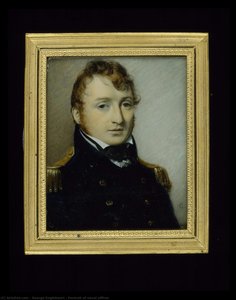
George Engleheart
1750 - 1829 , Inglaterra
Breves datos
- Artistic Movement Or Style: Neoclassical
- Artists Who Influenced This Artist:
- George Barrett
- Joshua Reynolds
- Date Of Birth: October 26, 1750
- Date Of Death: March 21, 1829
- Full Name: George Engleheart
- Nationality: British
- Notable Artworks:
- Colonel Woodford
- Portrait of a Man
- Place Of Birth: Kew, Surrey

