

 Ver en contexto
 Enviar
 Compartir
 Detalles

 Descargar
 Similares
 Radiografía
 Presentación de diapositivas
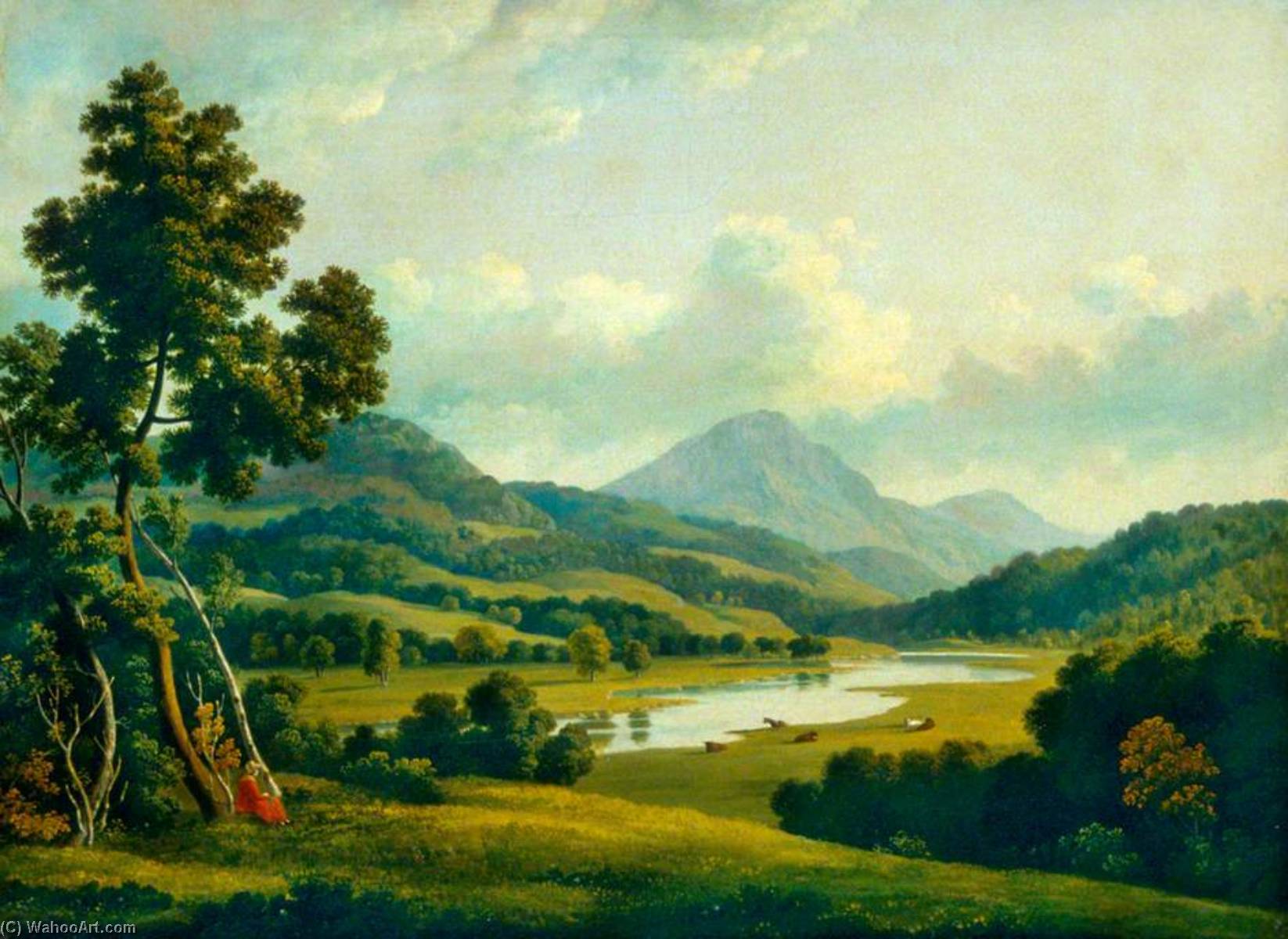
Scene in the Lake District
 1850
1850 56.0 x 76.0 cm
 Colección de Arte del Gobierno
 Ver más
Reproducción al óleo hecha a mano
Óleo sobre lienzo pintado a mano en el tamaño y marco de su elección, realizado por encargo por nuestros artistas. ( Comprar impresión Comprar imagen)




































Elija entre nuestros tamaños predefinidos que respetan las proporciones originales de la obra.

Puede ingresar sus propias dimensiones para adaptarse a un marco o espacio específico. Si el tamaño seleccionado no coincide con las proporciones de la imagen original, recortaremos la obra o extenderemos la pintura con elementos adicionales pintados a mano. Se le enviará una maqueta digital para su aprobación antes de comenzar la producción.
Tenga en cuenta que la vista previa en pantalla no refleja el recorte o la extensión reales. Solo la maqueta mostrará con precisión la composición final.
Si bien existen tamaños personalizados, recomendamos seleccionar una dimensión de la lista predefinida para preservar las proporciones originales.
Tras realizar el pedido, el equipo de ArtsDot.com enviará un correo electrónico al cliente para solicitar instrucciones y proporcionarle una vista previa del boceto.
Envío a todo el mundo () en 3-4 semanas en lugar de las 5 semanas estándar. (23 agosto). Sin comprometer la calidad.

Envío exprés gratuito a todo el mundo

Lienzo de lino de alta calidad

Seguro de envío total

Garantía de reembolso de impuestos aduaneros

Garantía de fidelidad cromática exacta

Política de devolución de 60 días (solo por defectos)

Garantía de devolución del 100% del dinero

Descuento por cantidad
 La opción de vidrio solo está disponible en tamaños inferiores a 110 cm.

Scene in the Lake District
Técnica de reproducción
Dimensiones de la reproducción
-


Precio total final
$ 263
Descripción de la obra
The Painting's Composition
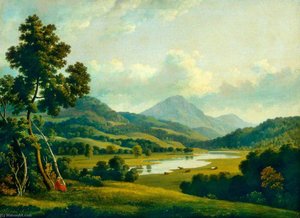
The Scene in the Lake District depicts a serene landscape with majestic mountains in the background and a tranquil lake in the foreground. A tree stands tall near the water's edge, adding to the natural beauty of the scene. Several boats are scattered across the lake, including one prominently placed at the center of the image. Two figures can be seen in the painting, one standing near the left side and the other towards the middle-right area.Artist and Style
George Frederick Buchanan was a skilled artist known for his oil on canvas paintings. His style is characterized by attention to detail and a deep appreciation for nature. The Scene in the Lake District is a prime example of his work, showcasing his ability to capture the essence of the natural world. For more information on George Frederick Buchanan and his artwork, visit /art/list/?Filter=AQZHYC-George-Frederick-Buchanan-Scene-in-the-Lake-District.Similar Paintings and Artists
If you are interested in similar paintings, I recommend exploring the works of other artists featured on https://ArtsDot.com. For example, James Peel's Scene in the Lake District (16 x 23 cm, Derby Museum and Art Gallery) is another beautiful representation of the Lake District. You can find more information on this painting at /art/list/?Filter=AQTS4W-James-Peel-Scene-in-the-Lake-District.- Handmade oil paintings reproductions of the Scene in the Lake District are available for purchase on https://ArtsDot.com.
- The Tavistock Town Hall in Canada features a collection of handmade oil paintings reproductions, including works by various artists. Learn more at /art/list/?Filter=A@D3CDLX-The-Museum-Tavistock-Town-Hall-(Tavistock-Canada).
In conclusion, the Scene in the Lake District by George Frederick Buchanan is a stunning oil on canvas painting that showcases the beauty of nature. With its serene landscape and attention to detail, this artwork is a must-see for art enthusiasts. Visit https://ArtsDot.com to explore more paintings and learn about the artists who created them.
Obras relacionadas


Biografía del artista
The Soul of the Scottish Highlands: The Life and Art of George Frederick Buchanan
In the quiet, mist-shrouded valleys of the nineteenth century, a particular kind of magic was being captured on canvas by an artist who preferred the whispers of nature to the clamor of the city. George Frederick Buchanan (1800–1864) emerged as a vital voice within the Romantic movement, a painter whose work serves as a window into the tranquil, enduring beauty of the Lake District and the Scottish Highlands. While history often reserves its brightest spotlights for the tempestuous drama of J.M.W. Turner or the rugged realism of John Constable, Buchanan carved out a unique sanctuary in the art world through his devotion to serenity, light, and the profound stillness of the natural landscape.
Born in Kendal, Cumbria, into a family deeply rooted in the Quaker tradition, Buchanan’s early life was shaped by values of integrity and a quiet, observant intellect. His upbringing instilled in him a reverence for the world around him, though his path to formal artistry was not without hesitation. The moral convictions of his youth initially made him wary of the pursuit of formal training; however, his innate curiosity eventually led him to the Newcastle upon Tyne Art Academy. It was there that he encountered the profound influence of John Sell Cotman, a master of landscape whose delicate handling of light and structure would leave an indelible mark on Buchanan’s developing aesthetic.
A Journey Through Light and Water
The true metamorphosis of Buchanan’s style occurred when he relocated to Keswick in 1835. This move placed him at the very heart of his greatest inspiration: the breathtaking scenery of Derwentwater and Bassenthwaite Lake. The dramatic topography of the region—characterized by towering, verdant mountains and shimmering, mirror-like waters—became the primary protagonist in his oeuvre. Buchanan did not merely seek to document these locations; he sought to translate their emotional resonance. Through a meticulous, layered technique, often beginning with precise underdrawings followed by delicate washes of color, he achieved a luminous quality that made the atmosphere feel almost tangible.
His mastery was particularly evident in his ability to balance the monumental with the intimate. In works such as Landscape with a Lake and a Shepherd, Buchanan weaves human presence into the vastness of nature without disrupting its peace. The inclusion of a shepherd and his dogs near the water's edge provides a sense of scale and life, grounding the epic landscape in a moment of pastoral quietude. His palette, often favoring muted and earthy hues, reflected the subdued grandeur of the English and Scottish landscapes, avoiding unnecessary flash in favor of a sophisticated, tonal harmony that invites the viewer into a state of contemplation.
Legacy of the Romantic Landscape
As his career progressed, Buchanan’s reputation grew through exhibitions at prestigious institutions such as the Royal Academy and the British Institution. His ability to capture the essence of specific locales—from the iconic Kilchurn Castle on Loch Awe to the serene vistas of Derwentwater—ensured that his work became a vital part of the British landscape tradition. Even as the art world moved toward new movements, Buchanan remained steadfast in his commitment to the Romantic ideal: the belief that nature is a source of spiritual renewal and profound emotional truth.
Today, the significance of George Frederick Buchanan lies in his role as a chronicler of a vanishing tranquility. His paintings remain much more than mere topographical records; they are poetic meditations on the permanence of the earth against the fleeting passage of time. To look upon a Buchanan landscape is to experience a moment of stillness, a breath held in reverence of the mountains and lakes that continue to define the spirit of the North.
george frederick buchanan
1800 - 1864
Datos clave
- Artistic Movement Or Style: Romantic Landscape
- Date Of Death: 1864
- Full Name: George Frederick Buchanan
- Nationality: British
- Notable Artworks: ['Derwentwater']
- Place Of Birth: Keswick, England

