 Ver en contexto
 Enviar
 Compartir
 Detalles

 Descargar
 Similares
 Radiografía
 Presentación de diapositivas
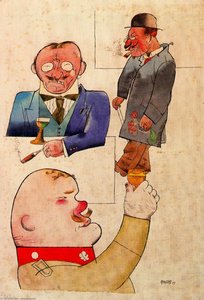
Ausschweifung, Berlin Night Club


 Ver más
Reproducción al óleo hecha a mano
Óleo sobre lienzo pintado a mano en el tamaño y marco de su elección, realizado por encargo por nuestros artistas. ( Comprar impresión Comprar imagen)




P118B $10

P118H $10

P118W $10

P438Z $10

P508JH $12

P508YH $12

P805H $10

P805Z $10

P919BZ $10

P919G $10

P919XJ $10

P959ZH $10

P968JZ $12

W106C $8

W218G $10

W218JH $8

W218Y $10

W307PJ $10

W316G $10

W316PJ $8

W316Y $10

W398PJ $8

W4111J $10

W500HY $15

W500JH $15

W692G $12

W849H $8

W940BG $15

W953PJ $8




Elija entre nuestros tamaños predefinidos que respetan las proporciones originales de la obra.

Puede ingresar sus propias dimensiones para adaptarse a un marco o espacio específico. Si el tamaño seleccionado no coincide con las proporciones de la imagen original, recortaremos la obra o extenderemos la pintura con elementos adicionales pintados a mano. Se le enviará una maqueta digital para su aprobación antes de comenzar la producción.
Tenga en cuenta que la vista previa en pantalla no refleja el recorte o la extensión reales. Solo la maqueta mostrará con precisión la composición final.
Si bien existen tamaños personalizados, recomendamos seleccionar una dimensión de la lista predefinida para preservar las proporciones originales.
Tras realizar el pedido, el equipo de ArtsDot.com enviará un correo electrónico al cliente para solicitar instrucciones y proporcionarle una vista previa del boceto.
Envío a todo el mundo () en 3-4 semanas en lugar de las 5 semanas estándar. (24 agosto). Sin comprometer la calidad.

Envío exprés gratuito a todo el mundo

Lienzo de lino de alta calidad

Seguro de envío total

Garantía de reembolso de impuestos aduaneros

Garantía de fidelidad cromática exacta

Política de devolución de 60 días (solo por defectos)

Garantía de devolución del 100% del dinero

Descuento por cantidad
 La opción de vidrio solo está disponible en tamaños inferiores a 110 cm.

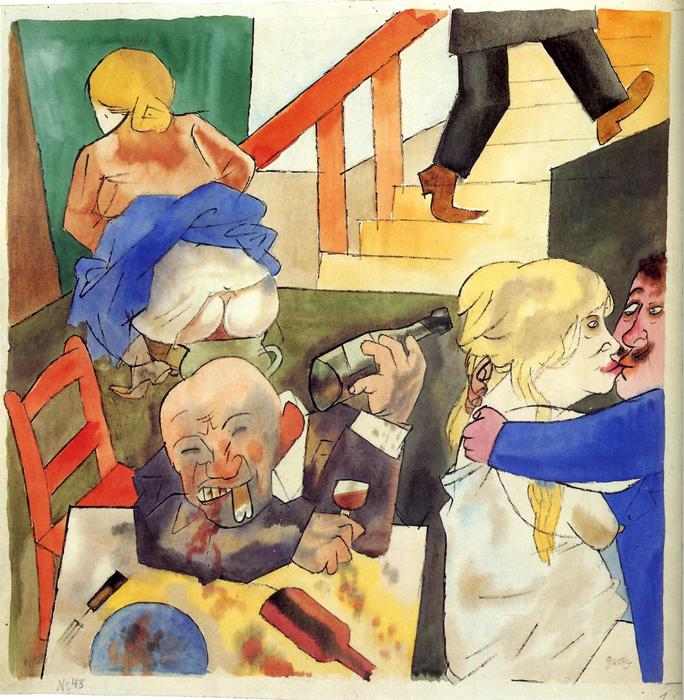
Ausschweifung, Berlin Night Club
Técnica de reproducción
Dimensiones de la reproducción
-


Precio total final
$ 263
Descripción de la obra
A Night of Disillusionment: Exploring George Grosz’s *Ausschweifung, Berlin Night Club*
George Grosz's Ausschweifung, Berlin Night Club (1923) is a brutally honest and profoundly unsettling depiction of the Weimar Republic’s decadent underbelly. Painted during a period of immense social and political turmoil in Germany – a nation grappling with economic instability, rampant corruption, and the looming threat of fascism – this work transcends mere observation; it's a searing indictment of a society consumed by excess and moral decay. The painting captures a fleeting moment within a Berlin night club, but its impact resonates far beyond the confines of that space, offering a chilling glimpse into the anxieties of an era on the brink.
- Subject Matter: The scene unfolds with a disquieting realism, portraying a group of individuals lost in a haze of alcohol and fleeting pleasure. The figures are not idealized; they are rendered with a deliberate crudeness, reflecting Grosz’s rejection of traditional artistic conventions and his desire to expose the ugliness he saw around him.
- Composition: The composition itself contributes to the painting's unsettling effect. The figures are tightly packed, creating a sense of claustrophobia and suggesting a lack of genuine connection. The placement of key elements – the solitary figure with his head bowed, the scattered wine glasses, and the bottle – further emphasizes themes of isolation, indulgence, and ultimately, despair.
The Artist’s Vision: Grosz and the Weimar Satirist
George Grosz arrived on the art scene as a radical voice, deeply influenced by his upbringing amidst the rigid social structures of Prussian militarism. His early artistic training, initially focused on meticulous copies of Dutch masters under Eduard von Grützner, provided him with technical skill – which he swiftly discarded in favor of a far more provocative style. This rejection wasn't simply stylistic; it was a fundamental philosophical shift. Grosz saw himself as a chronicler of societal breakdown, using his art to expose the hypocrisy and moral bankruptcy of the Weimar Republic. His work is characterized by jagged lines, grotesque caricatures, and a deliberate distortion of form – all employed to amplify the emotional impact of his subject matter.
The painting’s creation coincided with the height of the Weimar Republic's instability, a period marked by political extremism and social unrest. Grosz’s unflinching portrayal of this era reflects the growing sense of disillusionment felt by many Germans at the time – a feeling that would ultimately contribute to the rise of Nazism.
Technique and Symbolism: A Study in Discomfort
Grosz's technique is immediately recognizable. He employs a deliberately rough, almost aggressive brushstroke, contributing to the painting’s sense of unease. The figures are not smoothly rendered; they possess an unsettling physicality, reflecting Grosz’s desire to shock and disturb his audience. The use of dark, muted colors – predominantly browns, grays, and blacks – further enhances this effect, creating a somber and oppressive atmosphere.
- Symbolism: The scattered wine glasses and bottles represent the destructive nature of indulgence and the fleeting nature of pleasure. The solitary figure with his head down symbolizes isolation and despair, while the overall scene suggests a collective loss of purpose and direction.
- Line & Form: Grosz’s signature use of angular lines and distorted forms serves to amplify the painting's emotional impact, conveying a sense of anxiety and unease.
Emotional Impact and Legacy
Ausschweifung, Berlin Night Club is more than just a depiction of a night club scene; it’s a powerful meditation on the human condition – a warning about the dangers of unchecked ambition, moral decay, and societal fragmentation. Grosz's work continues to resonate today, reminding us of the importance of critical thinking and social responsibility. A hand-painted reproduction offers an unparalleled opportunity to experience the raw power and unsettling beauty of this iconic artwork, bringing its profound message into your space.
Obras relacionadas

Biografía del artista
Primeros años e influencias
George Grosz, cuyo nombre original era Georg Ehrenfried Gross, nació el 26 de julio de 1893 en Berlín, Alemania. Creció en una familia luterana devota, donde su padre era dueño de un pub. Tras la muerte de su padre en 1901, la madre de Grosz se convirtió en encargada del salón de oficiales de los husares locales, lo que expuso al joven artista a un ambiente social complejo y a menudo decadente.Desarrollo artístico
La formación artística de Grosz comenzó bajo la tutela de un pintor local llamado Grot, quien le enseñó las bases técnicas de la pintura. Posteriormente, perfeccionó sus habilidades copiando meticulosamente escenas de consumo de alcohol e imaginarias batallas de Eduard von Grützner. Estudió en la Academia de Bellas Artes de Dresde (1909-1911) y luego en el Colegio de Artes y Oficios de Berlín, donde se expuso a diversas corrientes artísticas y desarrolló su propio estilo distintivo.Estilo y obras destacadas
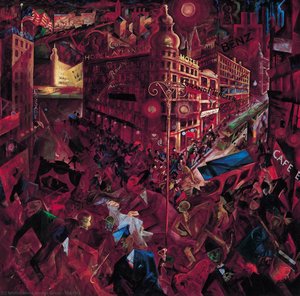
Grosz es reconocido principalmente por sus caricaturas mordaces y pinturas que retratan la vida berlinesa durante los años 20. Fue un miembro destacado del movimiento Dadaísta de Berlín y del grupo de la Nueva Objetividad (Neue Sachlichkeit). Su obra se caracteriza por una crítica satírica de la sociedad burguesa alemana, la política y el auge del fascismo. Algunas de sus obras más notables incluyen:- La Cova (Die Fuge): Una representación caótica y expresionista que refleja la turbulencia social y moral de la época.
- El Agitador (Der Redner): Un ejemplo de su estilo dadaísta, caracterizado por el uso de colores vibrantes y una composición dinámica.
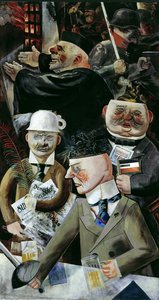
- Los Pilares de la Sociedad (Die Gesellschaft): Una crítica mordaz a las élites sociales y políticas alemanas.
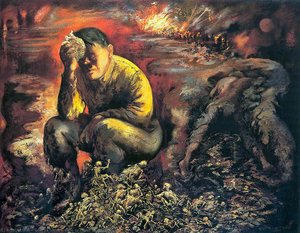
- Caimán o Hitler en el Infierno (Kaiman oder Hitler im Inferno): Una poderosa obra anti-fascista que denuncia los horrores del régimen nazi.
Exilio y legado
Con el ascenso del nazismo en Alemania, Grosz emigró a los Estados Unidos en 1933, donde se naturalizó como ciudadano estadounidense en 1938. Se estableció en Nueva York y enseñó arte en la Art Students League durante muchos años. A pesar de abandonar su estilo anterior, continuó exhibiendo su trabajo hasta su regreso a Berlín en 1959, poco antes de su fallecimiento el 6 de julio del mismo año. El legado de Grosz perdura como uno de los artistas más importantes del siglo XX, cuya obra sigue siendo relevante por su crítica social y política incisiva. Sus obras se encuentran en prestigiosas colecciones museísticas, como las Kunstsammlungen und Museen Augsburg y la Kunsthalle Bielefeld, testimonio de su impacto duradero en el arte moderno.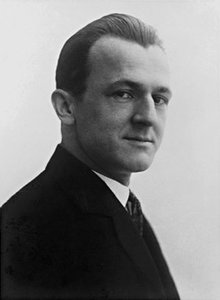
George Grosz
1893 - 1959 , Alemania
Datos clave
- Artistas Que Influyeron: ['Eduard von Grützner']
- Fecha De Fallecimiento: 6 de julio de 1959
- Fecha De Nacimiento: 26 de julio de 1893
- Lugar De Nacimiento: Berlín, Alemania
- Movimiento Artístico: Dadaísmo, Nueva Objetividad
- Nacionalidad: Alemán-Estadounidense
- Nombre Completo: George Grosz
- Obras Notables:
- El Agitador
- La Cova
- Los Pilares de la Sociedad
- Caimán o Hitler en el Infierno
Artículos relacionados

Giclée Prints: Archival Quality & Aesthetic Nuances for the Discerning Collector
Explore the world of giclée prints with ArtsDot. Learn about archival quality, aesthetic nuances & investment potential. Expert guidance for discerning art collectors seeking museum-quality reproductions and lasting value.

The Enduring Legacy of Fine Art Prints: Technique, History & Aesthetic Impact
Explore the rich history & techniques of fine art prints. Discover investment potential, assess authenticity, and learn how to preserve your collection with expert guidance. Trusted insights for discerning collectors.

Echoes of Time: Exploring the Enduring Appeal & Historical Context of Vintage Art Prints
Explore the captivating world of vintage art prints! Discover their history, collecting tips & enduring appeal. Expert insights on chromolithography and building a legacy collection with ArtsDot.
Las 25 Obras Maestras del Staatliche Museen Berlin: Arte, Historia y Decoración Exclusiva
Descubre las 25 obras maestras del Staatliche Museen Berlín. Explora la historia, el arte alemán y artistas como Nefertiti o Schinkel. Reproducciones de alta calidad para decorar tu hogar con elegancia. ¡Encuentra tu inspiración en ArtsDot.com!
The Enduring Legacy of Printmaking: Techniques, Themes & Artistic Innovation Across Centuries
Explore the rich history of printmaking with ArtsDot. Discover techniques from intaglio to lithography, learn about collecting valuable prints & find museum-quality reproductions. Expert insights for art enthusiasts and collectors.