 Vista previa
 Compartir
 Compartir
 Ver detalles

 Descargar
 Ver similares
 Radiografía
 Presentación de diapositivas
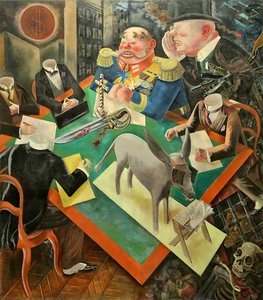
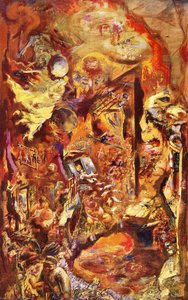
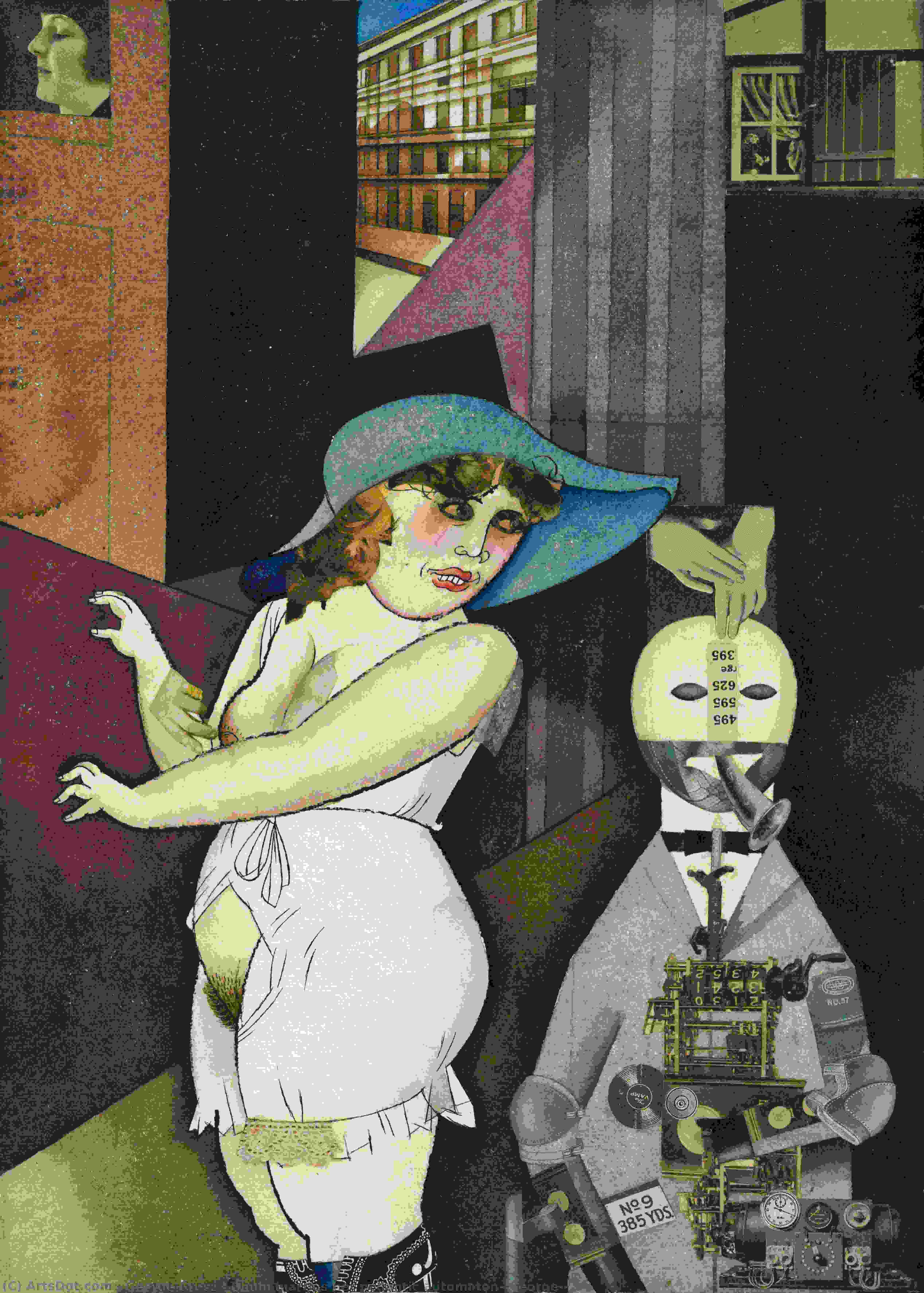
Daum marries her pedantic automaton''George''


 Leer más
Giclée / Impresión de arte
Impresiones giclée o en lienzo de calidad de museo con producción rápida y opciones de acabado flexibles. ( Encargar reproducción pintada a mano Comprar descarga)




P118B $10

P118H $10

P118W $10

P438Z $10

P508JH $12

P508YH $12

P805H $10

P805Z $10

P919BZ $10

P919G $10

P919XJ $10

P959ZH $10

P968JZ $12

W106C $8

W218G $10

W218JH $8

W218Y $10

W307PJ $10

W316G $10

W316PJ $8

W316Y $10

W398PJ $8

W4111J $10

W500HY $15

W500JH $15

W692G $12

W849H $8

W940BG $15

W953PJ $8




Elija entre nuestros tamaños predefinidos que respetan las proporciones originales de la obra.

Puede introducir sus propias dimensiones para adaptarse a un marco o espacio específico. Si el tamaño seleccionado no coincide con las proporciones de la imagen original, recortaremos la obra de arte o extenderemos la imagen con un borde con efecto espejo o de color sólido. Se enviará una maqueta digital para su aprobación antes de que comience la producción.
Tenga en cuenta que la vista previa en pantalla no refleja el recorte o la extensión real. Solo la maqueta mostrará con precisión la composición final.
Aunque existen tamaños personalizados, recomendamos seleccionar una dimensión de la lista predefinida para preservar las proporciones originales.
Envío a todo el mundo () en 2 semanas en lugar de las 4/5 semanas estándar. (21 agosto)

Envío exprés gratuito a todo el mundo

Lienzo de lino de alta calidad

Seguro de envío completo

Garantía de reembolso de aranceles aduaneros

Garantía de fidelidad cromática exacta

Política de devolución de 60 días (solo por defectos)

Garantía de devolución del 100% del dinero

Oferta por volumen
 La opción de vidrio solo está disponible en tamaños inferiores a 110 cm.

Daum marries her pedantic automaton''George''
Giclée / Impresión de arte
Tamaño de la reproducción
-


Precio total
$ 62
Descripción de la pieza
George Grosz's "Daum Marries Her Pedantic Automaton" – A Portrait of Weimar Disillusionment
George Grosz’s “Daum marries her pedantic automaton” is not merely a whimsical scene; it’s a searing indictment of the societal anxieties and moral decay that gripped Germany during the tumultuous years of the Weimar Republic. Painted in 1920, this arresting image captures a moment of surreal absurdity, reflecting Grosz's signature style – a brutal honesty rendered through sharp lines, distorted figures, and a deeply cynical perspective. The painting’s power lies not just in its visual impact but also in its ability to distill the disillusionment felt by many Germans as traditional values crumbled under the weight of political instability and burgeoning industrialization.
- Subject Matter: The central figures, a woman wearing a vibrant blue hat and a man encased in a rudimentary robot costume, immediately establish an unsettling juxtaposition. This isn’t a romantic union; it's a commentary on the mechanization of life and the perceived absurdity of blindly adhering to rigid social structures.
- Style & Technique: Grosz employed his characteristic Expressionistic style with remarkable precision. The jagged lines defining the robot costume, the angularity of the figures’ postures, and the stark contrast between light and shadow create a sense of unease and tension. His use of color is deliberately jarring – the bright blue hat against the muted tones of the background amplifies the painting's unsettling effect.
Symbolism Within the Surreal
The symbolism within “Daum marries her pedantic automaton” is layered and profoundly relevant to its historical context. The robot costume itself represents the increasing influence of technology and industrialization on German society, a force that was simultaneously promising progress and threatening to dehumanize individuals. The clocks, prominently displayed, serve as a constant reminder of the relentless march of time – a theme frequently explored by Grosz – suggesting the futility of attempting to control or predict the future in a world spiraling out of control. Even the teddy bear, placed incongruously in the foreground, could be interpreted as a symbol of lost innocence and the erosion of traditional values.
- The Automaton: Represents rigid social structures and the dehumanizing effects of industrialization.
- Blue Hat: A deliberate splash of color, potentially symbolizing defiance or an attempt to stand out against the prevailing drabness.
- Clocks: Symbolize the passage of time and the anxieties surrounding the future.
Grosz’s Vision – A Reflection of Weimar
George Grosz was a fiercely independent artist who refused to compromise his vision, even when it meant facing criticism or censorship. His work is inextricably linked to the political and social climate of Weimar Germany. He witnessed firsthand the corruption, decadence, and moral bankruptcy that plagued the era, and he translated these observations into powerful, often disturbing, images. “Daum marries her pedantic automaton” stands as a testament to his unwavering commitment to exposing uncomfortable truths – a crucial element in understanding Grosz’s broader artistic legacy.
Historical Context: Painted during the early years of the Weimar Republic (1919-1933), this artwork reflects the period's anxieties surrounding rapid industrialization, political instability, and the rise of extremist ideologies. Grosz was a vocal critic of these trends, aligning himself with socialist ideals and using his art to challenge the status quo.Emotional Impact & Reproduction
“Daum marries her pedantic automaton” possesses a lingering emotional impact that continues to resonate today. It’s a painting that demands attention, provoking questions about our relationship with technology, social norms, and the nature of human existence. ArtsDot.com offers meticulously crafted hand-painted reproductions of this iconic work, ensuring that you can experience its power and beauty in stunning detail. Each reproduction is created using archival quality materials, guaranteeing lasting vibrancy and authenticity.
Obras relacionadas
Biografía del artista
Primeros años e influencias
George Grosz, cuyo nombre original era Georg Ehrenfried Gross, nació el 26 de julio de 1893 en Berlín, Alemania. Creció en una familia luterana devota, donde su padre era dueño de un pub. Tras la muerte de su padre en 1901, la madre de Grosz se convirtió en encargada del salón de oficiales de los husares locales, lo que expuso al joven artista a un ambiente social complejo y a menudo decadente.Desarrollo artístico
La formación artística de Grosz comenzó bajo la tutela de un pintor local llamado Grot, quien le enseñó las bases técnicas de la pintura. Posteriormente, perfeccionó sus habilidades copiando meticulosamente escenas de consumo de alcohol e imaginarias batallas de Eduard von Grützner. Estudió en la Academia de Bellas Artes de Dresde (1909-1911) y luego en el Colegio de Artes y Oficios de Berlín, donde se expuso a diversas corrientes artísticas y desarrolló su propio estilo distintivo.Estilo y obras destacadas
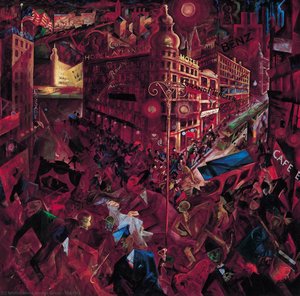
Grosz es reconocido principalmente por sus caricaturas mordaces y pinturas que retratan la vida berlinesa durante los años 20. Fue un miembro destacado del movimiento Dadaísta de Berlín y del grupo de la Nueva Objetividad (Neue Sachlichkeit). Su obra se caracteriza por una crítica satírica de la sociedad burguesa alemana, la política y el auge del fascismo. Algunas de sus obras más notables incluyen:- La Cova (Die Fuge): Una representación caótica y expresionista que refleja la turbulencia social y moral de la época.
- El Agitador (Der Redner): Un ejemplo de su estilo dadaísta, caracterizado por el uso de colores vibrantes y una composición dinámica.
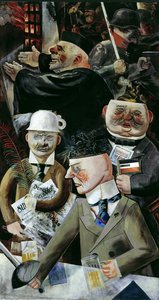
- Los Pilares de la Sociedad (Die Gesellschaft): Una crítica mordaz a las élites sociales y políticas alemanas.
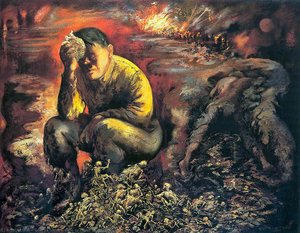
- Caimán o Hitler en el Infierno (Kaiman oder Hitler im Inferno): Una poderosa obra anti-fascista que denuncia los horrores del régimen nazi.
Exilio y legado
Con el ascenso del nazismo en Alemania, Grosz emigró a los Estados Unidos en 1933, donde se naturalizó como ciudadano estadounidense en 1938. Se estableció en Nueva York y enseñó arte en la Art Students League durante muchos años. A pesar de abandonar su estilo anterior, continuó exhibiendo su trabajo hasta su regreso a Berlín en 1959, poco antes de su fallecimiento el 6 de julio del mismo año. El legado de Grosz perdura como uno de los artistas más importantes del siglo XX, cuya obra sigue siendo relevante por su crítica social y política incisiva. Sus obras se encuentran en prestigiosas colecciones museísticas, como las Kunstsammlungen und Museen Augsburg y la Kunsthalle Bielefeld, testimonio de su impacto duradero en el arte moderno.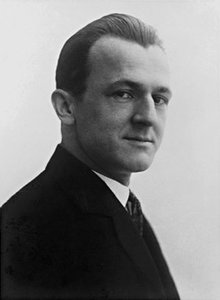
George Grosz
1893 - 1959 , Alemania
Datos clave
- Artistas Que Influyeron: ['Eduard von Grützner']
- Fecha De Fallecimiento: 6 de julio de 1959
- Fecha De Nacimiento: 26 de julio de 1893
- Lugar De Nacimiento: Berlín, Alemania
- Movimiento Artístico: Dadaísmo, Nueva Objetividad
- Nacionalidad: Alemán-Estadounidense
- Nombre Completo: George Grosz
- Obras Notables:
- El Agitador
- La Cova
- Los Pilares de la Sociedad
- Caimán o Hitler en el Infierno
Artículos relacionados
Las 10 Obras Maestras del Azul Pizarra: Arte, Historia y Decoración
Descubre las 10 pinturas más famosas dominadas por el azul pizarra. Explora la historia, técnica y belleza de Monet, Van Gogh y otros maestros. Encuentra reproducciones de arte exclusivas para decorar tu hogar en .

Giclée Prints: Archival Quality & Aesthetic Nuances for the Discerning Collector
Explore the world of giclée prints with ArtsDot. Learn about archival quality, aesthetic nuances & investment potential. Expert guidance for discerning art collectors seeking museum-quality reproductions and lasting value.
The Allure of Azure: Exploring the Symbolic & Aesthetic Depths of Blue in Art History
Explore the rich history of blue in art! Discover its symbolism, from ancient pigments to modern masterpieces by Kandinsky & Seurat. Uncover the psychological impact and cultural meanings behind this captivating hue.

The Enduring Legacy of Fine Art Prints: Technique, History & Aesthetic Impact
Explore the rich history & techniques of fine art prints. Discover investment potential, assess authenticity, and learn how to preserve your collection with expert guidance. Trusted insights for discerning collectors.

Echoes of Time: Exploring the Enduring Appeal & Historical Context of Vintage Art Prints
Explore the captivating world of vintage art prints! Discover their history, collecting tips & enduring appeal. Expert insights on chromolithography and building a legacy collection with ArtsDot.