

 Ver en contexto
 Enviar
 Compartir
 Detalles

 Descargar
 Similares
 Radiografía
 Presentación de diapositivas
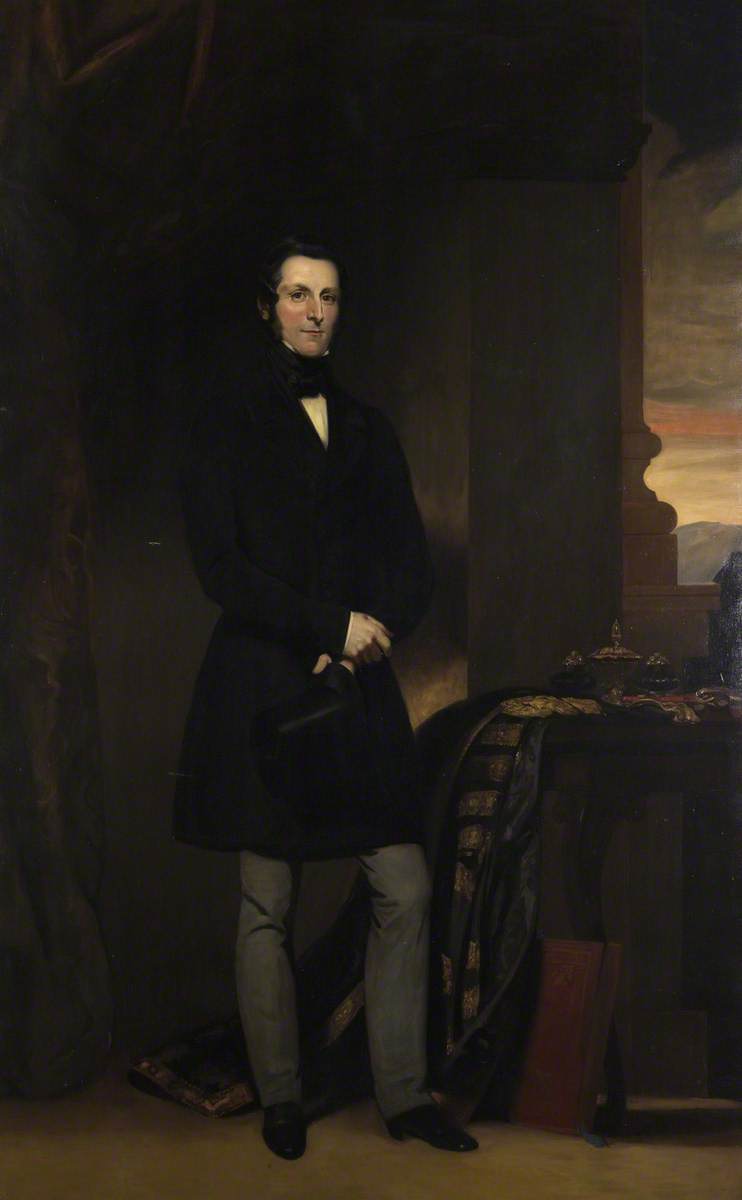
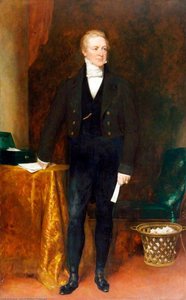
James Andrew Broun Ramsay (1812–1860), 1st Marquis of Dalhousie, Governor General of India (1848–1856) (after John Watson Gordon)
 Academic Realism
 1905
1905 240.0 x 148.0 cm
 Biblioteca Británica
 Ver más
Adquiera una imagen digital de alta resolución y optimizada, muy superior a la vista previa en línea.
Cada archivo es preparado meticulosamente por nuestros especialistas internos mediante el uso de herramientas avanzadas y un experto retoque manual. Nos aseguramos de que cada imagen posea una claridad excepcional, una precisión cromática impecable y un detalle minucioso.
El archivo final se entrega por correo electrónico en un plazo de 72 horas, optimizado para su uso inmediato en entornos profesionales, editoriales y de impresión. Esta es la misma calidad en la que confían los estudios de diseño, las editoriales y las galerías de primer nivel.
Imagen Digital
Descarga un archivo de alta resolución para exhibición personal, impresión y proyectos creativos. ( Comprar impresión Comprar pintura hecha a mano)
Incluido en cada pedido de imágenes digitales
Entrega digital experta, garantizada.
Al elegir ArtsDot.com, no solo está adquiriendo una imagen; está recibiendo una obra de arte digital mejorada profesionalmente, elaborada con precisión y respaldada por una garantía de satisfacción. Esto es todo lo que incluye su pedido, automáticamente:

Entrega rápida por email
Recibirá su archivo de imagen digital en alta resolución por correo electrónico en un plazo de 72 horas tras realizar su pedido, listo para su uso inmediato.

Archivo digital optimizado por IA
Su obra de arte se optimiza profesionalmente mediante herramientas avanzadas de IA y edición manual, garantizando el máximo detalle, claridad y precisión cromática.

Reenvío gratuito de por vida
¿Has borrado o perdido tu archivo por error? No te preocupes: te lo volveremos a enviar en cualquier momento, sin coste adicional.

Sin gastos de importación, siempre
Disfrute de su obra de arte al instante sin aduanas, aranceles ni gastos de envío; las descargas digitales siempre están libres de impuestos.

Garantía de fidelidad de color
Garantizamos que su imagen digital refleje los colores originales con la mayor fidelidad posible, mediante el uso de herramientas profesionales y gestión del color.

Garantía de satisfacción de 60 días
Si no está satisfecho con su imagen digital, la revisaremos o le reembolsaremos el 100% en un plazo de 60 días, sin preguntas.

100% Garantía de devolución de dinero
¿No está satisfecho? Obtenga un reembolso completo dentro de los 60 días posteriores a la recepción de su archivo digital, sin necesidad de explicaciones.

Descuentos por pedidos grandes
Compra 3 imágenes, ahorra 10% - Compra 5, ahorra 15% - Compra 10+, ahorra 20%. Ideal para proyectos creativos, galerías y agencias.
Obras relacionadas
Biografía del artista
George Harcourt Sephton: A Portraitist of Victorian Society
George Harcourt Sephton (1868-1947) remains a quietly significant figure in late 19th and early 20th century British art, largely obscured by the grander narratives of the Royal Academy and the more flamboyant styles of his contemporaries. Born in Dumbarton, Scotland, into a family deeply rooted in shipbuilding—his father a labourer at William Denny & Brothers—Harcourt’s artistic journey began modestly, nurtured within the burgeoning art scene of the West Country. His early training at the Dumbarton School of Art provided a solid foundation, but it was his subsequent studies under Hubert von Herkomer at Bushey, Hertfordshire, that truly shaped his approach to portraiture and landscape.
Herkomer’s influence proved pivotal, instilling in Harcourt a rigorous attention to detail, a classical sensibility, and a commitment to capturing the essence of his subjects. This dedication is immediately apparent in his portraits, which eschew mere likeness for a deeper exploration of character and social standing. Harcourt wasn't simply reproducing faces; he was revealing personalities through subtle shifts in expression, posture, and attire. He possessed an uncanny ability to distill complex individuals into compelling visual narratives, often imbued with a quiet dignity or understated wit.
A Career Defined by Portraiture and Landscape
Harcourt’s career unfolded across several distinct phases. Initially, he found success as an interior decorator for ships and yachts, a skill honed during his early years in Dumbarton. However, it was his foray into portrait painting that truly established him within the art world. He quickly gained recognition for his ability to capture the nuances of Victorian society – from prominent politicians and military figures to members of the aristocracy and even humble tradesmen. His subjects included Clement Attlee, a key figure in British politics, and James Ramsay, 1st Marquis of Dalhousie, Governor General of India.
Alongside his portraiture, Harcourt maintained an active interest in landscape painting, though it’s often overshadowed by his more celebrated work with figures. His landscapes, frequently depicting rural scenes and evocative coastal vistas, demonstrate a keen eye for composition and a subtle understanding of light and atmosphere. These works offer glimpses into the artist's broader artistic sensibilities, revealing a sensitivity to both human experience and the natural world.
Royal Recognition and Artistic Leadership
Harcourt’s contributions were formally acknowledged by the Royal Academy, where he was elected an Associate Academician in 1919 and subsequently a full Academician in 1926. This elevation marked a significant milestone in his career, solidifying his position within the highest echelons of British art. He also served as Director of the Royal Academy Schools from 1927 to 1945, demonstrating his commitment to nurturing and guiding the next generation of artists.
His presidency of the Royal Society of Portrait Painters in 1945 further underscored his influence within the portraiture community. Harcourt’s tenure was marked by a dedication to upholding artistic standards and fostering a supportive environment for aspiring painters. He maintained a modest, almost retiring demeanor, yet his impact on the art world was considerable.
Legacy and Artistic Style
George Harcourt Sephton's legacy lies not in flamboyant exhibitions or revolutionary techniques, but rather in the quiet dignity and subtle brilliance of his portraits. His work embodies the spirit of late Victorian England – a period of social change, industrial progress, and enduring artistic tradition. His paintings are characterized by their meticulous detail, classical composition, and an ability to capture the essence of his subjects’ personalities. He was a master of capturing not just appearances but also the subtle nuances of character and social standing, leaving behind a collection of portraits that offer valuable insights into Victorian society.
His influence can be seen in the works of subsequent portraitists, who continued to draw inspiration from his meticulous approach and his commitment to portraying subjects with depth and sensitivity. Harcourt’s paintings remain treasured examples of British art, offering a window into a bygone era and a testament to the enduring power of portraiture.
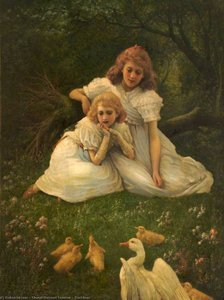
george harcourt sephton
1860 - 1923
Breves datos
- Artistic Movement Or Style: Portrait & Figure Painting
- Artists Or Movements Influenced By This Artist: ['Royal Academy']
- Artists Who Influenced This Artist: ['Hubert Herkomer']
- Date Of Birth: 1868-10-11
- Date Of Death: 1947-09-30
- Full Name: George Harcourt Sephton
- Nationality: British
- Notable Artworks:
- Melody
- James Ramsay
- Winifred Roberts
- Place Of Birth: Dumbarton, Scotland

