

 Ver en contexto
 Enviar
 Compartir
 Detalles

 Descargar
 Similares
 Radiografía
 Presentación de diapositivas
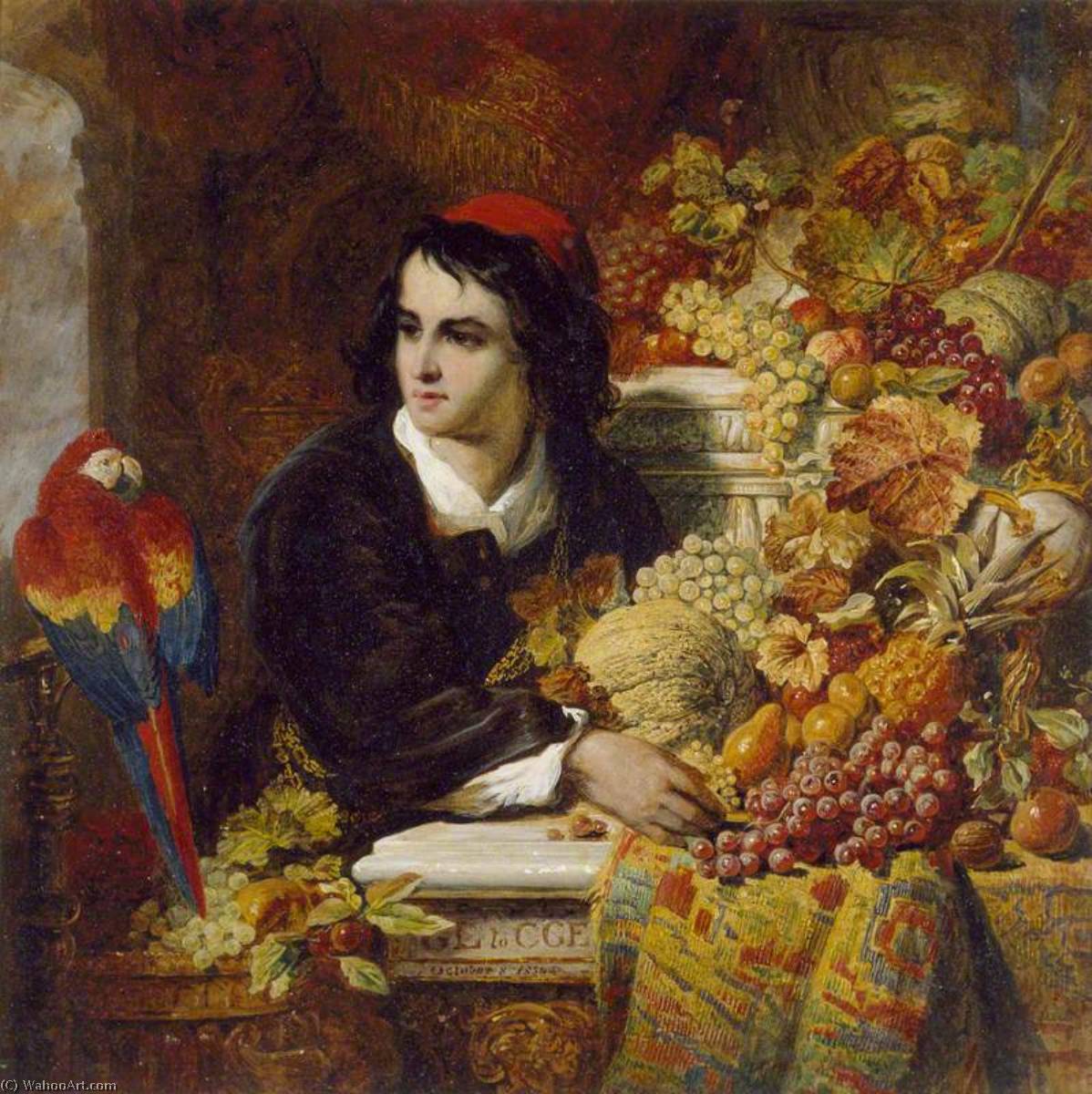
Still Life of Fruits with the Figure of a young Man
 Oil
Oil- WallArt
- Baroque
 1854
1854- 19th Century
 31.0 x 30.0 cm
 El Museo Ashmolean de Arte y Arqueología
 Ver más
Reproducción al óleo hecha a mano
Óleo sobre lienzo pintado a mano en el tamaño y marco de su elección, realizado por encargo por nuestros artistas. ( Comprar impresión Comprar imagen)




P118B $10

P118H $10

P118W $10

P438Z $10

P508JH $12

P508YH $12

P805H $10

P805Z $10

P919BZ $10

P919G $10

P919XJ $10

P959ZH $10

P968JZ $12

W106C $8

W218G $10

W218JH $8

W218Y $10

W307PJ $10

W316G $10

W316PJ $8

W316Y $10

W398PJ $8

W4111J $10

W500HY $15

W500JH $15

W692G $12

W849H $8

W940BG $15

W953PJ $8




Elija entre nuestros tamaños predefinidos que respetan las proporciones originales de la obra.

Puede ingresar sus propias dimensiones para adaptarse a un marco o espacio específico. Si el tamaño seleccionado no coincide con las proporciones de la imagen original, recortaremos la obra o extenderemos la pintura con elementos adicionales pintados a mano. Se le enviará una maqueta digital para su aprobación antes de comenzar la producción.
Tenga en cuenta que la vista previa en pantalla no refleja el recorte o la extensión reales. Solo la maqueta mostrará con precisión la composición final.
Si bien existen tamaños personalizados, recomendamos seleccionar una dimensión de la lista predefinida para preservar las proporciones originales.
Tras realizar el pedido, el equipo de ArtsDot.com enviará un correo electrónico al cliente para solicitar instrucciones y proporcionarle una vista previa del boceto.
Envío a todo el mundo () en 3-4 semanas en lugar de las 5 semanas estándar. (5 septiembre). Sin comprometer la calidad.

Envío exprés gratuito a todo el mundo

Lienzo de lino de alta calidad

Seguro de envío total

Garantía de reembolso de impuestos aduaneros

Garantía de fidelidad cromática exacta

Política de devolución de 60 días (solo por defectos)

Garantía de devolución del 100% del dinero

Descuento por cantidad
 La opción de vidrio solo está disponible en tamaños inferiores a 110 cm.

Still Life of Fruits with the Figure of a young Man
Técnica de reproducción
Dimensiones de la reproducción
-


Precio total final
$ 263
A Symphony of Abundance: The Captivating World of George Lance
In the delicate interplay of light and shadow, Still Life of Fruits with the Figure of a young Man emerges as a breathtaking testament to the Victorian era's fascination with abundance and human connection. Painted in 1854 by the master of English still life, George Lance, this work transcends the boundaries of a traditional genre painting. It is not merely a study of organic matter, but a dramatic narrative where the vitality of nature meets the quiet introspection of the human spirit. The composition draws the viewer into an intimate space, where the vibrant hues of ripe oranges, deep crimson apples, and lush grapes create a sensory feast that feels almost tactile in its execution.
The artistry of Lance is most evident in his masterful command of texture and light. Each piece of fruit is rendered with such precision that one can almost sense the weight of the citrus and the crisp skin of the apples. The way the light dances across the surface of the grapes, highlighting their translucent skins, speaks to a technique refined through years of dedicated study under the influence of greats like Charles Landseer. This painting utilizes a rich, painterly approach characteristic of the mid-19th century, where the interplay between the bright, saturated colors of the fruit and the more muted, atmospheric tones of the background creates a profound sense of depth and three-dimensionality.
Symbolism and the Human Element
What distinguishes this particular work from a standard botanical study is the inclusion of the young man, whose presence introduces a layer of psychological complexity. Clad in a striking red headdress, his gaze serves as an emotional anchor for the entire piece. There is a subtle tension between the ephemeral nature of the ripening fruit—a classic memento mori symbol representing the fleeting passage of time—and the enduring, watchful presence of the figure. The bird perched quietly in the upper corner adds another layer of naturalistic charm, suggesting a harmonious, albeit transient, moment captured in time.
For the discerning collector or interior designer, this painting offers more than just aesthetic beauty; it provides a focal point of conversation and character. The composition’s balance of warm tones and organic shapes makes it an ideal centerpiece for a sophisticated study, a classic dining room, or a curated gallery wall. It evokes a sense of timeless luxury and classical elegance, making it a perfect choice for those looking to infuse their spaces with the warmth of history and the richness of the Victorian tradition. To possess a reproduction of such a piece is to bring a fragment of 19th-century splendor into the modern home, celebrating a legacy of craftsmanship that continues to inspire awe.
Obras relacionadas
Biografía del artista
George Lance (1802 – 1864): A Pioneer of Victorian Still Life
George Lance was an English painter who achieved considerable renown during the Victorian era, primarily celebrated for his captivating still life compositions and delicately executed portrait miniatures. Born in Little Easton, Essex, in 1802, his artistic inclinations emerged early in life despite a somewhat unconventional upbringing—his father, William Lance, served as an adjutant in the Essex Yeomanry before becoming inspector of the Bow Street Horse Patrol, while his mother, Louisa Lucy (née) Constable, eloped from boarding school with Colonel Constable of Beverley. Though initially placed in a Leeds factory due to health concerns following injury, Lance swiftly returned to London and serendipitously encountered Charles Landseer at the British Museum, sparking an enduring friendship that would prove pivotal to his artistic journey. Landseer’s influence was profound; recognizing Lance's talent, he invited him to study alongside him at Haydon’s residence, initiating a transformative seven-year apprenticeship that simultaneously honed his skills at the Royal Academy. This formative period instilled in Lance a deep appreciation for observation and meticulous detail—principles evident throughout his oeuvre. Notably, during the conception of Homer’s Iliad, Lance deliberately began with smaller studies of fruit and vegetables, demonstrating an astute understanding of artistic technique and prioritizing foundational practice. He meticulously dissected the anatomy of citrus fruits and apples, painstakingly recreating their textures and hues to achieve a level of realism rarely seen at the time. This dedication to craft quickly yielded success, securing commissions from prominent patrons like Sir George Beaumont who purchased “Red Cap,” a vibrant depiction of fruit—a piece that cemented Lance's reputation as a masterful colorist. The luminous reds and yellows of the peaches and plums captured in "Red Cap" exemplify Lance’s mastery of pigment blending and tonal gradation. Subsequent projects included two magnificent fruit paintings for the Duke of Bedford’s Woburn Abbey summerhouse, further enhancing his artistic prestige. These monumental canvases showcased Lance's ability to convey grandeur and beauty with remarkable precision—a testament to his unwavering commitment to artistic excellence. Furthermore, Lance continued to exhibit his work in London galleries, attracting considerable acclaim from critics and collectors alike. His paintings were lauded for their technical virtuosity and emotional resonance, establishing him as a cornerstone of Victorian art history. Lance’s legacy extends beyond individual artworks; he represents a crucial link between Romantic idealism and Victorian realism. His commitment to studying Haydon’s methods—a deliberate embrace of academic tradition—contributed to the stylistic developments of the era. He championed the meticulous rendering of form and texture, mirroring the prevailing artistic sensibilities of his time while simultaneously elevating them with unparalleled skill. Moreover, Lance's ability to translate complex narratives into visually arresting images speaks to the enduring power of art as a medium for conveying emotion and intellectual contemplation. George Lance remains an artist whose work continues to inspire admiration for its technical brilliance and artistic vision.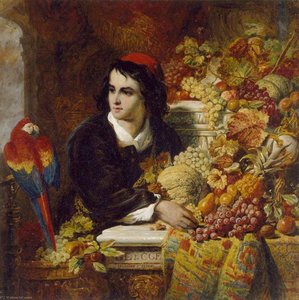
George Lance
1802 - 1864
Datos clave
- Artistic Movement Or Style: Still Life Painting
- Artists Or Movements Influenced By This Artist: ['Benjamin Haydon']
- Artists Who Influenced This Artist: ['Charles Landseer']
- Date Of Birth: 1802
- Date Of Death: 1864
- Full Name: George Lance
- Nationality: English
- Notable Artworks: ['Red Cap']
- Place Of Birth: Little Easton, Essex
Artículos relacionados
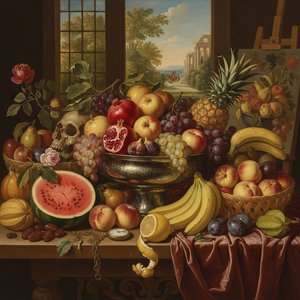
The Bountiful Still Life: Symbolism & Artistic Representation of Fruit Across Art History
Explore the rich history of still life painting & the symbolism of fruit across art movements. Discover masterpieces from Caravaggio to Cézanne with ArtsDot – expert guidance & museum-quality reproductions.

Crimson Threads of Narrative: Exploring Symbolism & Representation in Artworks Featuring the Red Dress
Explore the rich symbolism of the red dress in art history! From ancient power displays to iconic portraits like Cézanne’s 'Madame Cezanne', discover the cultural and artistic significance behind this captivating color. Expert analysis & insights.
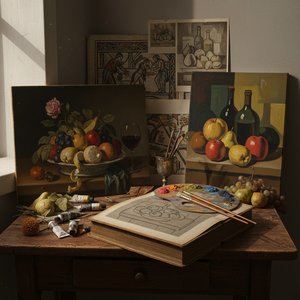
Silent Narratives: Exploring the Enduring Appeal of Still Life Painting Across Centuries
Explore the rich history of still life painting with ArtsDot. Discover Dutch Masters, decode vanitas symbolism & learn about collecting timeless art. Expert insights and museum-quality reproductions.
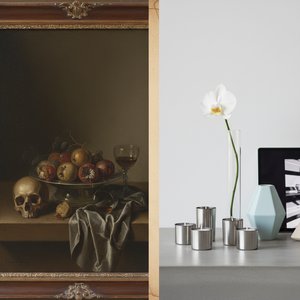
The Enduring Appeal of Still Life: A Historical & Contemporary Exploration
Explore the rich history & symbolism of still life painting with ArtsDot. Discover masterpieces from the Dutch Golden Age, learn about vanitas art, and find expert guidance for collecting timeless artworks.
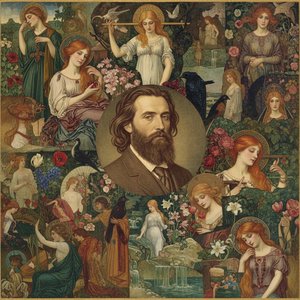
Dante Gabriel Rossetti: Las 25 Obras Maestras del Prerrafaelismo | ArtsDot
Descubre las 25 obras maestras de Dante Gabriel Rossetti, el máximo exponente del Prerrafaelismo. Explora su simbolismo, retratos victorianos y la belleza femenina en lienzos inolvidables. Reproducciones de arte exclusivas en ArtsDot.com.

