 Ver en contexto
 Enviar
 Compartir
 Detalles

 Descargar
 Similares
 Radiografía
 Presentación de diapositivas
 Estadísticas
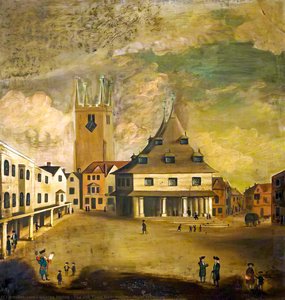
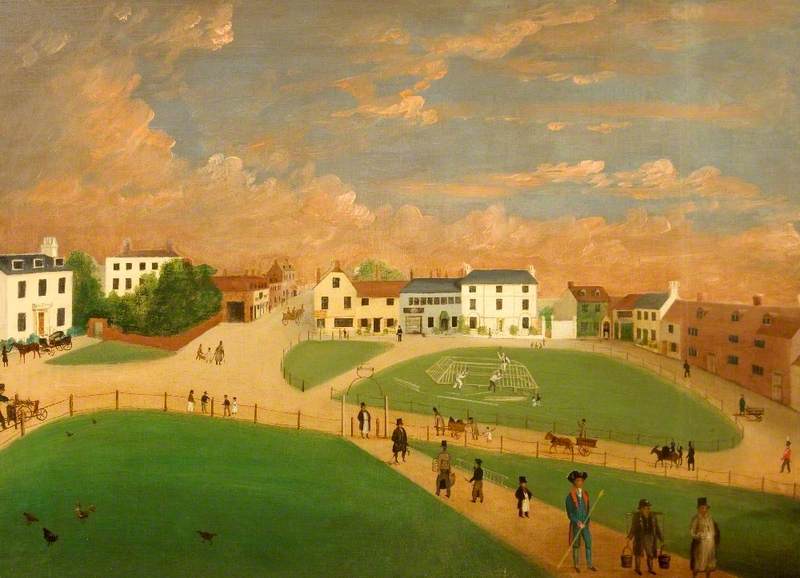
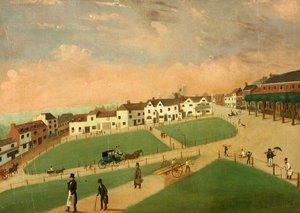
The Green, Marlborough, Wiltshire
 Genre Painting
 56.0 x 83.0 cm
 Marlborough Town Council Offices
 Ver más
Adquiera una imagen digital de alta resolución y optimizada, muy superior a la vista previa en línea.
Cada archivo es preparado meticulosamente por nuestros especialistas internos mediante el uso de herramientas avanzadas y un experto retoque manual. Nos aseguramos de que cada imagen posea una claridad excepcional, una precisión cromática impecable y un detalle minucioso.
El archivo final se entrega por correo electrónico en un plazo de 72 horas, optimizado para su uso inmediato en entornos profesionales, editoriales y de impresión. Esta es la misma calidad en la que confían los estudios de diseño, las editoriales y las galerías de primer nivel.
Imagen Digital
Descarga un archivo de alta resolución para exhibición personal, impresión y proyectos creativos. ( Cambiar a Impresión Comprar pintura hecha a mano)
Incluido en cada pedido de imágenes digitales
Entrega digital experta, garantizada.
Al elegir ArtsDot.com, no solo está adquiriendo una imagen; está recibiendo una obra de arte digital mejorada profesionalmente, elaborada con precisión y respaldada por una garantía de satisfacción. Esto es todo lo que incluye su pedido, automáticamente:

Entrega rápida por email
Recibirá su archivo de imagen digital en alta resolución por correo electrónico en un plazo de 72 horas tras realizar su pedido, listo para su uso inmediato.

Archivo digital optimizado por IA
Su obra de arte se optimiza profesionalmente mediante herramientas avanzadas de IA y edición manual, garantizando el máximo detalle, claridad y precisión cromática.

Reenvío gratuito de por vida
¿Has borrado o perdido tu archivo por error? No te preocupes: te lo volveremos a enviar en cualquier momento, sin coste adicional.

Sin gastos de importación, siempre
Disfrute de su obra de arte al instante sin aduanas, aranceles ni gastos de envío; las descargas digitales siempre están libres de impuestos.

Garantía de fidelidad de color
Garantizamos que su imagen digital refleje los colores originales con la mayor fidelidad posible, mediante el uso de herramientas profesionales y gestión del color.

Garantía de satisfacción de 100 días
Si no está satisfecho con su imagen digital, la revisaremos o le reembolsaremos el 100% en un plazo de 100 días, sin preguntas.

100% Garantía de devolución de dinero
¿No está satisfecho? Obtenga un reembolso completo dentro de los 100 días posteriores a la recepción de su archivo digital, sin preguntas.

Descuentos por pedidos grandes
Compra 3 imágenes, ahorra 10% - Compra 5, ahorra 15% - Compra 10+, ahorra 20%. Ideal para proyectos creativos, galerías y agencias.
Obras relacionadas
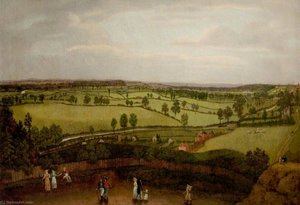
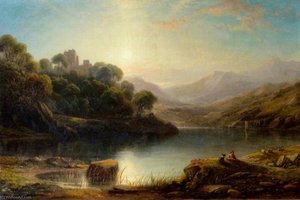
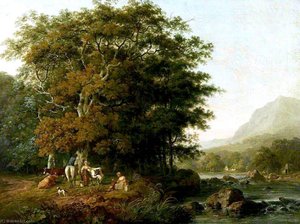
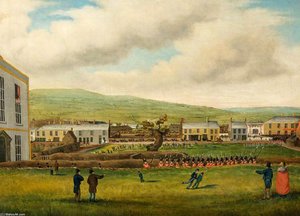
Biografía del artista
A Chronicler of Wiltshire: The Life and Art of George Maton
William George Maton, known as George Maton, remains a somewhat enigmatic figure in the pantheon of 19th-century British landscape painters. Born in the heart of Wiltshire, England – though precise dates elude comprehensive documentation – his life was deeply interwoven with the pastoral beauty of his native county. Unlike artists who sought training in grand academies or travelled extensively for inspiration, Maton’s artistic development blossomed from a profound and intimate connection to the rolling hills, ancient woodlands, and quiet villages surrounding him. He wasn't merely *depicting* Wiltshire; he was embodying it on canvas, becoming its visual historian. While biographical details are sparse, the sheer volume and consistent quality of his work suggest a dedicated artist who honed his skills through diligent observation and practice. His paintings aren’t flamboyant displays of technical virtuosity but rather quiet celebrations of rural life, imbued with a sense of authenticity that resonates even today.The Essence of the English Countryside
Maton's artistic output is overwhelmingly focused on Wiltshire landscapes. He eschewed dramatic mountain vistas or bustling urban scenes in favor of capturing the subtle nuances of the English countryside. His canvases are populated with idyllic rural scenes: farmers tending their fields, horse-drawn carts traversing winding lanes, and picturesque villages nestled amongst verdant hills. He possessed a remarkable ability to convey atmosphere, often depicting soft light filtering through clouds, casting long shadows across meadows and highlighting the textures of thatched roofs and weathered stone walls. His palette is typically muted, favoring earthy tones – greens, browns, ochres, and greys – which contribute to the sense of tranquility and timelessness that pervades his work. While not a member of any specific artistic school, Maton’s style shares affinities with the early Barbizon School painters in its focus on realism and naturalism. He wasn't interested in idealizing the countryside but rather in portraying it as it was – a working landscape shaped by human activity and the rhythms of nature.Influences and Artistic Development
Pinpointing direct artistic influences on Maton is challenging, given the limited documentation surrounding his life. However, one can discern echoes of earlier topographical painters like John Constable in his meticulous attention to detail and his sensitivity to light and weather conditions. The work of J.M.W. Turner, though vastly different in style, may have indirectly influenced Maton’s understanding of atmospheric perspective and the power of color. It's likely that he also drew inspiration from local artists and traditions within Wiltshire itself, absorbing the visual language of the region through observation and perhaps informal mentorship. His development appears to be one of gradual refinement rather than sudden stylistic shifts. Early works may exhibit a slightly more naive quality, but over time his technique became increasingly sophisticated, allowing him to capture with greater precision the subtleties of form and texture. He seems to have been largely self-taught, relying on his own keen eye and unwavering dedication to his subject matter.Major Themes and Historical Significance
The overarching theme in Maton’s work is a celebration of rural life and the enduring beauty of the English countryside. His paintings offer a glimpse into a world that was rapidly changing during the 19th century, as industrialization began to encroach upon traditional ways of life. He documented scenes of agricultural labor, capturing the daily routines of farmers and villagers with respect and empathy. He also depicted historic landmarks within Wiltshire, preserving them on canvas for posterity. While he didn’t explicitly set out to make a political statement, his work can be seen as a subtle form of resistance against the forces of modernization, a nostalgic longing for a simpler, more harmonious way of life. His historical significance lies in his ability to capture the essence of Wiltshire at a pivotal moment in its history. He provides invaluable visual documentation of rural landscapes and customs that have since disappeared, offering a unique window into the past. Today, his paintings are prized by collectors and art enthusiasts alike for their authenticity, tranquility, and enduring appeal.The Legacy of a Local Master
Although George Maton did not achieve widespread fame during his lifetime, his work has experienced a resurgence in popularity in recent years.- His paintings are increasingly sought after by collectors who appreciate their historical significance and artistic merit.
- Museums and galleries across England have begun to recognize the importance of his contribution to British landscape painting.
- Scholarly research is ongoing, shedding new light on his life and work.