

 Ver en contexto
 Enviar
 Compartir
 Detalles

 Descargar
 Similares
 Radiografía
 Presentación de diapositivas
 Estadísticas
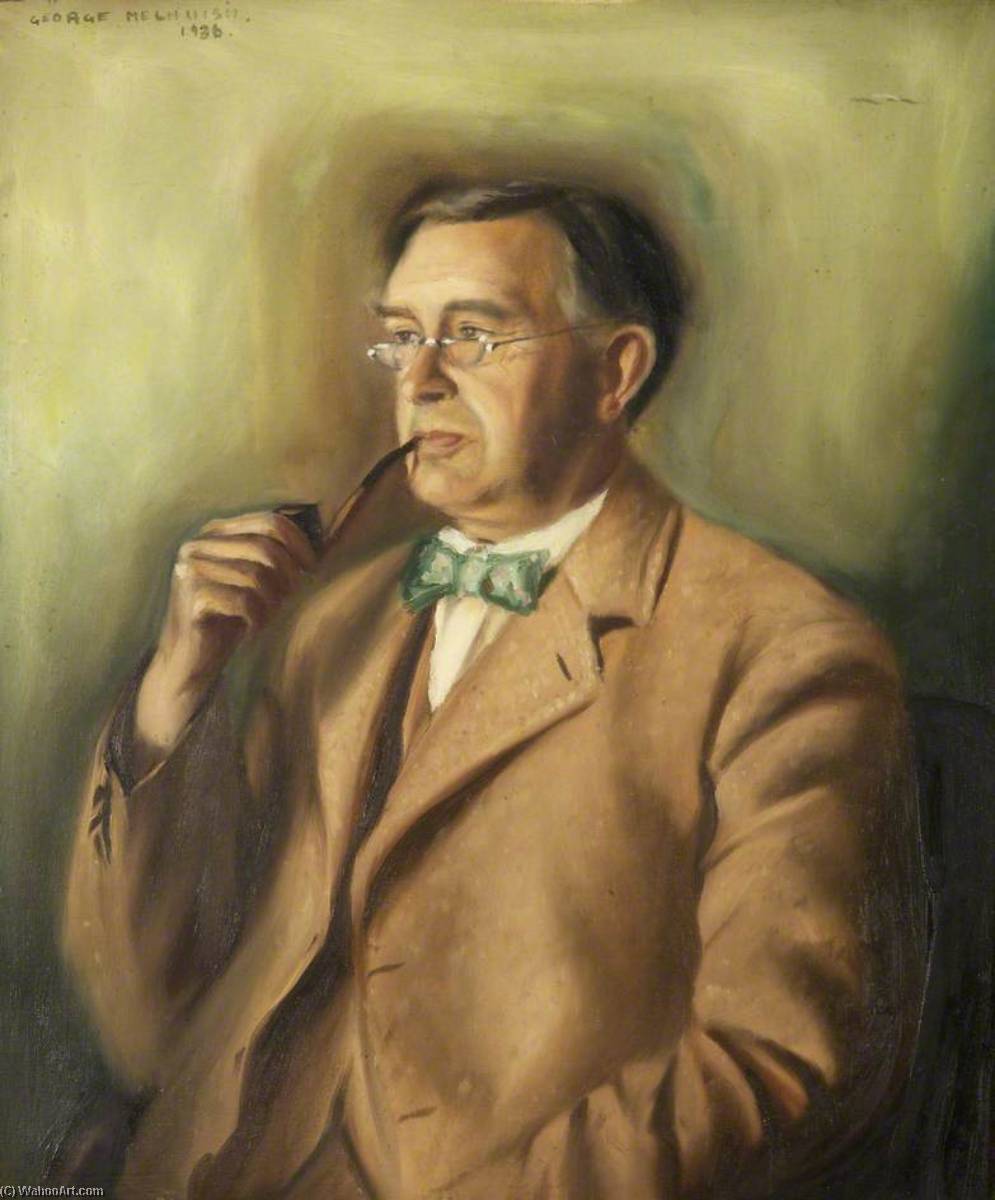
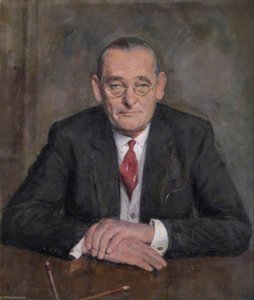
Frederick E. Rixon
 Contemporary Realism
 1936
1936 67.0 x 54.0 cm
 Universidad de Bristol
 Ver más
Adquiera una imagen digital de alta resolución y optimizada, muy superior a la vista previa en línea.
Cada archivo es preparado meticulosamente por nuestros especialistas internos mediante el uso de herramientas avanzadas y un experto retoque manual. Nos aseguramos de que cada imagen posea una claridad excepcional, una precisión cromática impecable y un detalle minucioso.
El archivo final se entrega por correo electrónico en un plazo de 72 horas, optimizado para su uso inmediato en entornos profesionales, editoriales y de impresión. Esta es la misma calidad en la que confían los estudios de diseño, las editoriales y las galerías de primer nivel.
Imagen Digital
Descarga un archivo de alta resolución para exhibición personal, impresión y proyectos creativos. ( Cambiar a Impresión Comprar pintura hecha a mano)
Incluido en cada pedido de imágenes digitales
Entrega digital experta, garantizada.
Al elegir ArtsDot.com, no solo está adquiriendo una imagen; está recibiendo una obra de arte digital mejorada profesionalmente, elaborada con precisión y respaldada por una garantía de satisfacción. Esto es todo lo que incluye su pedido, automáticamente:

Entrega rápida por email
Recibirá su archivo de imagen digital en alta resolución por correo electrónico en un plazo de 72 horas tras realizar su pedido, listo para su uso inmediato.

Archivo digital optimizado por IA
Su obra de arte se optimiza profesionalmente mediante herramientas avanzadas de IA y edición manual, garantizando el máximo detalle, claridad y precisión cromática.

Reenvío gratuito de por vida
¿Has borrado o perdido tu archivo por error? No te preocupes: te lo volveremos a enviar en cualquier momento, sin coste adicional.

Sin gastos de importación, siempre
Disfrute de su obra de arte al instante sin aduanas, aranceles ni gastos de envío; las descargas digitales siempre están libres de impuestos.

Garantía de fidelidad de color
Garantizamos que su imagen digital refleje los colores originales con la mayor fidelidad posible, mediante el uso de herramientas profesionales y gestión del color.

Garantía de satisfacción de 100 días
Si no está satisfecho con su imagen digital, la revisaremos o le reembolsaremos el 100% en un plazo de 100 días, sin preguntas.

100% Garantía de devolución de dinero
¿No está satisfecho? Obtenga un reembolso completo dentro de los 100 días posteriores a la recepción de su archivo digital, sin preguntas.

Descuentos por pedidos grandes
Compra 3 imágenes, ahorra 10% - Compra 5, ahorra 15% - Compra 10+, ahorra 20%. Ideal para proyectos creativos, galerías y agencias.
Obras relacionadas
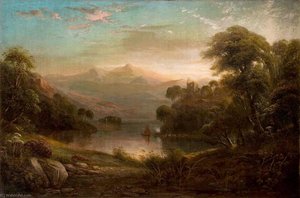
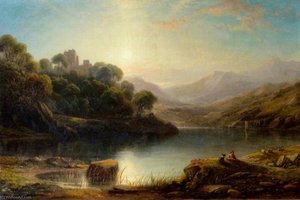
Biografía del artista
George Melhuish: A Life Painted in Paradox
George Melhuish (1916-1985) remains a figure of intriguing complexity within the British art world, often described as an artist and philosopher inextricably linked to the industrial heartland of Bristol. His life was marked by a deliberate self-imposed austerity – a rejection of conventional employment, marriage, and smoking – a framework that profoundly shaped his artistic vision and the narratives he sought to capture on canvas. Born in Bristol, a city undergoing rapid transformation during his formative years, Melhuish’s early life instilled within him a deep appreciation for both its industrial heritage and the poignant beauty of its decaying architecture. This duality would become a recurring theme throughout his prolific career, informing his distinctive style and subject matter.
Melhuish's artistic journey began in London, where he studied at the Slade School of Fine Art. However, disillusioned with the prevailing academic approach, he soon relocated to Paris, immersing himself in the vibrant avant-garde scene of the 1930s. This period exposed him to the ideas of Surrealism and Cubism, though he ultimately forged his own unique path, characterized by a meticulous realism combined with an underlying sense of melancholy and introspection. Returning to Bristol, he established a home – a sprawling neo-Gothic mansion filled with his own artwork and collected treasures – that became both studio and sanctuary, a place where the echoes of the past resonated alongside the realities of the present.
The Blitz and Beyond: Capturing Bristol’s Trauma
Melhuish's most enduring legacy lies in his powerful depictions of Bristol during the Second World War, particularly the devastating “Blitz” raids. Unlike many war artists who focused on heroic scenes of combat, Melhuish chose to document the everyday suffering of ordinary people – the shattered streets of Park Street, the blackened facades of Turbine Furnaces, and the faces etched with fear and resilience. His paintings are not celebratory; they are unflinchingly honest portrayals of destruction and loss, imbued with a profound sense of empathy for those who endured the ordeal.
His meticulous attention to detail – the crumbling brickwork, the flickering flames, the dust-covered furniture – created an almost photographic realism. Yet, these images were not merely representations of events; they were infused with a symbolic weight, reflecting Melhuish’s philosophical concerns about the nature of reality and the human condition. He sought to capture not just the physical damage inflicted by the bombs but also the psychological scars left behind. His work from this period is considered vital historical documentation, offering a poignant and deeply personal account of a pivotal moment in British history.
A Philosophical Palette: Influences and Style
Melhuish’s artistic style was shaped by a diverse range of influences, extending beyond the traditional movements he encountered during his early years. He drew inspiration from the works of Gustave Courbet, known for his unflinching realism; from the architectural details of Gothic cathedrals, which he meticulously rendered in his paintings; and from the writings of philosophers such as Schopenhauer and Nietzsche, whose ideas about paradox and the limitations of human understanding resonated deeply with his own worldview.
His technique involved layering thin glazes of oil paint to achieve a remarkable sense of depth and texture. He often worked on multiple canvases simultaneously, allowing his thoughts and emotions to flow freely between them. Melhuish’s paintings are characterized by their rich color palettes – dominated by earthy tones, muted blues, and the occasional burst of fiery red – and their meticulous attention to detail. He was a master of capturing light and shadow, creating images that were both visually arresting and emotionally evocative.
Legacy and Recognition
Despite his significant contribution to British art, Melhuish remained largely obscure during his lifetime. His unconventional lifestyle and fiercely independent spirit often clashed with the expectations of the art establishment. However, in recent decades, there has been a growing recognition of his artistic merit and historical significance. His wartime paintings are now exhibited in major museums across Britain, including the Imperial War Museum, and his work is increasingly studied by scholars and critics.
Melhuish’s legacy extends beyond his individual artworks; he represents a unique synthesis of art, philosophy, and personal experience. He was an artist who refused to be defined by conventional categories, a man who sought to capture the complexities of human existence through his paintings – a testament to the enduring power of artistic vision.
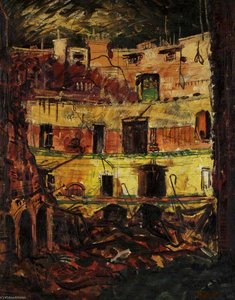
george melhuish
1916 - 1985
Breves datos
- Artistic Movement Or Style: War art, philosophical
- Artists Or Movements Influenced By This Artist:
- Romanticism
- Impressionism
- Artists Who Influenced This Artist:
- Turner
- Cypriot painters
- Date Of Birth: 1916
- Date Of Death: 1985
- Full Name: George Melhuish
- Nationality: British
- Notable Artworks:
- Park Street Blitz
- Turbine Furnaces
- Place Of Birth: Bristol, UK