 Ver en contexto
 Enviar
 Compartir
 Detalles

 Descargar
 Similares
 Radiografía
 Presentación de diapositivas
Douglas Moray Cooper Argyll Robertson


 Ver más
Reproducción al óleo hecha a mano
Óleo sobre lienzo pintado a mano en el tamaño y marco de su elección, realizado por encargo por nuestros artistas. ( Comprar impresión Comprar imagen)




P118B $10

P118H $10

P118W $10

P438Z $10

P508JH $12

P508YH $12

P805H $10

P805Z $10

P919BZ $10

P919G $10

P919XJ $10

P959ZH $10

P968JZ $12

W106C $8

W218G $10

W218JH $8

W218Y $10

W307PJ $10

W316G $10

W316PJ $8

W316Y $10

W398PJ $8

W4111J $10

W500HY $15

W500JH $15

W692G $12

W849H $8

W940BG $15

W953PJ $8




Elija entre nuestros tamaños predefinidos que respetan las proporciones originales de la obra.

Puede ingresar sus propias dimensiones para adaptarse a un marco o espacio específico. Si el tamaño seleccionado no coincide con las proporciones de la imagen original, recortaremos la obra o extenderemos la pintura con elementos adicionales pintados a mano. Se le enviará una maqueta digital para su aprobación antes de comenzar la producción.
Tenga en cuenta que la vista previa en pantalla no refleja el recorte o la extensión reales. Solo la maqueta mostrará con precisión la composición final.
Si bien existen tamaños personalizados, recomendamos seleccionar una dimensión de la lista predefinida para preservar las proporciones originales.
Tras realizar el pedido, el equipo de ArtsDot.com enviará un correo electrónico al cliente para solicitar instrucciones y proporcionarle una vista previa del boceto.
Envío a todo el mundo () en 3-4 semanas en lugar de las 5 semanas estándar. (24 agosto). Sin comprometer la calidad.

Envío exprés gratuito a todo el mundo

Lienzo de lino de alta calidad

Seguro de envío total

Garantía de reembolso de impuestos aduaneros

Garantía de fidelidad cromática exacta

Política de devolución de 60 días (solo por defectos)

Garantía de devolución del 100% del dinero

Descuento por cantidad
 La opción de vidrio solo está disponible en tamaños inferiores a 110 cm.

Douglas Moray Cooper Argyll Robertson
Técnica de reproducción
Dimensiones de la reproducción
-


Precio total final
$ 263
Descripción de la obra
A Portrait of Dignified Resolve: George Reid’s Douglas Moray Cooper Argyll Robertson
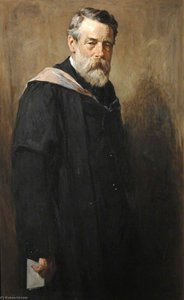
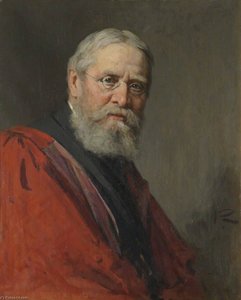
George Agnew Reid's 1900 portrait of Douglas Moray Cooper Argyll Robertson is more than simply a likeness; it’s a carefully constructed tableau of character, intellect, and the quiet authority of a man steeped in both medical knowledge and aristocratic lineage. Painted with a masterful blend of academic realism and subtle impressionistic brushwork, the canvas captures not just the outward appearance of the subject but also an underlying sense of profound contemplation. The painting immediately draws the eye to the sitter’s face – a landscape of weathered lines etched by time and experience, framed by a meticulously groomed mustache and beard that speak volumes about his social standing and scholarly pursuits. Reid's skill lies in rendering these details with remarkable precision, yet he avoids a cold, clinical portrayal, instead imbuing the subject with a palpable sense of humanity.
- The Academic Foundation: Reid’s training at the Pennsylvania Academy of the Fine Arts under Thomas Eakins is evident in the meticulous anatomical detail and the careful observation of light and shadow. This grounding in realism provides a solid framework for his artistic expression, allowing him to build layers of texture and depth with remarkable control.
- Impressionistic Touches: However, Reid doesn’t simply replicate reality; he subtly infuses the portrait with impressionistic techniques – loose brushstrokes, broken color, and an emphasis on capturing fleeting moments of light. This creates a sense of movement and atmosphere, preventing the painting from feeling static or overly formal.
A Man of Medicine and Heritage
Douglas Moray Cooper Argyll Robertson himself was a significant figure in the late 19th and early 20th centuries. A renowned ophthalmologist and surgeon, he made crucial contributions to the understanding and treatment of eye diseases, notably introducing physostigmine into ophthalmic practice – a pivotal moment in the history of vision care. His medical career was complemented by a deep appreciation for his Scottish heritage; as a descendant of a prominent family with roots in Argyll, he carried within him a strong connection to the land and its traditions. This dual identity—the dedicated physician and the proud heir—is subtly reflected in the portrait’s composition and mood.
The inclusion of details like his formal attire – a dark suit and waistcoat – speaks to his professional life, while the dignified posture and serious expression convey an air of intellectual rigor. The background is deliberately muted, allowing the subject's presence to dominate the scene and directing the viewer’s attention entirely onto his face. Further research reveals that Argyll Robertson was also a key figure in identifying the Argyll Robertson pupil, a distinctive symptom associated with neurosyphilis – a testament to his medical acumen and observational skills.
The Language of Light and Shadow
Reid’s masterful use of light is central to the painting's impact. The directional lighting, originating from the left, casts dramatic shadows across the subject’s face, emphasizing the contours of his features and creating a sense of depth and volume. These shadows aren’t merely decorative; they contribute significantly to the portrait’s emotional resonance, suggesting both wisdom and perhaps a hint of melancholy. The subtle variations in color within the clothing and facial details further enhance this effect, adding richness and complexity to the overall composition.
Notably, the impasto technique—the application of thick layers of paint—creates a tactile surface that invites close examination. The visible brushstrokes not only contribute to the painting’s textural quality but also reveal Reid's deliberate process – a testament to his commitment to craftsmanship and attention to detail. The dark tones are punctuated by flashes of red, particularly in the subject’s eyes, adding intensity and drawing the viewer into his gaze.
A Timeless Portrait of Character
Douglas Moray Cooper Argyll Robertson is more than just a portrait; it's a carefully considered study of character. Reid has captured not only the physical likeness of a distinguished man but also an essence—a quiet dignity, intellectual curiosity, and perhaps even a touch of melancholy. The painting’s enduring appeal lies in its ability to evoke a sense of connection with the subject, inviting viewers to contemplate his life, his achievements, and the complexities of human experience. Reproductions of this remarkable work offer a window into a bygone era, preserving the legacy of a man who made significant contributions to both medicine and art.
Obras relacionadas
Biografía del artista
Vida Temprana y Educación
- George Agnew Reid nació en Wingham, Canadá Oeste (ahora Ontario), el 18 de febrero de 1860.
- Recibió su formación artística inicial en la Central Ontario School of Art en Toronto en 1879, estudiando bajo la tutela de Robert Harris.
- Reid continuó su educación en la Pennsylvania Academy of the Fine Arts en Filadelfia desde 1882 hasta 1885, donde se convirtió en protegido de Thomas Eakins y conoció a su futura esposa, Mary Hiester Reid.
- Estudios adicionales lo llevaron a París, donde asistió a las Academias Julian y Colarossi, y también pasó tiempo en el Museo del Prado en Madrid (1888-1889).
Desarrollo Artístico y Estilo
- Inicialmente enfocado en el retrato, Reid hizo la transición a la pintura de género durante sus viajes europeos.
- The Foreclosure of the Mortgage (1893) es un ejemplo notable de su trabajo narrativo temprano que le valió reconocimiento.
- Combinó la precisión académica parisina con toques impresionistas en sus pinturas, particularmente aquellas que representan la vida de Ontario.
- El estilo de Reid a menudo se centró en escenas y narrativas emocionalmente resonantes, capturando las experiencias cotidianas de las comunidades rurales.
- Su obra demuestra una aguda observación de la luz y la atmósfera, contribuyendo al realismo y la profundidad emocional de sus composiciones.
Carrera y Logros Principales
- Reid fue elegido miembro de la Royal Canadian Academy of Arts en 1889, consolidando su posición dentro de la comunidad artística canadiense.
- Sirvió como Director de la Central Ontario School of Art and Design (más tarde OCAD University) desde 1912 hasta 1918, influyendo significativamente en la educación artística en Canadá.
- Obras notables incluyen pinturas de género como The Foreclosure of the Mortgage, así como murales y piezas encargadas para edificios públicos, incluido el tercer Ayuntamiento de Toronto.
- En 1922, se casó con la también artista Mary E. Wrinch, formando una colaboración artística.
- Las contribuciones de Reid se extendieron más allá de la pintura para incluir proyectos arquitectónicos influenciados por el movimiento Arts and Crafts.
Influencias e Importancia Histórica
- Thomas Eakins, su mentor en la Pennsylvania Academy, impactó profundamente el enfoque de Reid hacia el realismo y la precisión anatómica.
- Su tiempo en París lo expuso a las tendencias artísticas europeas, incluido el Impresionismo, que integró en su propio estilo.
- Reid desempeñó un papel crucial en el establecimiento de una identidad artística canadiense distintiva a través de sus representaciones del paisaje de Ontario y la vida rural.
- Como educador y administrador, fomentó el desarrollo de numerosos artistas canadienses y contribuyó al crecimiento de las instituciones artísticas.
- El legado de George Agnew Reid reside en su capacidad para combinar la formación académica con la sensibilidad emocional, creando obras que resuenan en los espectadores y reflejan las realidades sociales de su tiempo. Es recordado como una figura fundamental en el desarrollo del arte y la educación canadienses.
Vida Posterior y Legado
- Reid continuó pintando y exponiendo a lo largo de su vida, manteniendo una presencia activa en la escena artística canadiense.
- Permaneció comprometido con proyectos de arte público e iniciativas educativas hasta su muerte en 1947.
- Sus obras se encuentran en numerosas colecciones públicas y privadas en todo Canadá, incluida la Art Gallery of Ontario y la National Gallery of Canada.
- Hoy en día, George Agnew Reid es reconocido como una figura significativa en la historia del arte canadiense, celebrado por sus pinturas de género, murales y contribuciones a la educación artística.
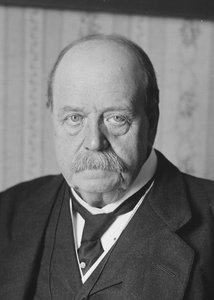
george reid
1860 - 1947 , Canadá
Datos clave
- Artistas Que Influyeron: ['Thomas Eakins']
- Fecha De Fallecimiento: 23 de agosto de 1947
- Fecha De Nacimiento: 18 de febrero de 1860
- Lugar De Nacimiento: Wingham, Canadá
- Movimiento Artístico: Pintura de género, Realismo
- Nacionalidad: Canadiense
- Nombre Completo: George Agnew Reid
- Obras Notables:
- The Foreclosure...
- Marsh Marigolds
Artículos relacionados

Georges Braque: Las 25 Obras Maestras del Cubismo y su Legado en el Arte Moderno
Descubre las 25 obras maestras de Georges Braque, pionero del cubismo. Explora su innovadora técnica, colores y el legado del arte moderno francés. Reproducciones de alta calidad en ArtsDot.com. ¡Encuentra tu inspiración!

George Agnew Reid: A Canadian Impressionist's Pursuit of Light, Colour, and National Identity
Explore the life & work of George Agnew Reid, a pivotal figure in Canadian Impressionism. Discover his genre paintings, mural commissions, and lasting influence on art education & national identity. A comprehensive guide for collectors & enthusiasts.

Georges Seurat: Las 25 Obras Maestras del Pionero Puntillista | ArtsDot
Descubre las 25 obras maestras de Georges Seurat, el innovador del puntillismo. Explora su técnica única, colores vibrantes y legado artístico en ArtsDot.com. Reproducciones de arte de museo para tu hogar.
Los 10 Maestros del Realismo Académico: Obras que Marcaron la Historia del Arte
Descubre los 10 lienzos más emblemáticos del Realismo Académico. Explora la historia, técnica y belleza de obras maestras de Bouguereau, Gérôme y Cabanel. Encuentra reproducciones de arte clásico en ArtsDot.com.
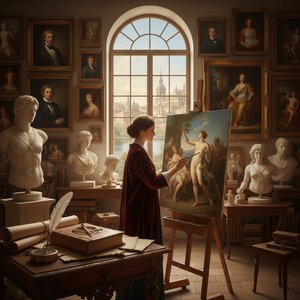
El Realismo Académico: Técnica, Historia e Influencia Duradera en el Arte
Descubre el Realismo Académico: su historia, técnicas innovadoras y los artistas clave como Courbet y Manet. Guía experta para coleccionistas y amantes del arte del siglo XIX.