 Ver en contexto
 Enviar
 Compartir
 Detalles

 Descargar
 Similares
 Radiografía
 Presentación de diapositivas
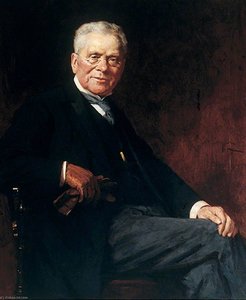
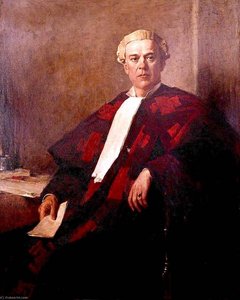
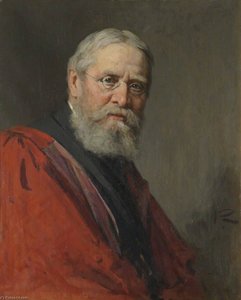
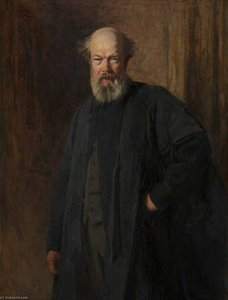
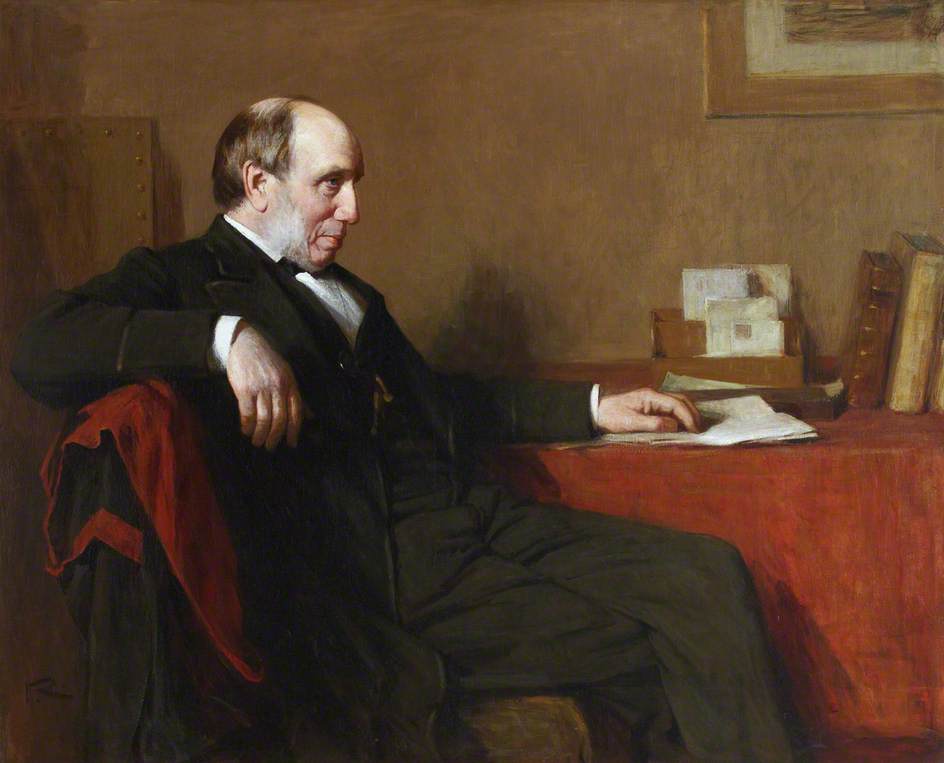
Professor John Struthers, FRCSEd (1845), PRCSEd (1895–1897)
 Acrylic On Canvas
- WallArt
- Contemporary Realism
 109.0 x 135.0 cm
 La Real Colegiatura de Cirujanos de Edimburgo
 Ver más
Reproducción al óleo hecha a mano
Óleo sobre lienzo pintado a mano en el tamaño y marco de su elección, realizado por encargo por nuestros artistas. ( Comprar impresión Comprar imagen)




P118B $10

P118H $10

P118W $10

P438Z $10

P508JH $12

P508YH $12

P805H $10

P805Z $10

P919BZ $10

P919G $10

P919XJ $10

P959ZH $10

P968JZ $12

W106C $8

W218G $10

W218JH $8

W218Y $10

W307PJ $10

W316G $10

W316PJ $8

W316Y $10

W398PJ $8

W4111J $10

W500HY $15

W500JH $15

W692G $12

W849H $8

W940BG $15

W953PJ $8




Elija entre nuestros tamaños predefinidos que respetan las proporciones originales de la obra.

Puede ingresar sus propias dimensiones para adaptarse a un marco o espacio específico. Si el tamaño seleccionado no coincide con las proporciones de la imagen original, recortaremos la obra o extenderemos la pintura con elementos adicionales pintados a mano. Se le enviará una maqueta digital para su aprobación antes de comenzar la producción.
Tenga en cuenta que la vista previa en pantalla no refleja el recorte o la extensión reales. Solo la maqueta mostrará con precisión la composición final.
Si bien existen tamaños personalizados, recomendamos seleccionar una dimensión de la lista predefinida para preservar las proporciones originales.
Tras realizar el pedido, el equipo de ArtsDot.com enviará un correo electrónico al cliente para solicitar instrucciones y proporcionarle una vista previa del boceto.
Envío a todo el mundo () en 3-4 semanas en lugar de las 5 semanas estándar. (23 agosto). Sin comprometer la calidad.

Envío exprés gratuito a todo el mundo

Lienzo de lino de alta calidad

Seguro de envío total

Garantía de reembolso de impuestos aduaneros

Garantía de fidelidad cromática exacta

Política de devolución de 60 días (solo por defectos)

Garantía de devolución del 100% del dinero

Descuento por cantidad
 La opción de vidrio solo está disponible en tamaños inferiores a 110 cm.

Professor John Struthers, FRCSEd (1845), PRCSEd (1895–1897)
Técnica de reproducción
Dimensiones de la reproducción
-


Precio total final
$ 263
Descripción de la obra
Professor John Struthers, FRCSEd (1845), PRCSEd (1895–1897): A Portrait of Intellectual Pursuit
George Reid’s “Professor John Struthers” stands as a testament to Victorian artistic sensibilities and the enduring fascination with capturing the essence of scholarly achievement. Executed in 1873, this oil on canvas painting offers more than just a likeness; it embodies an atmosphere of contemplation and intellectual curiosity—a reflection of its subject's profound influence on Scottish medical education.Subject Matter and Composition
The portrait depicts Professor John Struthers seated at a desk laden with books, meticulously arranged to convey his dedication to learning. Reid skillfully captures the man’s posture – slightly slumped but upright – conveying both seriousness and inner calm. A subtle inclusion of another figure in the background—likely a colleague—adds depth to the scene without distracting from Struthers' central presence. The artist’s careful attention to detail extends beyond mere representation; he strives to convey not just what Struthers looked like, but also his intellectual environment.Style and Technique
Reid’s style aligns closely with the prevailing Realist movement of the era, prioritizing accuracy in anatomical depiction and capturing subtle nuances of expression. He employs a muted palette dominated by browns and creams—characteristic of Victorian portraiture—creating an understated yet dignified aesthetic. Reid's brushstrokes are smooth and blended, demonstrating mastery of glazing techniques that lend luminosity to the canvas and imbue the painting with a palpable sense of warmth. The artist’s meticulous rendering of textures – particularly on Struthers’ clothing and desk surfaces – contributes significantly to the overall impression of realism.Historical Context
“Professor John Struthers” emerged during a period marked by significant advancements in scientific understanding, notably Darwin's theory of evolution. Reid’s depiction reflects this intellectual climate, portraying Struthers as an embodiment of rational thought and scholarly rigor—values highly esteemed within the Victorian academic community. The painting served as a celebration of intellectual accomplishment and exemplifies the Victorian ideal of the gentleman scholar.Symbolism and Emotional Impact
The surrounding books symbolize Struthers' lifelong pursuit of knowledge and represent the cornerstone of his profession. Their placement around him underscores the importance of learning and contemplation in shaping one’s worldview. Reid’s masterful portrayal captures not merely a physical likeness but also an intangible quality—the quiet confidence and intellectual serenity associated with someone deeply engaged in scholarly pursuits. The painting evokes feelings of respect for intellect, tradition, and the pursuit of truth – themes that resonate powerfully even today.Conclusion
“Professor John Struthers” remains a captivating artwork due to Reid’s exceptional skill in conveying both visual accuracy and psychological depth. It stands as an enduring symbol of Victorian intellectual culture and continues to inspire admiration for its subject's dedication to learning and its artistic beauty. Its understated elegance and thoughtful composition solidify its place within the canon of Scottish portraiture.Obras relacionadas
Biografía del artista
Vida Temprana y Educación
- George Agnew Reid nació en Wingham, Canadá Oeste (ahora Ontario), el 18 de febrero de 1860.
- Recibió su formación artística inicial en la Central Ontario School of Art en Toronto en 1879, estudiando bajo la tutela de Robert Harris.
- Reid continuó su educación en la Pennsylvania Academy of the Fine Arts en Filadelfia desde 1882 hasta 1885, donde se convirtió en protegido de Thomas Eakins y conoció a su futura esposa, Mary Hiester Reid.
- Estudios adicionales lo llevaron a París, donde asistió a las Academias Julian y Colarossi, y también pasó tiempo en el Museo del Prado en Madrid (1888-1889).
Desarrollo Artístico y Estilo
- Inicialmente enfocado en el retrato, Reid hizo la transición a la pintura de género durante sus viajes europeos.
- The Foreclosure of the Mortgage (1893) es un ejemplo notable de su trabajo narrativo temprano que le valió reconocimiento.
- Combinó la precisión académica parisina con toques impresionistas en sus pinturas, particularmente aquellas que representan la vida de Ontario.
- El estilo de Reid a menudo se centró en escenas y narrativas emocionalmente resonantes, capturando las experiencias cotidianas de las comunidades rurales.
- Su obra demuestra una aguda observación de la luz y la atmósfera, contribuyendo al realismo y la profundidad emocional de sus composiciones.
Carrera y Logros Principales
- Reid fue elegido miembro de la Royal Canadian Academy of Arts en 1889, consolidando su posición dentro de la comunidad artística canadiense.
- Sirvió como Director de la Central Ontario School of Art and Design (más tarde OCAD University) desde 1912 hasta 1918, influyendo significativamente en la educación artística en Canadá.
- Obras notables incluyen pinturas de género como The Foreclosure of the Mortgage, así como murales y piezas encargadas para edificios públicos, incluido el tercer Ayuntamiento de Toronto.
- En 1922, se casó con la también artista Mary E. Wrinch, formando una colaboración artística.
- Las contribuciones de Reid se extendieron más allá de la pintura para incluir proyectos arquitectónicos influenciados por el movimiento Arts and Crafts.
Influencias e Importancia Histórica
- Thomas Eakins, su mentor en la Pennsylvania Academy, impactó profundamente el enfoque de Reid hacia el realismo y la precisión anatómica.
- Su tiempo en París lo expuso a las tendencias artísticas europeas, incluido el Impresionismo, que integró en su propio estilo.
- Reid desempeñó un papel crucial en el establecimiento de una identidad artística canadiense distintiva a través de sus representaciones del paisaje de Ontario y la vida rural.
- Como educador y administrador, fomentó el desarrollo de numerosos artistas canadienses y contribuyó al crecimiento de las instituciones artísticas.
- El legado de George Agnew Reid reside en su capacidad para combinar la formación académica con la sensibilidad emocional, creando obras que resuenan en los espectadores y reflejan las realidades sociales de su tiempo. Es recordado como una figura fundamental en el desarrollo del arte y la educación canadienses.
Vida Posterior y Legado
- Reid continuó pintando y exponiendo a lo largo de su vida, manteniendo una presencia activa en la escena artística canadiense.
- Permaneció comprometido con proyectos de arte público e iniciativas educativas hasta su muerte en 1947.
- Sus obras se encuentran en numerosas colecciones públicas y privadas en todo Canadá, incluida la Art Gallery of Ontario y la National Gallery of Canada.
- Hoy en día, George Agnew Reid es reconocido como una figura significativa en la historia del arte canadiense, celebrado por sus pinturas de género, murales y contribuciones a la educación artística.
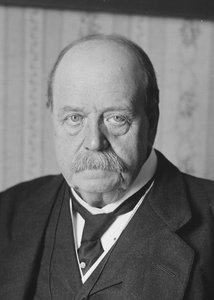
george reid
1860 - 1947 , Canadá
Datos clave
- Artistas Que Influyeron: ['Thomas Eakins']
- Fecha De Fallecimiento: 23 de agosto de 1947
- Fecha De Nacimiento: 18 de febrero de 1860
- Lugar De Nacimiento: Wingham, Canadá
- Movimiento Artístico: Pintura de género, Realismo
- Nacionalidad: Canadiense
- Nombre Completo: George Agnew Reid
- Obras Notables:
- The Foreclosure...
- Marsh Marigolds
Artículos relacionados

Georges Braque: Las 25 Obras Maestras del Cubismo y su Legado en el Arte Moderno
Descubre las 25 obras maestras de Georges Braque, pionero del cubismo. Explora su innovadora técnica, colores y el legado del arte moderno francés. Reproducciones de alta calidad en ArtsDot.com. ¡Encuentra tu inspiración!

Georges Seurat: Las 25 Obras Maestras del Pionero Puntillista | ArtsDot
Descubre las 25 obras maestras de Georges Seurat, el innovador del puntillismo. Explora su técnica única, colores vibrantes y legado artístico en ArtsDot.com. Reproducciones de arte de museo para tu hogar.
George Paul Chalmers: Rediscovering the Angus Rembrandt & Scottish Colourist Roots
Explore the captivating world of George Paul Chalmers (1833-1878), a pivotal Scottish painter. Discover his landscapes, portraits & connection to the Aesthetic Movement and Colourists. Learn about this 'Angus Rembrandt's' legacy with ArtsDot.

George Agnew Reid: A Canadian Impressionist's Pursuit of Light, Colour, and National Identity
Explore the life & work of George Agnew Reid, a pivotal figure in Canadian Impressionism. Discover his genre paintings, mural commissions, and lasting influence on art education & national identity. A comprehensive guide for collectors & enthusiasts.
Sir John Watson Gordon: A Study in Scottish Landscape Painting & Tonal Impressionism
Explore the captivating portraits of Sir John Watson Gordon, a leading Scottish master. Discover his evolution from neoclassical style to atmospheric Tonalism and influence on 19th-century British art. Learn about his iconic sitters & legacy.