 Ver en contexto
 Enviar
 Compartir
 Detalles

 Descargar
 Similares
 Radiografía
 Presentación de diapositivas
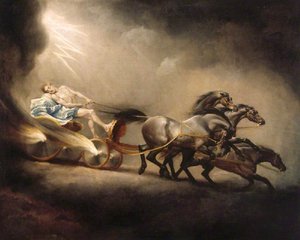
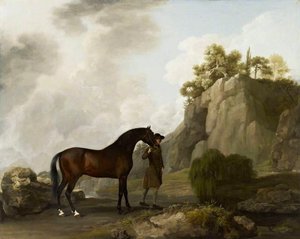
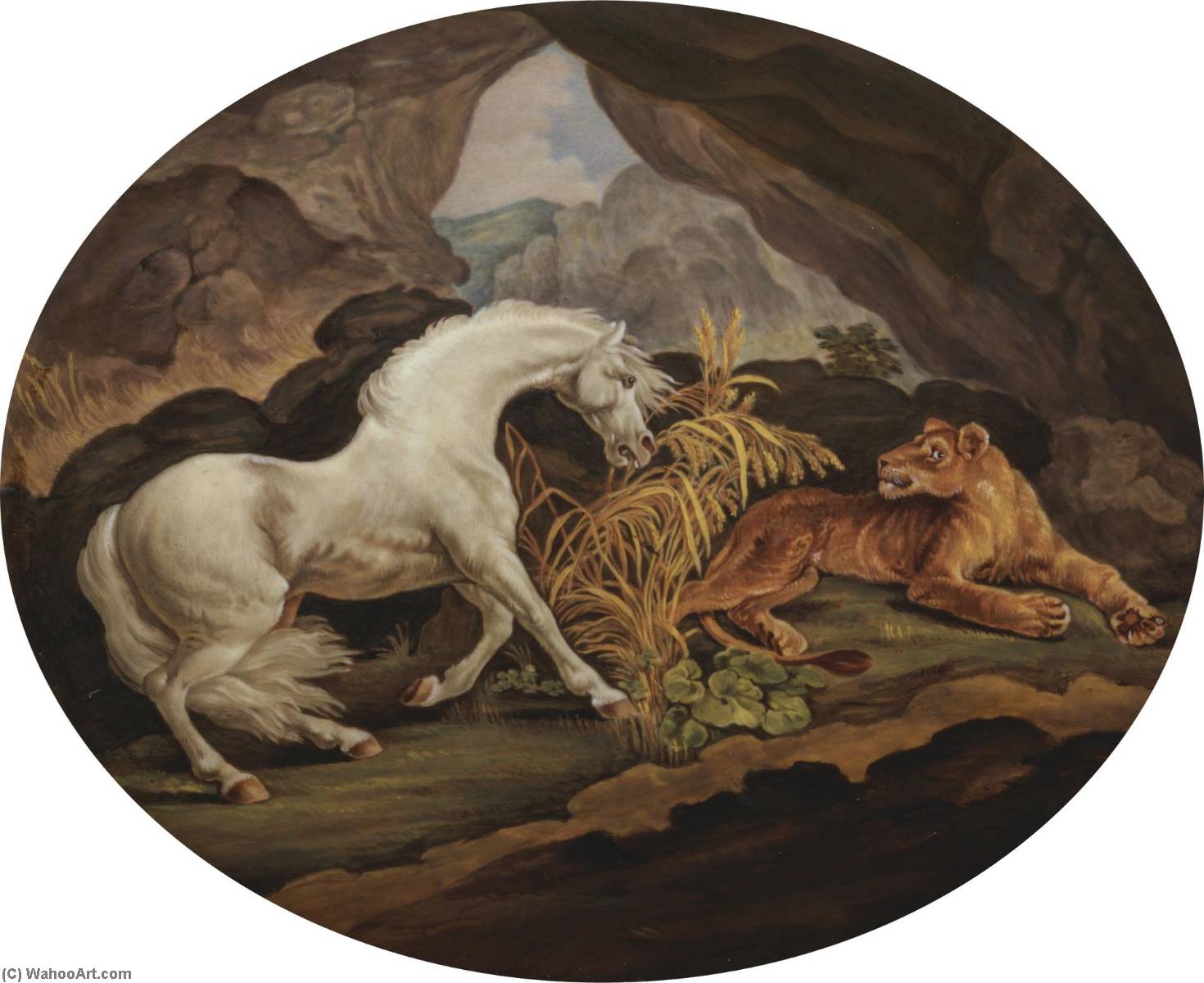
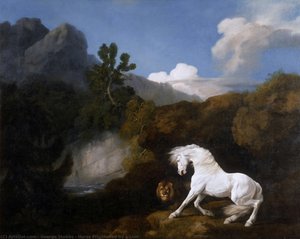
A Horse Frightened by a Lioness


 Ver más
Giclée / Impresión de arte
Impresiones giclée o en lienzo de calidad de museo con producción rápida y opciones de acabado flexibles. ( Comprar pintura hecha a mano Comprar imagen)




P118B $10

P118H $10

P118W $10

P438Z $10

P508JH $12

P508YH $12

P805H $10

P805Z $10

P919BZ $10

P919G $10

P919XJ $10

P959ZH $10

P968JZ $12

W106C $8

W218G $10

W218JH $8

W218Y $10

W307PJ $10

W316G $10

W316PJ $8

W316Y $10

W398PJ $8

W4111J $10

W500HY $15

W500JH $15

W692G $12

W849H $8

W940BG $15

W953PJ $8




Elija entre nuestros tamaños predefinidos que respetan las proporciones originales de la obra.

Puede introducir sus propias dimensiones para adaptarse a un marco o espacio específico. Si el tamaño seleccionado no coincide con las proporciones de la imagen original, recortaremos la obra de arte o extenderemos la imagen con un borde con efecto espejo o de color sólido. Se enviará una maqueta digital para su aprobación antes de que comience la producción.
Tenga en cuenta que la vista previa en pantalla no refleja el recorte o la extensión real. Solo la maqueta mostrará con precisión la composición final.
Aunque existen tamaños personalizados, recomendamos seleccionar una dimensión de la lista predefinida para preservar las proporciones originales.
Envío a todo el mundo () en 2 semanas en lugar de las 4/5 semanas estándar. (22 agosto)

Envío exprés gratuito a todo el mundo

Lienzo de lino de alta calidad

Seguro de envío total

Garantía de reembolso de impuestos aduaneros

Garantía de fidelidad cromática exacta

Política de devolución de 60 días (solo por defectos)

Garantía de devolución del 100% del dinero

Descuento por cantidad
 La opción de vidrio solo está disponible en tamaños inferiores a 110 cm.

A Horse Frightened by a Lioness
Giclée / Impresión de arte
Dimensiones de la reproducción
-


Precio total final
$ 62
Descripción de la pieza
George Stubbs’s “A Horse Frightened by a Lion”: A Study in Romantic Tension
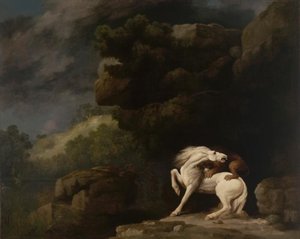
George Stubbs's "A Horse Frightened by a Lion," painted around 1770, isn’t merely a depiction of an animal encounter; it’s a carefully constructed tableau brimming with symbolic weight and embodying the nascent spirit of Romanticism. This arresting image, housed in the Walker Art Gallery in Liverpool, immediately commands attention through its dynamic composition – a white stallion, frozen mid-leap, radiating palpable terror against the looming silhouette of a lion poised to strike. Stubbs, a master of anatomical precision honed through years of dissecting horses and studying animal anatomy, elevates this scene beyond simple observation, transforming it into a profound meditation on fear, power, and the precarious balance between predator and prey.
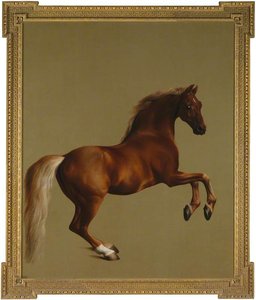
The painting’s genesis lies in a confluence of artistic currents. Stubbs, already recognized for his groundbreaking depictions of equine subjects – notably “Whistlejacket,” another iconic image exploring animal emotion – was deeply influenced by the philosophical ideas circulating at the time. Edmund Burke's "Philosophical Enquiry into the Origin of Our Ideas of the Sublime and Beautiful," published in 1756, provided a theoretical framework for understanding experiences that evoke awe and terror. Burke argued that these powerful emotions—the sublime—arise from confronting objects or situations perceived as threatening or overwhelming, triggering a heightened state of awareness. “A Horse Frightened by a Lion” perfectly embodies this concept; the horse’s frantic posture, its wide eyes reflecting an almost human-like terror, and the lion's predatory stillness create a scene ripe with dramatic tension.
The Anatomy of Emotion: Technique and Composition
Stubbs’s technical mastery is immediately evident in the incredibly detailed rendering of both animals. The stallion’s musculature is meticulously depicted, conveying the sheer force of its leap while simultaneously capturing the vulnerability of its posture. Notice how Stubbs uses light and shadow to sculpt the forms, emphasizing the horse's frantic movement and creating a sense of depth within the composition. The lion, rendered with a controlled restraint, possesses an inherent menace – its powerful build and focused gaze suggesting imminent action. The background, shrouded in shadow, further amplifies the drama, drawing the viewer’s eye directly to the central conflict.
Furthermore, Stubbs employed a technique of layering—a characteristic of his style—to achieve this effect. He began with a charcoal underdrawing, meticulously blocking in the composition and establishing the key elements before applying paint. This method allowed him to build up the image gradually, adding detail and refining the forms as he progressed. The use of impasto – thick application of paint – particularly noticeable on the horse’s mane and tail, adds texture and dynamism to the scene, further enhancing its emotional impact.
Symbolism and Context: Beyond the Animal Encounter
While superficially a study in animal behavior, “A Horse Frightened by a Lion” carries deeper symbolic resonance. The white horse, traditionally associated with royalty and nobility, represents the established order – the Hanoverian monarchy under George III. The lion, a potent symbol of England itself, embodies aggression and the threat to that order. The painting can be interpreted as an allegory for the political tensions of the era, suggesting a looming conflict between the crown and its adversaries. Interestingly, Stubbs’s own family background was rooted in Jacobite sympathies – supporters of the exiled Stuart dynasty – adding another layer of potential meaning to the work.
The painting's creation coincided with a shift in artistic sensibilities, moving away from the rigid formality of Neoclassicism towards the expressive individualism and emotional intensity characteristic of Romanticism. Stubbs’s willingness to depict animals not as idealized subjects but as beings capable of experiencing fear and vulnerability was revolutionary at the time, paving the way for future generations of animal artists.
A Legacy of Dramatic Animal Art
“A Horse Frightened by a Lion” remains a powerful testament to George Stubbs’s artistic genius. It's a painting that continues to resonate with viewers today, not just for its technical brilliance but also for its profound exploration of human emotion and the primal forces of nature. Reproductions capture only a fraction of the original’s impact, yet they offer an accessible way to appreciate this pivotal work in the history of art – a timeless depiction of fear, power, and the enduring allure of the animal world.
Obras relacionadas
Biografía del artista
Primeros años y formación
George Stubbs, un renombrado pintor inglés, nació el 25 de agosto de 1724 en Liverpool, Reino Unido. Su vida temprana estuvo marcada por una escasa documentación hasta la edad de 35 años, siendo la mayor parte de la información obtenida de los memorias de Ozias Humphry, basadas en conversaciones con Stubbs en 1794. Stubbs comenzó su trayectoria artística a los 15 años, trabajando inicialmente bajo la tutela de su padre, un curtidor o tratador de cuero. Posteriormente, se acercó a Hamlet Winstanley, un pintor y grabador de Lancashire, para realizar una breve pasantía. Este corto período le permitió estudiar la colección en Knowsley Hall.Desarrollo artístico y obras notables
La pasión de Stubbs por la anatomía lo llevó a trasladarse a York en 1744, donde estudió bajo el cirujano Charles Atkinson en el Hospital del Condado de York. Una de sus primeras obras sobrevivientes es un conjunto de ilustraciones para el libro de texto sobre obstetricia de John Burton, publicado en 1751. En 1756, Stubbs alquiló una granja en Lincolnshire y pasó 18 meses diseccionando caballos, asistido por su compañera común-ley, Mary Spencer. Esto condujo a la publicación de La anatomía del caballo en 1766, con dibujos originales ahora alojados en la Royal Academy. El trabajo de Stubbs pronto fue reconocido por destacados mecenas aristocráticos, incluyendo el tercer duque de Richmond, quien encargó tres grandes cuadros en 1759. Esto marcó el comienzo de su exitosa carrera, con obras producidas para varios duques y señores, culminando en la compra de una casa en Marylebone, Londres.Legado y pinturas destacadas
Su obra más famosa, Whistlejacket, una pintura de un caballo troton que se eleva sobre sus patas traseras, encargada por el segundo marqués de Rockingham, ahora se encuentra alojada en la National Gallery de Londres. Esta, junto con otras dos pinturas para Rockingham, rompe con la convención de presentar fondos anodinos.- Whistlejacket, un caballo de raza pura que se eleva sobre sus patas traseras, muestra las incomparables habilidades de Stubbs para capturar la esencia de los caballos.
Influencias y estilo
El profundo interés de Stubbs por la anatomía es evidente en su trabajo, que se caracteriza por una precisión científica sin precedentes en la representación de animales. Su estudio exhaustivo de la anatomía equina le permitió capturar con gran detalle la musculatura, los huesos y el movimiento del caballo. Aunque influenciado por artistas anteriores como James Seymour y John Wootton, Stubbs desarrolló un estilo único que se distingue por su realismo detallado, sus fondos a menudo minimalistas y su uso magistral de la luz y la sombra. Su obra también muestra una influencia del arte clásico, particularmente en su interés por la representación precisa de la forma humana y animal.Significado histórico
George Stubbs es considerado uno de los pintores más importantes de la historia británica. Sus obras no solo son ejemplos excepcionales de habilidad artística, sino que también ofrecen una valiosa visión de la cultura y la sociedad del siglo XVIII. Su enfoque científico en la representación de animales influyó en generaciones posteriores de artistas, y su legado continúa inspirando a artistas y amantes del arte en todo el mundo.- Explore la obra de Stubbs en https://ArtsDot.com/@/george_stubbs
- Descubra la colección de la National Gallery en Londres, que presenta las notables obras de Stubbs, en /es/art/show/art-8xyffg-es/
- Aprenda más sobre la vida y obra de Stubbs en Wikipedia en https://es.wikipedia.org/wiki/George_Stubbs
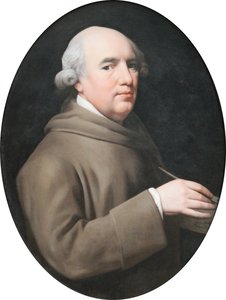
George Stubbs
1724 - 1806 , Reino Unido
Datos clave
- Artistas Que Influyeron: ['Hamlet Winstanley']
- Estilo Artístico: Romanticismo
- Fecha De Muerte: 10 de julio de 1806
- Fecha De Nacimiento: 25 de agosto de 1724
- Influenciado A Artistas:
- Charles Towne
- George Morland
- Thomas Phillips
- Lugar De Nacimiento: Liverpool, Reino Unido
- Nacionalidad: Británico
- Nombre Completo: George Stubbs
- Obras Notables:
- Whistlejacket
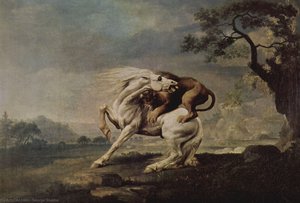
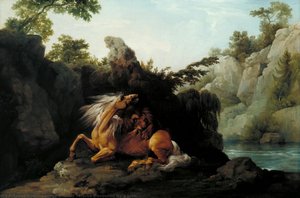
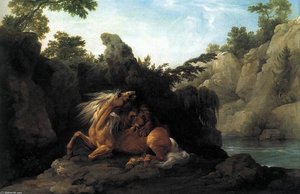
- León atacando a un caballo
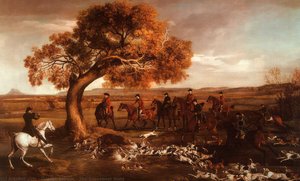
- The Grosvenor Hunt
Artículos relacionados

Georges Braque: Las 25 Obras Maestras del Cubismo y su Legado en el Arte Moderno
Descubre las 25 obras maestras de Georges Braque, pionero del cubismo. Explora su innovadora técnica, colores y el legado del arte moderno francés. Reproducciones de alta calidad en ArtsDot.com. ¡Encuentra tu inspiración!

Georges Seurat: Las 25 Obras Maestras del Pionero Puntillista | ArtsDot
Descubre las 25 obras maestras de Georges Seurat, el innovador del puntillismo. Explora su técnica única, colores vibrantes y legado artístico en ArtsDot.com. Reproducciones de arte de museo para tu hogar.
George Stubbs: Anatomical Precision & Romantic Vision in 18th-Century British Art
Explore the captivating world of George Stubbs, the 18th-century master renowned for his anatomical precision & Romantic animal paintings. Discover his legacy and investment potential.
Animalia: Explorando la Presencia Duradera de los Animales en el Arte y el Diseño de Interiores
Descubre la fascinante historia de los animales en el arte y cómo inspirar tu hogar con su simbolismo. Expertos en reproducciones y asesoramiento artístico.
The Noble Steed on Canvas: A Historical & Artistic Exploration of Horse Painting Across Cultures
Explore the rich history of horse painting! Discover masterpieces from Stubbs to Munnings & learn about symbolism, techniques & artists. Find museum-quality reproductions at ArtsDot.