 Ver en contexto
 Enviar
 Compartir
 Detalles

 Descargar
 Similares
 Radiografía
 Presentación de diapositivas
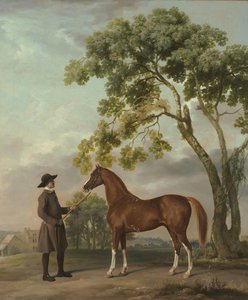
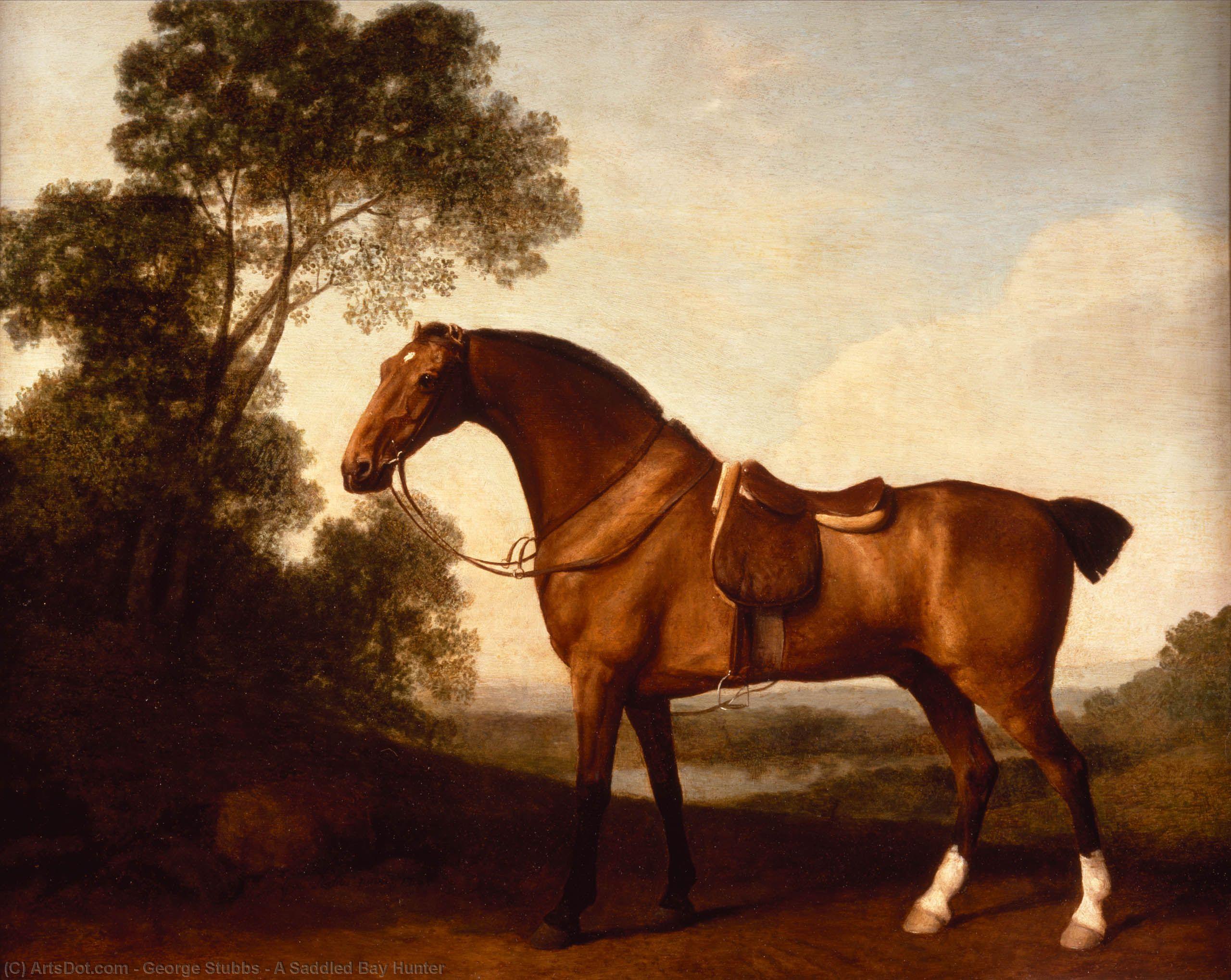
A Saddled Bay Hunter
 Oil
Oil- WallArt
- Realism
 1786
1786- Early Modern
 57.0 x 48.0 cm
 Ver más
Reproducción al óleo hecha a mano
Óleo sobre lienzo pintado a mano en el tamaño y marco de su elección, realizado por encargo por nuestros artistas. ( Comprar impresión Comprar imagen)




P118B $10

P118H $10

P118W $10

P438Z $10

P508JH $12

P508YH $12

P805H $10

P805Z $10

P919BZ $10

P919G $10

P919XJ $10

P959ZH $10

P968JZ $12

W106C $8

W218G $10

W218JH $8

W218Y $10

W307PJ $10

W316G $10

W316PJ $8

W316Y $10

W398PJ $8

W4111J $10

W500HY $15

W500JH $15

W692G $12

W849H $8

W940BG $15

W953PJ $8




Elija entre nuestros tamaños predefinidos que respetan las proporciones originales de la obra.

Puede ingresar sus propias dimensiones para adaptarse a un marco o espacio específico. Si el tamaño seleccionado no coincide con las proporciones de la imagen original, recortaremos la obra o extenderemos la pintura con elementos adicionales pintados a mano. Se le enviará una maqueta digital para su aprobación antes de comenzar la producción.
Tenga en cuenta que la vista previa en pantalla no refleja el recorte o la extensión reales. Solo la maqueta mostrará con precisión la composición final.
Si bien existen tamaños personalizados, recomendamos seleccionar una dimensión de la lista predefinida para preservar las proporciones originales.
Tras realizar el pedido, el equipo de ArtsDot.com enviará un correo electrónico al cliente para solicitar instrucciones y proporcionarle una vista previa del boceto.
Envío a todo el mundo () en 3-4 semanas en lugar de las 5 semanas estándar. (24 agosto). Sin comprometer la calidad.

Envío exprés gratuito a todo el mundo

Lienzo de lino de alta calidad

Seguro de envío total

Garantía de reembolso de impuestos aduaneros

Garantía de fidelidad cromática exacta

Política de devolución de 60 días (solo por defectos)

Garantía de devolución del 100% del dinero

Descuento por cantidad
 La opción de vidrio solo está disponible en tamaños inferiores a 110 cm.

A Saddled Bay Hunter
Técnica de reproducción
Dimensiones de la reproducción
-


Precio total final
$ 263
Descripción de la obra
The Majesty of the English Thoroughbred
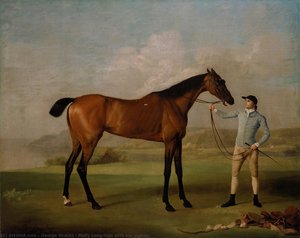
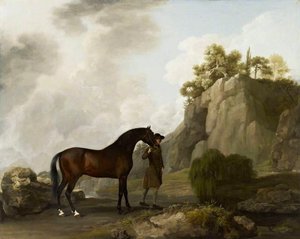
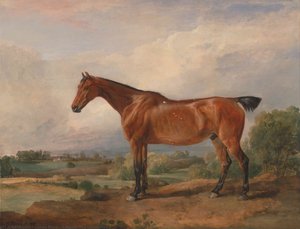
In the quiet elegance of George Stubbs’s 1786 masterpiece, A Saddled Bay Hunter, we are invited into a world where the bond between man and beast is rendered with unparalleled anatomical precision. This exquisite portrait captures more than just a horse; it captures an era of equestrian prestige. The central figure, a magnificent bay hunter, stands with a poised strength that commands the viewer's immediate attention. Every muscle, every curve of its powerful neck, and the subtle sheen of its chestnut coat are depicted with a level of detail that speaks to Stubbs’s legendary dedication to scientific accuracy. The presence of the saddle suggests a moment of readiness, a pause in a grander narrative of the hunt, evoking the spirited atmosphere of the 18th-century English countryside.
The composition is a masterclass in depth and storytelling, weaving together a complex tapestry of life within a pastoral setting. While the horse remains the undisputed protagonist, Stubbs subtly populates the landscape to create a sense of living history. A solitary tree provides a sturdy, organic anchor for the scene, while in the soft-focus distance, figures move through the terrain, hinting at the social rituals of the landed gallows. The inclusion of a watchful dog near the foreground and a bird soaring above adds a layer of naturalistic vitality, ensuring the painting feels like a breathing, rhythmic moment in time rather than a static portrait. Even the curious presence of a clock in the upper corner serves as a poignant memento mori, a gentle reminder of the fleeting nature of such magnificent moments.
A Legacy of Anatomical Brilliance
To understand the soul of this painting, one must look to the hands of its creator. George Stubbs was not merely a painter; he was an anatomist who famously spent months dissecting horses to understand the mechanics of life beneath the skin. This rigorous scientific approach is what elevates A Saddled Bay Hunter from a simple animal portrait to a profound study of biological grace. His technique utilizes a sophisticated interplay of light and shadow, where the soft, diffused light of an English afternoon illuminates the textures of leather, fur, and foliage with breathtaking realism. For the discerning collector or interior designer, this piece offers a sense of classical permanence and intellectual depth.
Integrating such a work into a contemporary space provides an instant infusion of heritage and warmth. The rich, earthy tones of the bay coat and the verdant greens of the landscape harmonize beautifully with both traditional mahogany studies and modern, minimalist interiors. It serves as a focal point that sparks conversation, inviting guests to linger on the fine details of the brushwork and the historical weight of the subject matter. Whether displayed in a grand library or a sophisticated dining room, this reproduction brings with it the timeless prestige of the British sporting tradition, making it an incomparable choice for those who seek to surround themselves with art that is as much about scientific truth as it is about aesthetic splendor.
Obras relacionadas
Biografía del artista
Primeros años y formación
George Stubbs, un renombrado pintor inglés, nació el 25 de agosto de 1724 en Liverpool, Reino Unido. Su vida temprana estuvo marcada por una escasa documentación hasta la edad de 35 años, siendo la mayor parte de la información obtenida de los memorias de Ozias Humphry, basadas en conversaciones con Stubbs en 1794. Stubbs comenzó su trayectoria artística a los 15 años, trabajando inicialmente bajo la tutela de su padre, un curtidor o tratador de cuero. Posteriormente, se acercó a Hamlet Winstanley, un pintor y grabador de Lancashire, para realizar una breve pasantía. Este corto período le permitió estudiar la colección en Knowsley Hall.Desarrollo artístico y obras notables
La pasión de Stubbs por la anatomía lo llevó a trasladarse a York en 1744, donde estudió bajo el cirujano Charles Atkinson en el Hospital del Condado de York. Una de sus primeras obras sobrevivientes es un conjunto de ilustraciones para el libro de texto sobre obstetricia de John Burton, publicado en 1751. En 1756, Stubbs alquiló una granja en Lincolnshire y pasó 18 meses diseccionando caballos, asistido por su compañera común-ley, Mary Spencer. Esto condujo a la publicación de La anatomía del caballo en 1766, con dibujos originales ahora alojados en la Royal Academy. El trabajo de Stubbs pronto fue reconocido por destacados mecenas aristocráticos, incluyendo el tercer duque de Richmond, quien encargó tres grandes cuadros en 1759. Esto marcó el comienzo de su exitosa carrera, con obras producidas para varios duques y señores, culminando en la compra de una casa en Marylebone, Londres.Legado y pinturas destacadas
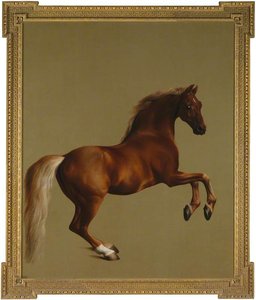
Su obra más famosa, Whistlejacket, una pintura de un caballo troton que se eleva sobre sus patas traseras, encargada por el segundo marqués de Rockingham, ahora se encuentra alojada en la National Gallery de Londres. Esta, junto con otras dos pinturas para Rockingham, rompe con la convención de presentar fondos anodinos.- Whistlejacket, un caballo de raza pura que se eleva sobre sus patas traseras, muestra las incomparables habilidades de Stubbs para capturar la esencia de los caballos.
Influencias y estilo
El profundo interés de Stubbs por la anatomía es evidente en su trabajo, que se caracteriza por una precisión científica sin precedentes en la representación de animales. Su estudio exhaustivo de la anatomía equina le permitió capturar con gran detalle la musculatura, los huesos y el movimiento del caballo. Aunque influenciado por artistas anteriores como James Seymour y John Wootton, Stubbs desarrolló un estilo único que se distingue por su realismo detallado, sus fondos a menudo minimalistas y su uso magistral de la luz y la sombra. Su obra también muestra una influencia del arte clásico, particularmente en su interés por la representación precisa de la forma humana y animal.Significado histórico
George Stubbs es considerado uno de los pintores más importantes de la historia británica. Sus obras no solo son ejemplos excepcionales de habilidad artística, sino que también ofrecen una valiosa visión de la cultura y la sociedad del siglo XVIII. Su enfoque científico en la representación de animales influyó en generaciones posteriores de artistas, y su legado continúa inspirando a artistas y amantes del arte en todo el mundo.- Explore la obra de Stubbs en https://ArtsDot.com/@/george_stubbs
- Descubra la colección de la National Gallery en Londres, que presenta las notables obras de Stubbs, en /es/art/show/art-8xyffg-es/
- Aprenda más sobre la vida y obra de Stubbs en Wikipedia en https://es.wikipedia.org/wiki/George_Stubbs
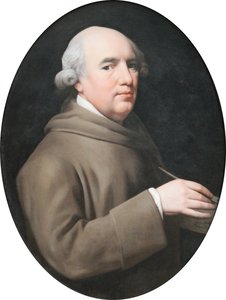
George Stubbs
1724 - 1806 , Reino Unido
Datos clave
- Artistas Que Influyeron: ['Hamlet Winstanley']
- Estilo Artístico: Romanticismo
- Fecha De Muerte: 10 de julio de 1806
- Fecha De Nacimiento: 25 de agosto de 1724
- Influenciado A Artistas:
- Charles Towne
- George Morland
- Thomas Phillips
- Lugar De Nacimiento: Liverpool, Reino Unido
- Nacionalidad: Británico
- Nombre Completo: George Stubbs
- Obras Notables:
- Whistlejacket
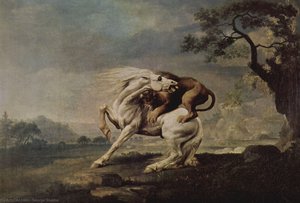
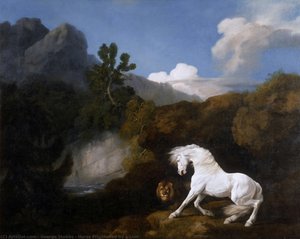
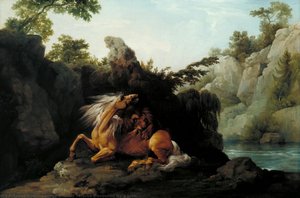
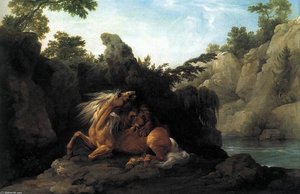
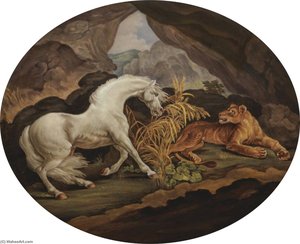
- León atacando a un caballo
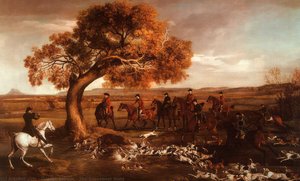
- The Grosvenor Hunt
Artículos relacionados

Georges Braque: Las 25 Obras Maestras del Cubismo y su Legado en el Arte Moderno
Descubre las 25 obras maestras de Georges Braque, pionero del cubismo. Explora su innovadora técnica, colores y el legado del arte moderno francés. Reproducciones de alta calidad en ArtsDot.com. ¡Encuentra tu inspiración!

Georges Seurat: Las 25 Obras Maestras del Pionero Puntillista | ArtsDot
Descubre las 25 obras maestras de Georges Seurat, el innovador del puntillismo. Explora su técnica única, colores vibrantes y legado artístico en ArtsDot.com. Reproducciones de arte de museo para tu hogar.
George Stubbs: Anatomical Precision & Romantic Vision in 18th-Century British Art
Explore the captivating world of George Stubbs, the 18th-century master renowned for his anatomical precision & Romantic animal paintings. Discover his legacy and investment potential.
The Equine Muse: A Historical & Artistic Exploration of Horses in Painting
Explore the captivating history of horses in painting! Discover Renaissance masterpieces, Baroque grandeur & expert insights for collecting equestrian art. Learn about symbolism, techniques & lasting value with ArtsDot.
The Noble Steed: A Historical and Artistic Exploration of Horses in Fine Art
Explore the rich history of horses in fine art! From ancient depictions to Renaissance masterpieces & beyond, discover iconic artworks and artists. Learn about symbolism, techniques, and find museum-quality reproductions at ArtsDot.