

 Ver en contexto
 Enviar
 Compartir
 Detalles

 Descargar
 Similares
 Radiografía
 Presentación de diapositivas
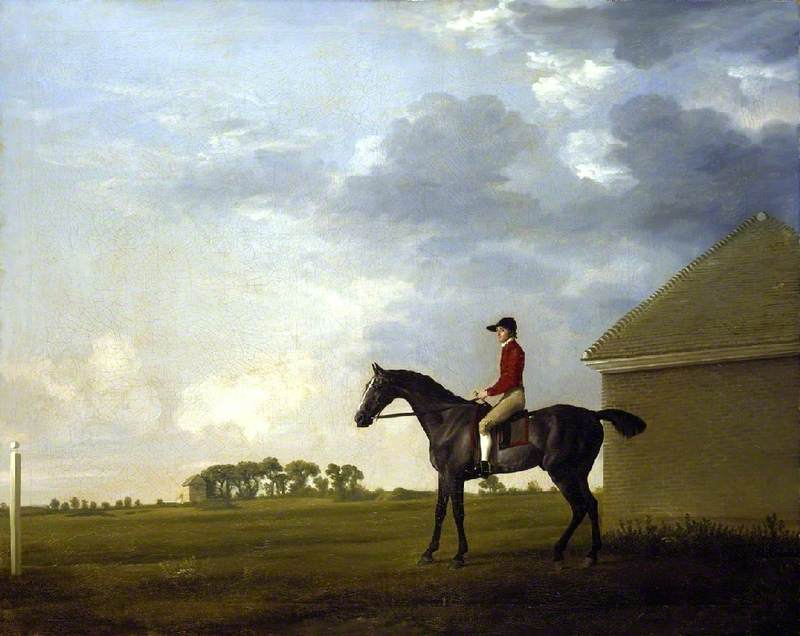
Gimcrack with John Pratt up on Newmarket Heath
 Oil On Canvas
- WallArt
- Romanticism
 1765
1765 100.0 x 124.0 cm
 Fitzwilliam College
 Ver más
Adquiera una imagen digital de alta resolución y optimizada, muy superior a la vista previa en línea.
Cada archivo es preparado meticulosamente por nuestros especialistas internos mediante el uso de herramientas avanzadas y un experto retoque manual. Nos aseguramos de que cada imagen posea una claridad excepcional, una precisión cromática impecable y un detalle minucioso.
El archivo final se entrega por correo electrónico en un plazo de 72 horas, optimizado para su uso inmediato en entornos profesionales, editoriales y de impresión. Esta es la misma calidad en la que confían los estudios de diseño, las editoriales y las galerías de primer nivel.
Imagen Digital
Descarga un archivo de alta resolución para exhibición personal, impresión y proyectos creativos. ( Comprar impresión Comprar pintura hecha a mano)
Incluido en cada pedido de imágenes digitales
Entrega digital experta, garantizada.
Al elegir ArtsDot.com, no solo está adquiriendo una imagen; está recibiendo una obra de arte digital mejorada profesionalmente, elaborada con precisión y respaldada por una garantía de satisfacción. Esto es todo lo que incluye su pedido, automáticamente:

Entrega rápida por email
Recibirá su archivo de imagen digital en alta resolución por correo electrónico en un plazo de 72 horas tras realizar su pedido, listo para su uso inmediato.

Archivo digital optimizado por IA
Su obra de arte se optimiza profesionalmente mediante herramientas avanzadas de IA y edición manual, garantizando el máximo detalle, claridad y precisión cromática.

Reenvío gratuito de por vida
¿Has borrado o perdido tu archivo por error? No te preocupes: te lo volveremos a enviar en cualquier momento, sin coste adicional.

Sin gastos de importación, siempre
Disfrute de su obra de arte al instante sin aduanas, aranceles ni gastos de envío; las descargas digitales siempre están libres de impuestos.

Garantía de fidelidad de color
Garantizamos que su imagen digital refleje los colores originales con la mayor fidelidad posible, mediante el uso de herramientas profesionales y gestión del color.

Garantía de satisfacción de 60 días
Si no está satisfecho con su imagen digital, la revisaremos o le reembolsaremos el 100% en un plazo de 60 días, sin preguntas.

100% Garantía de devolución de dinero
¿No está satisfecho? Obtenga un reembolso completo dentro de los 60 días posteriores a la recepción de su archivo digital, sin necesidad de explicaciones.

Descuentos por pedidos grandes
Compra 3 imágenes, ahorra 10% - Compra 5, ahorra 15% - Compra 10+, ahorra 20%. Ideal para proyectos creativos, galerías y agencias.
A Moment of Equestrian Grace: George Stubbs’s *Gimcrack with John Pratt up on Newmarket Heath*
George Stubbs's 1765 painting, *Gimcrack with John Pratt up on Newmarket Heath*, isn’t merely a depiction of a horse and rider; it’s a vibrant snapshot of a pivotal moment in British sporting history, imbued with the artist’s profound understanding of animal anatomy and a masterful command of light and atmosphere. The canvas breathes with the energy of the countryside, capturing not just the physical presence of the subjects but also the spirit of competition and the quiet connection between man and beast. It's a work that speaks volumes about the burgeoning culture of horse racing in 18th-century England, a world of aristocratic patronage, daring feats, and meticulously crafted sporting traditions.
Stubbs’s genius lies not just in his technical skill – though it is undeniably impressive – but in his ability to convey emotion through observation. The composition immediately draws the eye towards the central figures: John Pratt, seated confidently in the saddle of the magnificent grey horse, Gimcrack. Pratt's posture is remarkably poised; he’s neither overly assertive nor passively yielding, suggesting a partnership built on mutual respect and understanding. The subtle curve of his spine, the steady grip on the reins – these details speak to a lifetime spent mastering the art of horsemanship. The horse itself is rendered with astonishing realism, every muscle subtly defined, every movement hinted at in the slight tension of its body. Stubbs’s meticulous study of equine anatomy, honed through years of dissection and observation, shines through in this portrayal.
The Setting: Newmarket and the Rise of Thoroughbred Racing
To fully appreciate *Gimcrack*, one must understand the context of its creation – the vibrant world of Newmarket Heath. This sprawling expanse of land, located just outside Cambridge, had become the epicenter of British horse racing by the mid-18th century. The annual races drew crowds from across the country, fueling a lucrative industry and attracting the attention of wealthy patrons like the Duke of Grafton and General Conway, who commissioned works such as this one. Newmarket’s importance was rooted in its unique geography: the flat terrain provided an ideal surface for racing, while the surrounding countryside offered ample grazing land for horses. The painting captures not just a racehorse but also the essence of this thriving social and sporting scene.
The inclusion of the rubbing-down house – a structure used to dry horses after exercise – adds another layer of meaning to the composition. It’s a practical detail that subtly underscores the importance of care and attention to these magnificent animals, highlighting the dedication required to maintain their performance. The distant buildings and trees create a sense of depth and perspective, anchoring the scene firmly in its rural setting. The expansive sky, rendered with remarkable atmospheric effects, dominates the upper portion of the canvas, suggesting both the vastness of the landscape and the fleeting nature of time.
Symbolism and Artistic Technique
Stubbs’s use of color is particularly noteworthy. The dominant tones are earthy browns and greens, reflecting the natural surroundings, while the grey of Gimcrack's coat provides a striking contrast. The artist masterfully employs chiaroscuro – the dramatic interplay of light and shadow – to sculpt the forms of the horse and rider, creating a sense of three-dimensionality that draws the viewer into the scene. The brushstrokes are loose and expressive, conveying movement and energy without sacrificing detail. This technique is characteristic of Stubbs’s style, which combined meticulous observation with a distinctly Romantic sensibility.
The painting's composition also holds symbolic weight. The horse, traditionally associated with power, nobility, and speed, occupies the central space, asserting its dominance over the landscape. Yet, it’s not simply a symbol of brute force; it’s presented as a creature capable of partnership and grace, embodied in the confident posture of John Pratt. The painting, therefore, celebrates both the physical prowess of the horse and the human skill required to harness its potential.
A Legacy of Equestrian Art
*Gimcrack with John Pratt up on Newmarket Heath* remains a seminal work in the history of British art, showcasing Stubbs’s unparalleled ability to capture the essence of animal movement and emotion. It's a testament to his deep understanding of anatomy, his keen observational skills, and his artistic vision. Reproductions of this captivating painting continue to resonate with viewers today, offering a glimpse into a bygone era of sporting elegance and the enduring bond between humans and horses. It’s a piece that invites contemplation on themes of skill, partnership, and the timeless allure of the racetrack.
Obras relacionadas
Biografía del artista
Primeros años y formación
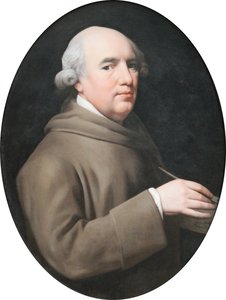
George Stubbs, un renombrado pintor inglés, nació el 25 de agosto de 1724 en Liverpool, Reino Unido. Su vida temprana estuvo marcada por una escasa documentación hasta la edad de 35 años, siendo la mayor parte de la información obtenida de los memorias de Ozias Humphry, basadas en conversaciones con Stubbs en 1794. Stubbs comenzó su trayectoria artística a los 15 años, trabajando inicialmente bajo la tutela de su padre, un curtidor o tratador de cuero. Posteriormente, se acercó a Hamlet Winstanley, un pintor y grabador de Lancashire, para realizar una breve pasantía. Este corto período le permitió estudiar la colección en Knowsley Hall.Desarrollo artístico y obras notables
La pasión de Stubbs por la anatomía lo llevó a trasladarse a York en 1744, donde estudió bajo el cirujano Charles Atkinson en el Hospital del Condado de York. Una de sus primeras obras sobrevivientes es un conjunto de ilustraciones para el libro de texto sobre obstetricia de John Burton, publicado en 1751. En 1756, Stubbs alquiló una granja en Lincolnshire y pasó 18 meses diseccionando caballos, asistido por su compañera común-ley, Mary Spencer. Esto condujo a la publicación de La anatomía del caballo en 1766, con dibujos originales ahora alojados en la Royal Academy. El trabajo de Stubbs pronto fue reconocido por destacados mecenas aristocráticos, incluyendo el tercer duque de Richmond, quien encargó tres grandes cuadros en 1759. Esto marcó el comienzo de su exitosa carrera, con obras producidas para varios duques y señores, culminando en la compra de una casa en Marylebone, Londres.Legado y pinturas destacadas
Su obra más famosa, Whistlejacket, una pintura de un caballo troton que se eleva sobre sus patas traseras, encargada por el segundo marqués de Rockingham, ahora se encuentra alojada en la National Gallery de Londres. Esta, junto con otras dos pinturas para Rockingham, rompe con la convención de presentar fondos anodinos.- Whistlejacket, un caballo de raza pura que se eleva sobre sus patas traseras, muestra las incomparables habilidades de Stubbs para capturar la esencia de los caballos.
Influencias y estilo
El profundo interés de Stubbs por la anatomía es evidente en su trabajo, que se caracteriza por una precisión científica sin precedentes en la representación de animales. Su estudio exhaustivo de la anatomía equina le permitió capturar con gran detalle la musculatura, los huesos y el movimiento del caballo. Aunque influenciado por artistas anteriores como James Seymour y John Wootton, Stubbs desarrolló un estilo único que se distingue por su realismo detallado, sus fondos a menudo minimalistas y su uso magistral de la luz y la sombra. Su obra también muestra una influencia del arte clásico, particularmente en su interés por la representación precisa de la forma humana y animal.Significado histórico
George Stubbs es considerado uno de los pintores más importantes de la historia británica. Sus obras no solo son ejemplos excepcionales de habilidad artística, sino que también ofrecen una valiosa visión de la cultura y la sociedad del siglo XVIII. Su enfoque científico en la representación de animales influyó en generaciones posteriores de artistas, y su legado continúa inspirando a artistas y amantes del arte en todo el mundo.- Explore la obra de Stubbs en https://ArtsDot.com/@/george_stubbs
- Descubra la colección de la National Gallery en Londres, que presenta las notables obras de Stubbs, en /es/art/show/art-8xyffg-es/
- Aprenda más sobre la vida y obra de Stubbs en Wikipedia en https://es.wikipedia.org/wiki/George_Stubbs
George Stubbs
1724 - 1806 , Reino Unido
Breves datos
- Artistas Que Influyeron: ['Hamlet Winstanley']
- Estilo Artístico: Romanticismo
- Fecha De Muerte: 10 de julio de 1806
- Fecha De Nacimiento: 25 de agosto de 1724
- Influenciado A Artistas:
- Charles Towne
- George Morland
- Thomas Phillips
- Lugar De Nacimiento: Liverpool, Reino Unido
- Nacionalidad: Británico
- Nombre Completo: George Stubbs
- Obras Notables:
- Whistlejacket
- León atacando a un caballo
- The Grosvenor Hunt

