 Ver en contexto
 Enviar
 Compartir
 Detalles

 Descargar
 Similares
 Radiografía
 Presentación de diapositivas
 Stats
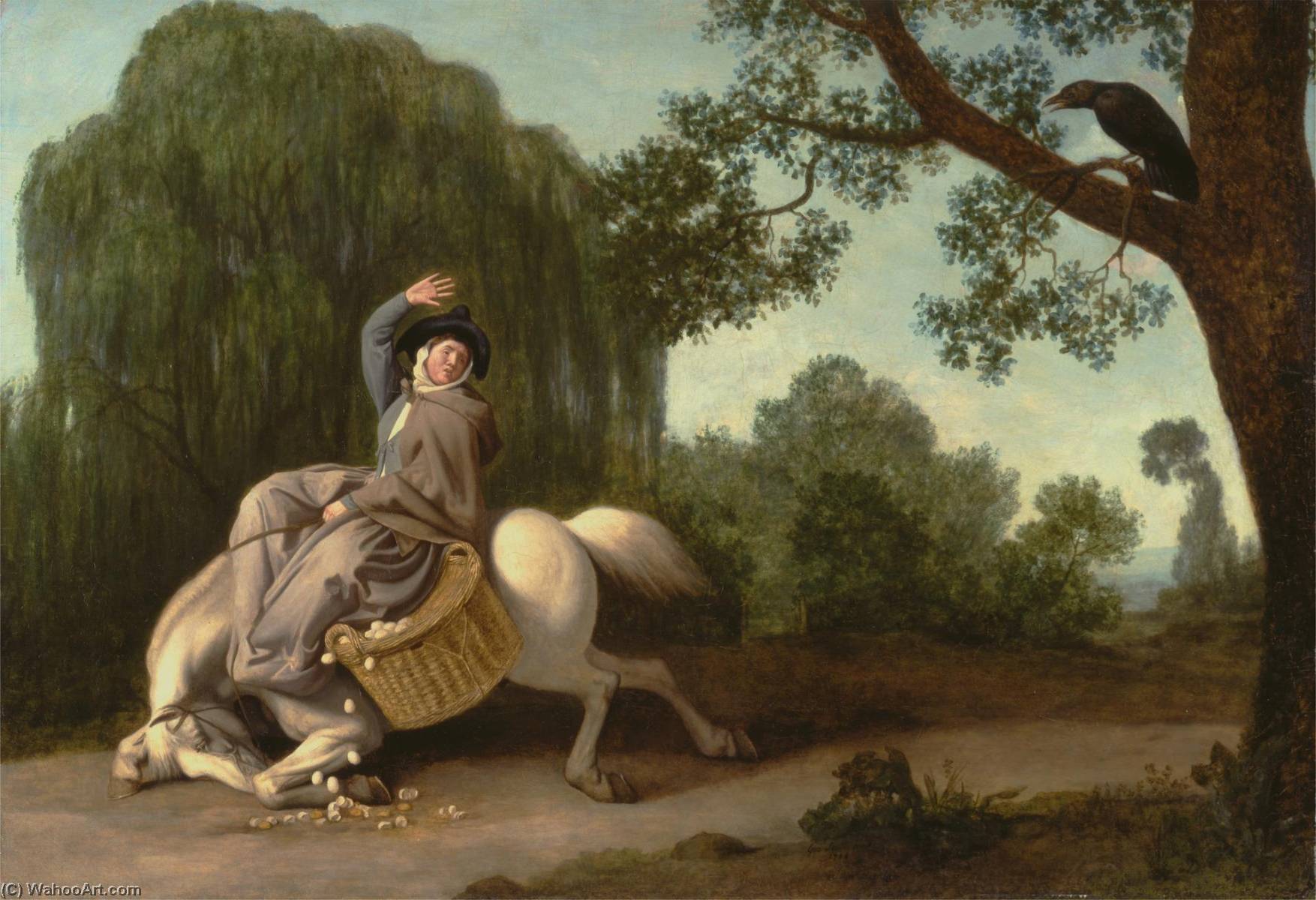
StatsThe Farmer's Wife and the Raven, from John Gay's 'Fables'


 Ver más
Reproducción al óleo hecha a mano
Óleo sobre lienzo pintado a mano en el tamaño y marco de su elección, realizado por encargo por nuestros artistas. ( Switch to Print Switch to Digital Image)




P118B $10

P118H $10

P118W $10

P438Z $10

P508JH $12

P508YH $12

P805H $10

P805Z $10

P919BZ $10

P919G $10

P919XJ $10

P959ZH $10

P968JZ $12

W106C $8

W218G $10

W218JH $8

W218Y $10

W307PJ $10

W316G $10

W316PJ $8

W316Y $10

W398PJ $8

W4111J $10

W500HY $15

W500JH $15

W692G $12

W849H $8

W940BG $15

W953PJ $8




Elija entre nuestros tamaños predefinidos que respetan las proporciones originales de la obra.

Puede ingresar sus propias dimensiones para adaptarse a un marco o espacio específico. Si el tamaño seleccionado no coincide con las proporciones de la imagen original, recortaremos la obra o extenderemos la pintura con elementos adicionales pintados a mano. Se le enviará una maqueta digital para su aprobación antes de comenzar la producción.
Tenga en cuenta que la vista previa en pantalla no refleja el recorte o la extensión reales. Solo la maqueta mostrará con precisión la composición final.
Si bien existen tamaños personalizados, recomendamos seleccionar una dimensión de la lista predefinida para preservar las proporciones originales.
Tras realizar el pedido, el equipo de ArtsDot.com enviará un correo electrónico al cliente para solicitar instrucciones y proporcionarle una vista previa del boceto.
Envío a todo el mundo () en 3-4 semanas en lugar de las 5 semanas estándar. (8 septiembre). Sin comprometer la calidad.

Envío exprés gratuito a todo el mundo

Lienzo de lino de alta calidad

Seguro de envío total

Garantía de reembolso de impuestos aduaneros

Garantía de fidelidad cromática exacta

Política de devolución de 100 días (solo por defectos)

Garantía de devolución del 100% del dinero

Descuento por cantidad
 La opción de vidrio solo está disponible en tamaños inferiores a 110 cm.

The Farmer's Wife and the Raven, from John Gay's 'Fables'
Técnica de reproducción
Dimensiones de la reproducción
-


Precio total final
$ 263
George Stubbs’s “The Farmer’s Wife and the Raven”: A Romantic Encounter with Mortality
George Stubbs (1724–1806), considered one of Britain's foremost painters, achieved renown primarily for his groundbreaking depictions of horses—particularly “Whistlejacket,” which revolutionized anatomical accuracy in animal art. However, beyond equine studies lay a remarkable talent for capturing human emotion and narrative within landscapes, as evidenced by “The Farmer’s Wife and the Raven,” completed in 1786. This painting resides within the Yale Center for British Art's Paul Mellon Collection, offering viewers an intimate glimpse into a pivotal moment of Romantic artistic expression.Subject Matter and Narrative
The artwork portrays a farmer’s wife embarking on her daily journey to market—a seemingly mundane activity elevated by Stubbs’s masterful storytelling. She is accompanied by her horse, which exhibits palpable anxiety as she mounts it, reflecting the vulnerability inherent in human experience against the backdrop of nature. Above them, perched upon a willow tree branch, sits a raven – a symbol laden with connotations of death and prophecy—its croak jolting the woman from her “silver dream,” representing subconscious anxieties about future prosperity. The basket she carries symbolizes domesticity and livelihood, juxtaposed against the ominous presence of the bird. Stubbs skillfully weaves together these elements to convey a profound meditation on mortality and the precariousness of human existence within the grand scheme of the natural world.Style and Technique: Romantic Anatomical Precision
Stubbs’s artistic style firmly establishes itself as a cornerstone of Romanticism, prioritizing emotional intensity and dramatic composition over strict academic conventions. Unlike earlier artists who favored idealized representations, Stubbs embraced anatomical realism—a technique honed through meticulous dissection—to portray animals with unparalleled accuracy. “The Farmer’s Wife and the Raven” exemplifies this approach, demonstrating Stubbs's dedication to capturing not merely appearance but also movement and psychological state. The painting utilizes beeswax and oil on millboard, a medium favored by Stubbs for its ability to convey texture and luminosity. Careful brushstrokes contribute to the overall impression of dynamism and immediacy, immersing the viewer in the scene’s atmosphere.Historical Context: John Gay's Fables and Romantic Ideals
“The Farmer’s Wife and the Raven” originates from John Gay’s “Fables,” a popular literary work that explored moral themes through anthropomorphic animals—a trend characteristic of the Enlightenment era. Stubbs’s decision to adapt this narrative into visual form reflects the broader Romantic preoccupation with emotion, imagination, and the sublime – experiences perceived as awe-inspiring and transformative. The painting aligns perfectly with Romantic ideals by portraying a human figure confronting existential anxieties amidst the beauty and power of nature—a deliberate contrast to the rationalism championed by preceding artistic movements.Symbolism: Raven’s Prophecy and Dream Imagery
The raven serves as a potent symbol within the artwork, representing death, omen, and impending doom. Its presence underscores the fragility of human life and challenges viewers to contemplate mortality alongside aspirations for success. The “silver dream”—the woman's subconscious preoccupation with her eggs—represents anxieties about future prosperity and symbolizes the vulnerability inherent in domestic life. Stubbs’s masterful use of visual cues reinforces these symbolic layers, elevating the painting beyond a simple depiction of rural life into a profound meditation on human psychology and spiritual contemplation.Emotional Impact: Capturing Transient Beauty
Ultimately, “The Farmer's Wife and the Raven” succeeds in evoking a powerful emotional response from the viewer. Stubbs’s evocative portrayal captures a fleeting moment—the woman’s apprehension as she mounts her horse—infused with palpable tension and vulnerability. The painting’s luminous palette and textured surface contribute to its immersive quality, transporting viewers into the scene's tranquil yet unsettling landscape. Like many Romantic masterpieces, it invites contemplation on themes of mortality, beauty, and the human condition—a testament to Stubbs’s enduring legacy as one of Britain’s most influential artists.Obras relacionadas
Biografía del artista
Primeros años y formación
George Stubbs, un renombrado pintor inglés, nació el 25 de agosto de 1724 en Liverpool, Reino Unido. Su vida temprana estuvo marcada por una escasa documentación hasta la edad de 35 años, siendo la mayor parte de la información obtenida de los memorias de Ozias Humphry, basadas en conversaciones con Stubbs en 1794. Stubbs comenzó su trayectoria artística a los 15 años, trabajando inicialmente bajo la tutela de su padre, un curtidor o tratador de cuero. Posteriormente, se acercó a Hamlet Winstanley, un pintor y grabador de Lancashire, para realizar una breve pasantía. Este corto período le permitió estudiar la colección en Knowsley Hall.Desarrollo artístico y obras notables
La pasión de Stubbs por la anatomía lo llevó a trasladarse a York en 1744, donde estudió bajo el cirujano Charles Atkinson en el Hospital del Condado de York. Una de sus primeras obras sobrevivientes es un conjunto de ilustraciones para el libro de texto sobre obstetricia de John Burton, publicado en 1751. En 1756, Stubbs alquiló una granja en Lincolnshire y pasó 18 meses diseccionando caballos, asistido por su compañera común-ley, Mary Spencer. Esto condujo a la publicación de La anatomía del caballo en 1766, con dibujos originales ahora alojados en la Royal Academy. El trabajo de Stubbs pronto fue reconocido por destacados mecenas aristocráticos, incluyendo el tercer duque de Richmond, quien encargó tres grandes cuadros en 1759. Esto marcó el comienzo de su exitosa carrera, con obras producidas para varios duques y señores, culminando en la compra de una casa en Marylebone, Londres.Legado y pinturas destacadas
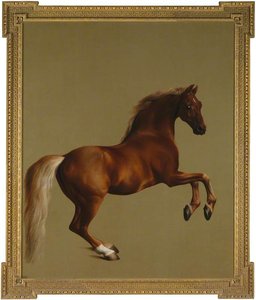
Su obra más famosa, Whistlejacket, una pintura de un caballo troton que se eleva sobre sus patas traseras, encargada por el segundo marqués de Rockingham, ahora se encuentra alojada en la National Gallery de Londres. Esta, junto con otras dos pinturas para Rockingham, rompe con la convención de presentar fondos anodinos.- Whistlejacket, un caballo de raza pura que se eleva sobre sus patas traseras, muestra las incomparables habilidades de Stubbs para capturar la esencia de los caballos.
Influencias y estilo
El profundo interés de Stubbs por la anatomía es evidente en su trabajo, que se caracteriza por una precisión científica sin precedentes en la representación de animales. Su estudio exhaustivo de la anatomía equina le permitió capturar con gran detalle la musculatura, los huesos y el movimiento del caballo. Aunque influenciado por artistas anteriores como James Seymour y John Wootton, Stubbs desarrolló un estilo único que se distingue por su realismo detallado, sus fondos a menudo minimalistas y su uso magistral de la luz y la sombra. Su obra también muestra una influencia del arte clásico, particularmente en su interés por la representación precisa de la forma humana y animal.Significado histórico
George Stubbs es considerado uno de los pintores más importantes de la historia británica. Sus obras no solo son ejemplos excepcionales de habilidad artística, sino que también ofrecen una valiosa visión de la cultura y la sociedad del siglo XVIII. Su enfoque científico en la representación de animales influyó en generaciones posteriores de artistas, y su legado continúa inspirando a artistas y amantes del arte en todo el mundo.- Explore la obra de Stubbs en https://ArtsDot.com/@/george_stubbs
- Descubra la colección de la National Gallery en Londres, que presenta las notables obras de Stubbs, en /es/art/show/art-8xyffg-es/
- Aprenda más sobre la vida y obra de Stubbs en Wikipedia en https://es.wikipedia.org/wiki/George_Stubbs
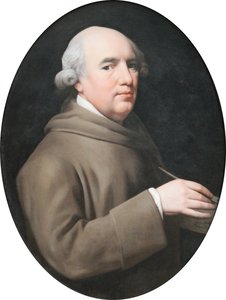
George Stubbs
1724 - 1806 , Reino Unido
Datos clave
- Artistas Que Influyeron: ['Hamlet Winstanley']
- Estilo Artístico: Romanticismo
- Fecha De Muerte: 10 de julio de 1806
- Fecha De Nacimiento: 25 de agosto de 1724
- Influenciado A Artistas:
- Charles Towne
- George Morland
- Thomas Phillips
- Lugar De Nacimiento: Liverpool, Reino Unido
- Nacionalidad: Británico
- Nombre Completo: George Stubbs
- Obras Notables:
- Whistlejacket
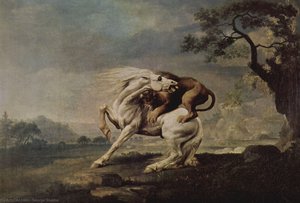
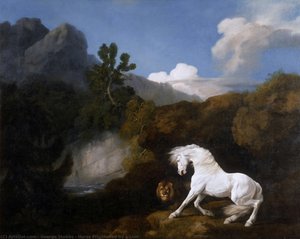
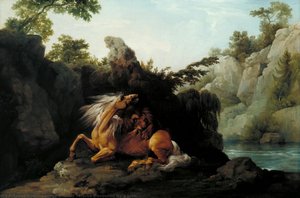
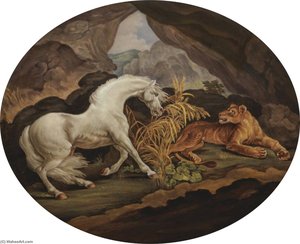
- León atacando a un caballo
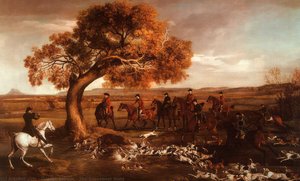
- The Grosvenor Hunt
Artículos relacionados
George Stubbs: Anatomical Precision & Romantic Vision in 18th-Century British Art
Explore the captivating world of George Stubbs, the 18th-century master renowned for his anatomical precision & Romantic animal paintings. Discover his legacy and investment potential.
Romanticismo: 10 Obras Maestras que Definieron una Era |
Descubre las 10 obras maestras del Romanticismo que marcaron una época. Explora la historia de Delacroix, Goya y más. Reproducciones de arte en para decorar tu hogar con belleza y emoción. ¡Explora la colección online!
The Evocative Brushstroke: Exploring Emotion, Individuality & the Sublime in Romanticism's Artistic Landscape
Explore the passionate world of Romanticism! Discover masterpieces by Friedrich & Goya, delve into the sublime, and understand the movement's lasting impact on art history. Expert analysis & insights at ArtsDot.

Georges Seurat: Las 25 Obras Maestras del Pionero Puntillista | ArtsDot
Descubre las 25 obras maestras de Georges Seurat, el innovador del puntillismo. Explora su técnica única, colores vibrantes y legado artístico en ArtsDot.com. Reproducciones de arte de museo para tu hogar.

Georges Braque: Las 25 Obras Maestras del Cubismo y su Legado en el Arte Moderno
Descubre las 25 obras maestras de Georges Braque, pionero del cubismo. Explora su innovadora técnica, colores y el legado del arte moderno francés. Reproducciones de alta calidad en ArtsDot.com. ¡Encuentra tu inspiración!