 Ver en contexto
 Enviar
 Compartir
 Detalles

 Descargar
 Similares
 Radiografía
 Presentación de diapositivas
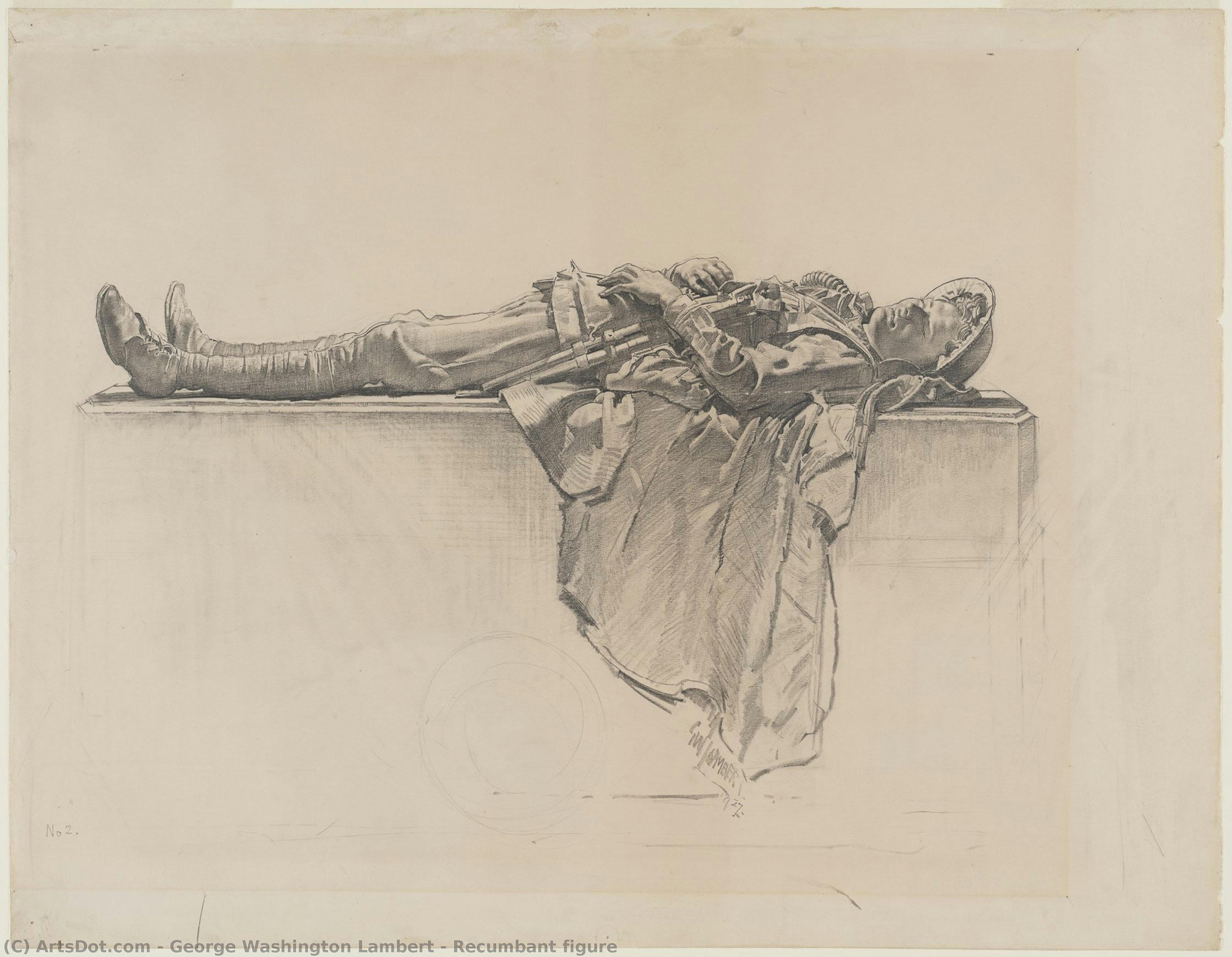
Recumbant figure
 Acrylic On Canvas
- WallArt
- Impressionist Landscape Painting
 1927
1927- 19th Century
 56.0 x 72.0 cm
 Galería de Arte de Nueva Gales del Sur
 Ver más
Reproducción al óleo hecha a mano
Óleo sobre lienzo pintado a mano en el tamaño y marco de su elección, realizado por encargo por nuestros artistas. ( Comprar impresión Comprar imagen)




P118B $10

P118H $10

P118W $10

P438Z $10

P508JH $12

P508YH $12

P805H $10

P805Z $10

P919BZ $10

P919G $10

P919XJ $10

P959ZH $10

P968JZ $12

W106C $8

W218G $10

W218JH $8

W218Y $10

W307PJ $10

W316G $10

W316PJ $8

W316Y $10

W398PJ $8

W4111J $10

W500HY $15

W500JH $15

W692G $12

W849H $8

W940BG $15

W953PJ $8




Elija entre nuestros tamaños predefinidos que respetan las proporciones originales de la obra.

Puede ingresar sus propias dimensiones para adaptarse a un marco o espacio específico. Si el tamaño seleccionado no coincide con las proporciones de la imagen original, recortaremos la obra o extenderemos la pintura con elementos adicionales pintados a mano. Se le enviará una maqueta digital para su aprobación antes de comenzar la producción.
Tenga en cuenta que la vista previa en pantalla no refleja el recorte o la extensión reales. Solo la maqueta mostrará con precisión la composición final.
Si bien existen tamaños personalizados, recomendamos seleccionar una dimensión de la lista predefinida para preservar las proporciones originales.
Tras realizar el pedido, el equipo de ArtsDot.com enviará un correo electrónico al cliente para solicitar instrucciones y proporcionarle una vista previa del boceto.
Envío a todo el mundo () en 3-4 semanas en lugar de las 5 semanas estándar. (28 agosto). Sin comprometer la calidad.

Envío exprés gratuito a todo el mundo

Lienzo de lino de alta calidad

Seguro de envío total

Garantía de reembolso de impuestos aduaneros

Garantía de fidelidad cromática exacta

Política de devolución de 60 días (solo por defectos)

Garantía de devolución del 100% del dinero

Descuento por cantidad
 La opción de vidrio solo está disponible en tamaños inferiores a 110 cm.

Recumbant figure
Técnica de reproducción
Dimensiones de la reproducción
-


Precio total final
$ 263
George Washington Thomas Lambert: Recumbent Figure of a Soldier
George Washington Thomas Lambert (1873-1930) occupies a revered position in Australian art history—a painter whose masterful depictions of the bush landscape and unflinching portraits solidified his place among the nation’s artistic luminaries. Born September 13, 1873, in St Petersburg, Russia, Lambert's life unfolded against the backdrop of evolving artistic trends and personal achievements, culminating in a distinguished career devoted to conveying the spirit of Australia through art.
Lambert’s artistic sensibilities were profoundly shaped by Impressionism, spearheaded by luminaries like Claude Monet and Pierre-Auguste Renoir. Embracing plein air painting techniques—a deliberate choice prioritizing direct observation of nature—he sought to capture the ephemeral beauty of the Australian bush with unparalleled sensitivity. Simultaneously, he absorbed influences from Symbolism, delving into psychological depth and communicating emotional resonance through imagery laden with evocative symbolism.
- Early Life & Artistic Beginnings: Lambert’s formative years were spent in Württemberg, Germany, where he received his education at Kingston College, Yeovil, Somerset. His family's decision to emigrate to Australia in 1887 instilled a lifelong appreciation for the rugged grandeur of the Australian wilderness and profoundly impacted his artistic vision.
- The Impressionist Influence: Lambert’s artistic trajectory commenced with exhibitions at the Art Society and the Society of Artists, Sydney, showcasing his burgeoning talent from 1894 onwards. He quickly gained recognition for his distinctive style—characterized by meticulous attention to detail and a masterful command of tonal harmony—establishing himself as a prominent artist in Melbourne and Sydney.
- World War I: A Pivotal Moment Lambert’s involvement as an official war artist during World War I proved transformative—both personally and professionally. Assigned to the Australian Light Horse Brigade in Palestine from 1917 until 1920, he produced a prolific body of work documenting the hardships endured by ANZAC soldiers, capturing not only their physical realities but also the profound psychological impact of combat.
- Recognition & Legacy: Lambert’s artistic legacy extends beyond his own creations, profoundly influencing subsequent generations of Australian painters. He was awarded the Archibald Prize in 1927 for “Mrs Murdoch,” cementing his reputation as Australia's foremost portrait artist—a testament to his unwavering dedication to capturing the essence of human character and emotion.
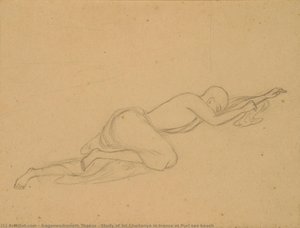
The artwork itself, "Recumbent Figure of a Soldier," exemplifies Lambert’s artistic prowess. Executed in 1927, it is rendered in monochrome—primarily black and white—a stylistic choice that underscores its solemn dignity and enhances the expressive power of its tonal palette. The drawing captures the posture of a soldier lying on his back with legs outstretched, conveying a sense of repose amidst duty. Lambert’s meticulous attention to detail—evident in the rendering of uniform fabric and equipment—reflects his commitment to realism while simultaneously channeling Symbolist principles to convey emotional depth.
Furthermore, “Recumbent Figure of a Soldier” holds significant historical context within Australia's commemoration of the Great War. Lambert’s commission from the Roman Catholic Sailors and Soldiers society aimed to honor fallen heroes—a poignant gesture reflecting the nation’s collective grief and determination. The sculpture embodies ideals of courage and sacrifice, portraying the soldier as serene and at peace in death—a powerful visual statement resonating with themes of spirituality and remembrance.
Displayed prominently at the Art Gallery of NSW since 1941, “Recumbent Figure of a Soldier” continues to inspire admiration for its artistic merit and historical significance. It stands as an enduring emblem of Australian artistry—a testament to Lambert’s unwavering vision and his indelible contribution to the nation's cultural heritage.
Obras relacionadas
Biografía del artista
George Washington Thomas Lambert (1873–1930): A Visionary Landscape Painter
George Washington Thomas Lambert, commonly known as GW Lambert, was born in St Petersburg, Russia, on September 13, 1873, the posthumous son of George Washington Lambert (1833 – July 25, 1873), a Baltimore-born American railway engineer. His mother, Annie Matilda Firth, emigrated from England to Württemberg, Germany, where she resided with Lambert’s maternal grandfather. Lambert received his education at Kingston College, Yeovil, Somerset, before embarking on a journey that would solidify his place in Australian art history.
- Early Life and Family: Lambert's upbringing instilled in him a deep appreciation for observation and detail—qualities that would become hallmarks of his artistic style. His father’s untimely death profoundly impacted his formative years, shaping his perspective on life and fostering an independent spirit.
- Education and Artistic Beginnings: Studying at Kingston College provided Lambert with foundational knowledge in art history and technique. He quickly recognized Julian Ashton's School as a crucial step toward honing his skills and developing his artistic vision.
- Move to Australia: In 1887, Lambert arrived in Sydney aboard the *Bengal*, marking the commencement of his Australian adventure. This relocation exposed him to the vibrant landscapes and burgeoning artistic community of New South Wales, influencing his subsequent work.
Career as Landscape Painter
Lambert’s artistic career unfolded with remarkable speed and success. He began exhibiting his paintings at the Art Society and the Society of Artists in Sydney from 1894, establishing himself as a prominent figure within the Australian art scene. His early works demonstrated an acute sensitivity to color and light—characteristics that would define his distinctive aesthetic.
- Early Exhibitions: Lambert’s debut exhibitions showcased his talent for capturing the beauty of the Australian bush, earning him recognition from critics and fellow artists alike.
- The Wynne Prize: In 1899, Lambert secured the prestigious Wynne Prize for landscape painting with ‘Across the Black Soil Plains,’ a masterpiece that cemented his reputation as one of Australia’s foremost painters.
- Influence of Julian Ashton: Lambert's association with Julian Ashton fostered a collaborative spirit and propelled him toward mastering new techniques—particularly plein air painting, which would become central to his artistic practice.
War Artist and Artistic Expression
Lambert’s involvement as a war artist during World War I profoundly impacted his creative output. Assigned to the Australian Imperial Force in 1917, he documented the grueling realities of combat with unflinching honesty and artistic skill—producing evocative sketches and paintings that captured the spirit of the ANZAC experience.
- Gallipoli Sketches: Lambert’s depictions of Gallipoli demonstrated his ability to convey emotion through visual imagery, transforming historical events into powerful artistic statements.
- Palestinian Landscapes: His explorations of Palestine revealed a fascination with capturing the grandeur and serenity of biblical landscapes—a stylistic choice that reflected his humanist sensibilities.
- The Legacy of Remembrance: Lambert’s war art serves as a poignant reminder of the human cost of conflict and underscores the transformative power of artistic expression in confronting difficult truths.
Later Years and Artistic Recognition
Lambert continued to refine his artistic vision throughout his life, experimenting with new mediums and exploring diverse subjects—from portraits to landscapes to still lifes. He established himself as a respected teacher at London School of Art, nurturing the talents of aspiring artists and disseminating knowledge about art history.
- Teaching Career: Lambert’s dedication to artistic education instilled in his students a lifelong appreciation for beauty and craftsmanship—leaving an enduring mark on the future generation of Australian painters.
- Royal Academy Membership: In 1922, Lambert was elected an associate of the Royal Academy—a testament to his artistic achievements and recognition by the international art community.
- Continued Artistic Exploration: Lambert remained active in the art world until his death in Cobbity, New South Wales, on May 29, 1930, leaving behind a rich legacy of paintings that continue to inspire admiration and scholarly study.
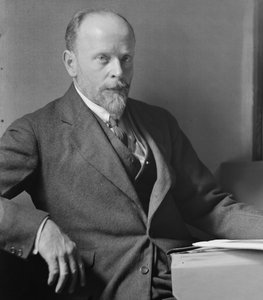
George Washington Thomas Lambert
1873 - 1930 , Rusia
Datos clave
- Artistic Movement Or Style: Realismo
- Artists Or Movements Influenced By This Artist: ['Royal Academy']
- Artists Who Influenced This Artist: ['Julian Ashton']
- Date Of Birth: 13 septiembre 1873
- Full Name: George Washington Thomas Lambert
- Nationality: Australiano
- Notable Artworks:
- Across the Black Soil Plains
- Anzac, the Landing 1915
- The Sonnet
- Place Of Birth: San Petersburgo, Rusia
Artículos relacionados

Las 10 Pinturas Más Famosas Dominadas por el Negro | Arte y Decoración
Descubre las 10 pinturas más impactantes dominadas por el negro. Explora obras maestras de Rembrandt, Goya y Rothko, su historia y significado. Encuentra reproducciones de arte exclusivas para transformar tu hogar en .

Paisajes Románticos: 10 Obras Maestras que Definieron un Movimiento Artístico
Descubre los 10 paisajes románticos más influyentes de artistas como Caspar David Friedrich y Turner. Explora la belleza, el simbolismo y las técnicas del movimiento romántico. Reproducciones de arte exclusivas en ArtsDot.com.

John Constable: Las 25 Obras Maestras del Paisaje Inglés | ArtsDot
Descubre las 25 obras maestras de John Constable, el pintor romántico inglés que capturó la belleza del paisaje. Explora su técnica, historia y significado en ArtsDot.com. Reproducciones de arte de alta calidad para tu hogar.

Evocations of Place: A Historical Journey Through Landscape Art
Explore the rich history of landscape art with ArtsDot. Discover renowned artists, movements like Impressionism & Romanticism, and expert guidance for collecting timeless pieces. Find your perfect serene escape today!
Evocations of Place: A Historical Journey Through Landscape Art
Explore the rich history of landscape art with ArtsDot. Discover renowned artists, movements like Impressionism & tonalism, and expert guidance for collecting timeless pieces. Find your perfect serene escape today!