 Vista previa
 Compartir
 Compartir
 Ver detalles

 Descargar
 Ver similares
 Radiografía
 Presentación de diapositivas
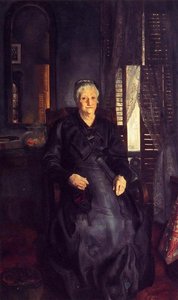
Katherine Rosen


 Leer más
Reproducción al óleo hecha a mano
Óleo sobre lienzo pintado a mano en el tamaño y marco de su elección, realizado por encargo por nuestros artistas. ( Pedir impresión Comprar descarga)




P118B $10

P118H $10

P118W $10

P438Z $10

P508JH $12

P508YH $12

P805H $10

P805Z $10

P919BZ $10

P919G $10

P919XJ $10

P959ZH $10

P968JZ $12

W106C $8

W218G $10

W218JH $8

W218Y $10

W307PJ $10

W316G $10

W316PJ $8

W316Y $10

W398PJ $8

W4111J $10

W500HY $15

W500JH $15

W692G $12

W849H $8

W940BG $15

W953PJ $8




Elija entre nuestros tamaños predefinidos que respetan las proporciones originales de la obra.

Puede ingresar sus propias dimensiones para adaptarse a un marco o espacio específico. Si el tamaño seleccionado no coincide con las proporciones de la imagen original, recortaremos la obra o extenderemos la pintura con elementos adicionales pintados a mano. Se le enviará una maqueta digital para su aprobación antes de comenzar la producción.
Tenga en cuenta que la vista previa en pantalla no refleja el recorte o la extensión reales. Solo la maqueta mostrará con precisión la composición final.
Si bien existen tamaños personalizados, recomendamos seleccionar una dimensión de la lista predefinida para preservar las proporciones originales.
Tras realizar el pedido, el equipo de ArtsDot.com enviará un correo electrónico al cliente para solicitar instrucciones y proporcionarle una vista previa del boceto.
Envío a todo el mundo () en 3-4 semanas en lugar de las 5 semanas estándar. (19 agosto). Sin comprometer la calidad.

Envío exprés gratuito a todo el mundo

Lienzo de lino de alta calidad

Seguro de envío completo

Garantía de reembolso de aranceles aduaneros

Garantía de fidelidad cromática exacta

Política de devolución de 60 días (solo por defectos)

Garantía de devolución del 100% del dinero

Oferta por volumen
 La opción de vidrio solo está disponible en tamaños inferiores a 110 cm.

Katherine Rosen
Técnica de reproducción
Tamaño de la reproducción
-


Precio total
$ 263
Descripción de la obra
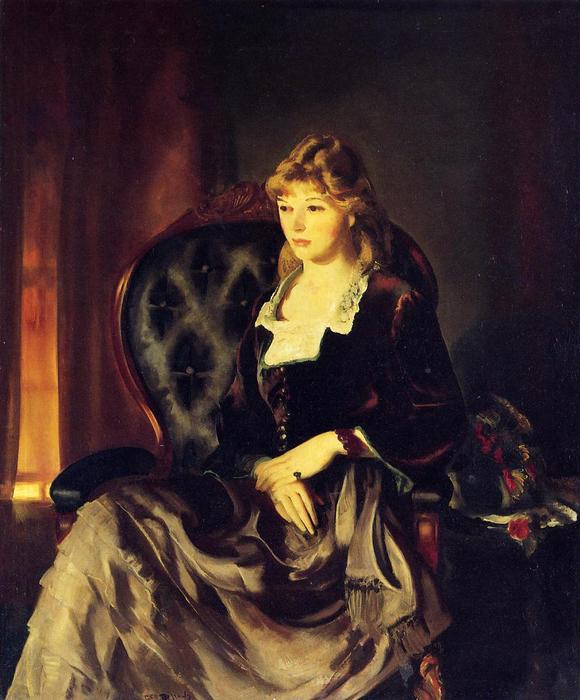
A Moment Frozen in Time: George Bellows’ “Katherine Rosen”
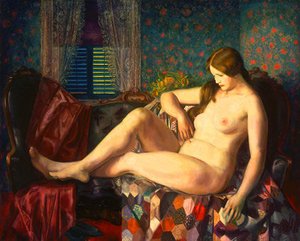
George Wesley Bellows' 1921 painting, "Katherine Rosen," residing within the hallowed halls of the Yale University Art Gallery, isn’t merely a portrait; it’s a carefully constructed tableau of domesticity and quiet contemplation. More than just a likeness, Bellows masterfully captures a fleeting moment – a woman seated in repose, enveloped by the familiar comforts of her home. The painting immediately draws the eye to its central subject, Katherine Rosen herself, presented with an understated elegance that belies the dynamism often associated with Bellows’ work. Her posture is relaxed yet dignified, her hands folded gently in her lap, suggesting a sense of inner peace and self-possession.
Bellows' signature style—a potent blend of realism and expressive brushwork—is vividly apparent here. The muted palette – dominated by soft browns, creams, and subtle greens – creates an atmosphere of intimacy and warmth. His bold, visible strokes aren’t employed for dramatic effect but rather to build texture and form with remarkable precision. Notice how the light catches on the upholstery of the couch, the delicate folds of the drapery, and even the subtle sheen of the potted plant—each element rendered with a tactile quality that invites the viewer to almost reach out and touch it. This deliberate attention to detail speaks volumes about Bellows’ commitment to portraying the world as he truly saw it: rich in texture and imbued with life.
The Ashcan School and Urban Realism
To fully appreciate “Katherine Rosen,” one must understand its place within the broader context of American art during the early 20th century. Bellows was a pivotal figure in the Ashcan School, a movement that rejected the idealized subjects and polished techniques of academic painting in favor of depicting everyday life—often with unflinching honesty. Unlike many artists of the time who focused on grand historical narratives or mythological themes, the Ashcan School turned its gaze inward, documenting the gritty realities of urban America: crowded tenements, bustling street scenes, and the lives of ordinary people.
“Katherine Rosen” embodies this spirit of realism. The setting—a comfortable yet modestly furnished room—is a far cry from the opulent interiors typically depicted in portraiture. The inclusion of the couch, potted plant, and vases isn’t simply decorative; it speaks to the woman's life, her surroundings, and perhaps even her aspirations. Bellows wasn’t interested in presenting an idealized image of beauty or wealth; he was interested in capturing a genuine moment of human experience.
Symbolism and Emotional Resonance
Beyond its realistic depiction, “Katherine Rosen” is laden with subtle symbolism. The woman's seated posture suggests contemplation and perhaps even melancholy. Her hands folded in her lap are a gesture of quiet reflection—a pause amidst the relentless pace of modern life. The surrounding objects – the couch, plant, and vases – can be interpreted as symbols of domesticity, comfort, and connection to nature. The clock on the wall subtly reminds us of the passage of time, adding another layer of complexity to the scene.
Bellows’ masterful use of light and shadow further enhances the painting's emotional impact. The soft, diffused light creates a sense of intimacy and warmth, while the subtle shadows add depth and dimension to the composition. The overall effect is one of quiet beauty—a poignant reminder of the simple pleasures of everyday life. It’s a portrait that invites us to slow down, observe, and appreciate the beauty in the ordinary.
A Legacy of American Art
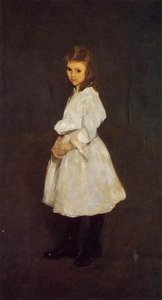
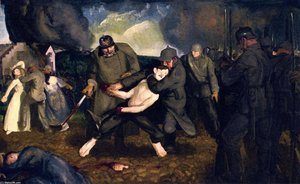
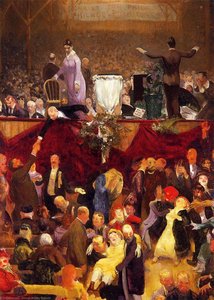
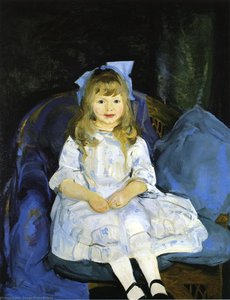
“Katherine Rosen” stands as a testament to George Bellows' remarkable talent and his profound understanding of the human condition. His ability to capture not just physical likeness but also emotional depth and psychological nuance is what makes this painting so enduringly captivating. Alongside works like “Little Girl in White (Queenie Burnett)” and “The Rope,” "Katherine Rosen" exemplifies Bellows’ commitment to portraying American life with honesty, empathy, and a keen eye for detail. Reproductions of this iconic work offer a remarkable opportunity to bring the spirit of the Ashcan School into any space, reminding us of the power of art to illuminate our shared human experience.
Obras relacionadas

Biografía del artista
Primeros años y educación
George Wesley Bellows, una figura destacada en el arte americano, nació el 12 o 19 de agosto de 1882 en Columbus, Ohio. Era hijo único de George Bellows y Anna Wilhelmina Smith Bellows. Su infancia temprana estuvo marcada por su inclinación hacia el arte, como lo demuestran sus dibujos incluso antes de comenzar la escuela primaria.Trayectoria artística
La trayectoria artística de Bellows comenzó con ilustración comercial y finalmente lo llevó a dedicarse a la pintura. Se matriculó en la Universidad Estatal de Ohio (1901-1904), donde jugó para los equipos de béisbol y baloncesto, consolidando aún más su destreza atlética. Sin embargo, su verdadera pasión residía en el arte, lo que lo impulsó a mudarse a Nueva York en 1904 para estudiar bajo la tutela de Robert Henri.- George Wesley Bellows se asoció con "The Eight" y la Escuela Ashcan, abogando por la representación de la sociedad americana contemporánea.
- En 1906, estableció un estudio en el número 1947 de Broadway Street, marcando el comienzo de su prolífica carrera.
- Su primera exposición notable en 1908 presentó estudios urbanos, que, aunque algunos críticos los consideraron pintados de manera tosca, también se encontraron audazmente atrevidos e innovadores.
Obras notables y contribuciones
Obras clave:- Central Park (Club de la Facultad de la Universidad Estatal de Ohio, Estados Unidos, óleo sobre lienzo) - un testimonio de su habilidad para capturar la vida urbana.
- Los alemanes llegan (1918) - una serie de litografías y pinturas que representaban gráficamente las atrocidades cometidas por Alemania durante su invasión de Bélgica.
- El Museo de Arte Moderno (Nueva York, Reino Unido) - aunque no presenta exclusivamente sus obras, representa el contexto más amplio del arte moderno en el que Bellows prosperó.
- La Biblioteca Pública de Nueva York - aunque no es específicamente conocida por albergar sus obras, sus colecciones y programas de arte reflejan la vibrante escena artística que influyó en su carrera.
Influencias y desarrollo artístico
Bellows fue profundamente influenciado por Robert Henri, quien lo animó a pintar los sujetos cotidianos de la vida urbana. Esta influencia se evidencia en las obras tempranas de Bellows, que capturan con realismo y vitalidad la vida de los barrios bajos de Nueva York. Además, estudió a los maestros europeos, buscando inspiración en sus obras durante visitas a museos. Su estilo evolucionó desde un realismo crudo hacia una mayor expresividad y dinamismo, incorporando elementos del impresionismo y el modernismo. Experimentó con diversas técnicas, incluyendo la pintura al óleo, el dibujo a lápiz y la litografía, desarrollando un lenguaje visual único que combinaba precisión técnica con una poderosa carga emocional.Legado e importancia histórica
George Wesley Bellows falleció el 8 de enero de 1925, pero su legado como "el artista americano más aclamado de su generación" (según el Museo de Arte de Columbus) perdura. Sus audaces representaciones de la vida urbana en Nueva York continúan inspirando e influyendo al arte contemporáneo. Su capacidad para capturar la energía y el dinamismo de la ciudad, así como su compromiso con la representación honesta de la realidad social, lo convierten en una figura clave del realismo americano y un precursor del arte moderno.- Vea más obras de George Wesley Bellows en ArtsDot.com
- Explore la colección del Museo de Arte Moderno (Nueva York, Reino Unido) en ArtsDot.com
- Aprenda más sobre las colecciones y programas de arte de la Biblioteca Pública de Nueva York en ArtsDot.com
Referencias
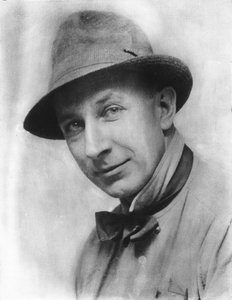
George Wesley Bellows
1882 - 1925 , Estados Unidos de América
Datos clave
- Artistas Que Influyeron: ['Robert Henri']
- Fecha De Muerte: 8 de enero de 1925
- Fecha De Nacimiento: 12 o 19 de agosto de 1882
- Lugar De Nacimiento: Columbus, Estados Unidos
- Movimiento Artístico: Ashcan School, Realismo americano
- Nacionalidad: Estadounidense
- Nombre Completo: George Wesley Bellows
- Obras Notables:
- Central Park
- The Germans Arrive
- Margarita
Artículos relacionados
Realismo Estadounidense: 10 Obras Maestras que Cambiaron el Arte y la Decoración
Descubre 10 obras maestras del Realismo Estadounidense: Winslow Homer, Edward Hopper y más. Explora la historia, técnica y emoción de estos icónicos cuadros. Encuentra reproducciones de arte de museo en ArtsDot.com.
Realismo Americano: Comentario Social y Representación Artística en la Pintura del Siglo XX
Explora el Realismo Americano del siglo XX: un análisis profundo de sus artistas clave (Vertis Hayes, William Aiken Walker), técnicas y su poderoso comentario social. Descubre cómo este movimiento plasmó la identidad estadounidense.

Grant Wood & American Regionalism: Identity, Myth & the Rural Landscape
Explore the world of Grant Wood & American Regionalism with ArtsDot. Discover the symbolism behind 'American Gothic', recurring themes, and the movement's lasting impact on art history. High-quality reproductions available.
Ecos del Lugar: Regionalismo e Identidad Americana en el Arte Entre Guerras
Descubra el Regionalismo americano: un movimiento artístico que capturó la esencia de la identidad rural y la vida en Estados Unidos entre guerras. Análisis experto, obras clave y legado cultural.
Romantic Realism's Finest: 10 Masterpieces for Your Home | ArtsDot
Explore 10 defining masterpieces of Romantic Realism! Discover Courbet, Millet & Daumier's powerful paintings—capturing emotion and social realities. Find museum-quality reproductions for your home at ArtsDot.com.