 Vista previa
 Compartir
 Compartir
 Ver detalles

 Descargar
 Ver similares
 Radiografía
 Presentación de diapositivas
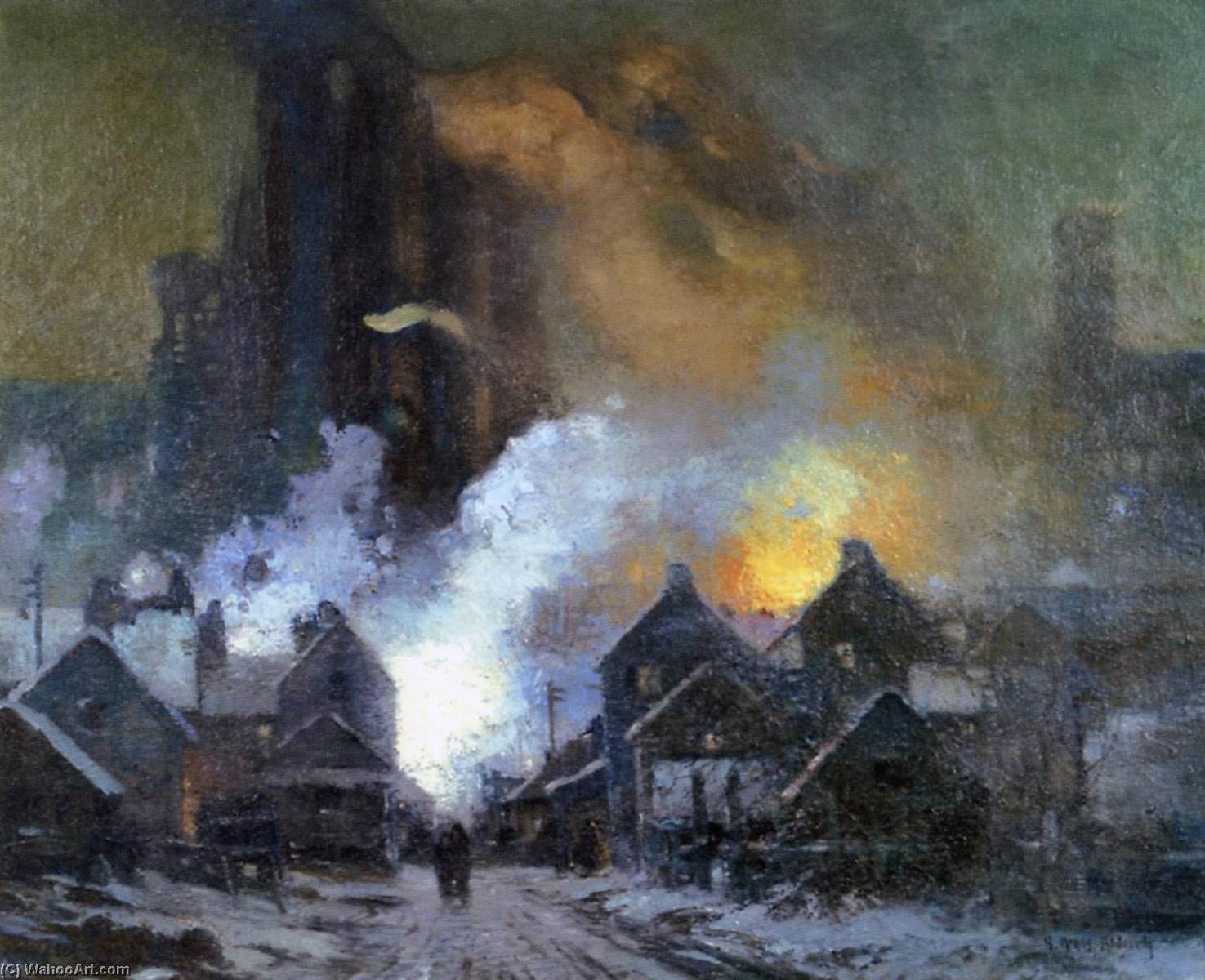
The Melting Pot


 Leer más
Reproducción al óleo hecha a mano
Óleo sobre lienzo pintado a mano en el tamaño y marco de su elección, realizado por encargo por nuestros artistas. ( Pedir impresión Comprar descarga)




P118B $10

P118H $10

P118W $10

P438Z $10

P508JH $12

P508YH $12

P805H $10

P805Z $10

P919BZ $10

P919G $10

P919XJ $10

P959ZH $10

P968JZ $12

W106C $8

W218G $10

W218JH $8

W218Y $10

W307PJ $10

W316G $10

W316PJ $8

W316Y $10

W398PJ $8

W4111J $10

W500HY $15

W500JH $15

W692G $12

W849H $8

W940BG $15

W953PJ $8




Elija entre nuestros tamaños predefinidos que respetan las proporciones originales de la obra.

Puede ingresar sus propias dimensiones para adaptarse a un marco o espacio específico. Si el tamaño seleccionado no coincide con las proporciones de la imagen original, recortaremos la obra o extenderemos la pintura con elementos adicionales pintados a mano. Se le enviará una maqueta digital para su aprobación antes de comenzar la producción.
Tenga en cuenta que la vista previa en pantalla no refleja el recorte o la extensión reales. Solo la maqueta mostrará con precisión la composición final.
Si bien existen tamaños personalizados, recomendamos seleccionar una dimensión de la lista predefinida para preservar las proporciones originales.
Tras realizar el pedido, el equipo de ArtsDot.com enviará un correo electrónico al cliente para solicitar instrucciones y proporcionarle una vista previa del boceto.
Envío a todo el mundo () en 3-4 semanas en lugar de las 5 semanas estándar. (22 agosto). Sin comprometer la calidad.

Envío exprés gratuito a todo el mundo

Lienzo de lino de alta calidad

Seguro de envío completo

Garantía de reembolso de aranceles aduaneros

Garantía de fidelidad cromática exacta

Política de devolución de 60 días (solo por defectos)

Garantía de devolución del 100% del dinero

Oferta por volumen
 La opción de vidrio solo está disponible en tamaños inferiores a 110 cm.

The Melting Pot
Técnica de reproducción
Tamaño de la reproducción
-


Precio total
$ 288
Descripción de la obra
A Vision of Industrial America: Georges Ames Aldrich’s *The Melting Pot*
Painted in 1926, *The Melting Pot* by Georges Ames Aldrich is a powerful and evocative depiction of American industrial life during a period of rapid transformation. More than just a landscape, this artwork serves as a poignant commentary on the complex relationship between progress, pollution, and the human spirit. The scene presents a small town dramatically overshadowed by the imposing structures of industry – smokestacks belching plumes of smoke into a bleak winter sky. Aldrich masterfully captures a sense of both awe and unease, inviting viewers to contemplate the costs associated with modernization.
Style & Technique: Impressionistic Realism
- Impressionistic Influence: While rooted in realism, Aldrich’s style leans heavily into impressionistic principles. Notice the loose brushstrokes and emphasis on capturing atmosphere over precise detail. This technique lends a dreamlike quality to the scene, enhancing its emotional impact.
- Textural Depth: The artist employs impasto – thickly applied paint – to build up texture across the canvas. This is particularly evident in the depiction of snow, buildings, and swirling smoke, creating a tactile quality that draws the viewer into the scene.
- Compositional Elements: The composition utilizes strong horizontal and vertical lines (streets, buildings, smokestacks) to establish a sense of structure. However, this stability is disrupted by the chaotic energy of the flames, creating visual tension and mirroring the societal upheaval of the era.
Symbolism & Historical Context
- The “Melting Pot” Metaphor: The title itself is laden with symbolism. While often associated with immigration, in this context, "melting pot" likely refers to the blending – and sometimes clashing – of rural life with burgeoning industrialization. The smoke represents not only pollution but also the dissolving of traditional ways of life.
- Industrial America: Aldrich’s work reflects a broader artistic trend in the early 20th century: an engagement with the realities of modern industry. Artists were grappling with the visual and social consequences of factories, urbanization, and technological advancement.
- Human Resilience (or Despair): The small figures walking along the street offer a human counterpoint to the overwhelming scale of the industrial landscape. Their presence raises questions about their fate – are they resilient workers forging ahead, or individuals dwarfed by forces beyond their control?
Emotional Impact & Interior Design Considerations
*The Melting Pot* evokes a range of emotions: melancholy, anxiety, and perhaps even a sense of foreboding. Its dramatic lighting and somber palette create a powerful visual statement. As an artwork for interior design, it would be particularly striking in spaces with modern or industrial aesthetics. The painting’s muted tones could complement neutral color schemes, while its strong compositional lines provide architectural interest. A high-quality reproduction of this piece would serve as a compelling focal point and conversation starter, adding depth and sophistication to any room.
Obras relacionadas

Biografía del artista
The Atmospheric Vision of Georges Ames Aldrich
Georges Ames Aldrich (1872–1941) occupied a unique space in the American artistic consciousness, acting as a bridge between the quietude of Tonalism and the vibrant energy of Impressionism. Born George Eugene Aldrich in Worcester, Massachusetts, his journey was one of profound movement—both geographical and stylistic. While his roots were firmly planted in New England, his artistic soul was shaped by the cobblestone streets of Europe and the burgeoning industrial landscapes of the American Midwest. His work does not merely depict scenes; it captures the very breath of the atmosphere, inviting viewers into worlds where light and shadow perform a delicate, eternal dance.
Aldrich’s formative years were marked by an itinerant spirit that would later define his aesthetic versatility. After initial studies at the Art Students League of New York in the early 1890s, he ventured to Paris, immersing himself in the epicenter of the modern art movement. It was during this period, between 1894 and 1900, that he absorbed the revolutionary techniques of the French masters. Influenced by the luminous touch of Claude Monet and the fluid, water-focused brilliance of Norwegian Impressionist Fritz Thaulow, Aldrich developed a signature ability to render flowing water, stone architecture, and the ephemeral quality of moonlight with remarkable precision.
A Tapestry of Landscapes and Industrial Dreams
The breadth of Aldrich’s oeuvre is nothing short of extraordinary, spanning from the romanticized charm of European villages to the gritty, transformative power of the American Industrial Revolution. His travels through France, Germany, and England left an indelible mark on his palette, resulting in evocative depictions of French villages bathed in the soft, nocturnal glow of lamplict. In works such as French Village at Night, one can feel the hush of a winter’s evening, where cool blues and whites are punctuated by the warmth of human habitation, creating a sense of profound peace.
However, Aldrich was far from a mere escapist. Upon relocating to Indiana around 1900, he turned his gaze toward the evolving American landscape. He became a significant figure within the Hoosier Salon circles, capturing the spirit of the Midwest with a nuanced eye for both its natural beauty and its industrial progress. This duality is perhaps most powerfully realized in his 1926 masterpiece, The Melting Pot. In this striking industrial nocturne, Aldrich moves away from pastoral tranquility to confront the imposing reality of the machine age. Through thick, expressive brushwork and a somber palette, he portrays smokestacks belching plumes into a bleak sky, offering a poignant commentary on the tension between technological advancement and the natural world.
Legacy and Artistic Significance
Throughout his career, Aldrich maintained a steady presence in major exhibition circuits, earning recognition from prestigious institutions such as the Art Institute of Chicago. His ability to blend the subtle tonal shifts of Tonalism with the textured, light-driven approach of Impressionism allowed him to capture subjects that were simultaneously grounded in reality and elevated by emotion. Whether he was painting the maritime charm of a Gloucester Scene or the moonlit reflections of Le Soir, River Elaune, his focus remained on the evocative power of the moment.
The historical significance of Georges Ames Aldrich lies in his role as a chronicler of change. He documented a world in transition—a period where the quiet, rural traditions of the nineteenth century were being rapidly reshaped by the industrial fervor of the twentieth. His paintings serve as windows into this era, preserving the light of vanished villages and the smoke of rising cities. Today, his work remains a testament to the enduring power of atmospheric painting, reminding us that even in the midst of profound change, there is a lasting beauty to be found in the way light touches the earth.

georges ames aldrich
1872 - 1941
Datos clave
- Artistic Movement Or Style: Impressionism
- Artists Or Movements Influenced By This Artist: ['French Impressionism']
- Artists Who Influenced This Artist:
- Claude Monet
- Pierre Auguste Renoir
- Date Of Birth: June 3, 1872
- Full Name: Georges Ames Aldrich
- Nationality: American
- Notable Artworks:
- Le Soir, River Elaune
- Mountain Lake
- The Melting Pot
- Place Of Birth: Worcester, Massachusetts
Artículos relacionados

Los 10 Maestros del Paisaje Impresionista: Obras que Cambiaron la Historia del Arte
Descubre los 10 lienzos impresionistas que revolucionaron el arte. Monet, Renoir y más… Explora la historia, técnica y belleza de cada obra maestra. Encuentra reproducciones de alta calidad para tu hogar en ArtsDot.com.

Los 10 Maestros del Paisaje Impresionista: Obras que Cambiaron la Historia del Arte
Descubre los 10 lienzos impresionistas que revolucionaron el arte. Explora la historia de Monet, Van Gogh y Renoir, sus técnicas y colores vibrantes. Encuentra reproducciones de alta calidad para decorar tu hogar en ArtsDot.com

Evocations of Place: A Historical Journey Through Landscape Art
Explore the rich history of landscape art with ArtsDot. Discover renowned artists, movements like Impressionism & Romanticism, and expert guidance for collecting timeless pieces. Find your perfect serene escape today!

Grant Wood & American Regionalism: Identity, Myth & the Rural Landscape
Explore the world of Grant Wood & American Regionalism with ArtsDot. Discover the symbolism behind 'American Gothic', recurring themes, and the movement's lasting impact on art history. High-quality reproductions available.
Capturando la Luz de una Nación: Explorando el Movimiento Impresionista Americano
Descubre el fascinante mundo del Impresionismo Americano. Explora a sus maestros, técnicas innovadoras y su legado perdurable. ¡Encuentra reproducciones de arte exclusivas en ArtsDot!