

 Ver en contexto
 Enviar
 Compartir
 Detalles

 Descargar
 Similares
 Radiografía
 Presentación de diapositivas
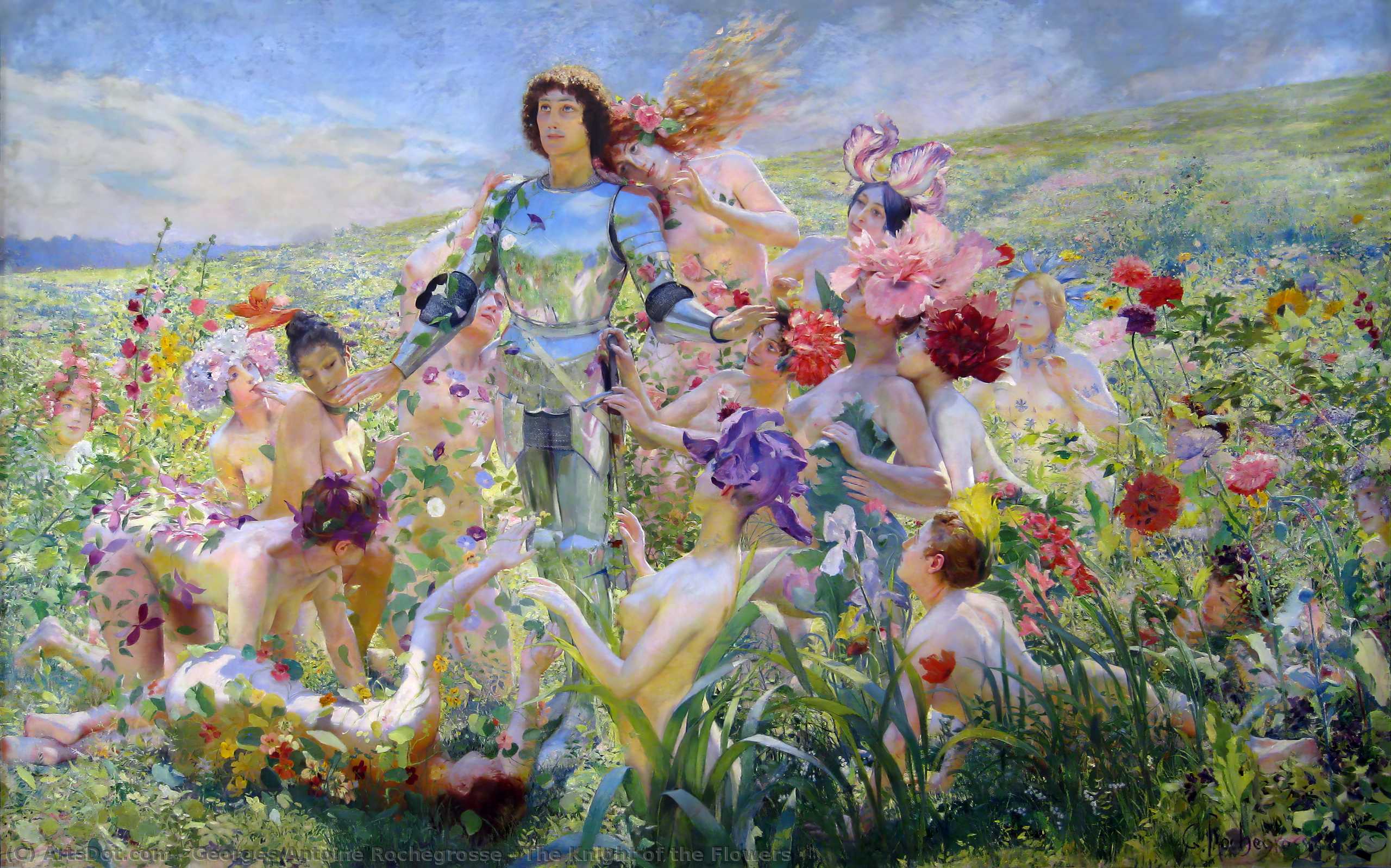
The Knight of the Flowers


 Ver más
Giclée / Impresión de arte
Impresiones giclée o en lienzo de calidad de museo con producción rápida y opciones de acabado flexibles. ( Comprar pintura hecha a mano Comprar imagen)




P118B $10

P118H $10

P118W $10

P438Z $10

P508JH $12

P508YH $12

P805H $10

P805Z $10

P919BZ $10

P919G $10

P919XJ $10

P959ZH $10

P968JZ $12

W106C $8

W218G $10

W218JH $8

W218Y $10

W307PJ $10

W316G $10

W316PJ $8

W316Y $10

W398PJ $8

W4111J $10

W500HY $15

W500JH $15

W692G $12

W849H $8

W940BG $15

W953PJ $8




Elija entre nuestros tamaños predefinidos que respetan las proporciones originales de la obra.

Puede introducir sus propias dimensiones para adaptarse a un marco o espacio específico. Si el tamaño seleccionado no coincide con las proporciones de la imagen original, recortaremos la obra de arte o extenderemos la imagen con un borde con efecto espejo o de color sólido. Se enviará una maqueta digital para su aprobación antes de que comience la producción.
Tenga en cuenta que la vista previa en pantalla no refleja el recorte o la extensión real. Solo la maqueta mostrará con precisión la composición final.
Aunque existen tamaños personalizados, recomendamos seleccionar una dimensión de la lista predefinida para preservar las proporciones originales.
Envío a todo el mundo () en 2 semanas en lugar de las 4/5 semanas estándar. (28 agosto)

Envío exprés gratuito a todo el mundo

Lienzo de lino de alta calidad

Seguro de envío total

Garantía de reembolso de impuestos aduaneros

Garantía de fidelidad cromática exacta

Política de devolución de 60 días (solo por defectos)

Garantía de devolución del 100% del dinero

Descuento por cantidad
 La opción de vidrio solo está disponible en tamaños inferiores a 110 cm.

The Knight of the Flowers
Giclée / Impresión de arte
Dimensiones de la reproducción
-


Precio total final
$ 62
The Knight of the Flowers: A Symphony of Symbolism and Light
Georges Antoine Rochegrosse’s “The Knight of the Flowers,” painted in 1882, is not merely a depiction of a medieval scene; it's an immersive experience—a vibrant portal into the heart of Symbolist aesthetics. This monumental canvas, currently residing within the hallowed halls of the Musée d’Orsay in Paris, pulsates with a dramatic intensity that immediately captivates the viewer. Rochegrosse, a master of historical and mythological subjects, eschewed the rigid constraints of naturalism, instead embracing a deeply personal and emotionally charged approach to storytelling. The painting unfolds as a carefully orchestrated tableau, brimming with allegorical figures and symbolic elements that invite contemplation long after the initial visual impact has faded.
At its core, “The Knight of the Flowers” chronicles the pivotal moment following Parsifal’s heroic act—the slaying of the guards protecting Klingsor's formidable castle. He doesn’t emerge triumphant into a scene of battle or glory; instead, he is drawn into a fantastical garden, an enchanted realm teeming with life and veiled in mystery. The figures surrounding him – women adorned in a profusion of blossoms: daffodils, peonies, roses, irises, tulips, violets, and hydrangeas – are not simply decorative elements but potent symbols representing fate, temptation, and the allure of the unattainable ideal. Rochegrosse’s deliberate distancing from the literal narrative—his focus on conveying an *idea* rather than a straightforward recounting of events—is a hallmark of Symbolism, a movement that sought to express profound truths through evocative imagery and suggestive forms.
A Masterclass in Dramatic Light and Color
Rochegrosse’s technical prowess is immediately apparent. The painting is executed with a bold, almost Fauvist-like use of color—a deliberate departure from the muted tones favored by many of his contemporaries. He employs vibrant hues – rich reds, deep blues, and luminous yellows – to create an atmosphere of heightened drama and emotional intensity. Light plays a crucial role, bathing the scene in a theatrical glow that seems to emanate from within the canvas itself. The stark contrasts between light and shadow sculpt the figures, emphasizing their forms and contributing to the overall sense of dynamism. Notice particularly how the light catches on the knight’s armor, reflecting an almost otherworldly brilliance, while the surrounding flora is rendered with a luscious, tactile quality.
The artist's brushwork is equally expressive. Loose, gestural strokes convey a sense of movement and immediacy, as if capturing a fleeting moment in time. He utilizes impasto—thickly applied paint—to build up texture and create a palpable surface that invites the viewer to reach out and touch. This technique not only adds visual interest but also reinforces the painting’s emotional impact, imbuing it with a sense of vitality and urgency.
Historical Context and Symbolic Resonance
“The Knight of the Flowers” emerged during a period of profound social and intellectual upheaval in France—the late 19th century. The Symbolist movement was gaining momentum, fueled by a rejection of materialism and a fascination with spirituality, mythology, and the subconscious. Rochegrosse’s work reflects this broader cultural shift, aligning him with artists like Gustave Moreau and Edvard Munch who sought to explore the darker aspects of human experience through symbolic imagery. The painting draws heavily from Arthurian legend—specifically, the tale of Parsifal—but transforms it into a meditation on themes of purity, temptation, and the pursuit of an unattainable ideal.
The choice of subject matter itself is significant. Parsifal’s rejection of the seductive allure of the flower maidens represents a symbolic victory over worldly desires. Rochegrosse's decision to depict this moment—not as a heroic triumph but as a retreat into a mystical realm—underscores the painting’s underlying message: that true fulfillment lies not in earthly pleasures, but in the pursuit of spiritual enlightenment.
Bringing “The Knight of the Flowers” Home
A reproduction of “The Knight of the Flowers” is more than just a decorative piece; it's an opportunity to bring a masterpiece of Symbolist art into your home. ArtsDot.com offers meticulously crafted hand-painted reproductions that capture the essence of Rochegrosse’s original vision, utilizing archival quality materials and techniques. Whether you are an art enthusiast, a collector seeking to expand your collection, or simply someone who appreciates beauty and artistry, a reproduction of this iconic painting will undoubtedly become a treasured addition to your space. Explore our selection today and experience the enduring power of “The Knight of the Flowers.”
Obras relacionadas
Biografía del artista
Primeros Años y Formación
- Nacido: Versalles, Francia (1859)
- Fallecido: 1938
- Georges Antoine Rochegrosse nació en Versalles, Francia, en 1859. Experimentó una inestabilidad temprana con el abandono de su padre a la familia.
- Recibió orientación artística inicial de Alfred Dehodencq y posteriormente estudió en la Académie Julian y École des Beaux-Arts.
- Instructores notables incluyeron Jules Joseph Lefebvre y Gustave Clarence Rodolphe Boulanger, moldeando significativamente su estilo hacia representaciones históricas dramáticas.
Desarrollo Artístico y Obras Principales
- Rochegrosse se centró inicialmente en escenas históricas a menudo teñidas de violencia, como se ve en obras como "Vitellius Arrastrado por las Calles de Roma por el Pueblo" (1882) y "La Muerte de César".
- Alcanzó un reconocimiento temprano con "Andromaque" (1883), que le valió el Prix du Salon.
- Su trabajo evolucionó para incluir influencias simbolistas, ejemplificado por "El Caballero de las Flores" (1892), una pintura a gran escala inspirada en la mitología wagneriana.
- Sus viajes al norte de África desde la década de 1890 influyeron significativamente en su arte, llevándolo hacia temas y sujetos orientalistas.
- Obras notables de este período incluyen "La Muerte del Emperador Geta" (1899) y representaciones de la vida y paisajes argelinos.
Orientalismo y Contribuciones Ilustrativas
- Rochegrosse se convirtió en una figura destacada en la pintura orientalista francesa, exhibiendo con frecuencia en salones dedicados al arte oriental.
- Estuvo profundamente influenciado por su tiempo pasado en Argelia (a partir de 1900), estableciendo un estudio en El Biar.
- Su esposa, Marie Leblond, sirvió tanto como musa como colaboradora, a menudo posando para sus pinturas y contribuyendo a proyectos artísticos como la creación del velo *Zaïmph* de *Salammbô*.
- Rochegrosse también fue un ilustrador prolífico, creando dibujos para obras de escritores destacados como Gustave Flaubert (Salammbô), Victor Hugo (Los Miserables) y Charles Baudelaire (Las Flores del Mal).
Reconocimiento y Legado
- Rochegrosse recibió numerosos elogios a lo largo de su carrera, incluido un tercer premio en el Salon en 1882 y la Médaille d’Honneur en 1906.
- Fue elegido como Oficial de la Legión de Honor en 1892, lo que significó un alto reconocimiento por sus contribuciones artísticas.
- Rochegrosse sirvió como profesor en la Escuela de Bellas Artes de Argel, contribuyendo al desarrollo de artistas locales.
- Su trabajo está representado en varios museos y colecciones de todo el mundo, incluido el Musée d’Orsay y el Musée de Picardie.
- El legado de Rochegrosse radica en su capacidad para combinar la formación académica con narraciones dramáticas y su contribución significativa tanto a la pintura histórica como orientalista.
Datos Clave e Información Adicional
- Influencias: Jules Joseph Lefebvre, Gustave Clarence Rodolphe Boulanger, Théodore de Banville (padre).
- Obras Notables: "Vitellius Arrastrado por las Calles de Roma por el Pueblo", "Andromaque", "El Caballero de las Flores", "La Muerte del Emperador Geta".
- Colecciones en Museos: Musée d’Orsay, Musée de Picardie, Musée des Beaux-Arts de Rouen.
- Ilustraciones: Obras para Salammbô de Gustave Flaubert, Los Miserables de Victor Hugo y Las Flores del Mal de Charles Baudelaire.
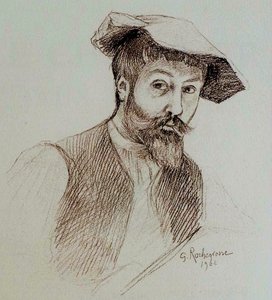
Georges Antoine Rochegrosse
1859 - 1938 , Francia
Datos clave
- Artistas Que Influyeron:
- Jules Joseph Lefebvre
- Gustave Boulanger
- Fecha De Fallecimiento: 11 de julio de 1938
- Fecha De Nacimiento: 2 de agosto de 1859
- Lugar De Nacimiento: Versailles, Francia
- Movimiento Artístico:
- Arte histórico
- Orientalismo
- Art Nouveau
- Nacionalidad: Francés
- Nombre Completo: Georges Antoine Rochegrosse
- Obras Notables:
- Vitellio arrastrado por Roma
- Andromaque
- La muerte del emperador Geta
- El caballero de las flores
Artículos relacionados
Blossoming Symbolism: A Historical Journey Through Flowers in Western Painting
Explore the rich history of flower symbolism in Western painting! Discover how artists from the Renaissance to Modernism used blossoms to convey meaning, emotion & beauty. Learn about iconic artworks and movements.
Daniel Ridgway Knight: A Study in Victorian Genre Painting & Rural Idealism
Explore the captivating world of Daniel Ridgway Knight, a master of Victorian genre painting. Discover his serene rural scenes, realistic technique & lasting influence on American Impressionism. Learn about his life, art, and collectibility.
Blossoms of Time: A Historical Journey Through Flower Painting
Explore the captivating history of flower painting! Discover Dutch masters, symbolic meanings, & botanical art. Expert insights & high-quality reproductions at ArtsDot.
Charles Le Brun: Master of French Baroque Classicism & His Enduring Legacy
Explore the life & art of Charles Le Brun, master of French Baroque Classicism. Discover his royal commissions, influence on Versailles, and enduring legacy through detailed analysis & stunning artworks.
Simon Vouet: A Baroque Master's Journey from Italian Influence to French Classicism
Explore the life & art of Simon Vouet, a pivotal French Baroque painter who introduced Italian styles to France. Discover his masterpieces and lasting influence on 17th-century art.

