 Vista previa
 Compartir
 Compartir
 Ver detalles

 Descargar
 Ver similares
 Radiografía
 Presentación de diapositivas
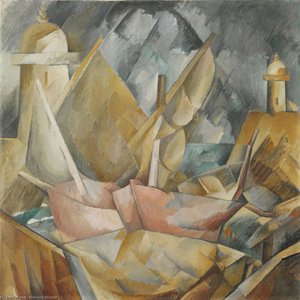
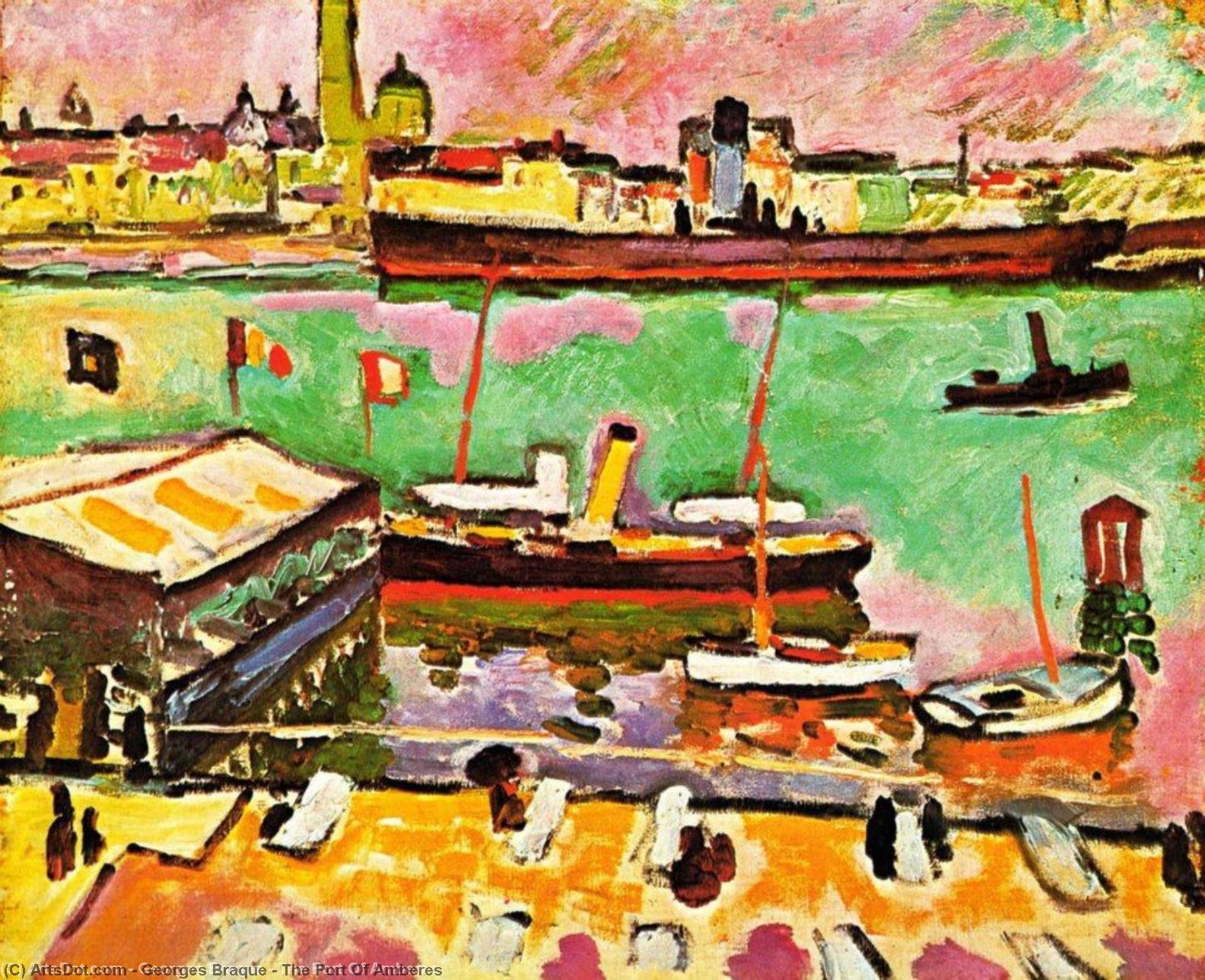
The Port Of Amberes


 Leer más
Reproducción al óleo hecha a mano
Óleo sobre lienzo pintado a mano en el tamaño y marco de su elección, realizado por encargo por nuestros artistas. ( Pedir impresión Comprar descarga)




P118B $10

P118H $10

P118W $10

P438Z $10

P508JH $12

P508YH $12

P805H $10

P805Z $10

P919BZ $10

P919G $10

P919XJ $10

P959ZH $10

P968JZ $12

W106C $8

W218G $10

W218JH $8

W218Y $10

W307PJ $10

W316G $10

W316PJ $8

W316Y $10

W398PJ $8

W4111J $10

W500HY $15

W500JH $15

W692G $12

W849H $8

W940BG $15

W953PJ $8




Elija entre nuestros tamaños predefinidos que respetan las proporciones originales de la obra.

Puede ingresar sus propias dimensiones para adaptarse a un marco o espacio específico. Si el tamaño seleccionado no coincide con las proporciones de la imagen original, recortaremos la obra o extenderemos la pintura con elementos adicionales pintados a mano. Se le enviará una maqueta digital para su aprobación antes de comenzar la producción.
Tenga en cuenta que la vista previa en pantalla no refleja el recorte o la extensión reales. Solo la maqueta mostrará con precisión la composición final.
Si bien existen tamaños personalizados, recomendamos seleccionar una dimensión de la lista predefinida para preservar las proporciones originales.
Tras realizar el pedido, el equipo de ArtsDot.com enviará un correo electrónico al cliente para solicitar instrucciones y proporcionarle una vista previa del boceto.
Envío a todo el mundo () en 3-4 semanas en lugar de las 5 semanas estándar. (22 agosto). Sin comprometer la calidad.

Envío exprés gratuito a todo el mundo

Lienzo de lino de alta calidad

Seguro de envío completo

Garantía de reembolso de aranceles aduaneros

Garantía de fidelidad cromática exacta

Política de devolución de 60 días (solo por defectos)

Garantía de devolución del 100% del dinero

Oferta por volumen
 La opción de vidrio solo está disponible en tamaños inferiores a 110 cm.

The Port Of Amberes
Técnica de reproducción
Tamaño de la reproducción
-


Precio total
$ 263
Descripción de la obra
Georges Braque's "The Port of Antwerp": A Study in Fragmented Reality
Georges Braque’s “The Port of Antwerp,” painted around 1910, stands as a pivotal work within the artist’s groundbreaking exploration of Cubism. This vibrant depiction of a bustling waterfront scene isn’t merely a record of a physical location; it's an intensely analytical investigation into form, space, and perception – a radical departure from the representational traditions that had dominated Western art for centuries. The painting immediately draws the eye to the chaotic yet meticulously arranged collection of boats, each rendered with a deliberate fragmentation that anticipates the core tenets of Cubism. The artist’s focus isn't on creating an illusion of depth or perspective in the conventional sense, but rather on presenting multiple viewpoints simultaneously, inviting the viewer to actively participate in reconstructing the image.
- Subject Matter: The scene depicts a lively port, capturing the energy and activity of a busy waterway. The inclusion of boats – ranging from small skiffs to larger vessels – suggests themes of commerce, transportation, and human interaction, common subjects in Braque’s work during this period.
- Style & Technique: “The Port of Antwerp” exemplifies the early stages of Cubism, characterized by its geometric simplification of forms. Braque employs a muted palette – predominantly browns, ochres, and blues – which contributes to the painting's somber yet dynamic atmosphere. The brushwork is deliberately rough and textured, adding to the sense of immediacy and contributing to the overall feeling of fractured space.
Historical Context: The Birth of a New Vision
Braque’s artistic journey during this period was inextricably linked to the intellectual ferment surrounding him in Paris. He was deeply influenced by Paul Cézanne's exploration of form and his insistence on depicting objects from multiple viewpoints. Furthermore, Braque engaged with the ideas of Pablo Picasso, whom he met frequently and whose work profoundly shaped his own evolving style. The painting reflects a broader artistic movement – a rejection of academic realism in favor of a more conceptual and intellectual approach to artmaking. This was a time of intense experimentation, driven by a desire to challenge established norms and redefine the very nature of representation.
- Cézanne’s Influence: Braque's careful observation of Cézanne’s work is evident in his treatment of volume and space. The boats are not depicted as solid, three-dimensional objects but rather as flattened planes, suggesting a simultaneous viewing of the subject from different angles.
- The Rise of Analytical Cubism: “The Port of Antwerp” aligns with the early phase of Analytical Cubism, where artists systematically broke down objects into their constituent parts and reassembled them on the canvas in an attempt to represent multiple perspectives at once.
Symbolic Layers & Emotional Resonance
Beyond its formal qualities, “The Port of Antwerp” possesses a subtle symbolic depth. The clock, prominently positioned in the upper-left corner, could be interpreted as a reference to time – a recurring theme in Braque’s work – or perhaps as a deliberate disruption of the scene, further emphasizing the fragmented nature of perception. The overall mood is one of quiet contemplation and observation, inviting the viewer to engage with the complexities of the depicted space. The painting evokes a sense of urban life, industry, and the transient nature of human activity.
- The Clock as Symbol: The inclusion of the clock adds an element of mystery and invites speculation about its significance within the context of the artwork. It could represent the passage of time, the constraints of routine, or perhaps a commentary on the artificiality of representation itself.
- Emotional Impact: Despite its fragmented appearance, the painting possesses a powerful emotional resonance, capturing a moment in time with remarkable intensity and inviting viewers to contemplate the relationship between observation, perception, and reality.
A Masterpiece for Your Collection
ArtsDot offers meticulously crafted hand-painted reproductions of “The Port of Antwerp,” allowing you to bring this seminal work of modern art into your home or office. Each reproduction is created using the highest quality materials and techniques, ensuring exceptional detail and color accuracy. Whether you are an art enthusiast, a collector seeking to expand your collection, or an interior designer looking for a statement piece, this artwork offers a unique opportunity to own a tangible connection to one of the most important moments in the history of painting.
Obras relacionadas
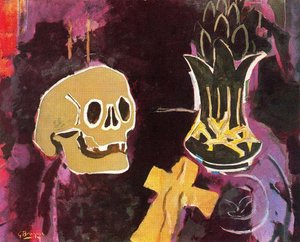
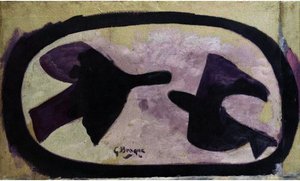
Biografía del artista
**vida temprana y formación**
georges braque, un destacado pintor francés, collageador, dibujante, grabador y escultor, nació el 13 de mayo de 1882 en Argelo, Val-d'Oise. Creció en Le Havre y inicialmente se formó para ser pintor de casas y decorador, como su padre y abuelo. Sin embargo, las inclinaciones artísticas de Braque lo llevaron a estudiar pintura en la École des Beaux-Arts en Le Havre de 1897 a 1899.**evolución artística y fauvismo**
En 1902, después de completar su aprendizaje con un decorador en París, Braque asistió a la Academia Humbert hasta 1904. Este período marcó su introducción al fauvismo, un estilo caracterizado por colores vibrantes y respuestas emocionales. Influenciado por las obras de henri matisse y andré derain, Braque adoptó un enfoque fauvista, como se ve en su pintura the patience (fauvismo, óleo sobre lienzo).**contribución al cubismo**
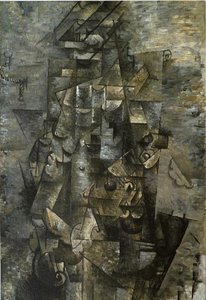
La colaboración de Braque con pablo picasso desde 1908 hasta 1912 llevó al desarrollo del cubismo. Sus obras cubistas analíticas, como georges braque: the patience y pablo picasso: clarinet(cubismo analítico, óleo sobre lienzo), se consideran hitos en la historia del arte.**legado y obras notables**
* Houses at l'Estaque: un testimonio del uso innovador de la geometría y la perspectiva simultánea de Braque. * The Patience(fauvismo, óleo sobre lienzo): demuestra el estilo fauvista de Braque. * Clarinet(cubismo analítico, óleo sobre lienzo): una obra cubista colaborativa con Picasso.**museos y colecciones**
* Musée d'Orsay: presenta una extensa colección de arte impresionista y postimpresionista, incluyendo obras de Braque. * Musée de l'Orangerie: exhibe una amplia gama de obras de arte, incluyendo las de Braque y otros artistas notables.- Descubra más sobre la vida y obra de Georges Braque en ArtsDot.com
- Explore la colección del Musée d'Orsay, que presenta obras de Braque y otros artistas, en Musée d'Orsay - Wikipedia
- Aprenda más sobre el fauvismo y su influencia en el desarrollo del cubismo con el movimiento artístico fauvista en ArtsDot.com
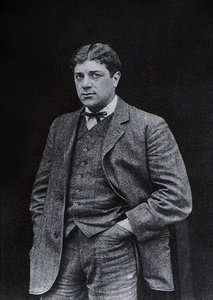
Georges Braque
1882 - 1963 , Francia
Datos clave
- Artistas Influenciados Por Este Artista: ['Pablo Picasso']
- Artistas Que Influyeron:
- Henri Matisse
- André Derain
- Paul Cézanne
- Fecha De Muerte: 31 de agosto de 1963
- Fecha De Nacimiento: 13 de mayo de 1882
- Lugar De Nacimiento: Argenteuil, Francia
- Movimiento Artístico: Cubismo, Fauvismo
- Nacionalidad: Francés
- Nombre Completo: Georges Braque
- Obras Notables:
- Casas en L'Estaque
- La paciencia (Fauvismo)
- Violin y Paleta
- Mandola
Artículos relacionados

Georges Braque: Las 25 Obras Maestras del Cubismo y su Legado en el Arte Moderno
Descubre las 25 obras maestras de Georges Braque, pionero del cubismo. Explora su innovadora técnica, colores y el legado del arte moderno francés. Reproducciones de alta calidad en ArtsDot.com. ¡Encuentra tu inspiración!
Transforming Spaces: A Comprehensive Exploration of Wall Decor Through Art History & Contemporary Practice
Explore the art of transforming spaces with our comprehensive guide to wall decor. From historical movements to contemporary trends, discover how to curate impactful interiors and commission bespoke artwork for a truly personalized aesthetic.
Giclée Prints: Archival Quality & Aesthetic Nuances for the Discerning Collector
Explore the world of giclée prints with ArtsDot. Learn about archival quality, aesthetic nuances & investment potential. Expert guidance for discerning art collectors seeking museum-quality reproductions and lasting value.

Echoes of Time: Exploring the Enduring Appeal & Historical Context of Vintage Art Prints
Explore the captivating world of vintage art prints! Discover their history, collecting tips & enduring appeal. Expert insights on chromolithography and building a legacy collection with ArtsDot.
El Regreso del Fresco: Murales de Lujo para un Diseño Exclusivo
Descubre el arte del fresco: guía completa sobre técnicas, diseño y aplicaciones de lujo. Expertos en murales personalizados para hoteles y espacios exclusivos. ¡Transforma tu espacio con !