 Vista previa
 Compartir
 Compartir
 Ver detalles

 Descargar
 Ver similares
 Radiografía
 Presentación de diapositivas
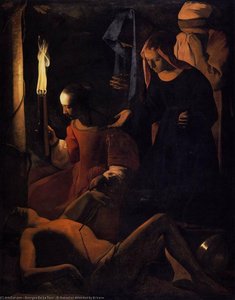
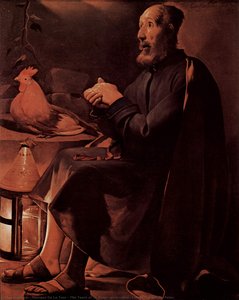
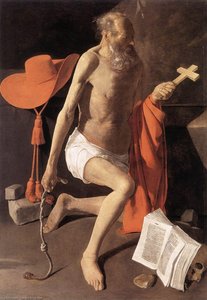
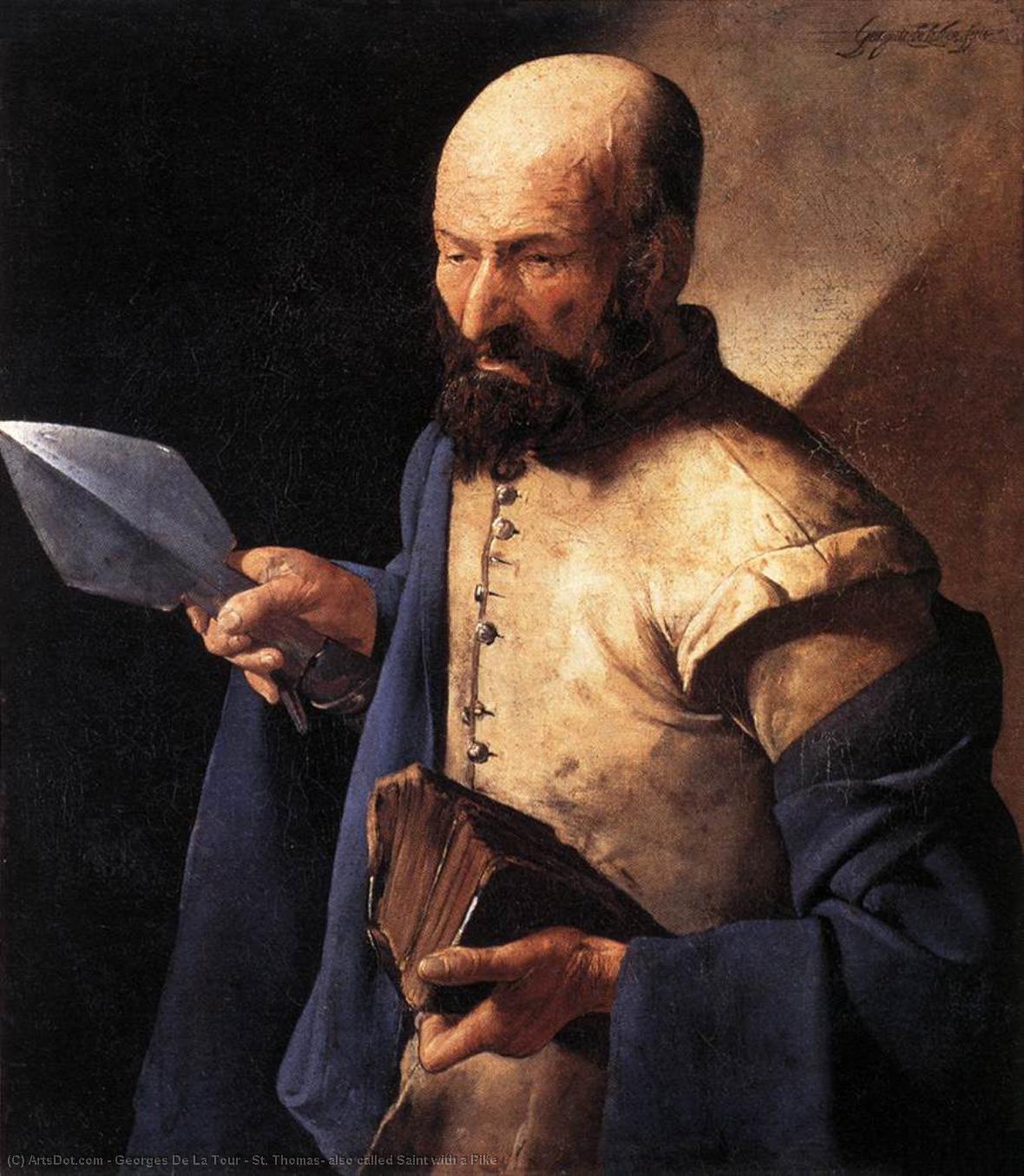
St. Thomas, also called Saint with a Pike
 Oil
Oil- WallArt
- Baroque Dramatic Light
 1630
1630- Early Modern
 61.0 x 69.0 cm
 Leer más
Giclée / Impresión de arte
Impresiones giclée o en lienzo de calidad de museo con producción rápida y opciones de acabado flexibles. ( Encargar reproducción pintada a mano Comprar descarga)




P118B $10

P118H $10

P118W $10

P438Z $10

P508JH $12

P508YH $12

P805H $10

P805Z $10

P919BZ $10

P919G $10

P919XJ $10

P959ZH $10

P968JZ $12

W106C $8

W218G $10

W218JH $8

W218Y $10

W307PJ $10

W316G $10

W316PJ $8

W316Y $10

W398PJ $8

W4111J $10

W500HY $15

W500JH $15

W692G $12

W849H $8

W940BG $15

W953PJ $8




Elija entre nuestros tamaños predefinidos que respetan las proporciones originales de la obra.

Puede introducir sus propias dimensiones para adaptarse a un marco o espacio específico. Si el tamaño seleccionado no coincide con las proporciones de la imagen original, recortaremos la obra de arte o extenderemos la imagen con un borde con efecto espejo o de color sólido. Se enviará una maqueta digital para su aprobación antes de que comience la producción.
Tenga en cuenta que la vista previa en pantalla no refleja el recorte o la extensión real. Solo la maqueta mostrará con precisión la composición final.
Aunque existen tamaños personalizados, recomendamos seleccionar una dimensión de la lista predefinida para preservar las proporciones originales.
Envío a todo el mundo () en 2 semanas en lugar de las 4/5 semanas estándar. (21 agosto)

Envío exprés gratuito a todo el mundo

Lienzo de lino de alta calidad

Seguro de envío completo

Garantía de reembolso de aranceles aduaneros

Garantía de fidelidad cromática exacta

Política de devolución de 60 días (solo por defectos)

Garantía de devolución del 100% del dinero

Oferta por volumen
 La opción de vidrio solo está disponible en tamaños inferiores a 110 cm.

St. Thomas, also called Saint with a Pike
Giclée / Impresión de arte
Tamaño de la reproducción
-


Precio total
$ 62
Descripción de la pieza
A Symphony of Shadow and Spirit
In the quietude of Georges de la Tour’s 1630 masterpiece, St. Thomas, we encounter more than a mere biblical illustration; we enter a sanctuary of profound introspection. This evocative work, measuring 61 x 69 cm, serves as a breathtaking testament to the power of the Baroque era's spiritual intensity. The painting captures the apostle in a moment of suspended animation, his gaze anchored to a single sheet of paper. This seemingly mundane object becomes a sacred conduit, a vessel for divine truth that demands the viewer’s absolute presence. As one contemplates this canvas, the boundaries between the seventeenth century and the modern soul begin to blur, inviting a meditative state where the weight of human doubt meets the light of revelation.
The technical brilliance of De la Tour lies in his masterful command of chiaroscuro, the dramatic interplay of light and shadow that defines the French Baroque style. Rather than utilizing light to illuminate a grand spectacle, De la Tour employs it to carve meaning out of the darkness. The shadows are not merely empty spaces but are heavy, velvety textures that press against the subject, heightening the emotional gravity of the scene. Every detail is rendered with a meticulous realism—from the sharp, purposeful edge of the knife held in St. Thomas’s hand to the delicate, weathered folds of his blue robe. This precision does not serve mere decoration; it grounds the spiritual narrative in a tangible, visceral reality that makes the saint's internal struggle feel intimately human.
The Weight of Faith and History
To understand St. Thomas, one must look through the lens of the turbulent era in which it was birthed. Painted during the height of the Protestant Reformation, the work resonates with the religious anxieties of a Europe searching for certainty amidst theological upheaval. The Catholic Church, facing unprecedented challenges to its dogma, sought a visual language of reaffirmation and quiet strength. In St. Thomas, De la Tour presents a figure of profound humility. The saint’s focus on the paper symbolizes the acceptance of evidence and the resolution of doubt—a powerful metaphor for the era's yearning for spiritual stability. It is a portrait of resolve, where the flickering light represents the persistent flame of faith even when surrounded by the vast unknown.
For the discerning collector or interior designer, this painting offers an unparalleled opportunity to introduce a sense of gravitas and timeless elegance into a space. The composition’s balanced tension and somber palette make it a sophisticated centerpiece for a study, a library, or a formal gallery setting. A high-quality reproduction of this work does more than decorate a wall; it curates an atmosphere of intellectual depth and contemplative peace. It invites guests to pause, to look closer at the interplay of light, and to find, much like St. Thomas, a moment of quiet clarity amidst the complexities of the modern world.
Obras relacionadas
Biografía del artista
la vida de géorges de la tour
géorges de la tour, un destacado pintor barroco francés, nació el 13 de marzo de 1593, en Vic-sur-Seille, Francia. Era el segundo de siete hijos de Jean de la Tour, panadero, y Sibylle de la Tour, nacida Molian, posiblemente de origen noble parcialmente.temprana educación y formación
Si bien los detalles de la temprana educación y formación de La Tour son algo oscuros, se especula que pudo haber viajado a Italia o los Países Bajos. Sin embargo, no hay evidencia concluyente. Es posible que haya sido discípulo de Jacques Bellange en Nancy, la capital de Lorena.estilo artístico e influencias
El estilo de La Tour, influenciado por Caravaggio, probablemente llegó a través de los caravaggistas holandeses de la escuela de Utrecht y otros contemporáneos europeos del norte, con similitudes notables al pintor holandés Hendrik ter Brugghen. Su dominio del claroscuro y el tenebrismo, utilizando contrastes dramáticos entre la luz y la oscuridad, creó escenas cautivadoras.obras notables y museos
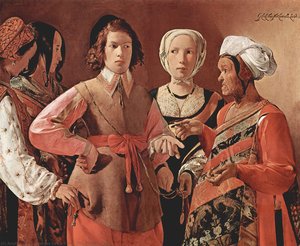
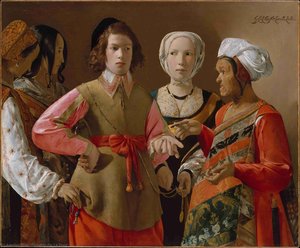
Algunas de las obras más notables de La Tour incluyen:- El adivino (tenebrismo, óleo sobre lienzo), una obra maestra que muestra su uso dramático de la iluminación.
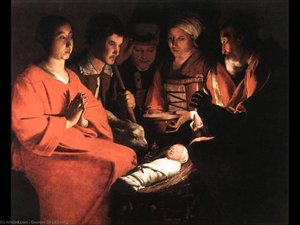
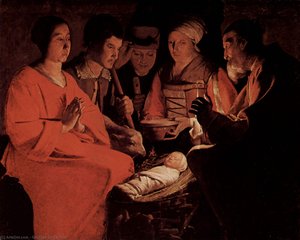
- La adoración de los pastores (107 x 131 cm, Museo del Louvre, París, Francia, óleo sobre lienzo), una pintura que ejemplifica su habilidad para capturar la esencia de los temas religiosos.
- Las lágrimas de San Pedro (114 x 95 cm, Museo de Arte de Cleveland, Cleveland, EE. UU., tenebrismo, óleo sobre lienzo), una obra que demuestra su capacidad para transmitir emoción a través de su arte.
legado y vida posterior
La Tour fue nombrado "pintor del rey" de Francia en 1638 y trabajó para los duques de Lorena. Falleció en 1652, dejando atrás un legado como figura significativa en la historia del arte europeo. explore more of georges de la tour's works on ArtsDot.com: * géorges de la tour | 94 obras de arte * descubra el musée des beaux-arts (Tourcoing, Francia) y sus obras maestras learn more about georges de la tour's life and art on wikipedia: * géorges de la tour - Wikipedia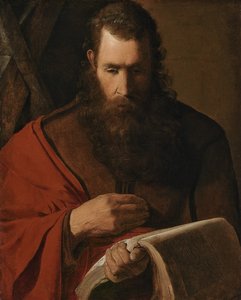
Georges de la Tour
1593 - 1652 , Francia
Datos clave
- Artistas Que Influyeron:
- Caravaggio
- Hendrick Terbrugghen
- Fecha De Muerte: 1652
- Fecha De Nacimiento: 13 de marzo de 1593
- Lugar De Nacimiento: Vic-le-Comte, Francia
- Movimiento Artístico: Barroco
- Nacionalidad: Francés
- Nombre Completo: Georges de la Tour
- Obras Notables:
- El Adivino
- Adoración de pastores
- Las lágrimas de San Pedro
- La Niña con un Brasero
Artículos relacionados

The Dramatic Flourish: Exploring the Baroque Movement's Enduring Legacy in Art History
Explore the dramatic world of Baroque art! Discover iconic artists like Caravaggio & Rubens, defining techniques, and its lasting impact on art history. Expert insights for collectors & enthusiasts at ArtsDot.
Simon Vouet: A Baroque Master's Journey from Italian Influence to French Classicism
Explore the life & art of Simon Vouet, a pivotal French Baroque painter who introduced Italian styles to France. Discover his masterpieces and lasting influence on 17th-century art.

Barroco Sublime: 10 Obras Maestras que Definieron una Época |
Descubre las 10 obras maestras del Barroco que marcaron una época. Caravaggio, Bernini y Velázquez cobran vida en . Reproducciones de arte de calidad museo para decorar tu hogar con elegancia. ¡Explora la colección online!

Drama Barroca: Llevando la Grandeza y la Emoción a los Interiores Contemporáneos
Descubre cómo el drama y la grandeza del arte barroco pueden transformar tus interiores. Guía experta, inspiración y reproducciones de alta calidad en .

The Golden Age Reforged: Dramatic Realism & Religious Zeal in Spanish Baroque Art
Explore the dramatic world of Spanish Baroque art! Discover masters like Zurbarán & the powerful influence of religious zeal on painting techniques – a guide for collectors and enthusiasts.