 Ver en contexto
 Enviar
 Compartir
 Detalles

 Descargar
 Similares
 Radiografía
 Presentación de diapositivas
The Repentant Magdalen

 Ver más
Reproducción al óleo hecha a mano
Óleo sobre lienzo pintado a mano en el tamaño y marco de su elección, realizado por encargo por nuestros artistas. ( Comprar impresión Comprar imagen)




P118B $10

P118H $10

P118W $10

P438Z $10

P508JH $12

P508YH $12

P805H $10

P805Z $10

P919BZ $10

P919G $10

P919XJ $10

P959ZH $10

P968JZ $12

W106C $8

W218G $10

W218JH $8

W218Y $10

W307PJ $10

W316G $10

W316PJ $8

W316Y $10

W398PJ $8

W4111J $10

W500HY $15

W500JH $15

W692G $12

W849H $8

W940BG $15

W953PJ $8




Elija entre nuestros tamaños predefinidos que respetan las proporciones originales de la obra.

Puede ingresar sus propias dimensiones para adaptarse a un marco o espacio específico. Si el tamaño seleccionado no coincide con las proporciones de la imagen original, recortaremos la obra o extenderemos la pintura con elementos adicionales pintados a mano. Se le enviará una maqueta digital para su aprobación antes de comenzar la producción.
Tenga en cuenta que la vista previa en pantalla no refleja el recorte o la extensión reales. Solo la maqueta mostrará con precisión la composición final.
Si bien existen tamaños personalizados, recomendamos seleccionar una dimensión de la lista predefinida para preservar las proporciones originales.
Tras realizar el pedido, el equipo de ArtsDot.com enviará un correo electrónico al cliente para solicitar instrucciones y proporcionarle una vista previa del boceto.
Envío a todo el mundo () en 3-4 semanas en lugar de las 5 semanas estándar. (22 agosto). Sin comprometer la calidad.

Envío exprés gratuito a todo el mundo

Lienzo de lino de alta calidad

Seguro de envío total

Garantía de reembolso de impuestos aduaneros

Garantía de fidelidad cromática exacta

Política de devolución de 60 días (solo por defectos)

Garantía de devolución del 100% del dinero

Descuento por cantidad
 La opción de vidrio solo está disponible en tamaños inferiores a 110 cm.

The Repentant Magdalen
Técnica de reproducción
Dimensiones de la reproducción
-


Precio total final
$ 263
Descripción de la obra
The Repentant Magdalen: A Study in Shadow and Sorrow
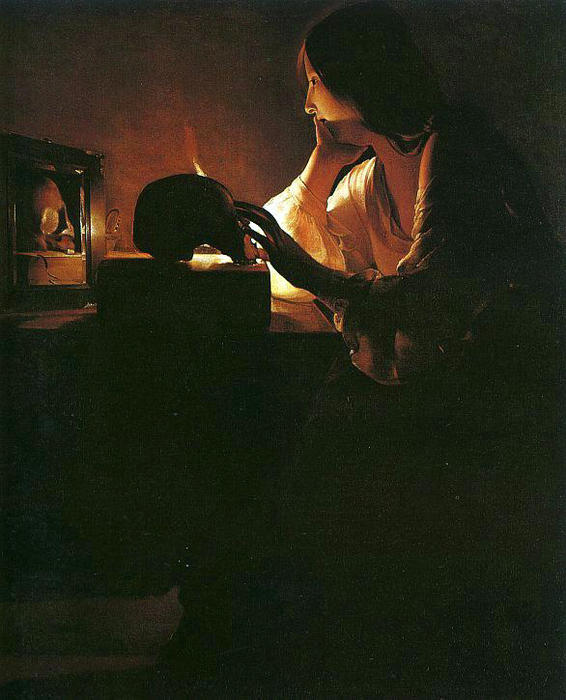
Georges de La Tour’s “The Repentant Magdalen” is not merely a portrait; it's an immersion into the profound depths of human remorse, faith, and the lingering presence of mortality. Painted circa 1635-1640, this arresting black and white composition transcends its subject matter to become a meditation on spiritual transformation within a world steeped in chiaroscuro – the dramatic interplay of light and shadow that defines La Tour’s signature style. The painting immediately commands attention with its stark simplicity: a woman, draped in modest attire, sits hunched over a table, her head bowed in an almost unbearable sorrow. The composition is deliberately restrained, focusing entirely on this single figure, drawing the viewer into her private world of introspection.
La Tour’s technique is masterful, employing a meticulous layering of thin glazes to achieve an astonishingly luminous effect despite the predominantly dark palette. The light source, unseen but powerfully felt, emanates from the candle illuminating the table, casting long, dramatic shadows that engulf much of the scene. This use of tenebrism – a hallmark of Caravaggio’s influence – intensifies the emotional impact, highlighting the woman's vulnerability and drawing attention to key symbolic elements. The brushwork is remarkably smooth, almost velvety in places, contributing to the painting’s overall sense of quiet contemplation.
A Biblical Narrative and Symbolic Weight
Within the context of 17th-century Catholic art, Mary Magdalene's story held immense significance. She was revered as a potent symbol of repentance, a fallen woman redeemed through faith and devotion to Christ. The painting directly reflects this theological interpretation; Magdalene’s sorrow is not simply personal grief but a tangible representation of her past sins and her subsequent spiritual awakening. The presence of the skull on the table serves as a stark reminder of mortality – a visual anchor connecting her earthly suffering with the promise of eternal salvation. The mirror, often interpreted as a symbol of vanity and worldly desires, further underscores her journey away from superficiality towards a deeper understanding of faith.
Beyond the immediate narrative, the painting is rich in symbolic detail. The books on the table – one open to scripture, the other seemingly untouched – suggest a process of learning and spiritual guidance. The rope, partially visible beneath the table, hints at her former life as a prostitute, a past she has renounced. Even the posture of her body—hunched over, almost defeated— speaks volumes about the arduous path of repentance.
Contextualizing La Tour’s Vision
Georges de La Tour's artistic vision was deeply rooted in the religious fervor and social anxieties of his time. He operated within a period marked by both intense piety and widespread skepticism, navigating the complex relationship between faith and reason. His paintings frequently depicted scenes from the Bible or the lives of saints, but he approached them with a unique sensitivity to human emotion and psychological depth. Unlike many of his contemporaries who favored grand, theatrical compositions, La Tour preferred intimate settings and understated gestures, creating an atmosphere of quiet contemplation that resonated powerfully with viewers.
The painting’s enduring appeal lies in its ability to evoke a profound sense of empathy and understanding. It is not a glorification of suffering but rather a poignant exploration of the human capacity for redemption. La Tour's masterful use of light and shadow, combined with his meticulous attention to detail, transforms this simple portrait into a timeless meditation on faith, sorrow, and the enduring power of grace. The painting’s stark beauty continues to captivate audiences centuries later, reminding us of the complexities of the human spirit and the transformative potential of repentance.
Obras relacionadas
Biografía del artista
la vida de géorges de la tour
géorges de la tour, un destacado pintor barroco francés, nació el 13 de marzo de 1593, en Vic-sur-Seille, Francia. Era el segundo de siete hijos de Jean de la Tour, panadero, y Sibylle de la Tour, nacida Molian, posiblemente de origen noble parcialmente.temprana educación y formación
Si bien los detalles de la temprana educación y formación de La Tour son algo oscuros, se especula que pudo haber viajado a Italia o los Países Bajos. Sin embargo, no hay evidencia concluyente. Es posible que haya sido discípulo de Jacques Bellange en Nancy, la capital de Lorena.estilo artístico e influencias
El estilo de La Tour, influenciado por Caravaggio, probablemente llegó a través de los caravaggistas holandeses de la escuela de Utrecht y otros contemporáneos europeos del norte, con similitudes notables al pintor holandés Hendrik ter Brugghen. Su dominio del claroscuro y el tenebrismo, utilizando contrastes dramáticos entre la luz y la oscuridad, creó escenas cautivadoras.obras notables y museos
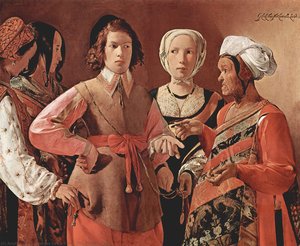
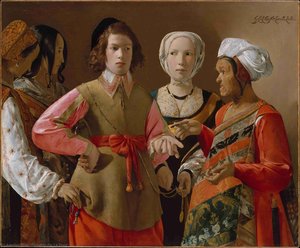
Algunas de las obras más notables de La Tour incluyen:- El adivino (tenebrismo, óleo sobre lienzo), una obra maestra que muestra su uso dramático de la iluminación.
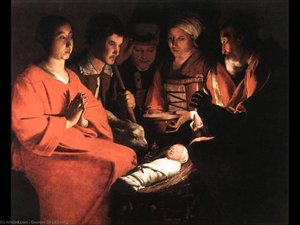
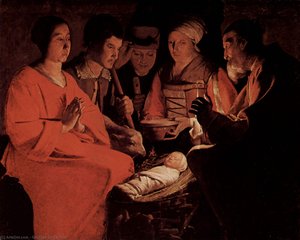
- La adoración de los pastores (107 x 131 cm, Museo del Louvre, París, Francia, óleo sobre lienzo), una pintura que ejemplifica su habilidad para capturar la esencia de los temas religiosos.
- Las lágrimas de San Pedro (114 x 95 cm, Museo de Arte de Cleveland, Cleveland, EE. UU., tenebrismo, óleo sobre lienzo), una obra que demuestra su capacidad para transmitir emoción a través de su arte.
legado y vida posterior
La Tour fue nombrado "pintor del rey" de Francia en 1638 y trabajó para los duques de Lorena. Falleció en 1652, dejando atrás un legado como figura significativa en la historia del arte europeo. explore more of georges de la tour's works on ArtsDot.com: * géorges de la tour | 94 obras de arte * descubra el musée des beaux-arts (Tourcoing, Francia) y sus obras maestras learn more about georges de la tour's life and art on wikipedia: * géorges de la tour - Wikipedia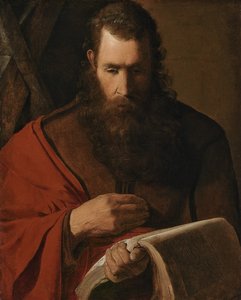
Georges de la Tour
1593 - 1652 , Francia
Datos clave
- Artistas Que Influyeron:
- Caravaggio
- Hendrick Terbrugghen
- Fecha De Muerte: 1652
- Fecha De Nacimiento: 13 de marzo de 1593
- Lugar De Nacimiento: Vic-le-Comte, Francia
- Movimiento Artístico: Barroco
- Nacionalidad: Francés
- Nombre Completo: Georges de la Tour
- Obras Notables:
- El Adivino
- Adoración de pastores
- Las lágrimas de San Pedro
- La Niña con un Brasero
Artículos relacionados

Georges Braque: Las 25 Obras Maestras del Cubismo y su Legado en el Arte Moderno
Descubre las 25 obras maestras de Georges Braque, pionero del cubismo. Explora su innovadora técnica, colores y el legado del arte moderno francés. Reproducciones de alta calidad en ArtsDot.com. ¡Encuentra tu inspiración!
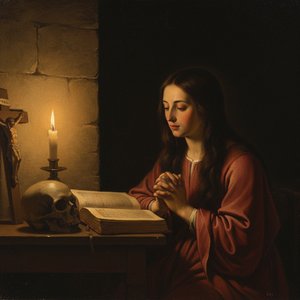
Georges de La Tour: Luminosity, Spirituality & Realism in Baroque Painting
Discover the captivating world of Georges de La Tour, a Baroque master renowned for his dramatic chiaroscuro & spiritual realism. Explore key works, influences, and his remarkable rediscovery. Learn more at ArtsDot.

Georges Seurat: Las 25 Obras Maestras del Pionero Puntillista | ArtsDot
Descubre las 25 obras maestras de Georges Seurat, el innovador del puntillismo. Explora su técnica única, colores vibrantes y legado artístico en ArtsDot.com. Reproducciones de arte de museo para tu hogar.

Goya: Las 25 Obras Maestras del Genio Español | Reproducciones de Arte en ArtsDot
Descubre las 25 obras maestras de Goya, el genio español. Explora retratos icónicos, 'Los Caprichos' y 'Las Pinturas Negras'. Reproducciones de arte en lienzo de alta calidad para decorar tu hogar con estilo. ¡Encuentra tu obra favorita en ArtsDot.com!
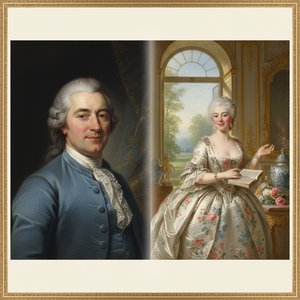
Maurice Quentin de La Tour: Light, Shadow & the Rococo Portrait
Explore the captivating world of Maurice Quentin de La Tour, a master of Rococo portraiture. Discover his innovative pastel techniques, intimate depictions of French aristocracy, and lasting artistic legacy. Learn more at ArtsDot.