 Ver en contexto
 Enviar
 Compartir
 Detalles

 Descargar
 Similares
 Radiografía
 Presentación de diapositivas
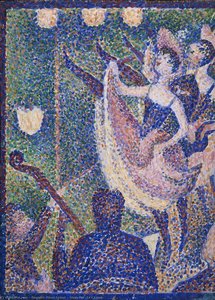
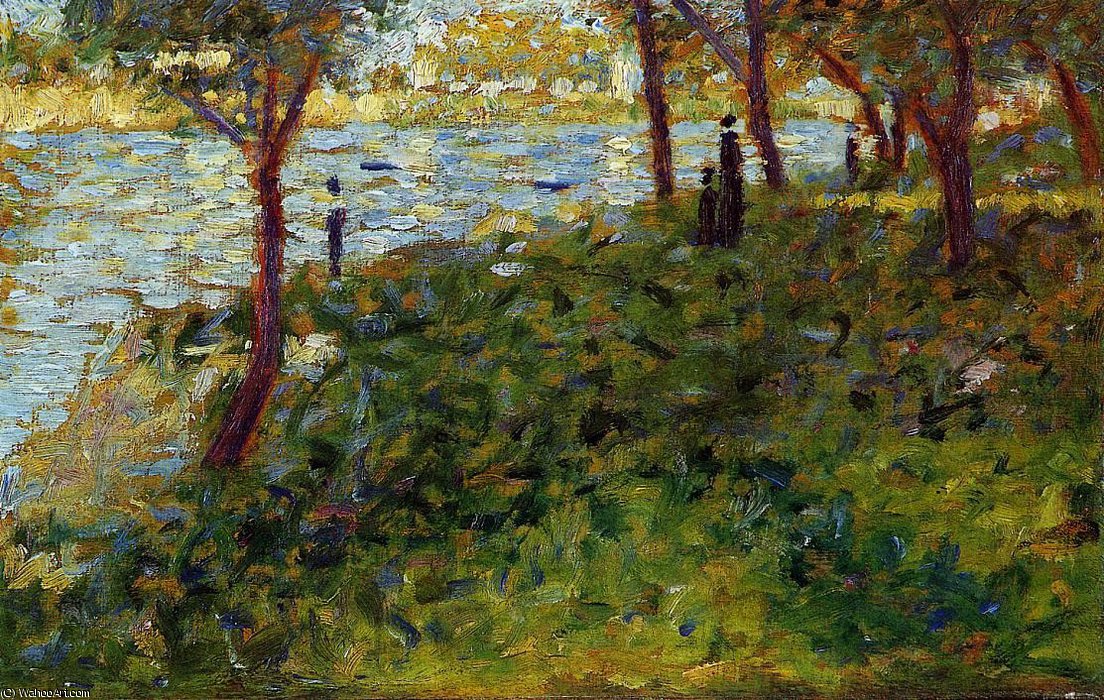
La Grande Jatte - Landscape with Figures


 Ver más
Giclée / Impresión de arte
Impresiones giclée o en lienzo de calidad de museo con producción rápida y opciones de acabado flexibles. ( Comprar pintura hecha a mano Comprar imagen)




P118B $10

P118H $10

P118W $10

P438Z $10

P508JH $12

P508YH $12

P805H $10

P805Z $10

P919BZ $10

P919G $10

P919XJ $10

P959ZH $10

P968JZ $12

W106C $8

W218G $10

W218JH $8

W218Y $10

W307PJ $10

W316G $10

W316PJ $8

W316Y $10

W398PJ $8

W4111J $10

W500HY $15

W500JH $15

W692G $12

W849H $8

W940BG $15

W953PJ $8




Elija entre nuestros tamaños predefinidos que respetan las proporciones originales de la obra.

Puede introducir sus propias dimensiones para adaptarse a un marco o espacio específico. Si el tamaño seleccionado no coincide con las proporciones de la imagen original, recortaremos la obra de arte o extenderemos la imagen con un borde con efecto espejo o de color sólido. Se enviará una maqueta digital para su aprobación antes de que comience la producción.
Tenga en cuenta que la vista previa en pantalla no refleja el recorte o la extensión real. Solo la maqueta mostrará con precisión la composición final.
Aunque existen tamaños personalizados, recomendamos seleccionar una dimensión de la lista predefinida para preservar las proporciones originales.
Envío a todo el mundo () en 2 semanas en lugar de las 4/5 semanas estándar. (24 agosto)

Envío exprés gratuito a todo el mundo

Lienzo de lino de alta calidad

Seguro de envío total

Garantía de reembolso de impuestos aduaneros

Garantía de fidelidad cromática exacta

Política de devolución de 60 días (solo por defectos)

Garantía de devolución del 100% del dinero

Descuento por cantidad
 La opción de vidrio solo está disponible en tamaños inferiores a 110 cm.

La Grande Jatte - Landscape with Figures
Giclée / Impresión de arte
Dimensiones de la reproducción
-


Precio total final
$ 62
Descripción de la pieza
A Symphony of Light and Color: Exploring Georges Seurat’s “La Grande Jatte”
Georges Pierre Seurat, born in Paris on December 2, 1859, stands as a monumental figure in the artistic landscape of late nineteenth-century France—a true innovator who irrevocably altered the course of painting. His tragically brief life yielded an astonishing output of work, primarily focused on his groundbreaking technique known as Pointillism, which cemented his place among the titans of modern art and continues to fascinate scholars and enthusiasts alike. Seurat’s story isn't merely one of artistic achievement; it’s a testament to intellectual curiosity coupled with an unwavering dedication to capturing the essence of visual perception—a pursuit that anticipated scientific advancements in optics and profoundly influenced subsequent generations of artists.The Birth of Pointillism: Scientific Precision Meets Artistic Vision
Before Seurat, Impressionists wrestled with fleeting moments of light and color, striving to represent their immediate sensations on canvas. Seurat rejected this approach entirely, drawing inspiration from Henri Poincaré’s theories on optics and applying scientific principles to his artistic practice. He meticulously divided the canvas into tiny dots—points of pigment—rather than blending colors directly onto the surface. This seemingly simple method yielded extraordinary results: a luminous quality previously unattainable by Impressionists, as the eye merges these dots optically to create an illusion of color and depth. Seurat’s meticulous process demanded immense patience and precision, transforming painting into a form of intellectual experimentation alongside artistic expression.“La Grande Jatte”: A Snapshot of Parisian Leisure
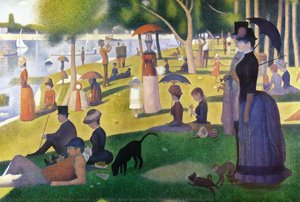
Seurat's magnum opus, “La Grande Jatte,” depicts a tranquil scene on La Grande Jatte island in the Seine River—a popular spot for Parisians to unwind during Sundays. The painting captures a moment of bourgeois leisure: figures strolling along the riverbank, engaging in conversation and enjoying the afternoon sun. Seurat’s masterful composition skillfully balances stillness with subtle movement, conveying an atmosphere of serenity and contemplation. As detailed in The Art Institute of Chicago's insightful analysis (A Sunday on La Grande Jatte — 1884), the painting’s subject matter reflects the broader cultural preoccupation with urban life and social harmony during the Belle Époque.Symbolism Beyond Surface Appearance: Color Theory and Artistic Intent
Beyond its captivating depiction of Parisian society, “La Grande Jatte” embodies Seurat's revolutionary color theory—a cornerstone of Pointillist practice. He employed complementary colors strategically to maximize visual impact and create a harmonious balance within the composition. The use of orange and violet hues, for instance, draws attention to specific areas of interest while simultaneously reinforcing the overall tonal palette. Furthermore, Seurat’s deliberate choice of subject matter – ordinary people enjoying leisure – speaks to a deeper philosophical concern: exploring how scientific observation could illuminate the human experience.An Enduring Legacy: The Emotional Resonance of Pointillism
Despite his untimely death in 1891, Georges Seurat’s influence on subsequent artistic movements remains undeniable. His pioneering technique paved the way for Fauvism and Expressionism, demonstrating that art could transcend mere representation to convey profound emotional states. “La Grande Jatte” continues to inspire artists and collectors alike—a testament to Seurat's unwavering belief in the power of scientific rigor combined with artistic sensitivity. Explore exquisite reproductions of this iconic masterpiece at Study for “Un dimanche après midi à l'île de la Grande Jatte and Study for 'A Sunday on La Grande Jatte' Couple Walking.Obras relacionadas
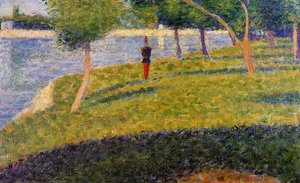
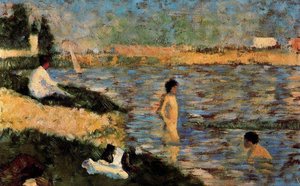
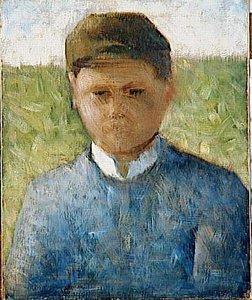
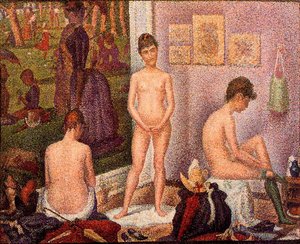
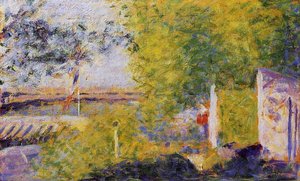
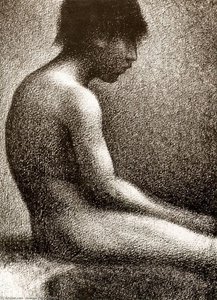
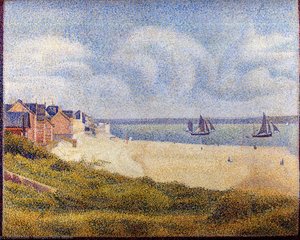
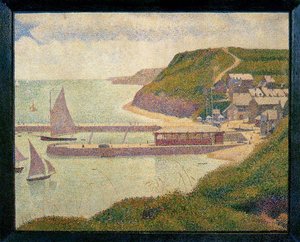
Biografía del artista
Georges Seurat: Un Pionero del Neoimpresionismo
Vida Temprana y Educación
- Nacido: 2 de diciembre de 1859, en París, Francia.
- La familia de Seurat se mudó al Boulevard de Magenta poco después de su nacimiento.
- Su padre, Antoine Chrysostome Seurat, fue un exfuncionario legal que se hizo rico a través de la especulación inmobiliaria.
- Comenzó su formación artística en la École Municipale de Sculpture et Dessin, cerca de su hogar, bajo el escultor Justin Lequien.
- En 1878, se matriculó en la prestigiosa École des Beaux-Arts, estudiando bajo Henri Lehmann.
Desarrollo Artístico e Influencias
- La personalidad artística de Seurat fue una mezcla única de sensibilidad y abstracción lógica. Combinó una delicada sensibilidad con la precisión matemática.
- Influencias: Si bien las influencias específicas son debatidas, estudió las teorías del color de científicos como Michel Eugène Chevreul y Ogden Rood.
- Inicialmente experimentó con técnicas de dibujo tradicionales antes de desarrollar su estilo distintivo.
- Sus primeras obras muestran interés en la pintura académica pero gradualmente se movieron hacia un enfoque más innovador.
Chromoluminarismo y Puntillismo
- Seurat ideó las técnicas de chromoluminarismo (la ciencia del color) y puntillismo, aplicando pequeños puntos distintos de color puro a un lienzo.
- Usó lápiz Conté para dibujos detallados en papel con superficie rugosa como parte de su proceso.
- Objetivo del Puntillismo: La idea era que la vista del espectador fusionaría ópticamente estos colores, creando un efecto vibrante y luminoso.
Logros Importantes y Obras Notables
- Un Domingo Tarde en la Isla de la Grande Jatte (1884-1886): Su obra más famosa, que marca el comienzo del Neoimpresionismo. Ejemplifica su técnica puntillista y su enfoque meticuloso.
- Alfalfa, Saint-Denis (1886-1887): Demuestra su aplicación de la teoría del color a un paisaje rural.
- Paisaje en Saint-Ouen (1882-1883): Un ejemplo temprano que muestra su estilo en evolución e interés por la luz y la atmósfera.
- La Torre Eiffel (1889): Una representación del icónico monumento parisino, representada utilizando técnicas puntillistas.
- Bañistas en Asnières (1884): Otra obra significativa que explora el ocio y la vida moderna con su estilo distintivo.
Significado Histórico y Legado
- El trabajo de Seurat influyó profundamente en el desarrollo del arte moderno, particularmente a través de su énfasis en la expresión subjetiva y la exploración de nuevas técnicas.
- Allanó el Camino: Allanó el camino para movimientos como el Fauvismo, el Cubismo y el Expresionismo Abstracto.
- Su enfoque científico del arte desafió las convenciones artísticas tradicionales.
- A pesar de su corta vida (murió a los 31 años), Seurat dejó una marca indeleble en la historia del arte, inspirando a generaciones de artistas con su visión innovadora.
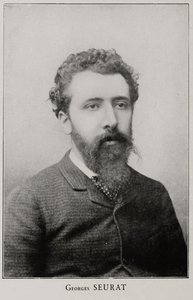
Georges Pierre Seurat
1859 - 1891 , Francia
Datos clave
- Artistas Influenciados:
- Fauvismo
- Cubismo
- Expresionismo Abstracto
- Artistas Que Influyeron:
- Michel Eugène Chevreul
- Ogden Rood
- Fecha De Nacimiento: 2 de diciembre de 1859
- Lugar De Nacimiento: París, Francia
- Movimiento Artístico: Neoimpresionismo
- Nacionalidad: Francés
- Nombre Completo: Georges Pierre Seurat
- Obras Notables:
- Un domingo en la Grande Jatte
- Bañistas en Asnières
- La Torre Eiffel
Artículos relacionados

Georges Seurat: Las 25 Obras Maestras del Pionero Puntillista | ArtsDot
Descubre las 25 obras maestras de Georges Seurat, el innovador del puntillismo. Explora su técnica única, colores vibrantes y legado artístico en ArtsDot.com. Reproducciones de arte de museo para tu hogar.

Giclée Prints: Archival Quality & Aesthetic Nuances for the Discerning Collector
Explore the world of giclée prints with ArtsDot. Learn about archival quality, aesthetic nuances & investment potential. Expert guidance for discerning art collectors seeking museum-quality reproductions and lasting value.

Echoes of Time: Exploring the Enduring Appeal & Historical Context of Vintage Art Prints
Explore the captivating world of vintage art prints! Discover their history, collecting tips & enduring appeal. Expert insights on chromolithography and building a legacy collection with ArtsDot.

The Enduring Legacy of Fine Art Prints: Technique, History & Aesthetic Impact
Explore the rich history & techniques of fine art prints. Discover investment potential, assess authenticity, and learn how to preserve your collection with expert guidance. Trusted insights for discerning collectors.
Islas Cromáticas: Explorando la Teoría y el Legado del Puntillismo en el Arte del Siglo XIX
Descubre el puntillismo: su origen, técnica innovadora y los artistas clave como Seurat y Signac. Explora la ciencia del color y su legado en la historia del arte. ¡Un análisis profundo y fascinante!