 Vista previa
 Compartir
 Compartir
 Ver detalles

 Descargar
 Ver similares
 Radiografía
 Presentación de diapositivas
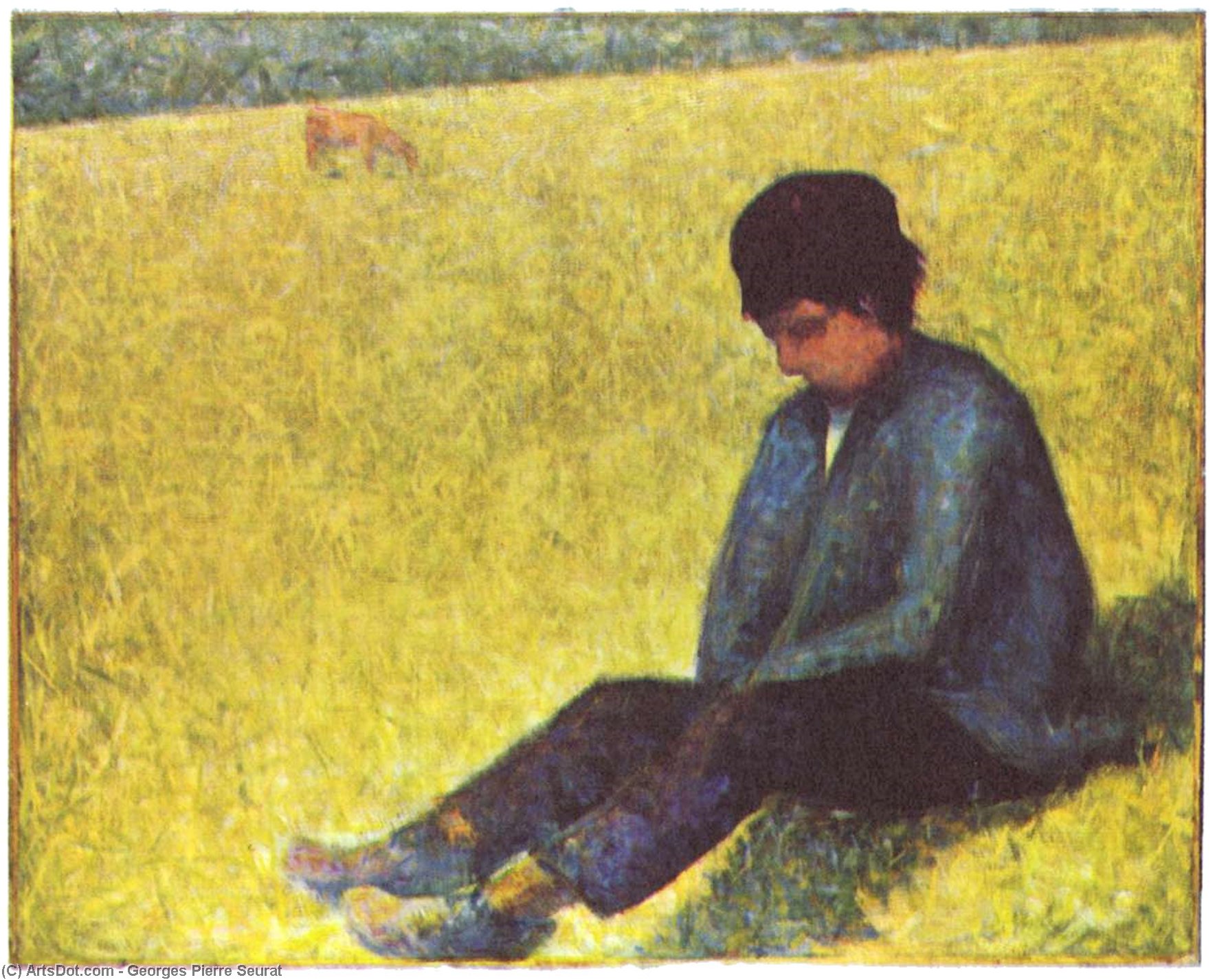
Petit paysan assis dans un pré
 Óleo sobre lienzo
- Arte de pared
- Post-Impressionismo
 1883
1883- Modernismo
 65.0 x 81.0 cm
 Leer más
Reproducción al óleo hecha a mano
Óleo sobre lienzo pintado a mano en el tamaño y marco de su elección, realizado por encargo por nuestros artistas. ( Pedir impresión Comprar descarga)




P118B $10

P118H $10

P118W $10

P438Z $10

P508JH $12

P508YH $12

P805H $10

P805Z $10

P919BZ $10

P919G $10

P919XJ $10

P959ZH $10

P968JZ $12

W106C $8

W218G $10

W218JH $8

W218Y $10

W307PJ $10

W316G $10

W316PJ $8

W316Y $10

W398PJ $8

W4111J $10

W500HY $15

W500JH $15

W692G $12

W849H $8

W940BG $15

W953PJ $8




Elija entre nuestros tamaños predefinidos que respetan las proporciones originales de la obra.

Puede ingresar sus propias dimensiones para adaptarse a un marco o espacio específico. Si el tamaño seleccionado no coincide con las proporciones de la imagen original, recortaremos la obra o extenderemos la pintura con elementos adicionales pintados a mano. Se le enviará una maqueta digital para su aprobación antes de comenzar la producción.
Tenga en cuenta que la vista previa en pantalla no refleja el recorte o la extensión reales. Solo la maqueta mostrará con precisión la composición final.
Si bien existen tamaños personalizados, recomendamos seleccionar una dimensión de la lista predefinida para preservar las proporciones originales.
Tras realizar el pedido, el equipo de ArtsDot.com enviará un correo electrónico al cliente para solicitar instrucciones y proporcionarle una vista previa del boceto.
Envío a todo el mundo () en 3-4 semanas en lugar de las 5 semanas estándar. (21 agosto). Sin comprometer la calidad.

Envío exprés gratuito a todo el mundo

Lienzo de lino de alta calidad

Seguro de envío completo

Garantía de reembolso de aranceles aduaneros

Garantía de fidelidad cromática exacta

Política de devolución de 60 días (solo por defectos)

Garantía de devolución del 100% del dinero

Oferta por volumen
 La opción de vidrio solo está disponible en tamaños inferiores a 110 cm.

Petit paysan assis dans un pré
Técnica de reproducción
Tamaño de la reproducción
-


Precio total
$ 263
Descripción de la obra
Georges Pierre Seurat: A Pioneer of Luminous Precision
Georges Pierre Seurat (1859–1891) stands as an undeniable titan in the annals of modern art, forever enshrined as the architect of Pointillism—a revolutionary technique that irrevocably altered the trajectory of painting and continues to fascinate observers today. His brief yet intensely focused artistic career wasn’t merely about capturing a visual image; it was about distilling emotion into pure pigment, underpinned by an unwavering devotion to scientific observation and a profound understanding of optical perception. Seurat's story is one of meticulous study, intellectual rigor, and a sensitivity to nuance—qualities that distinguished him from his contemporaries and cemented his legacy as a visionary innovator. His formative years were marked by a comfortable upbringing fostered by his father’s considerable wealth derived from property speculation, affording young Georges access to artistic education unavailable to many others of his time. This early exposure instilled in him a disciplined approach to artmaking that would define his entire oeuvre.Post-Impressionism: Rejecting Naturalism for Emotional Resonance
Seurat's artistic endeavors emerged directly from the burgeoning discontent with Impressionism’s preoccupation with fleeting light and color—a movement championed by luminaries like Monet and Renoir. Rather than accepting Impressionism’s limitations, Seurat boldly sought to transcend them, forging a new path toward expressive art. This Post-Impressionist impulse wasn't simply stylistic; it represented a fundamental shift in artistic philosophy—a conviction that painting could convey deeper truths about human experience beyond mere visual representation. Artists like Seurat wrestled with questions of subjectivity and symbolism, rejecting the Impressionists’ objective gaze for a more introspective engagement with emotion and ideas.The Technique of Pointillism: Scientific Brilliance Meets Artistic Vision
At the heart of Seurat's groundbreaking achievement lies Pointillism—a technique that defies conventional brushstrokes in favor of minuscule dots of color meticulously applied to create an image. This seemingly simple method was, in fact, rooted in scientific principles derived from Eugène Chevreuil’s research into optics and color perception. Seurat painstakingly analyzed how the human eye perceives color, hypothesizing that by juxtaposing complementary hues—such as red and green or blue and orange—the viewer's retina would blend them optically, producing a richer, more luminous effect than could be achieved through blending pigments on the canvas. This meticulous process demanded unwavering concentration and precision, transforming painting into an almost mathematical endeavor.Peasant Boy Sitting in a Meadow: Composition and Symbolism
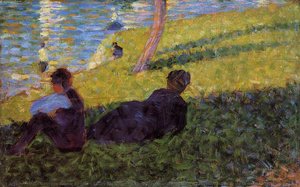
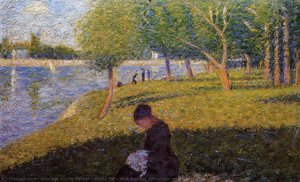
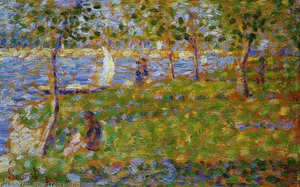
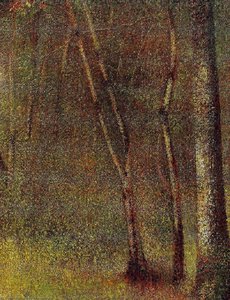
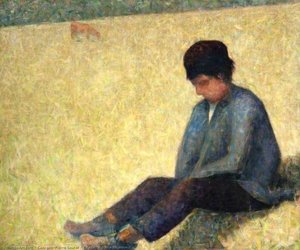
“Peasant boy sitting in a meadow,” created in 1883, exemplifies Seurat’s masterful command of composition and symbolism. Measuring 65 x 81 cm and executed in oil on canvas, the painting depicts a solitary young man seated peacefully amidst a vibrant yellow field—a scene rendered with breathtaking clarity and luminosity through Pointillist technique. The boy's posture conveys contemplation and repose, mirroring the tranquil atmosphere of the meadow itself. Two cows graze nearby, symbolizing harmony between humanity and nature—a recurring motif in Seurat’s work reflecting his fascination with rural landscapes and their inherent beauty. The careful placement of figures and colors contributes to a profound sense of stillness and serenity, inviting viewers to contemplate the essence of pastoral life.A Legacy Beyond Aesthetics: Influence on Modern Art Movements
Georges Pierre Seurat's contribution to art history transcends mere aesthetic appreciation; he fundamentally reshaped artistic discourse and paved the way for subsequent movements like Fauvism and Cubism. His innovative technique captivated fellow artists, inspiring them to experiment with new approaches to color and form—a testament to his enduring influence on the development of modern art. Seurat’s unwavering belief in scientific observation combined with artistic intuition—a rare confluence of intellect and sensibility—solidified his position as one of the most important figures in Post-Impressionism, ensuring that “Peasant boy sitting in a meadow” continues to resonate with audiences worldwide. For those seeking to immerse themselves in the brilliance of this pivotal moment in art history, ArtsDot.com offers exceptional reproductions crafted with meticulous attention to detail—preserving Seurat’s vision for generations to come.Obras relacionadas
Biografía del artista
Georges Seurat: Un Pionero del Neoimpresionismo
Vida Temprana y Educación
- Nacido: 2 de diciembre de 1859, en París, Francia.
- La familia de Seurat se mudó al Boulevard de Magenta poco después de su nacimiento.
- Su padre, Antoine Chrysostome Seurat, fue un exfuncionario legal que se hizo rico a través de la especulación inmobiliaria.
- Comenzó su formación artística en la École Municipale de Sculpture et Dessin, cerca de su hogar, bajo el escultor Justin Lequien.
- En 1878, se matriculó en la prestigiosa École des Beaux-Arts, estudiando bajo Henri Lehmann.
Desarrollo Artístico e Influencias
- La personalidad artística de Seurat fue una mezcla única de sensibilidad y abstracción lógica. Combinó una delicada sensibilidad con la precisión matemática.
- Influencias: Si bien las influencias específicas son debatidas, estudió las teorías del color de científicos como Michel Eugène Chevreul y Ogden Rood.
- Inicialmente experimentó con técnicas de dibujo tradicionales antes de desarrollar su estilo distintivo.
- Sus primeras obras muestran interés en la pintura académica pero gradualmente se movieron hacia un enfoque más innovador.
Chromoluminarismo y Puntillismo
- Seurat ideó las técnicas de chromoluminarismo (la ciencia del color) y puntillismo, aplicando pequeños puntos distintos de color puro a un lienzo.
- Usó lápiz Conté para dibujos detallados en papel con superficie rugosa como parte de su proceso.
- Objetivo del Puntillismo: La idea era que la vista del espectador fusionaría ópticamente estos colores, creando un efecto vibrante y luminoso.
Logros Importantes y Obras Notables
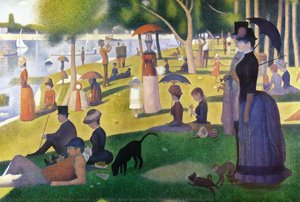
- Un Domingo Tarde en la Isla de la Grande Jatte (1884-1886): Su obra más famosa, que marca el comienzo del Neoimpresionismo. Ejemplifica su técnica puntillista y su enfoque meticuloso.
- Alfalfa, Saint-Denis (1886-1887): Demuestra su aplicación de la teoría del color a un paisaje rural.
- Paisaje en Saint-Ouen (1882-1883): Un ejemplo temprano que muestra su estilo en evolución e interés por la luz y la atmósfera.
- La Torre Eiffel (1889): Una representación del icónico monumento parisino, representada utilizando técnicas puntillistas.
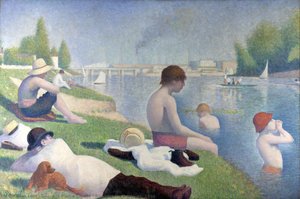
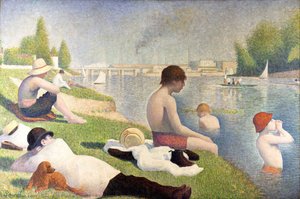
- Bañistas en Asnières (1884): Otra obra significativa que explora el ocio y la vida moderna con su estilo distintivo.
Significado Histórico y Legado
- El trabajo de Seurat influyó profundamente en el desarrollo del arte moderno, particularmente a través de su énfasis en la expresión subjetiva y la exploración de nuevas técnicas.
- Allanó el Camino: Allanó el camino para movimientos como el Fauvismo, el Cubismo y el Expresionismo Abstracto.
- Su enfoque científico del arte desafió las convenciones artísticas tradicionales.
- A pesar de su corta vida (murió a los 31 años), Seurat dejó una marca indeleble en la historia del arte, inspirando a generaciones de artistas con su visión innovadora.
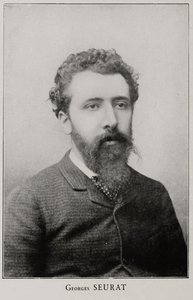
Georges Pierre Seurat
1859 - 1891 , Francia
Datos clave
- Artistas Influenciados:
- Fauvismo
- Cubismo
- Expresionismo Abstracto
- Artistas Que Influyeron:
- Michel Eugène Chevreul
- Ogden Rood
- Fecha De Nacimiento: 2 de diciembre de 1859
- Lugar De Nacimiento: París, Francia
- Movimiento Artístico: Neoimpresionismo
- Nacionalidad: Francés
- Nombre Completo: Georges Pierre Seurat
- Obras Notables:
- Un domingo en la Grande Jatte
- Bañistas en Asnières
- La Torre Eiffel
Artículos relacionados
Georges Seurat: Las 25 Obras Maestras del Pionero Puntillista | ArtsDot
Descubre las 25 obras maestras de Georges Seurat, el innovador del puntillismo. Explora su técnica única, colores vibrantes y legado artístico en ArtsDot.com. Reproducciones de arte de museo para tu hogar.
Georges Braque: Las 25 Obras Maestras del Cubismo y su Legado en el Arte Moderno
Descubre las 25 obras maestras de Georges Braque, pionero del cubismo. Explora su innovadora técnica, colores y el legado del arte moderno francés. Reproducciones de alta calidad en ArtsDot.com. ¡Encuentra tu inspiración!
Georges Seurat: Pointillism, Perception & the Scientific Foundations of Modern Art
Explore the revolutionary art of Georges Seurat and the science behind Pointillism. Discover chromoluminarism, optical mixing, and the lasting impact of Neo-Impressionism on modern art history.
Más Allá del Impresionismo: Profundizando en la Emoción y el Simbolismo Postimpresionista
Descubre la profundidad emocional y el simbolismo del Postimpresionismo con ArtsDot. Análisis experto de Cézanne, Van Gogh, Gauguin y más. Explora la historia y el legado de este fascinante movimiento artístico.
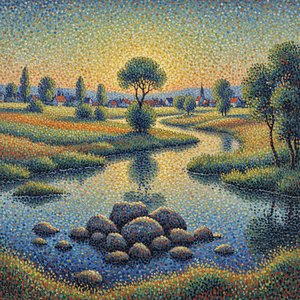
Islas Cromáticas: Explorando la Teoría y el Legado del Puntillismo en el Arte del Siglo XIX
Descubre el puntillismo: su origen, técnica innovadora y los artistas clave como Seurat y Signac. Explora la ciencia del color y su legado en la historia del arte. ¡Un análisis profundo y fascinante!