 Ver en contexto
 Enviar
 Compartir
 Detalles

 Descargar
 Similares
 Radiografía
 Presentación de diapositivas
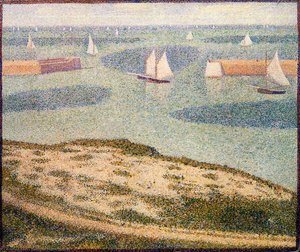
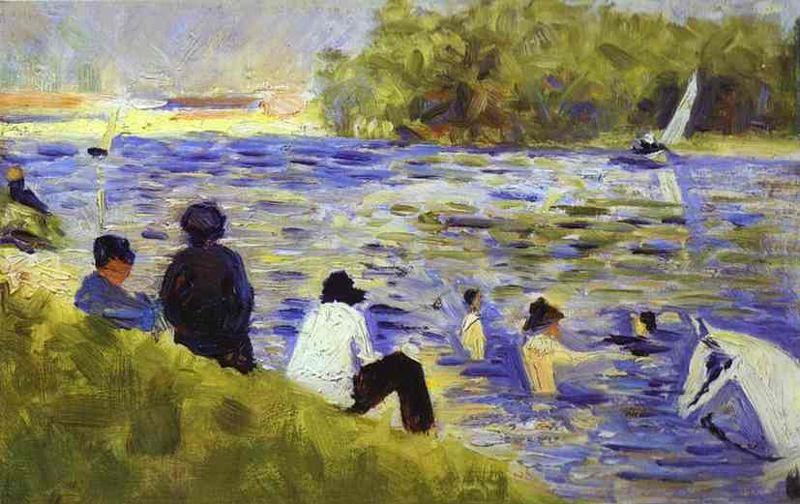
The Bank of the Seine


 Ver más
Reproducción al óleo hecha a mano
Óleo sobre lienzo pintado a mano en el tamaño y marco de su elección, realizado por encargo por nuestros artistas. ( Comprar impresión Comprar imagen)




P118B $10

P118H $10

P118W $10

P438Z $10

P508JH $12

P508YH $12

P805H $10

P805Z $10

P919BZ $10

P919G $10

P919XJ $10

P959ZH $10

P968JZ $12

W106C $8

W218G $10

W218JH $8

W218Y $10

W307PJ $10

W316G $10

W316PJ $8

W316Y $10

W398PJ $8

W4111J $10

W500HY $15

W500JH $15

W692G $12

W849H $8

W940BG $15

W953PJ $8




Elija entre nuestros tamaños predefinidos que respetan las proporciones originales de la obra.

Puede ingresar sus propias dimensiones para adaptarse a un marco o espacio específico. Si el tamaño seleccionado no coincide con las proporciones de la imagen original, recortaremos la obra o extenderemos la pintura con elementos adicionales pintados a mano. Se le enviará una maqueta digital para su aprobación antes de comenzar la producción.
Tenga en cuenta que la vista previa en pantalla no refleja el recorte o la extensión reales. Solo la maqueta mostrará con precisión la composición final.
Si bien existen tamaños personalizados, recomendamos seleccionar una dimensión de la lista predefinida para preservar las proporciones originales.
Tras realizar el pedido, el equipo de ArtsDot.com enviará un correo electrónico al cliente para solicitar instrucciones y proporcionarle una vista previa del boceto.
Envío a todo el mundo () en 3-4 semanas en lugar de las 5 semanas estándar. (1 septiembre). Sin comprometer la calidad.

Envío exprés gratuito a todo el mundo

Lienzo de lino de alta calidad

Seguro de envío total

Garantía de reembolso de impuestos aduaneros

Garantía de fidelidad cromática exacta

Política de devolución de 60 días (solo por defectos)

Garantía de devolución del 100% del dinero

Descuento por cantidad
 La opción de vidrio solo está disponible en tamaños inferiores a 110 cm.

The Bank of the Seine
Técnica de reproducción
Dimensiones de la reproducción
-


Precio total final
$ 263
A Symphony of Light and Color: The Luminous World of Georges Seurat
In the heart of late nineteenth-century Paris, a revolution was quietly unfolding, not through grand gestures of drama, but through the meticulous application of tiny, vibrant dots of pigment. At the center of this movement stood Georges Seurat, a visionary who sought to transcend the fleeting, spontaneous nature of Impressionism by infusing art with scientific precision. His masterpiece, The Bank of the Seine, serves as a breathtaking testament to this ambition. Completed in 1884, the painting captures a tranquil riverside vista, where the dappled sunlight of a Parisian afternoon is not merely depicted, but reconstructed through the revolutionary technique of Pointillism. To gaze upon this work is to witness a moment frozen in time, where the air itself seems to shimmer with the energy of light and color.
The composition of The Bank of the Seine invites the viewer into a serene, pastoral escape. Along the grassy banks of the river, figures are scattered in various states of repose—some strolling leisurely, others reclining near the water's edge, creating a sense of communal peace and quiet joy. A solitary boat drifts upon the gentle currents, adding a rhythmic stability to the scene, while the presence of a faithful dog suggests the intimate, domestic warmth of a day spent with loved ones. Every element, from the soft textures of the greenery to the reflective surface of the water, is meticulously placed to guide the eye through a balanced, harmonious landscape that feels both deeply grounded and ethereally light.
The Science of Vision: The Mastery of Pointillism
What distinguishes this work from the broader Impressionist movement is Seurat’s profound intellectual commitment to optical truth. Rather than blending colors on a palette, Seurat employed a method inspired by the color theories of Eugène Chevreuil and the optical phenomena described by scientists like Henri Poincaré. By applying small, distinct dots of pure, unaduly mixed color side-by-side, he relied on the viewer’s own eye to perform the act of blending—a process known as simultaneous contrast. This technique allows for a luminosity that traditional brushstrokes cannot achieve; the colors appear to vibrate against one another, mimicking the way light actually interacts with the human retina.
For the discerning collector or interior designer, this technical mastery offers more than just visual beauty; it provides a sophisticated layer of depth and texture. The painting does not merely represent a scene; it recreates the very sensation of sight. This scientific approach to aesthetics ensures that the artwork possesses a structural permanence and a rhythmic complexity that commands attention in any setting. Whether placed in a sun-drenched gallery or a refined contemporary living space, the piece acts as a focal point of intellectual and sensory engagement, offering a window into a period where art and science danced in perfect unison.
An Eternal Impression for Modern Spaces
Beyond its historical significance, The Bank of the Seine carries an emotional resonance that remains timeless. It evokes a sense of nostalgia for a slower, more contemplative era—a longing for the quiet beauty found in nature and human connection. The soft, pastel-infused palette and the rhythmic arrangement of figures create an atmosphere of profound tranquility, making it an ideal selection for those looking to introduce a sense of calm and elegance into their environment. It is a piece that does not shout, but rather whispers of peace, sophistication, and the enduring power of light.
Investing in a high-quality reproduction of this Seurat masterpiece allows one to bring the luminous precision of the Post-Impressionist era into the modern home. For art lovers seeking to curate a collection that speaks to both historical depth and aesthetic grace, this painting offers an unparalleled opportunity. It is more than a decoration; it is an invitation to pause, to observe, and to rediscover the magic inherent in the simplest moments of light and life.
Obras relacionadas
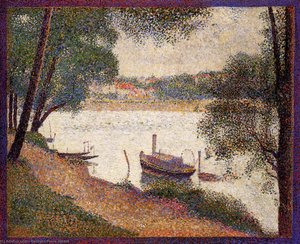
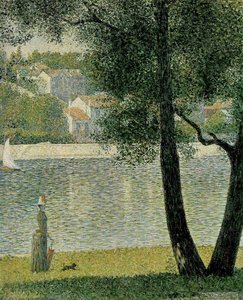
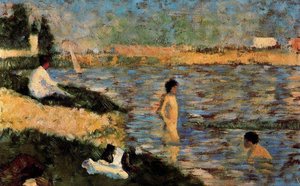
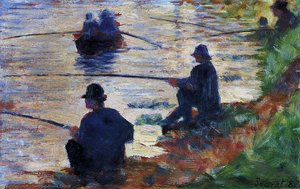
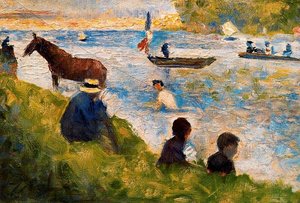
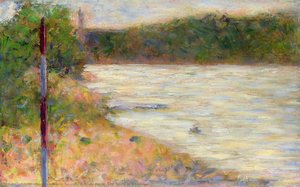
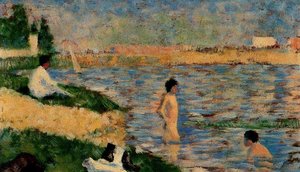
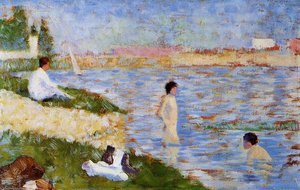
Biografía del artista
Georges Seurat: Un Pionero del Neoimpresionismo
Vida Temprana y Educación
- Nacido: 2 de diciembre de 1859, en París, Francia.
- La familia de Seurat se mudó al Boulevard de Magenta poco después de su nacimiento.
- Su padre, Antoine Chrysostome Seurat, fue un exfuncionario legal que se hizo rico a través de la especulación inmobiliaria.
- Comenzó su formación artística en la École Municipale de Sculpture et Dessin, cerca de su hogar, bajo el escultor Justin Lequien.
- En 1878, se matriculó en la prestigiosa École des Beaux-Arts, estudiando bajo Henri Lehmann.
Desarrollo Artístico e Influencias
- La personalidad artística de Seurat fue una mezcla única de sensibilidad y abstracción lógica. Combinó una delicada sensibilidad con la precisión matemática.
- Influencias: Si bien las influencias específicas son debatidas, estudió las teorías del color de científicos como Michel Eugène Chevreul y Ogden Rood.
- Inicialmente experimentó con técnicas de dibujo tradicionales antes de desarrollar su estilo distintivo.
- Sus primeras obras muestran interés en la pintura académica pero gradualmente se movieron hacia un enfoque más innovador.
Chromoluminarismo y Puntillismo
- Seurat ideó las técnicas de chromoluminarismo (la ciencia del color) y puntillismo, aplicando pequeños puntos distintos de color puro a un lienzo.
- Usó lápiz Conté para dibujos detallados en papel con superficie rugosa como parte de su proceso.
- Objetivo del Puntillismo: La idea era que la vista del espectador fusionaría ópticamente estos colores, creando un efecto vibrante y luminoso.
Logros Importantes y Obras Notables
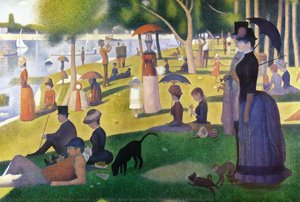
- Un Domingo Tarde en la Isla de la Grande Jatte (1884-1886): Su obra más famosa, que marca el comienzo del Neoimpresionismo. Ejemplifica su técnica puntillista y su enfoque meticuloso.
- Alfalfa, Saint-Denis (1886-1887): Demuestra su aplicación de la teoría del color a un paisaje rural.
- Paisaje en Saint-Ouen (1882-1883): Un ejemplo temprano que muestra su estilo en evolución e interés por la luz y la atmósfera.
- La Torre Eiffel (1889): Una representación del icónico monumento parisino, representada utilizando técnicas puntillistas.
- Bañistas en Asnières (1884): Otra obra significativa que explora el ocio y la vida moderna con su estilo distintivo.
Significado Histórico y Legado
- El trabajo de Seurat influyó profundamente en el desarrollo del arte moderno, particularmente a través de su énfasis en la expresión subjetiva y la exploración de nuevas técnicas.
- Allanó el Camino: Allanó el camino para movimientos como el Fauvismo, el Cubismo y el Expresionismo Abstracto.
- Su enfoque científico del arte desafió las convenciones artísticas tradicionales.
- A pesar de su corta vida (murió a los 31 años), Seurat dejó una marca indeleble en la historia del arte, inspirando a generaciones de artistas con su visión innovadora.
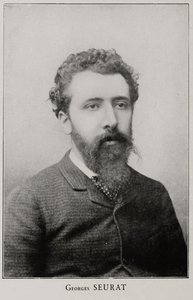
Georges Pierre Seurat
1859 - 1891 , Francia
Datos clave
- Artistas Influenciados:
- Fauvismo
- Cubismo
- Expresionismo Abstracto
- Artistas Que Influyeron:
- Michel Eugène Chevreul
- Ogden Rood
- Fecha De Nacimiento: 2 de diciembre de 1859
- Lugar De Nacimiento: París, Francia
- Movimiento Artístico: Neoimpresionismo
- Nacionalidad: Francés
- Nombre Completo: Georges Pierre Seurat
- Obras Notables:
- Un domingo en la Grande Jatte
- Bañistas en Asnières
- La Torre Eiffel
Artículos relacionados

Georges Seurat: Las 25 Obras Maestras del Pionero Puntillista | ArtsDot
Descubre las 25 obras maestras de Georges Seurat, el innovador del puntillismo. Explora su técnica única, colores vibrantes y legado artístico en ArtsDot.com. Reproducciones de arte de museo para tu hogar.

Georges Braque: Las 25 Obras Maestras del Cubismo y su Legado en el Arte Moderno
Descubre las 25 obras maestras de Georges Braque, pionero del cubismo. Explora su innovadora técnica, colores y el legado del arte moderno francés. Reproducciones de alta calidad en ArtsDot.com. ¡Encuentra tu inspiración!
Georges Seurat: Pointillism, Perception & the Scientific Foundations of Modern Art
Explore the revolutionary art of Georges Seurat and the science behind Pointillism. Discover chromoluminarism, optical mixing, and the lasting impact of Neo-Impressionism on modern art history.

Giclée Prints: Archival Quality & Aesthetic Nuances for the Discerning Collector
Explore the world of giclée prints with ArtsDot. Learn about archival quality, aesthetic nuances & investment potential. Expert guidance for discerning art collectors seeking museum-quality reproductions and lasting value.

The Enduring Legacy of Fine Art Prints: Technique, History & Aesthetic Impact
Explore the rich history & techniques of fine art prints. Discover investment potential, assess authenticity, and learn how to preserve your collection with expert guidance. Trusted insights for discerning collectors.